
Querétaro
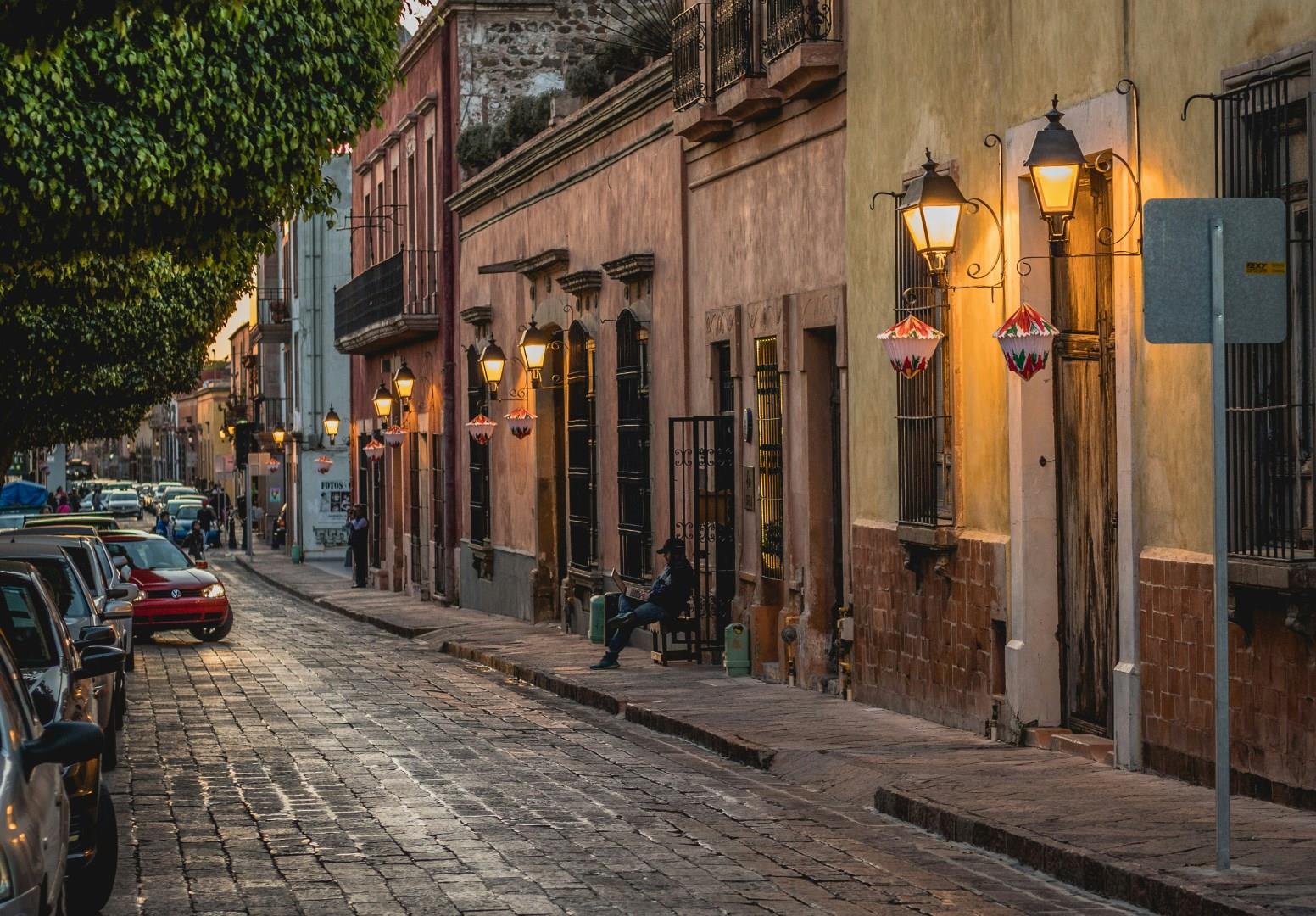
Querétaro, located in the heart of central Mexico, is a city where centuries of history are still visible in daily life. Its historic center, a UNESCO World Heritage Site, features narrow streets, elegant plazas, and baroque churches that reflect its colonial past. One of the city’s most iconic landmarks is the massive aqueduct, built in the 18th century with 74 stone arches stretching nearly a mile across the landscape.
Milos
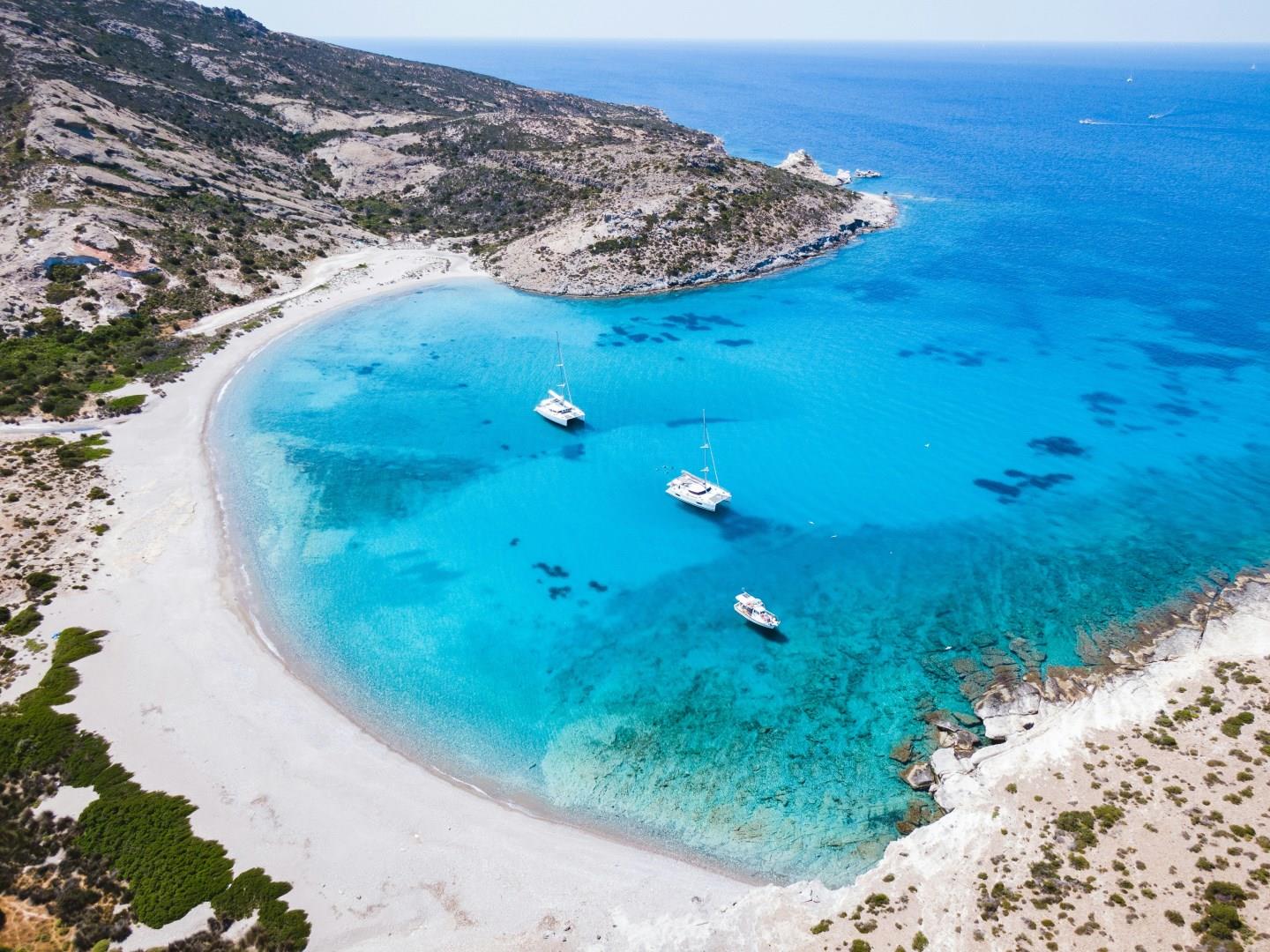
Milos is one of the most striking islands in the Aegean Sea, known for its otherworldly landscapes, turquoise coves, and centuries-old history. Shaped like a horseshoe, the island was formed by volcanic activity which left behind dramatic cliffs and hidden beaches carved from soft white rock. Visitors often find their first glimpse of Milos unforgettable, especially at Sarakiniko Beach where smooth, chalk-white formations contrast with the vivid blue water.

Vietnam
Vietnam is a country where dramatic landscapes and deep-rooted traditions intertwine, creating a mosaic of experiences that stretch from misty northern mountains to the lush waterways of the Mekong Delta. Its history is marked by ancient kingdoms, colonial legacies, and a remarkable story of resilience in the face of conflict.

Lahnstein
Lahnstein is located at the confluence of the rivers Rhine and Lahn. Situated between the tranquil Lahn Valley and the bustling energy of the Rhine, Lahnstein has developed a unique character and offers a wide variety of activities for visitors.

New Orleans
New Orleans is unlike any other city in the United States. Founded in 1718, it carries layers of French, Spanish, African, and Caribbean influence that can be felt in everything from its architecture to its street music. The French Quarter, the oldest neighborhood in the city, is full of iron-laced balconies, gas lamps, and narrow streets that echo with the sounds of live jazz.
