

Antananarivo
Antananarivo, Madagascar’s vibrant capital, offers a unique blend of cultural richness and historical depth. Perched on a series of hills, the city’s layout is characterized by its steep streets and traditional architecture. The Royal Palace, or Rova of Antananarivo, is a central landmark, offering a glimpse into Madagascar's royal past. Although much of the palace was destroyed by fire in 1995, the site remains a significant cultural and historical monument.
Kananaskis
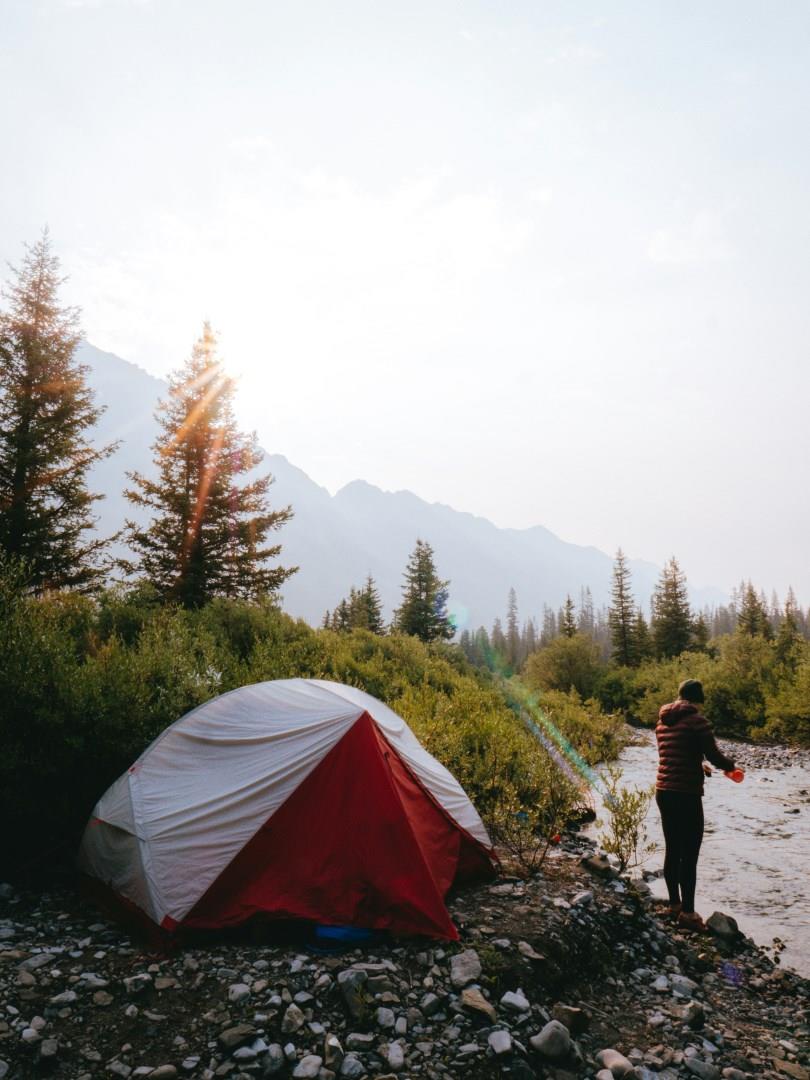
Kananaskis, located in the foothills and front ranges of the Canadian Rockies in Alberta, is a vast region celebrated for its rugged mountains, alpine lakes, and outdoor recreation opportunities. Unlike nearby Banff or Jasper, Kananaskis is less developed and offers a quieter, more wilderness-focused experience while still being easily accessible from Calgary.
Vienna
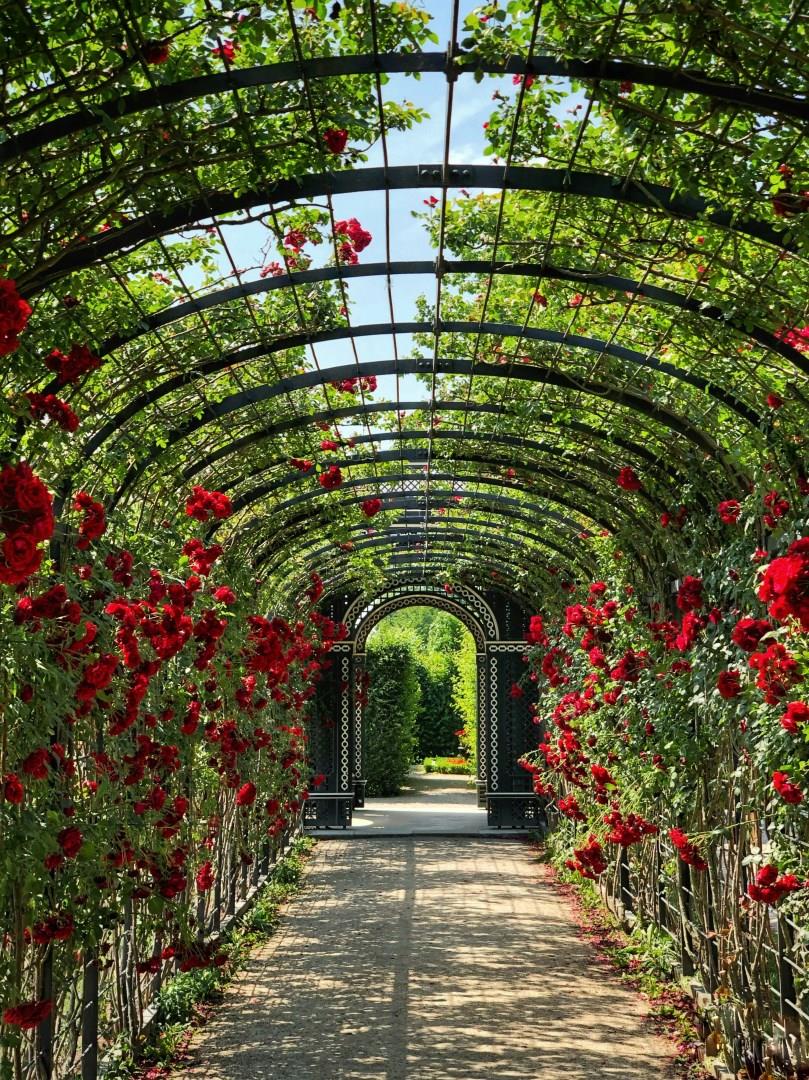
Vienna has a long memory. Once the capital of the Habsburg Empire, the city still carries signs of its imperial past in its palaces, concert halls, and wide boulevards. Visitors can walk through the Hofburg complex, where emperors once ruled, or tour the opulent rooms of Schönbrunn Palace, which features 1,441 rooms and a maze in its gardens. But Vienna’s many historic buildings now house contemporary art museums, cafés, and institutions that reflect the city’s modern identity.
Fitzroy Island
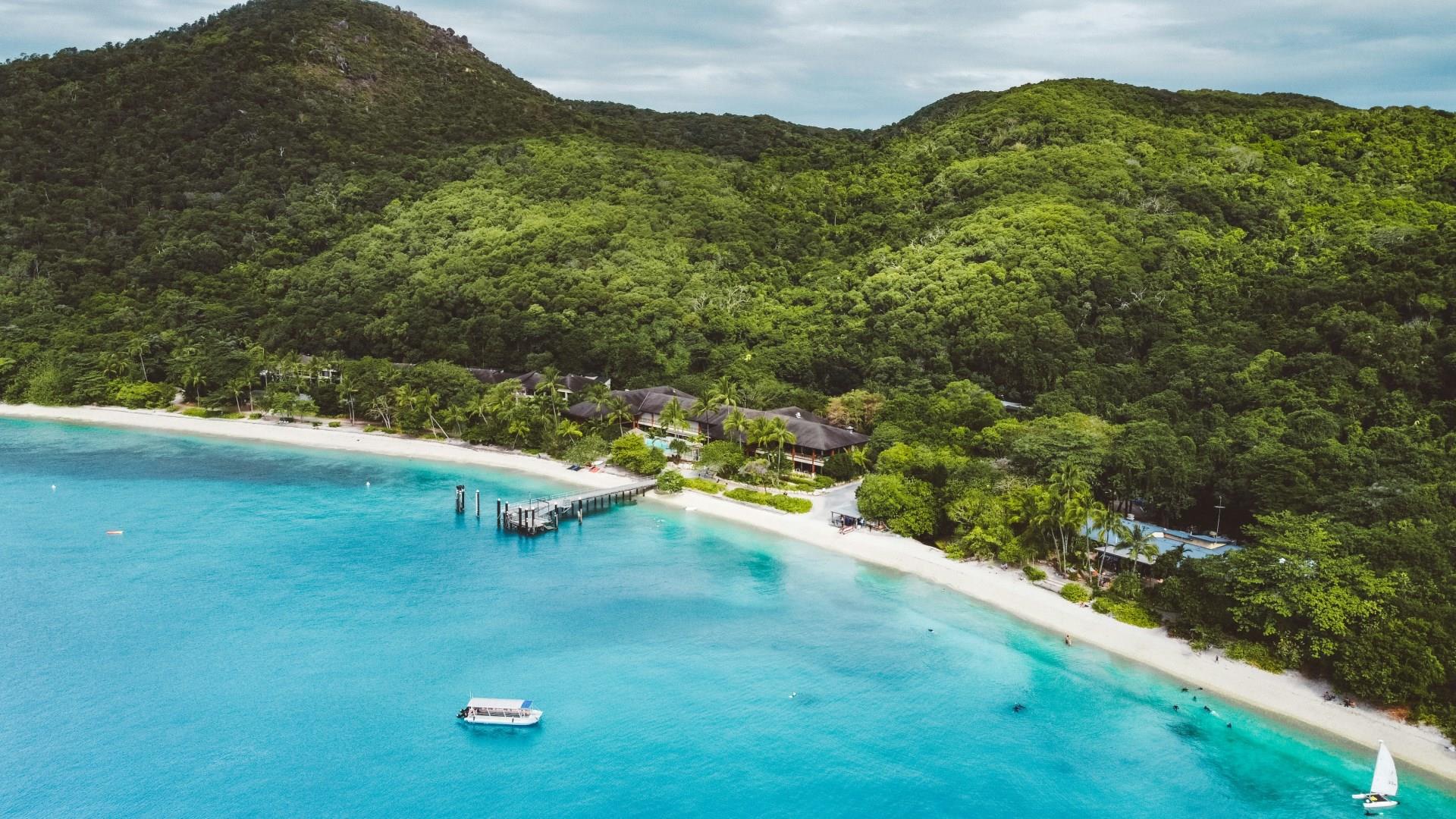
Fitzroy Island sits off the coast from Cairns in Queensland, Australia, rising from the Coral Sea with rainforest and beaches that draw visitors year-round. A short, scenic ferry ride from Cairns’ marlin marina brings visitors to this tropical island, part of the Fitzroy Island National Park where rainforest meets reef.

Curacao
Curacao, a gem in the Caribbean Sea, offers a captivating blend of Dutch colonial charm and vibrant Caribbean culture. Its capital, Willemstad, is a UNESCO World Heritage Site renowned for its colorful 17th-century architecture and historic waterfront. The city's iconic Handelskade, lined with pastel-hued buildings, presents a picturesque setting for leisurely strolls and waterfront dining.
