
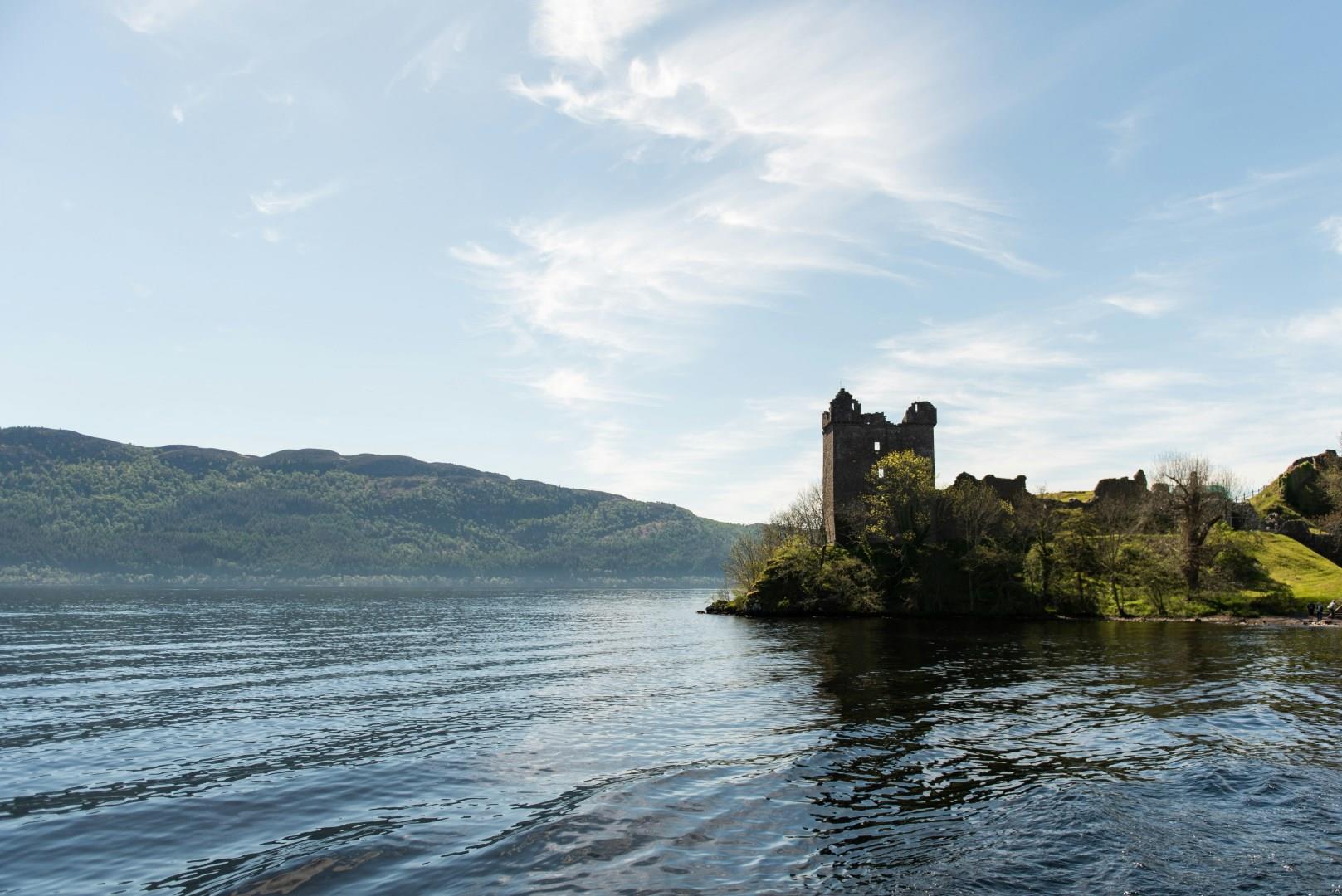
Loch Ness
Loch Ness stretches over 23 miles through the Scottish Highlands, holding more freshwater than all the lakes in England and Wales combined. Best known for its elusive resident, the so-called Loch Ness Monster, the loch has sparked international curiosity since the first modern "sighting" in 1933. While Nessie remains elusive, the surrounding landscape offers clear reasons to visit with steep hillsides, forested trails, and ancient ruins framing one of Scotland’s most iconic bodies of water.

Canberra
Canberra, the capital city of Australia, is a hidden gem that often surprises travelers with its rich blend of culture, history, and natural beauty. Designed by American architects Walter Burley Griffin and Marion Mahony Griffin, Canberra is a city thoughtfully crafted around Lake Burley Griffin, which offers picturesque views and serene walks. Unlike many cities, it is home to a vast population of kangaroos, which are often spotted hopping around suburban areas and parklands.
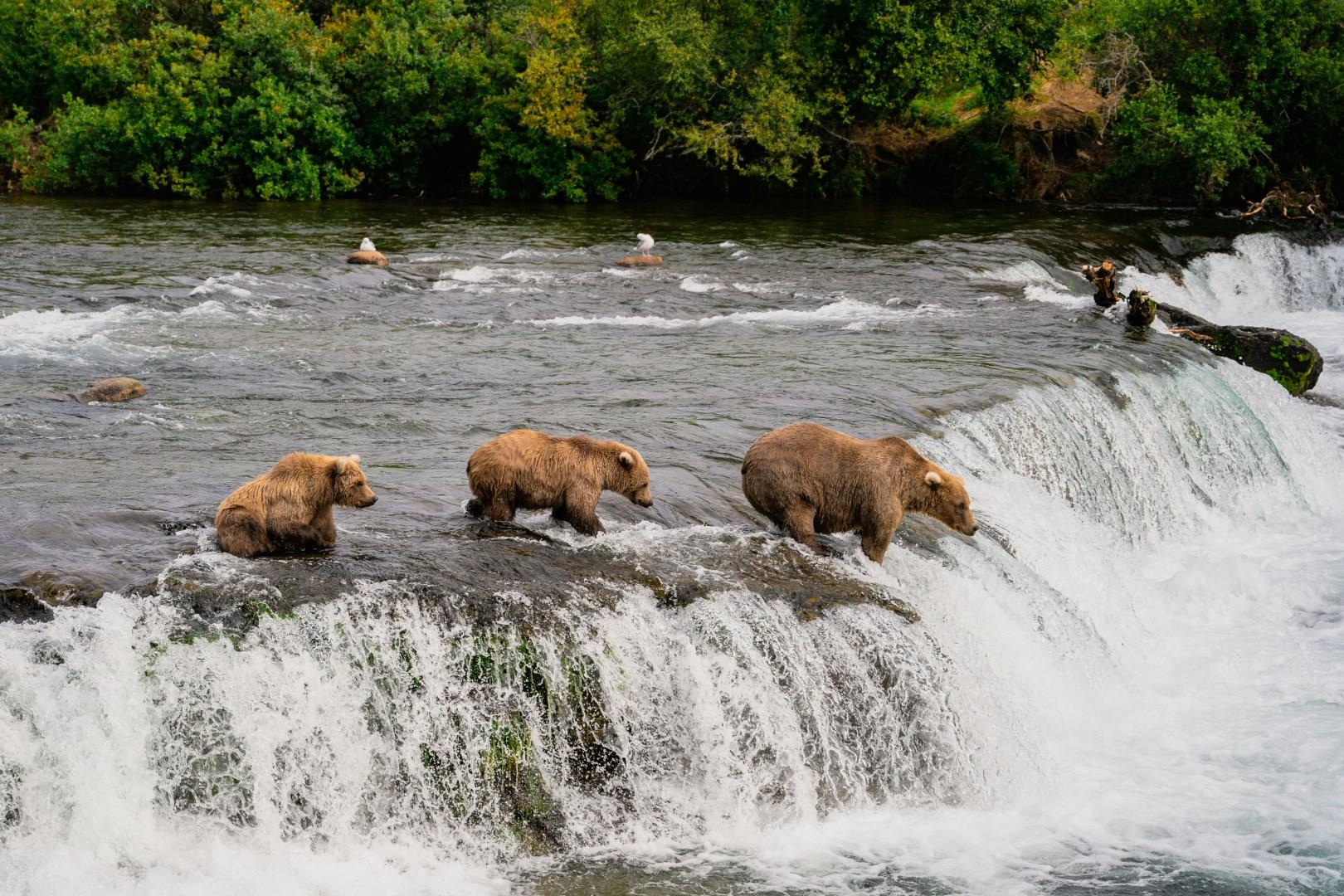
Katmai National Park
Katmai National Park and Preserve lies along Alaska’s remote Pacific coast, shaped by volcanism, glaciers, and deep time. The area gained prominence after the 1912 Novarupta eruption, one of the largest volcanic events of the 20th century, which transformed the landscape and led to the creation of the Valley of Ten Thousand Smokes.
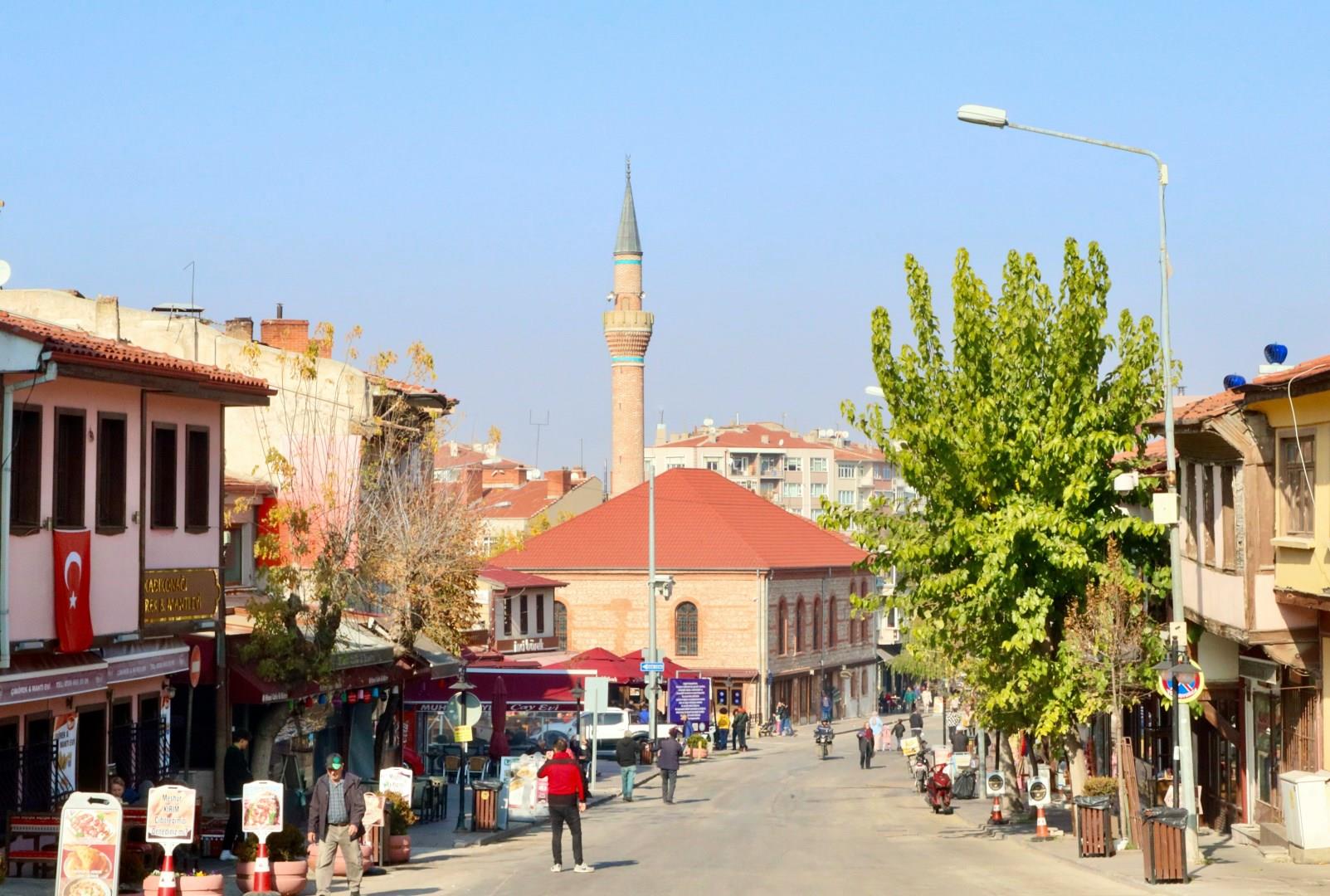
Eskisehir
Eskişehir, located in northwestern Turkey, is a city where old meets new in unexpected ways. Known for its youthful vibe due to its two major universities, the city is also deeply rooted in history. It sits along the Porsuk River, which winds through lively neighborhoods and parks. The riverfront, once mostly industrial, has been transformed into a place where gondolas pass under bridges and locals gather at riverside cafes.
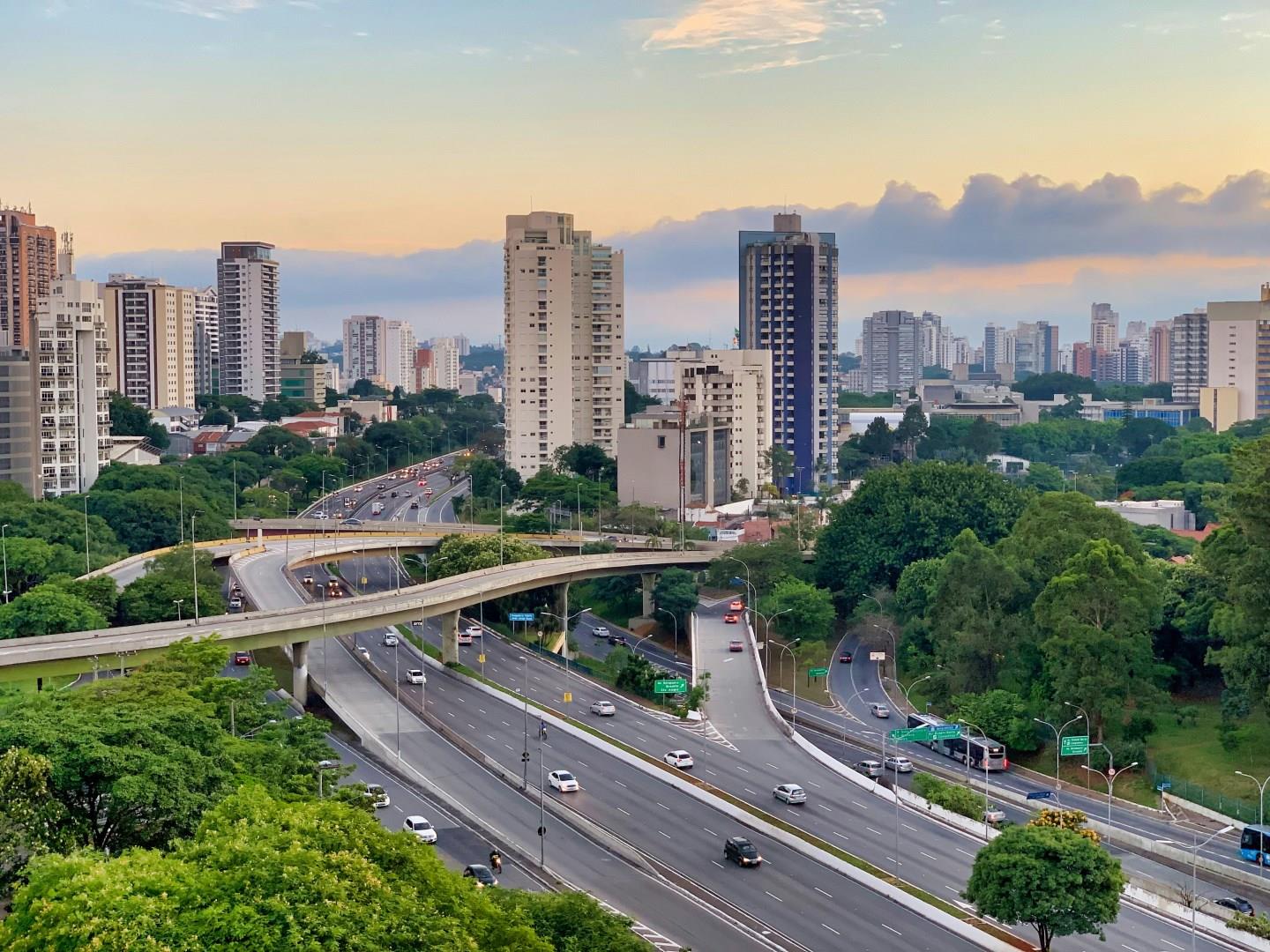
Sao Paulo
Sao Paulo is Brazil’s largest city and its economic engine, shaped by waves of migration that began in the late 19th century and never truly slowed. Italians, Japanese, Lebanese, and migrants from across Brazil all left visible marks on the city’s neighborhoods, food, and cultural life.
