
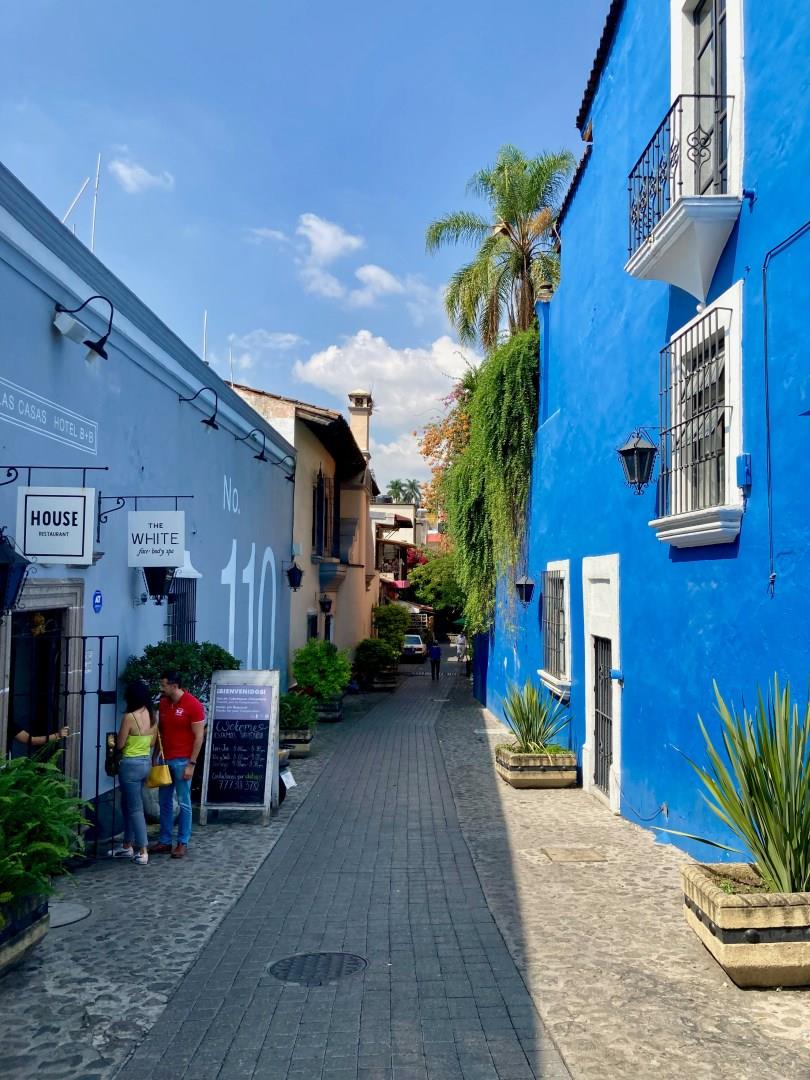
Cuernavaca
Cuernavaca, often called the “City of Eternal Spring,” has long been a retreat for those seeking warm weather and relaxing surroundings just 90 minutes from Mexico City. With a history that stretches back to the Aztec empire, the city is layered with centuries of cultural change. The historic center of Cuernavaca combines architecture from multiple eras, with narrow streets leading to quiet plazas and colonial churches.
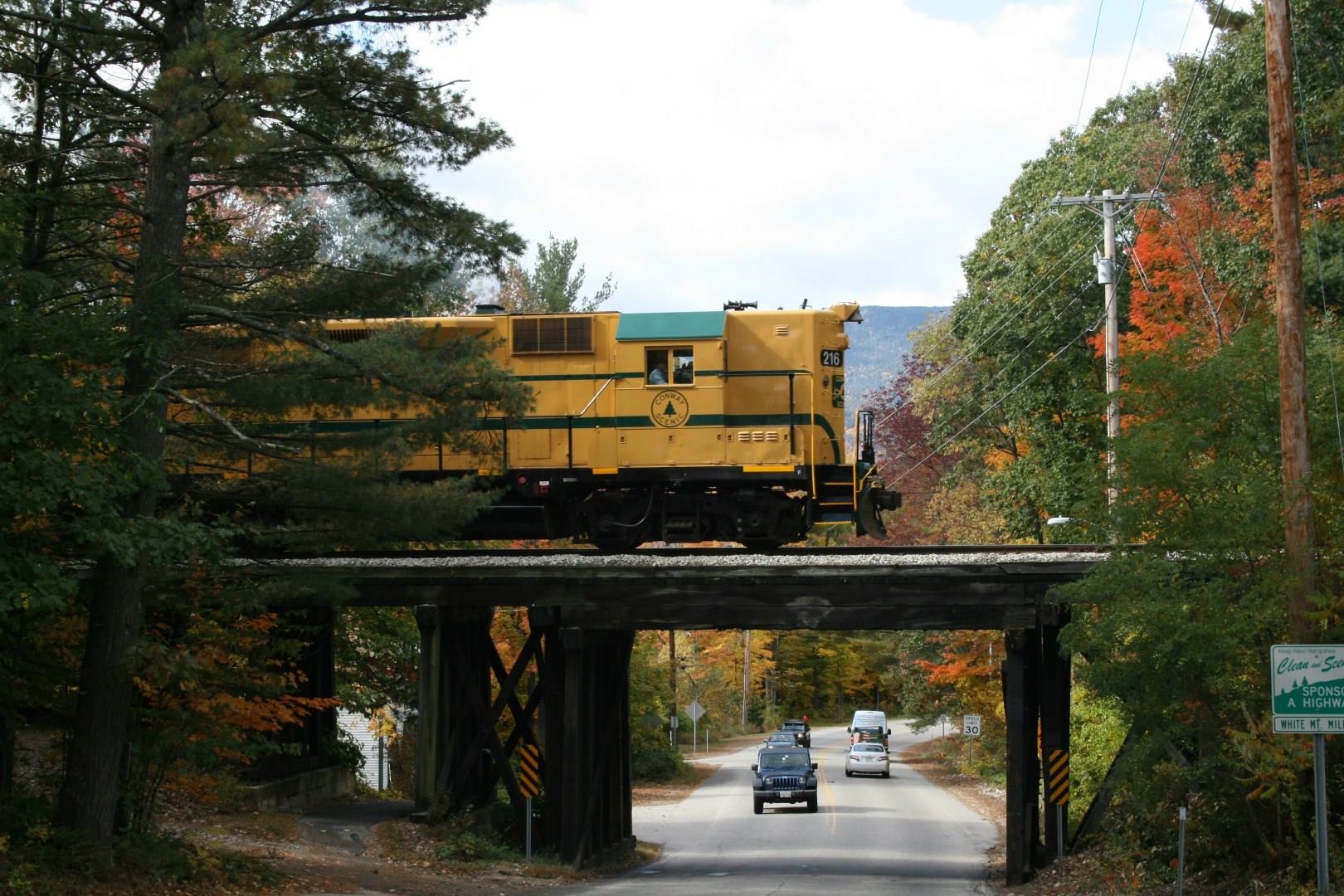
North Conway
North Conway, located in New Hampshire’s Mount Washington Valley, has drawn visitors since the mid-19th century, when artists from the White Mountain School began painting its dramatic landscapes. Today, the area still offers scenic appeal, anchored by the towering presence of Mount Washington, the tallest peak in the northeastern U.S. Historic photographs and lithographs of North Conway hang in galleries downtown, showing just how little the iconic views have changed in over 150 years.

Washington D.C.
Washington, D.C., the vibrant capital of the United States, offers a perfect blend of history, politics, and culture that makes it a must-visit destination for travelers. Known for its iconic landmarks, such as the Lincoln Memorial, the Washington Monument, and the U.S. Capitol, D.C. offers endless opportunities to explore the country’s history through its architecture and museums.
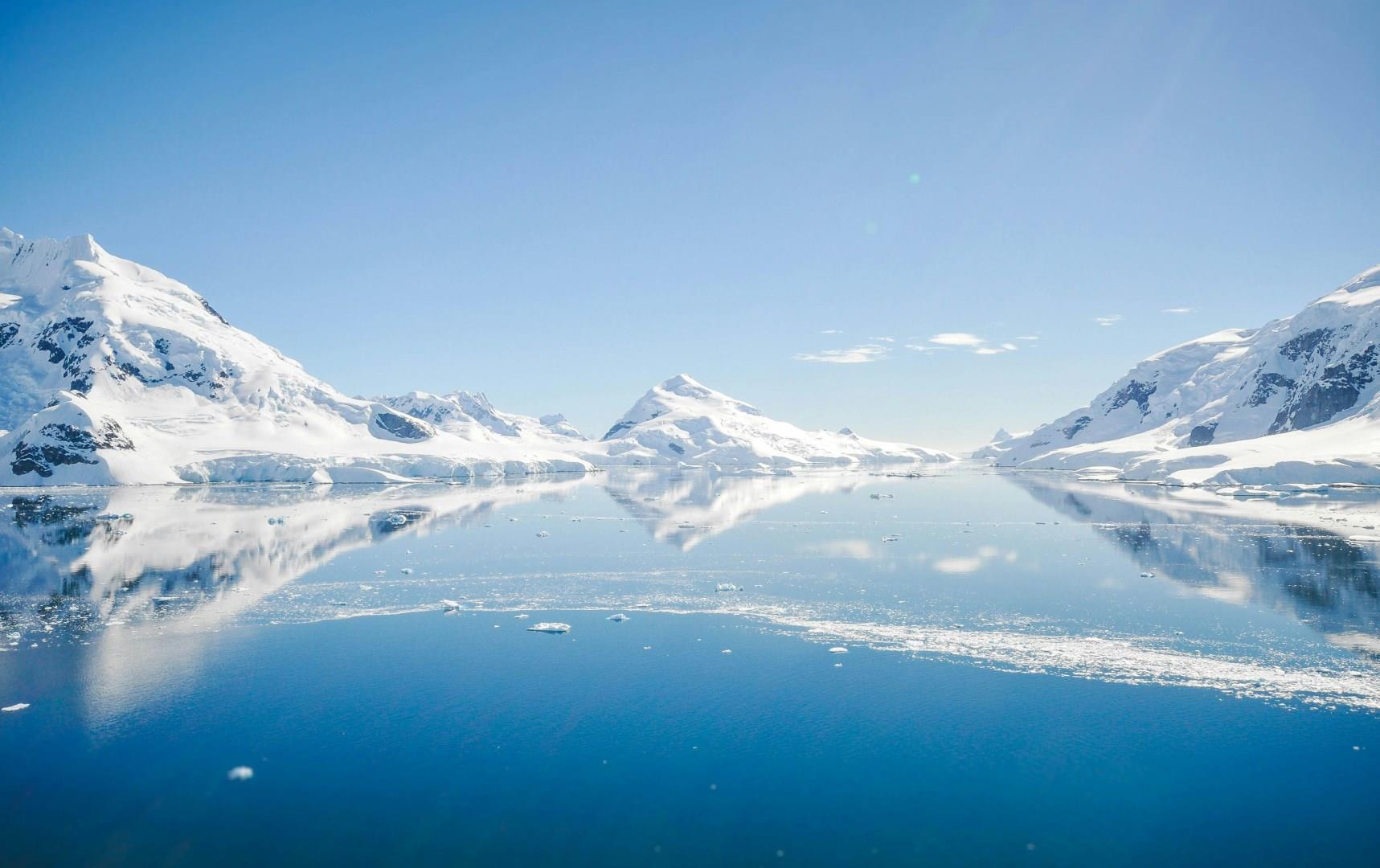
Antarctica
The continent lying mainly within the Antarctic Cirle with the South Pole approximately at its center. The Antarctic Treaty of 1959, signed by 12 countries prohibits military activities and promotes the exchange of scientific information.
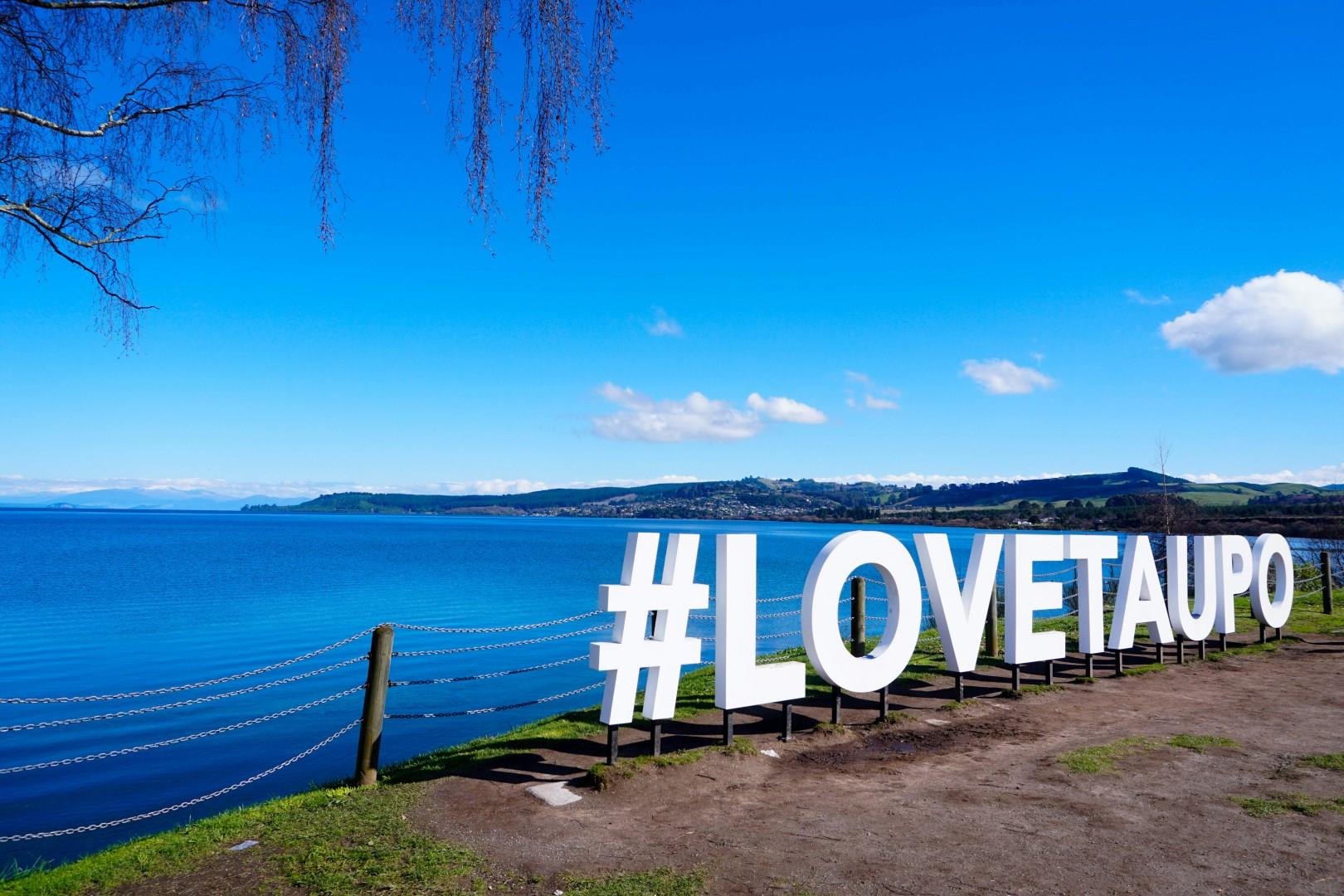
Taupo
Taupō, located in the heart of New Zealand’s North Island, is built along the shores of Lake Taupō, which is the largest freshwater lake in Australasia, formed nearly two thousand years ago by a massive volcanic eruption. That eruption was so powerful, it was recorded in ancient Chinese and Roman texts, even though it occurred halfway across the world. Today, the lake is calm, clear, and central to life in the region, offering everything from trout fishing to kayaking and lakeside cycling.
