
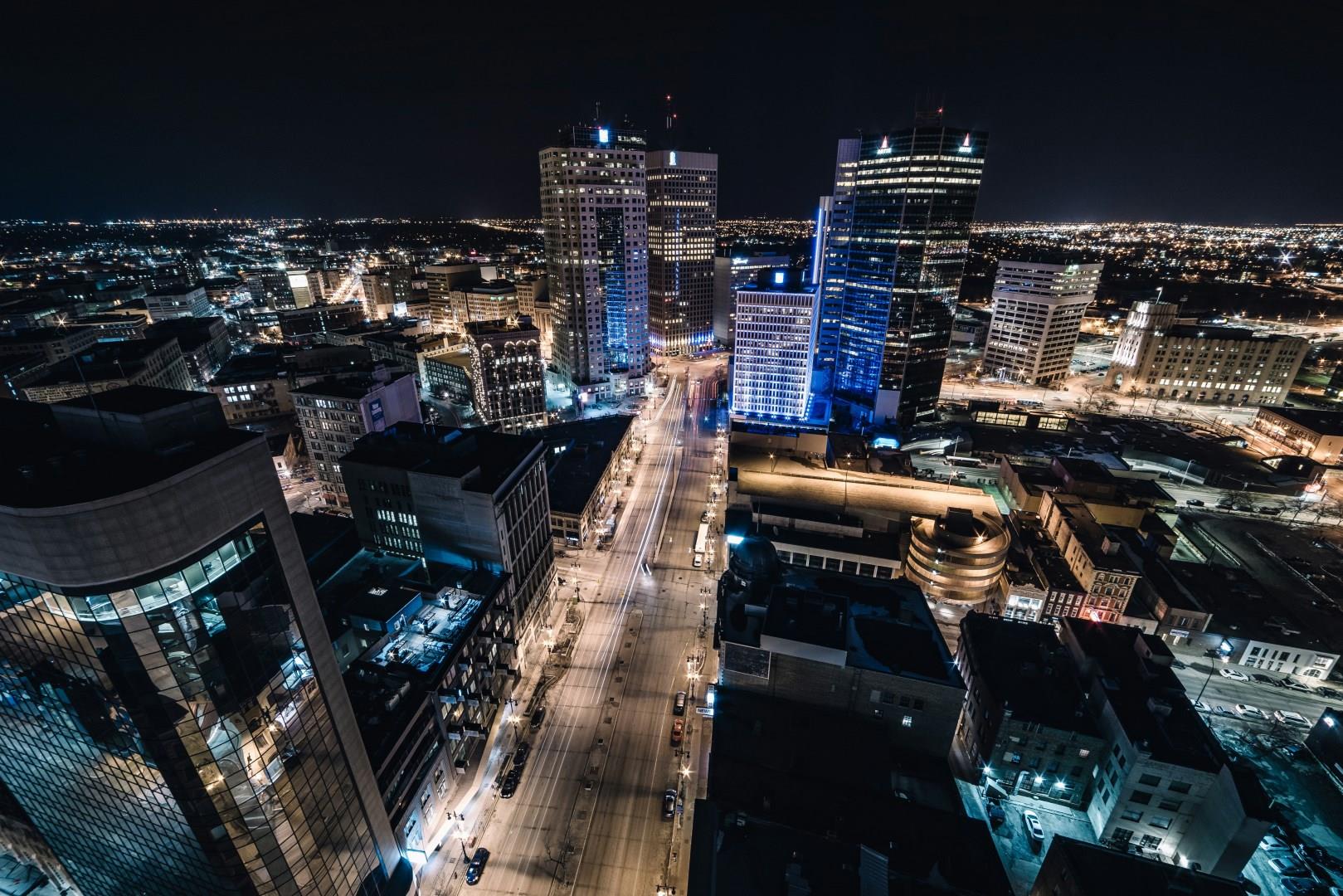
Winnipeg
Winnipeg sits at the meeting point of the Red and Assiniboine rivers, a location that has shaped its role as a gathering place for thousands of years. Long before it became a modern city, the area was central to Indigenous trade networks, a legacy that remains visible today through institutions like The Forks and the Canadian Museum for Human Rights.
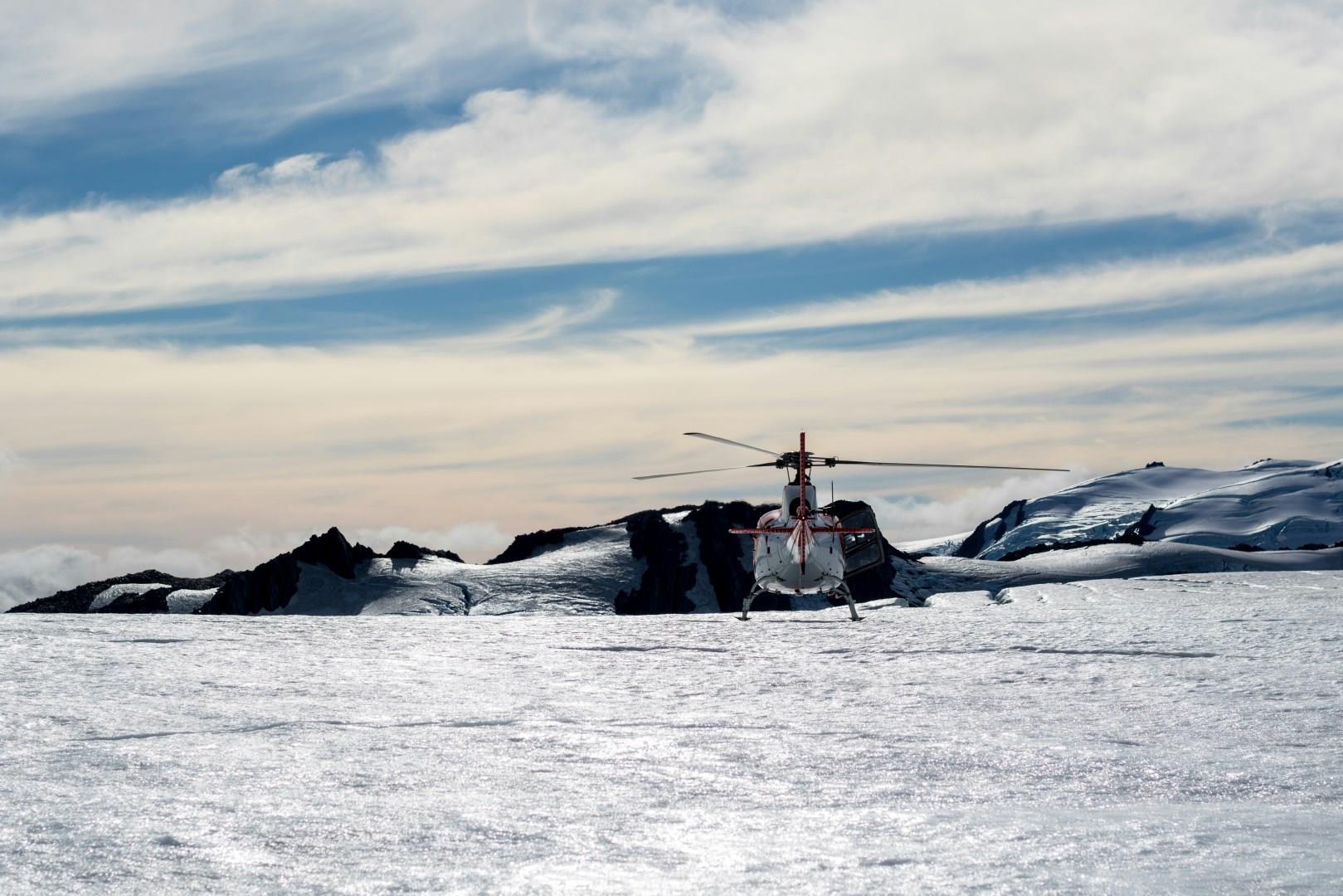
Fox Glacier
Fox Glacier, on New Zealand’s South Island, is one of the country’s most remarkable natural wonders, where icy landscapes meet lush rainforest. Named after Sir William Fox, a 19th-century Prime Minister of New Zealand, the glacier stretches from the high peaks of the Southern Alps down into temperate rainforest.
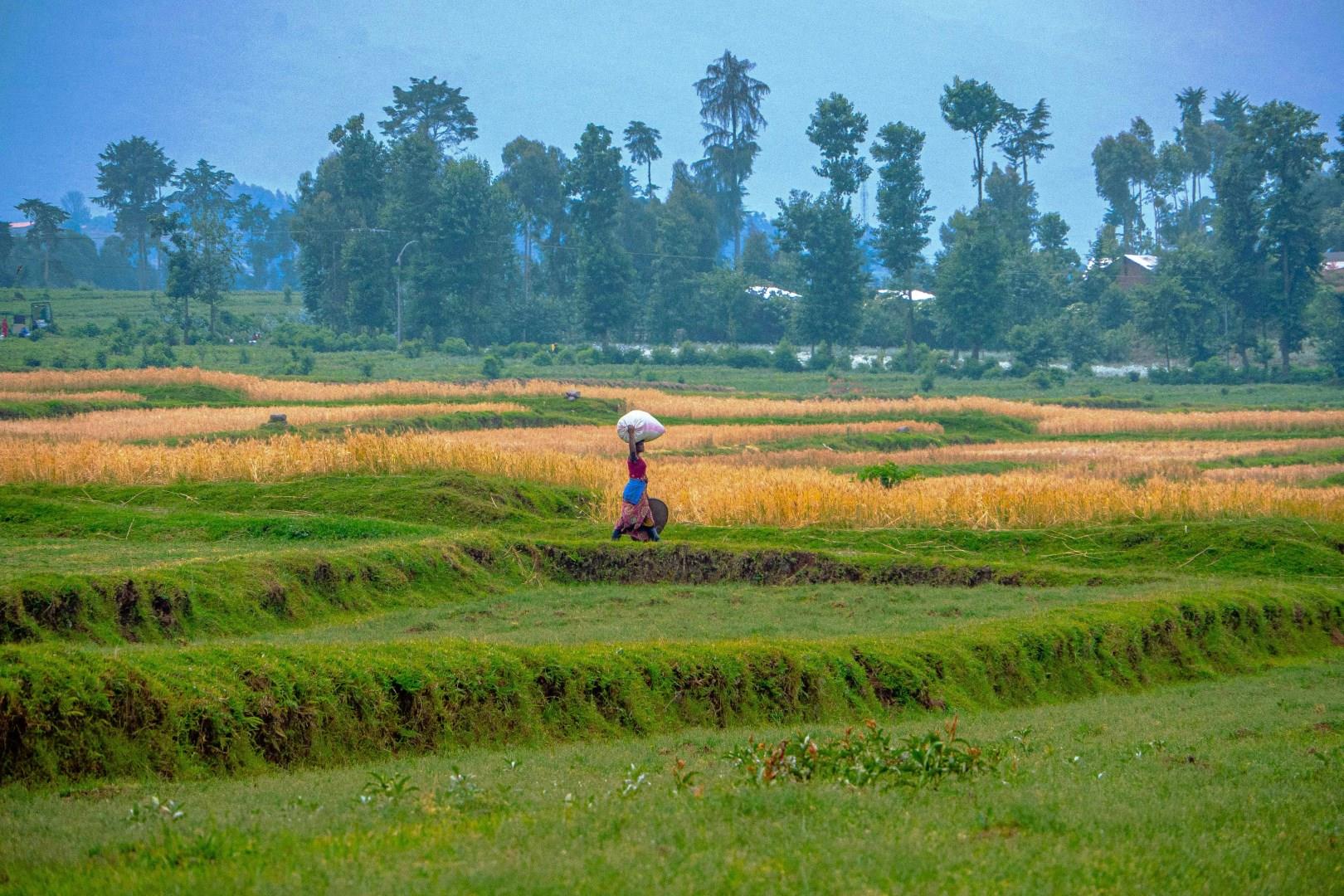
Ruhengeri
Ruhengeri, officially known as Musanze, lies in northern Rwanda at the foothills of the Virunga Mountains. The town has long served as a gateway between Rwanda and neighboring Uganda and the Democratic Republic of the Congo, giving it both strategic and cultural importance.

Honduras
Honduras, located in the heart of Central America, is a destination that offers both hidden treasures and well-known wonders. The country’s history is deeply tied to the ancient Maya civilization, with the ruins of Copán, a UNESCO World Heritage Site, standing as one of the most impressive archaeological sites in the region.
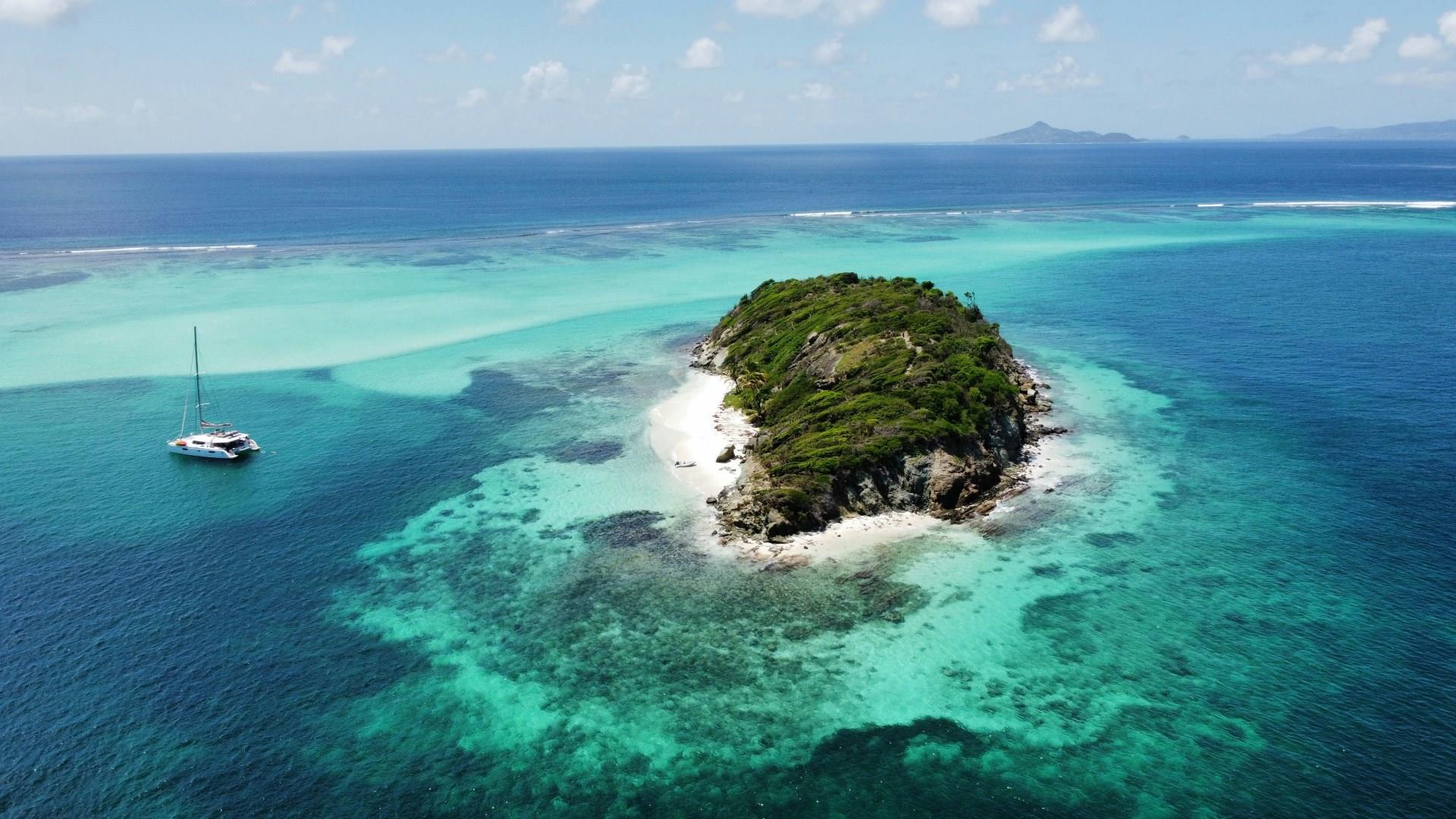
Tobago Cays
The Tobago Cays are a small cluster of uninhabited islands and reefs in the Southern Grenadines, known for their crystalline waters, coral formations, and vibrant marine life.
