

Vang Vieng
Vang Vieng, nestled along the banks of the Nam Song River in central Laos, is an adventurer's paradise surrounded by stunning limestone karsts and verdant landscapes. Known for its laid-back atmosphere and natural beauty, this small town has transformed from a backpacker haven into a more sophisticated destination offering a mix of adventure, relaxation, and cultural experiences.
Varanasi
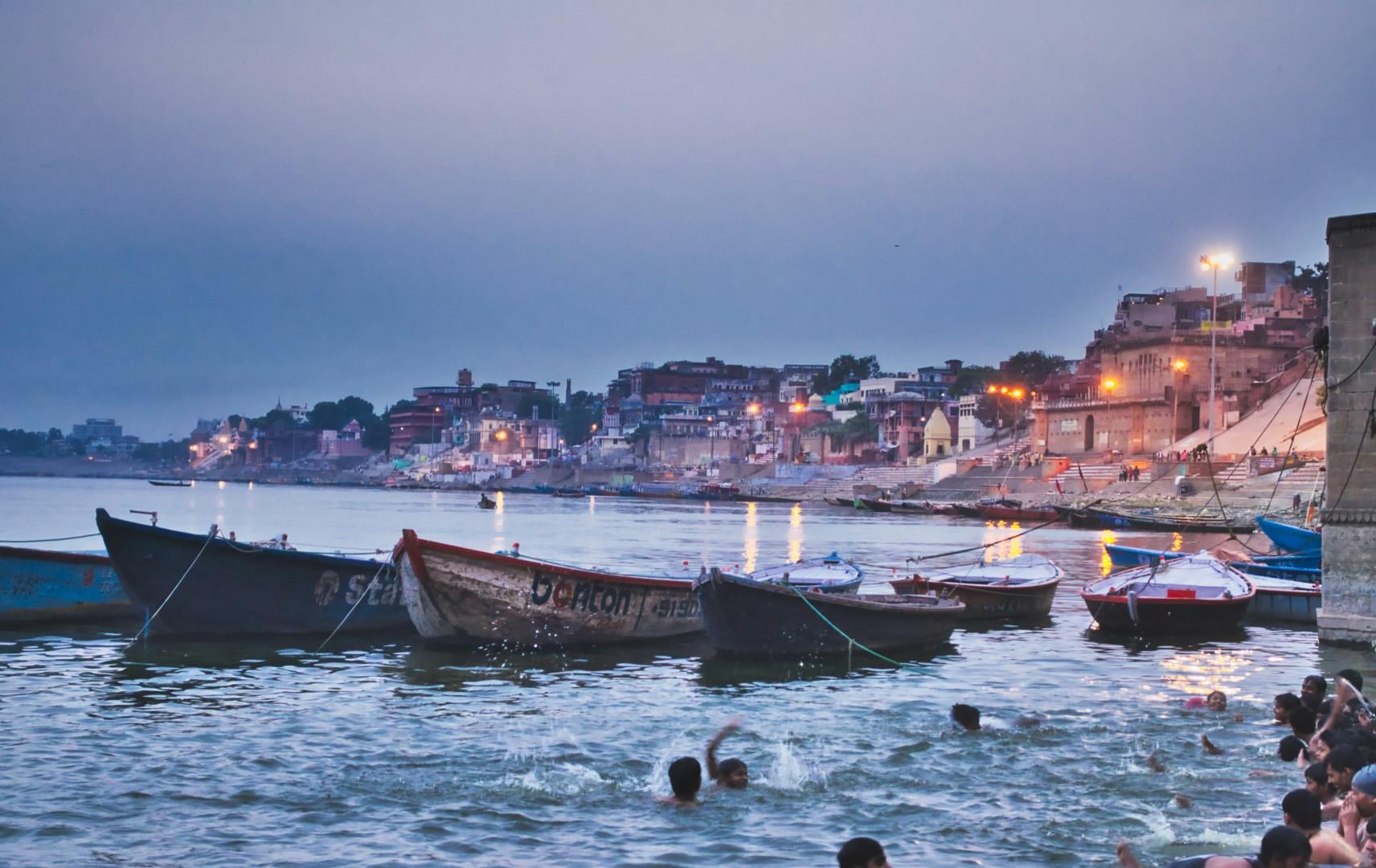
Varanasi sits along the sacred Ganges River in northern India as one of the oldest continuously inhabited cities in the world. It is a place where daily life and rituals flow together on the long stone steps called ghats that reach down to the water. Visitors often rise early for a sunrise boat ride, watching as light spreads across the river and pilgrims make gentle offerings to the water.

Muscat
Travelers on the Arabian Sea often find themselves in Muscat, on the Gulf of Oman. This port capital is situated between ocean and mountains, and boasts lovely beaches, great diving sites (watch for turtles!), 16th-century forts, and the impressive Sultan Qaboos Grand Mosque, which can hold 20,000 people.

Karpathos
Karpathos is marked by the peculiar Karpathian houses, built of carved stone, full of embroidery and characteristic interior decorations. From Pigadia you may visit Kyra Panagia, a picturesque bay with a marvelous beach and a monastery of the same name. A little further, on the northern promontory of Karpathos, lies the Diafani village; on the nearby little island of Saria we see Palatia, with ruins of the ancient city of Nisyros.

Tahiti
Tahiti is a veritable paradise in the South Pacific. The largest and most populous island of French Polynesia's Society Islands, Tahiti is known for its iconic overwater bungalows, crystal-clear cerulean water, and lush, tropical rainforests.
