
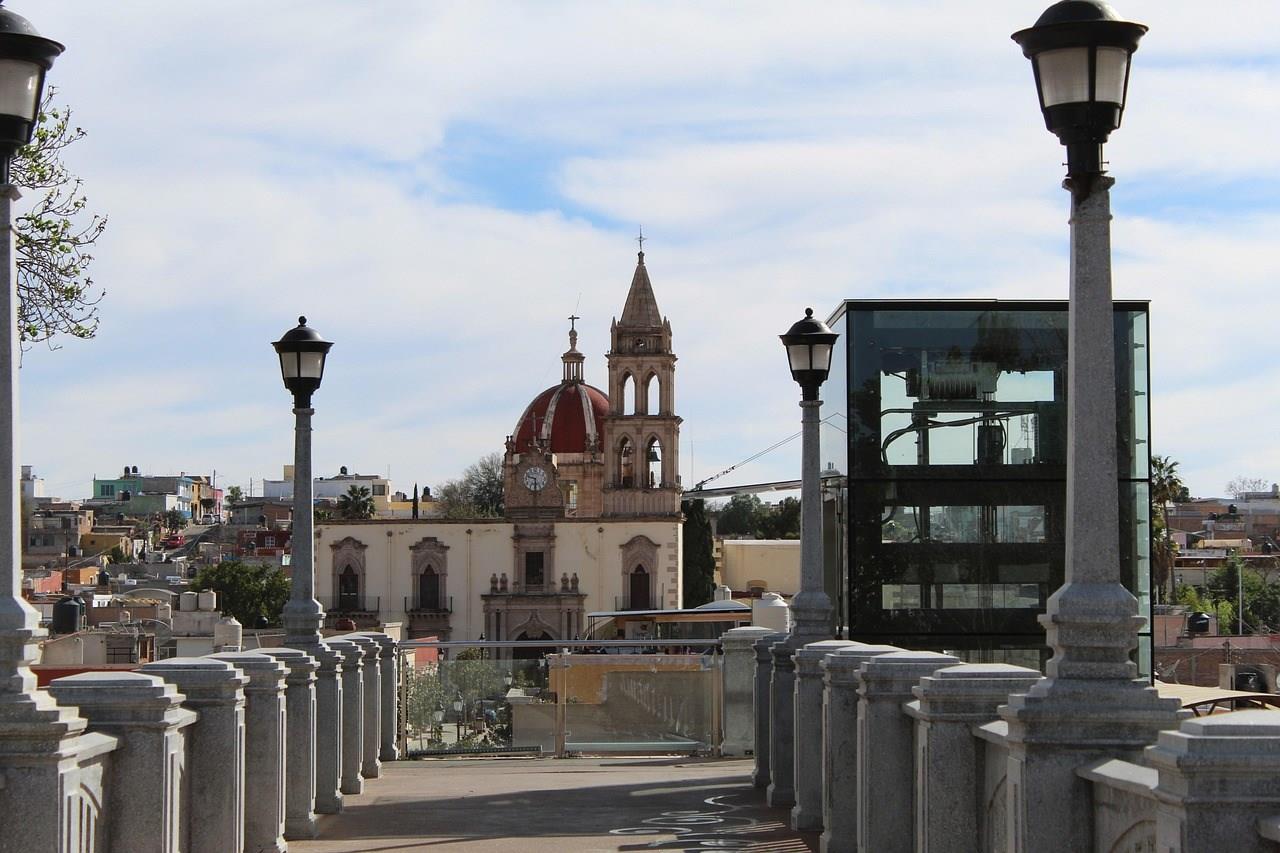
Durango
Victoria de Durango rises on a high plateau Mexico’s Sierra Madre Occidental, founded in 1563 by Francisco de Ibarra. Its streets trace layers of history: the historic center holds the most listed buildings in northern Mexico and remains a notable stop on the Camino Real de Tierra Adentro, now a UNESCO World Heritage route.

Agrigento
Agrigento, located on the southern coast of Sicily, is a city steeped in history and renowned for its ancient Greek ruins. The crown jewel of Agrigento is the Valley of the Temples, a UNESCO World Heritage Site and one of the most spectacular archaeological sites in the Mediterranean. Visitors can marvel at the remarkably preserved Temple of Concordia, which dates back to the 5th century BC and is considered one of the best-preserved Greek temples in the world.
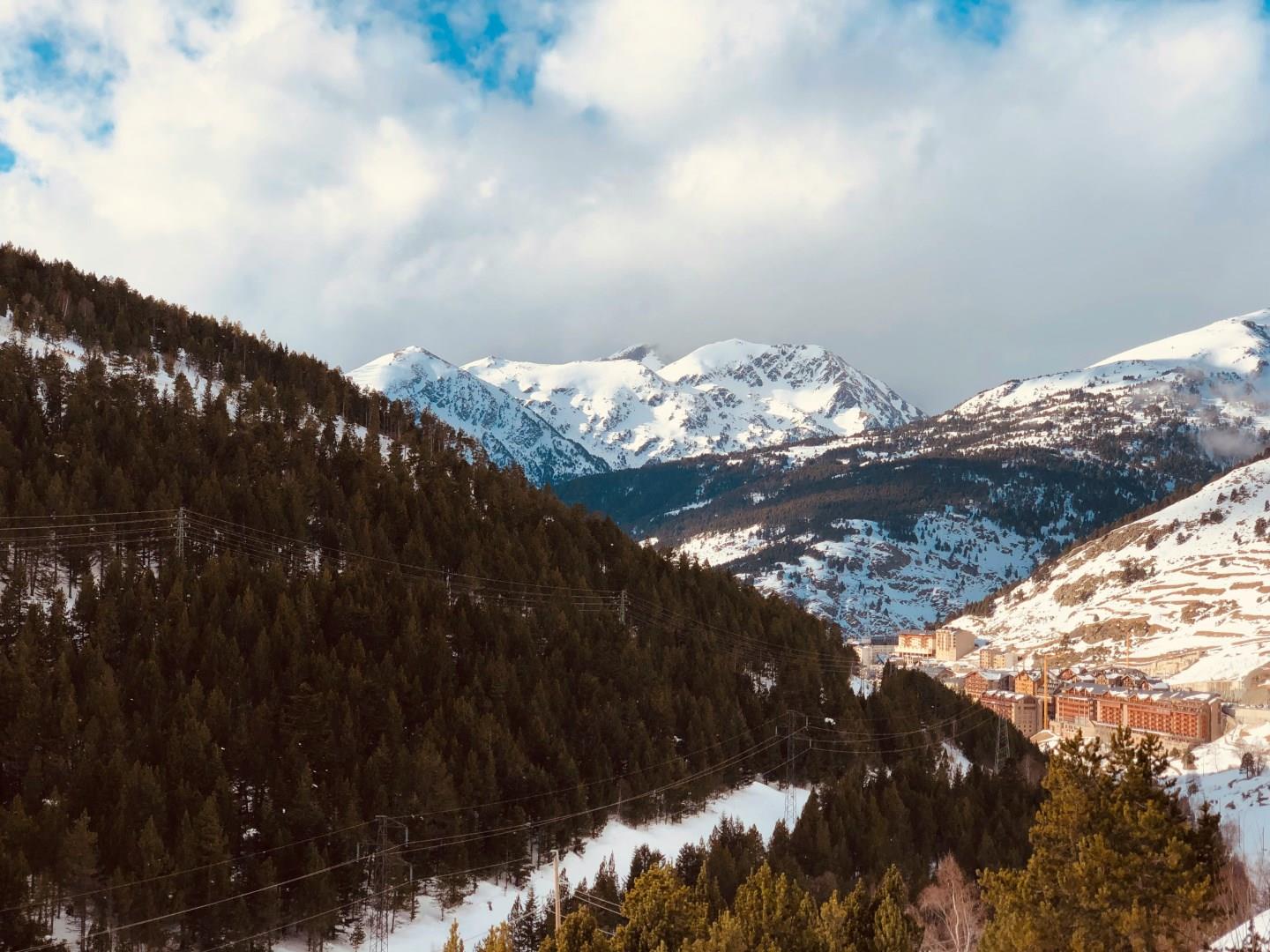
Soldeu
Nestled high in the Pyrenees, Soldeu is a mountain village in the principality of Andorra, best known for its access to Grandvalira, which is one of the largest ski areas in Southern Europe. At 1,800 meters above sea level, Soldeu has grown from a quiet farming village into a winter destination with over 200 kilometers of slopes. It hosted World Cup alpine ski races in 2019 and is scheduled to host the Finals again in 2029.

Zimbabwe
Zimbabwe, located in the heart of Southern Africa, is a country defined by dramatic landscapes and a rich cultural heritage. The country’s diverse geography includes sweeping savannas, lush national parks, and striking mountain ranges.

Olomouc
Olomouc, a captivating city in the Czech Republic, offers a blend of historical charm and vibrant culture. The city’s centerpiece is the Holy Trinity Column, a UNESCO World Heritage Site and a stunning example of Baroque architecture. Erected in the 18th century to commemorate the end of the plague, this intricate monument features elaborate sculptures and exquisite details that make it a must-see source.
