
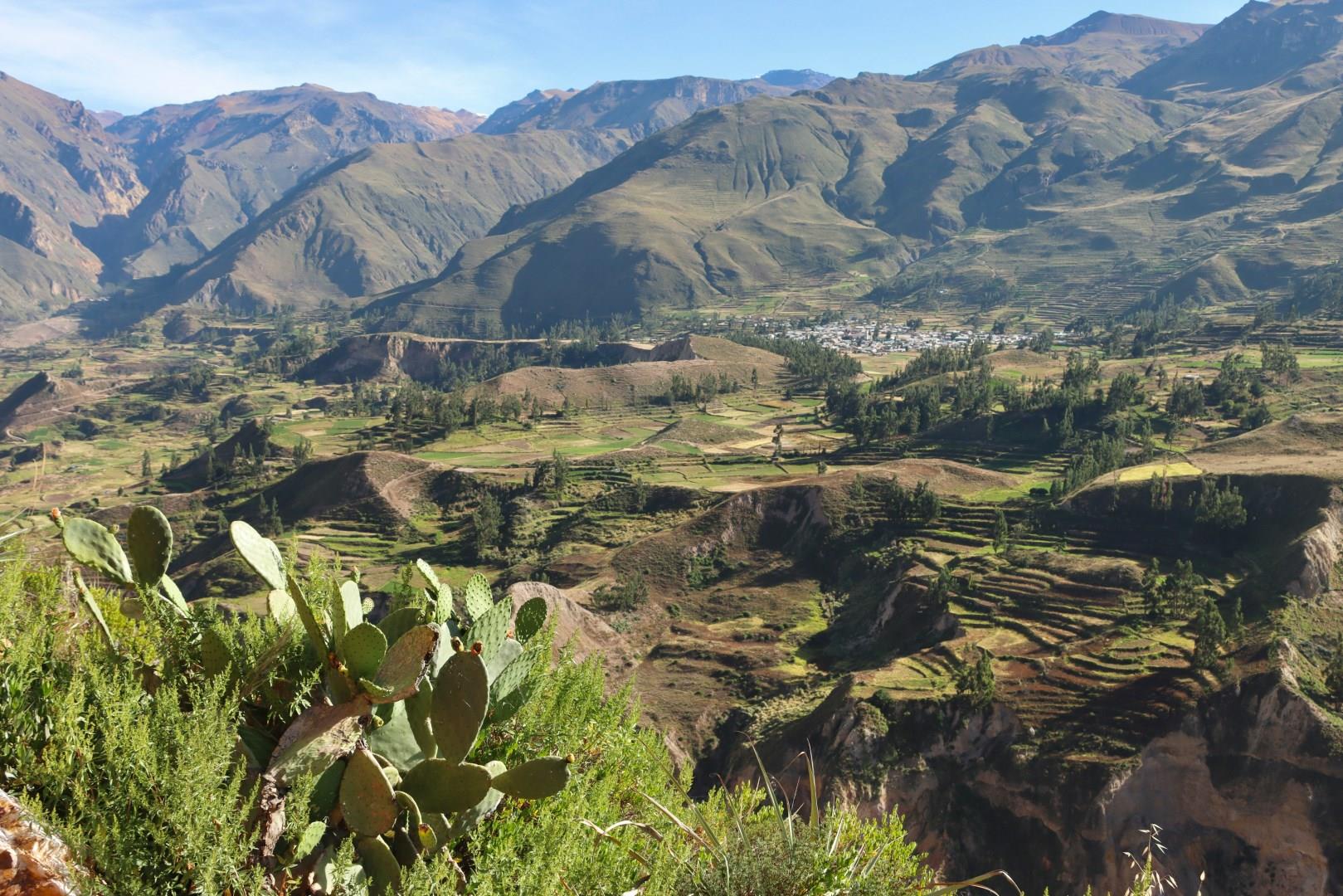
Colca Canyon
Colca Canyon, located in southern Peru’s Arequipa region, is one of the deepest canyons in the world, twice as deep as the Grand Canyon in some areas. What makes it stand out even more is how human settlements have coexisted with the landscape for centuries. Along its walls, pre-Inca agricultural terraces still hold crops like corn and quinoa. One of the main draws of the canyon is the opportunity to see Andean condors in flight.

Victoria
Victoria, the capital of Seychelles, is often described as one of the world’s smallest capitals, yet it brims with color and character. Located on Mahé Island, the city is both a cultural hub and a gateway to the surrounding beaches and mountains.
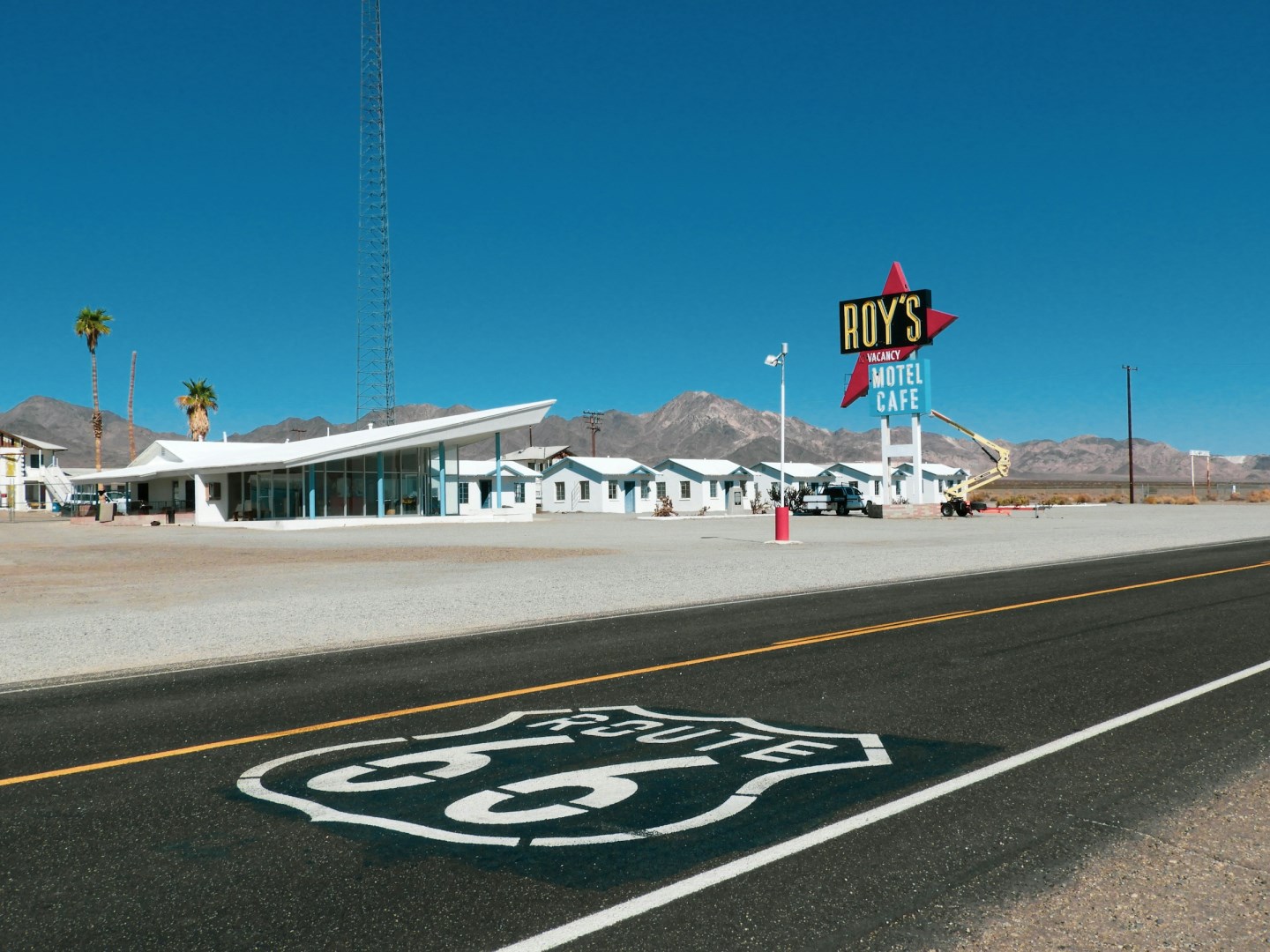
Amboy
Amboy is a small desert community in San Bernardino County, California, located along the historic U.S. Route 66 in the Mojave Desert. The settlement sits near Amboy Crater, a broad volcanic cinder cone rising from a largely open lava field. Its isolated location and surviving roadside structures provide a clear sense of the distances once traveled by motorists crossing the desert.
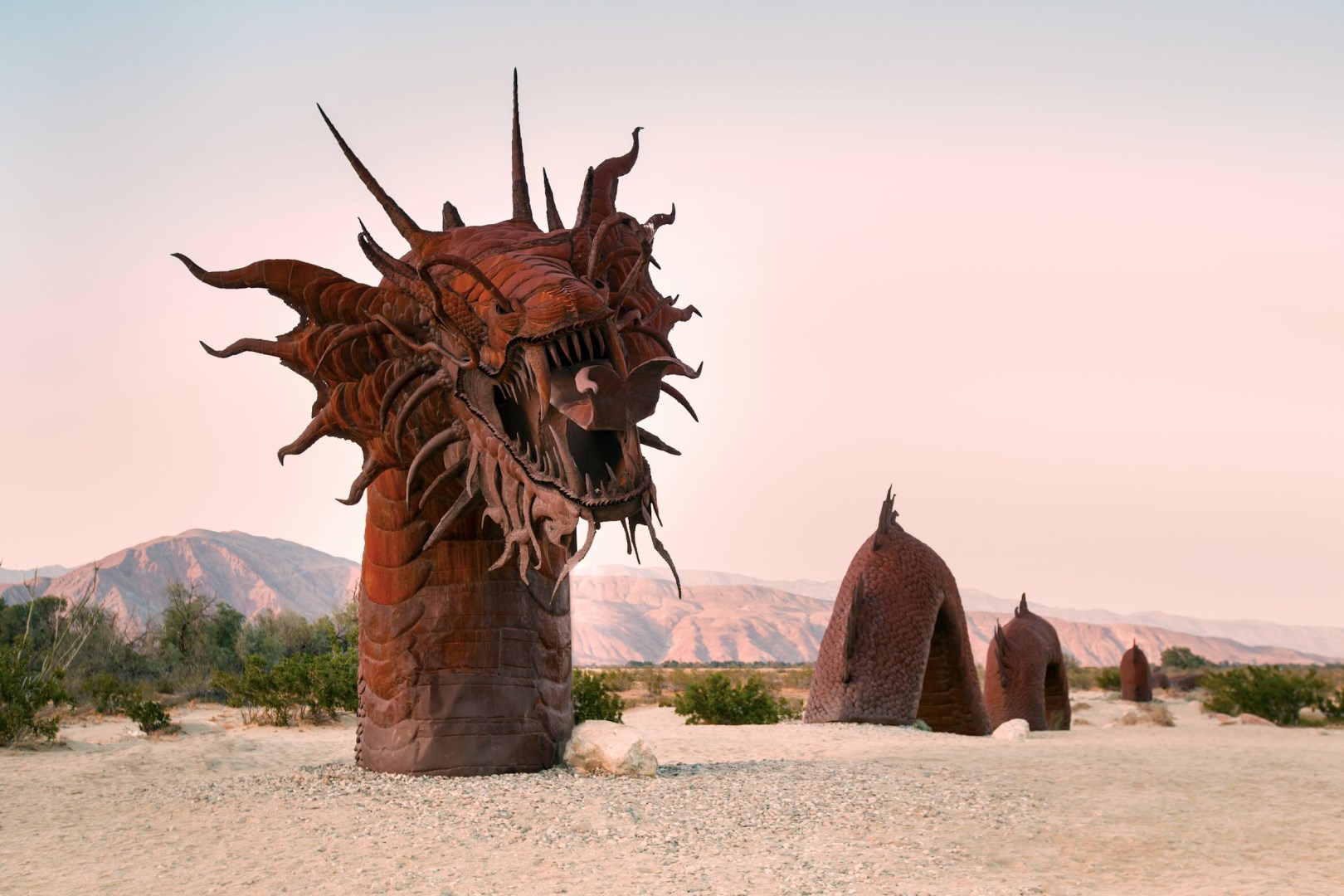
Anza-Borrego Desert State Park
Anza-Borrego Desert State Park occupies a large area of southeastern California, extending across the Colorado Desert east of San Diego County. It is California’s largest state park and contains a varied desert landscape of broad valleys, badlands, rocky mountains, palm oases, dry washes, and sandy plains. The park takes its name from Spanish explorer Juan Bautista de Anza and the Spanish word for bighorn sheep.

Qatar
Qatar invites discovery through both its modern ambition and traces of its desert heritage. In Doha, the Museum of Islamic Art, designed by I. M. Pei, rises over the waterfront to display centuries of calligraphy, ceramics, textiles, and metalwork. Nearby, the National Museum of Qatar presents the nation's story through exhibits and architecture shaped like the desert rose. Each space offers both insight and reflection.
