

Inyeug
Inyeug, more commonly known as Mystery Island, is a tiny, uninhabited islet off the coast of Aneityum in Vanuatu’s southernmost province. Measuring just 1.5 kilometers long, the island is completely free of roads, shops, and electricity. What it offers instead is pure seclusion and untouched beauty. Cruise ships often anchor offshore, bringing day visitors to its white-sand beaches and shallow coral lagoons, but once they depart, the island returns to stillness.
Te Anau
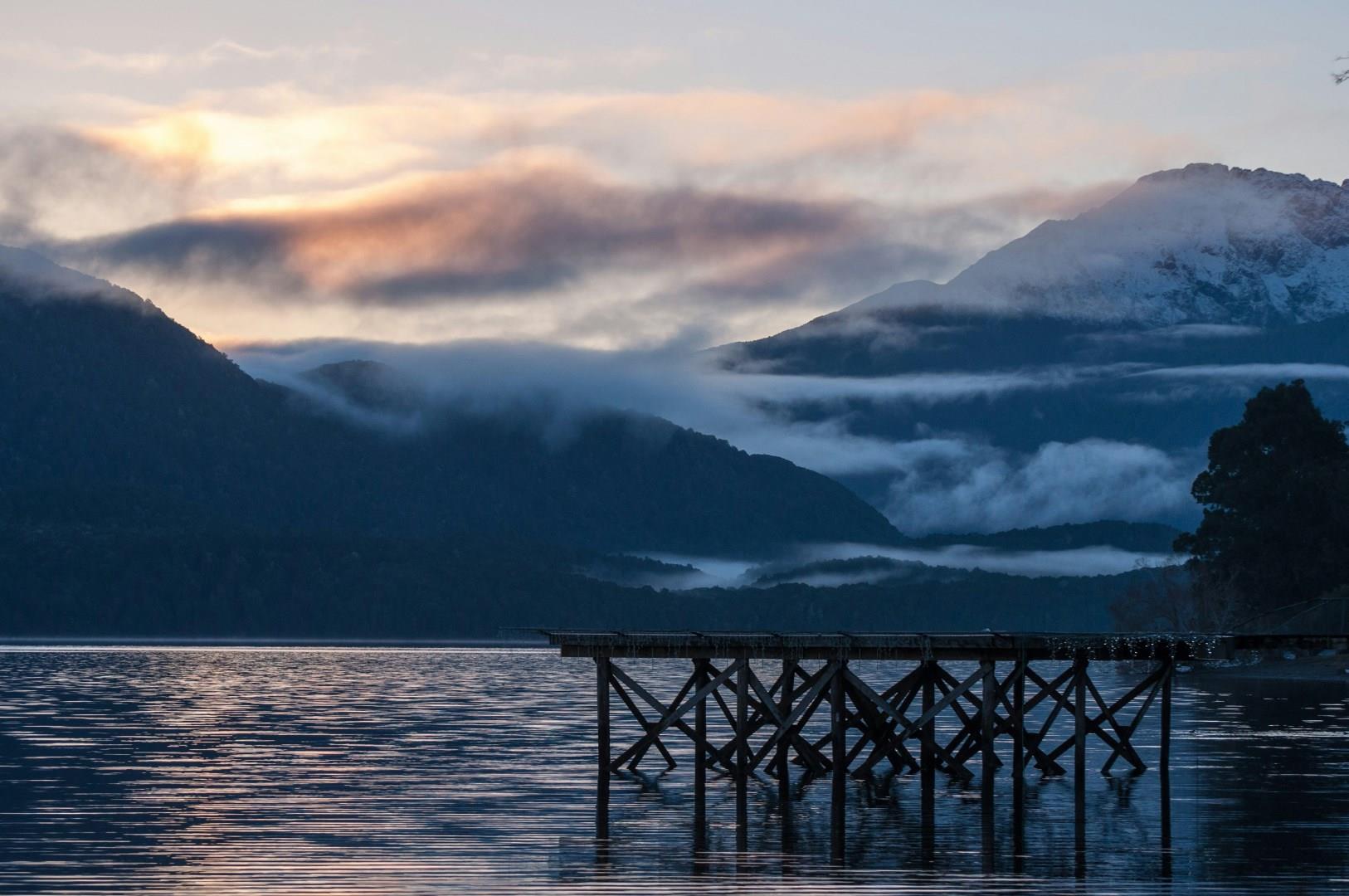
Te Anau sits on the edge of New Zealand’s second-largest lake, acting as the unofficial gateway to Fiordland National Park. While it’s often viewed as a starting point for trips to Milford Sound, the town itself offers a slower, more scenic way to experience the South Island’s dramatic landscapes. Te Anau’s lakefront is a mix of walking paths, local birdlife, and wide-open views across snow-dusted peaks.
Vanua Balavu Island
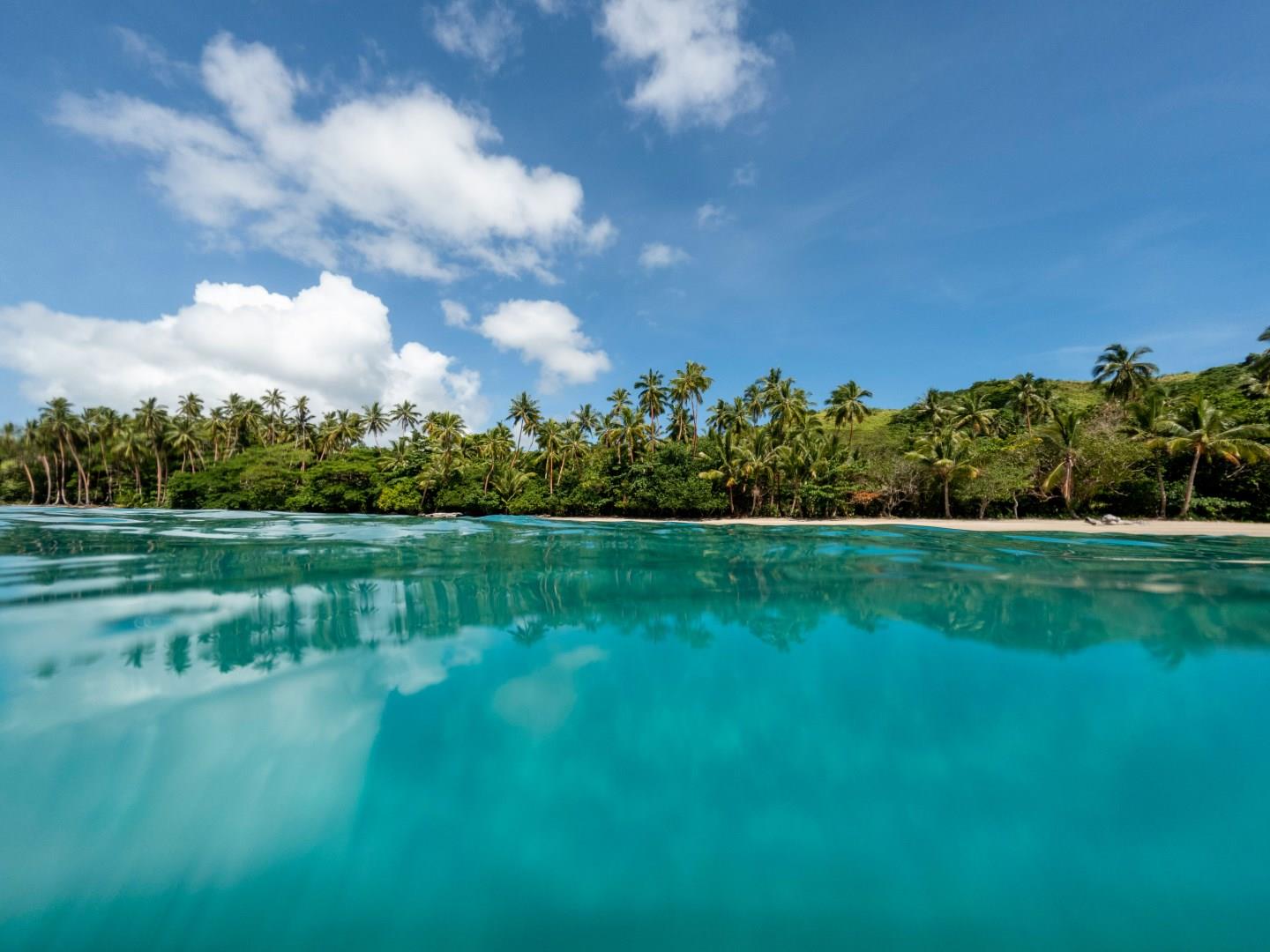
Vanua Balavu is one of the Lau Islands in eastern Fiji, a secluded gem where traditional Fijian culture and natural beauty flourish in harmony. Surrounded by turquoise waters and coral reefs, the island offers a serene escape from bustling tourist areas, with small villages, coconut groves, and rugged hills shaping its peaceful landscape.
Areguá
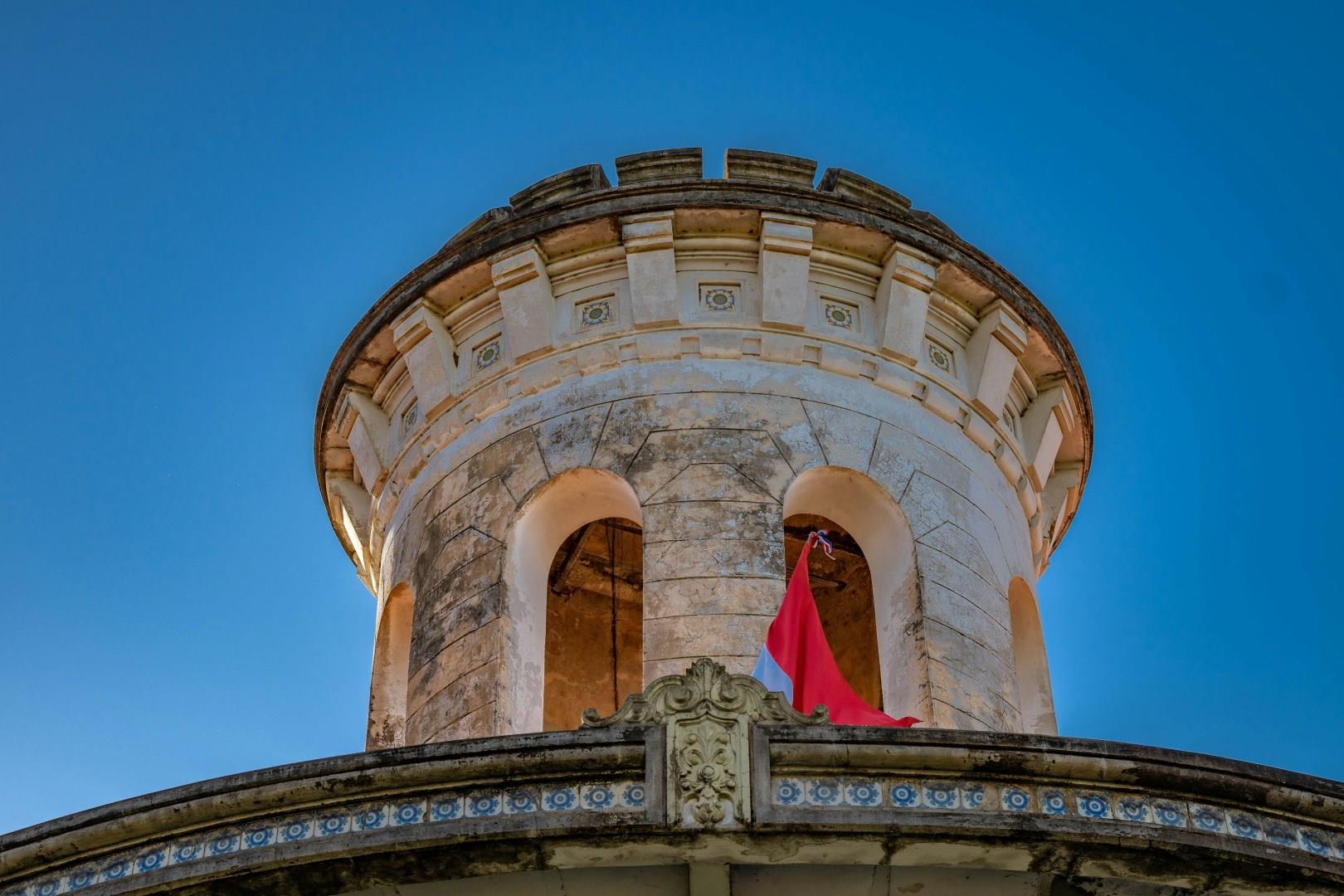
Just 30 kilometers from Asunción, Areguá welcomes visitors with cobbled streets, colonial facades, and a creative energy that has earned it the title of Paraguay’s “City of Arts.” Known for its thriving artist community and traditional crafts, Areguá is perched on the edge of Lake Ypacaraí and framed by rolling hills and red clay cliffs. Whether you're arriving for the annual strawberry fair or simply passing through on a weekend escape, Areguá invites slow walks, open studios, and conversation.

Lake Titicaca
Lake Titicaca, perched at over 3,800 meters above sea level, is the highest navigable lake in the world and a place where ancient stories still echo across the water. Shared by Bolivia and Peru, this lake has long been considered sacred by the Andean peoples. According to Inca legend, it was from Titicaca’s deep blue waters that the first humans were created. Today, the lake remains a center of cultural tradition, spiritual significance, and daily life for many who live along its shores.
