

St. Thomas
St. Thomas, the gateway to the U.S. Virgin Islands, is a vibrant mix of history, culture, and Caribbean charm. Its capital, Charlotte Amalie, features a waterfront lined with pastel-colored colonial buildings, narrow cobblestone streets, and historic forts such as Fort Christian, which offer glimpses into the island’s Danish colonial past.
Grand Junction
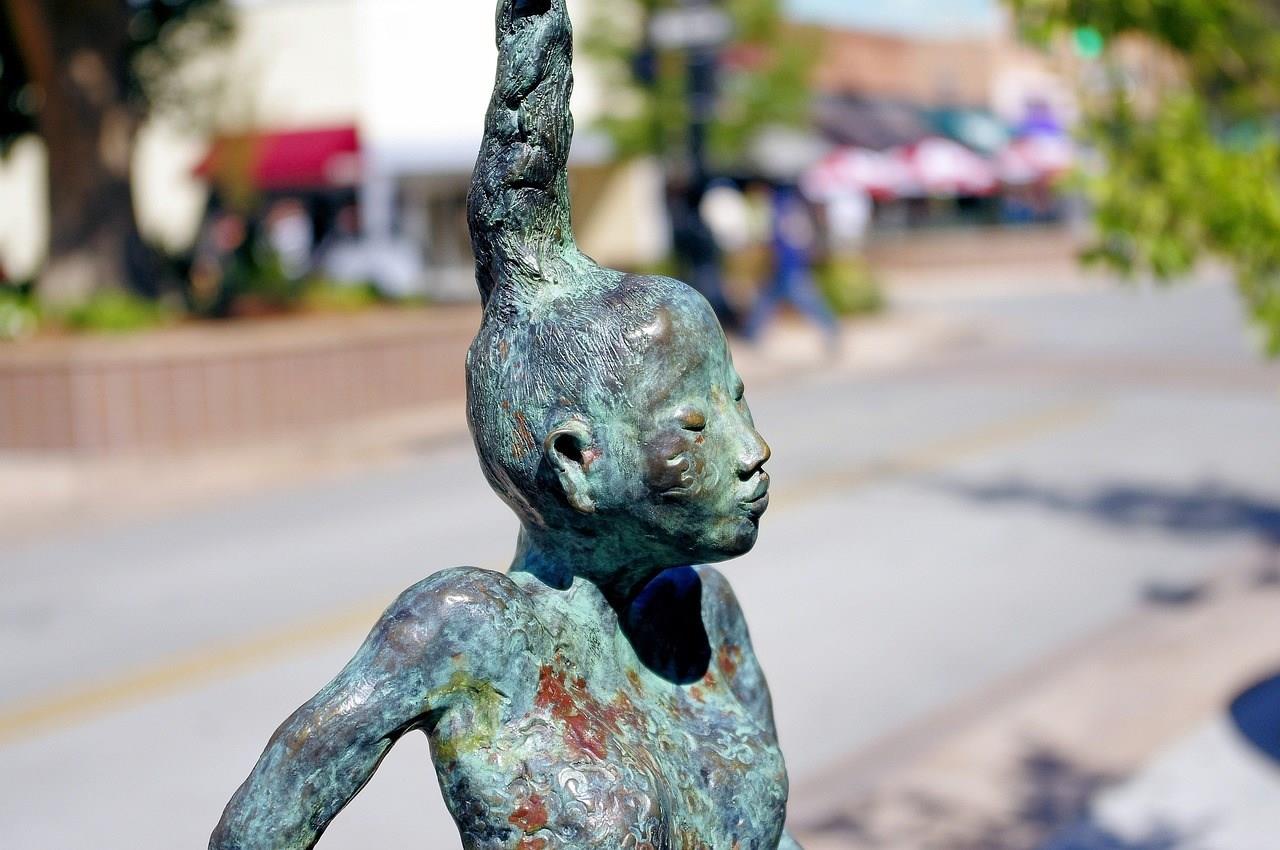
Grand Junction, located on Colorado’s Western Slope, is a destination where desert canyons meet fertile vineyards and rugged plateaus overlook winding rivers. The town sits at the junction of the Colorado and Gunnison Rivers, which historically made it a vital meeting point for Native American tribes, trappers, and settlers. Today, visitors come for its striking landscapes, laid-back pace, and a growing food and wine scene that's putting this region on the map for more than just its scenery.
Yerevan
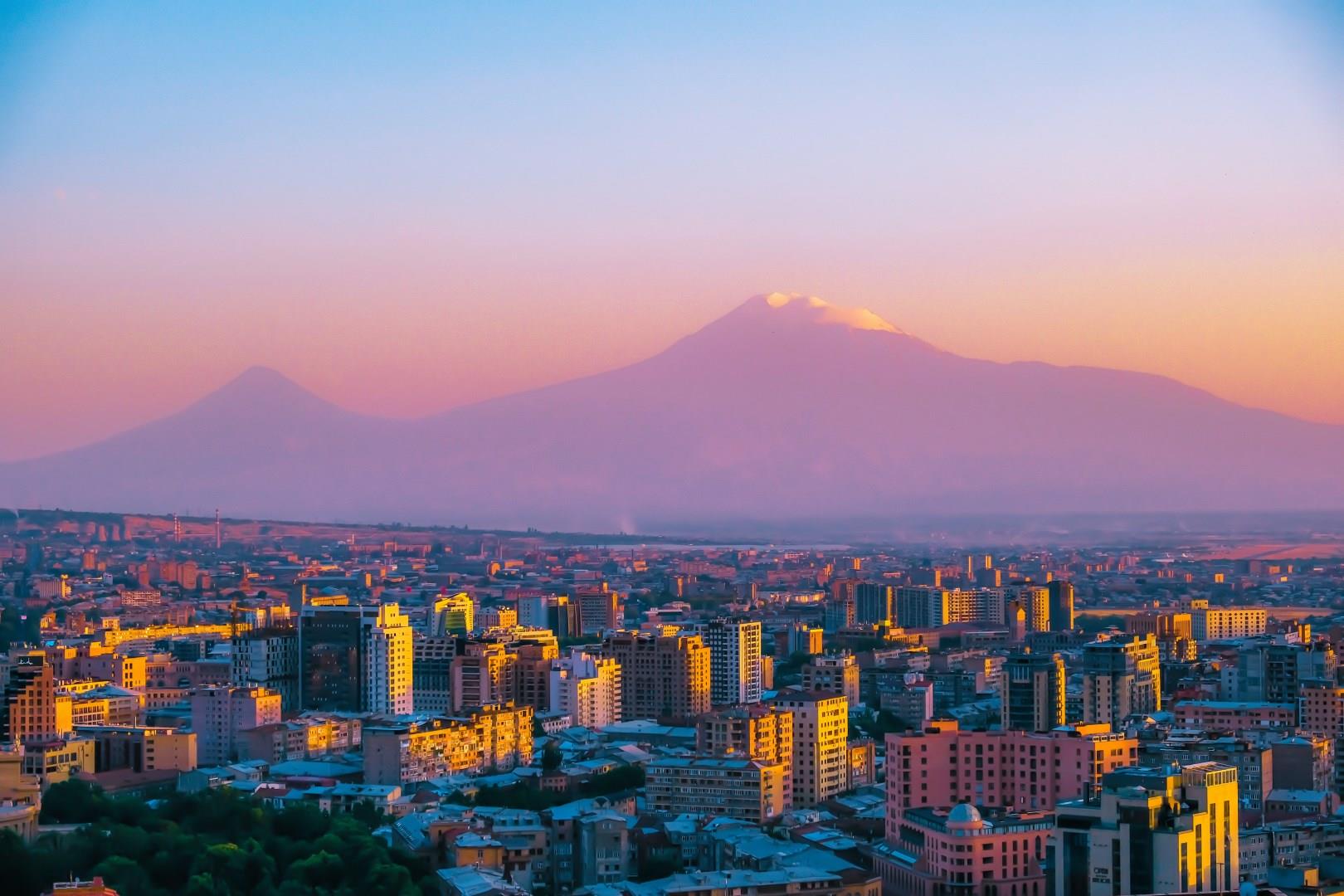
Yerevan, the capital of Armenia, is one of the oldest continuously inhabited cities in the world, with a history stretching back more than 2,800 years. Despite its ancient roots, it feels vibrant and modern, with wide boulevards, lively cafes, and an ever-present view of the majestic Mount Ararat on the horizon.
Villahermosa
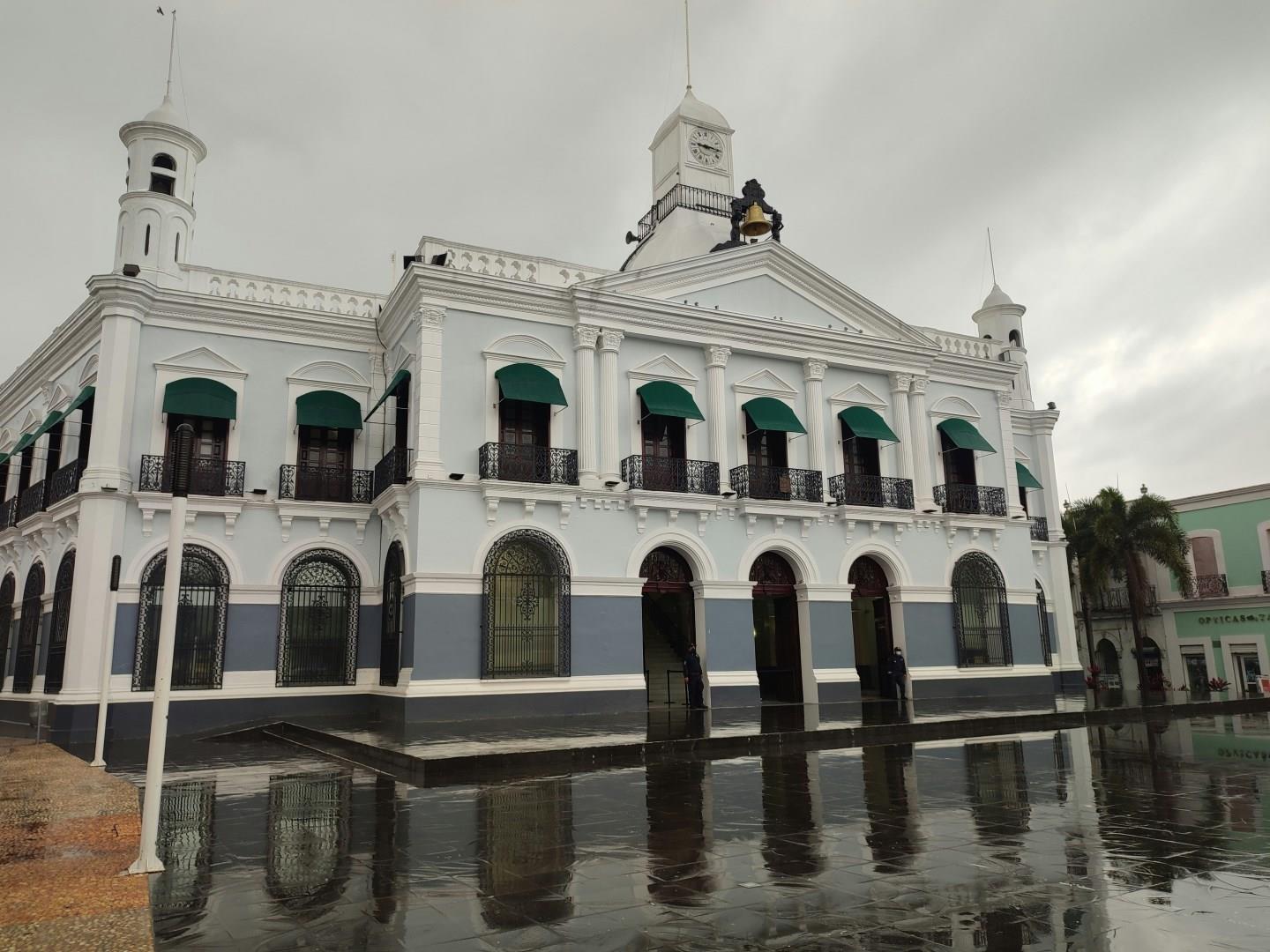
Villahermosa, the capital of Tabasco, is a city where ancient civilizations, tropical landscapes, and modern life intersect. Known as the “gateway to the Mayan world,” the city sits on the banks of the Grijalva River and serves as a cultural hub for southeastern Mexico. One of its most unique attractions is Parque-Museo La Venta, an open-air museum that blends archaeology with a jungle setting.
Kapaa, Kauai
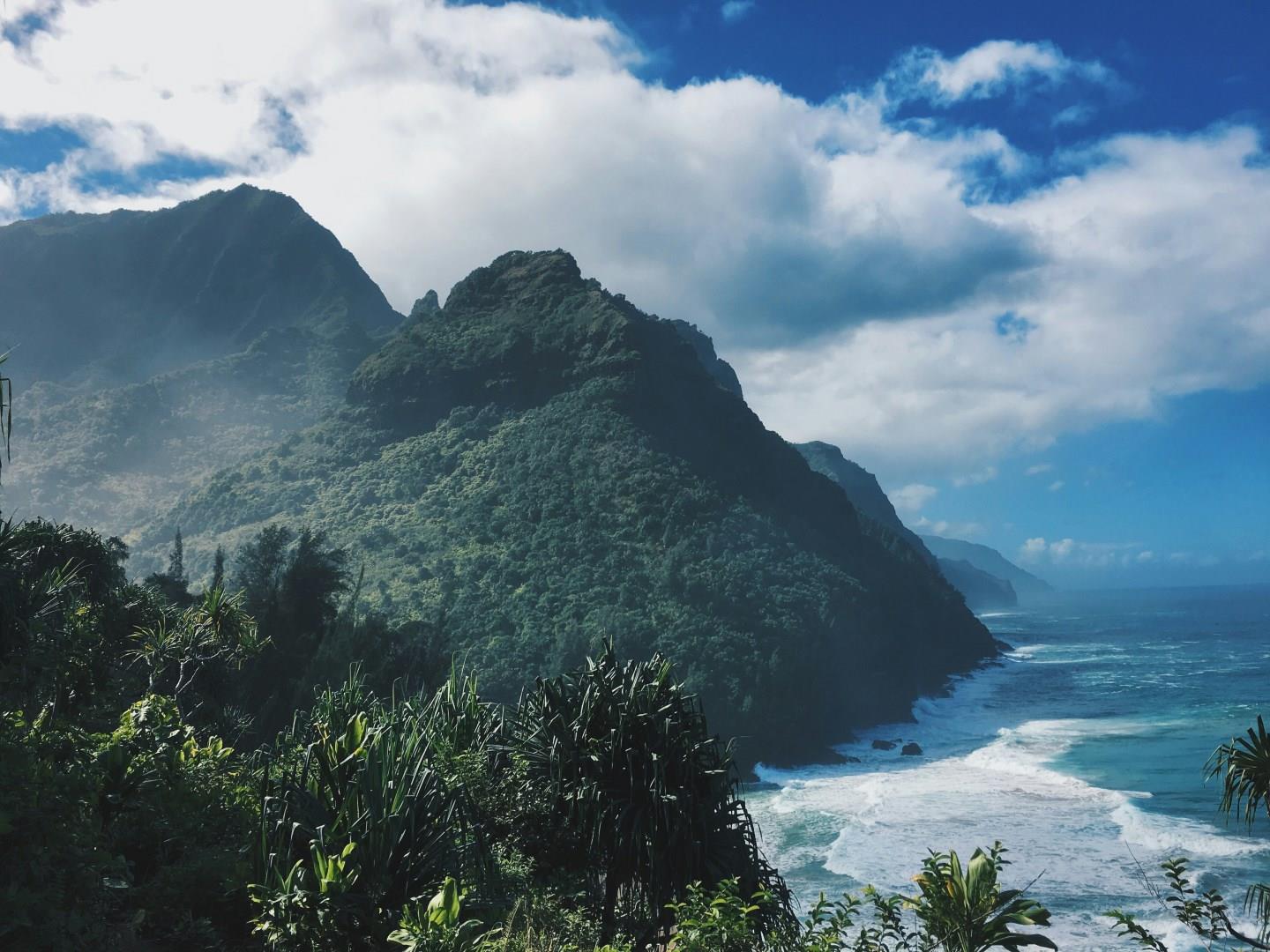
Kapaa, a coastal town on the east side of Kauai, offers a laid-back alternative to Hawaii’s more developed resort areas. Despite its small size, Kapaa is one of the most populated towns on the island, making it a central hub for exploring the Coconut Coast, a stretch of shoreline dotted with towering palms and scenic overlooks.
