
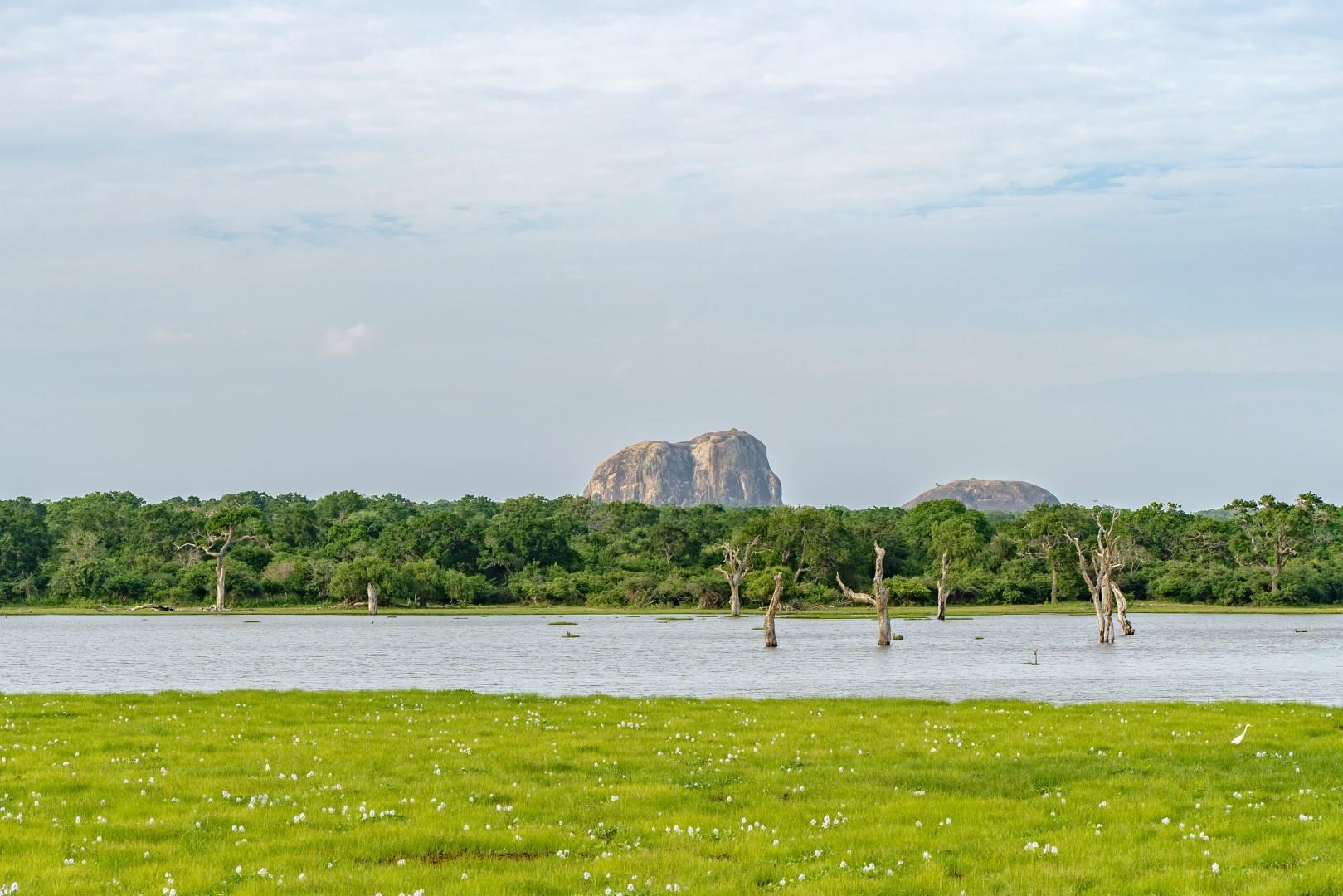
Yala National Park
Yala National Park sprawls across Sri Lanka’s southeast, where dry plains meet lagoons and the Indian Ocean’s shoreline. It is one of the country’s oldest protected areas, first set aside as a wildlife reserve in 1900 and later declared a national park in 1938, and today invites travelers to see life thrive in a wide range of landscapes, from scrubland to sandy beaches.
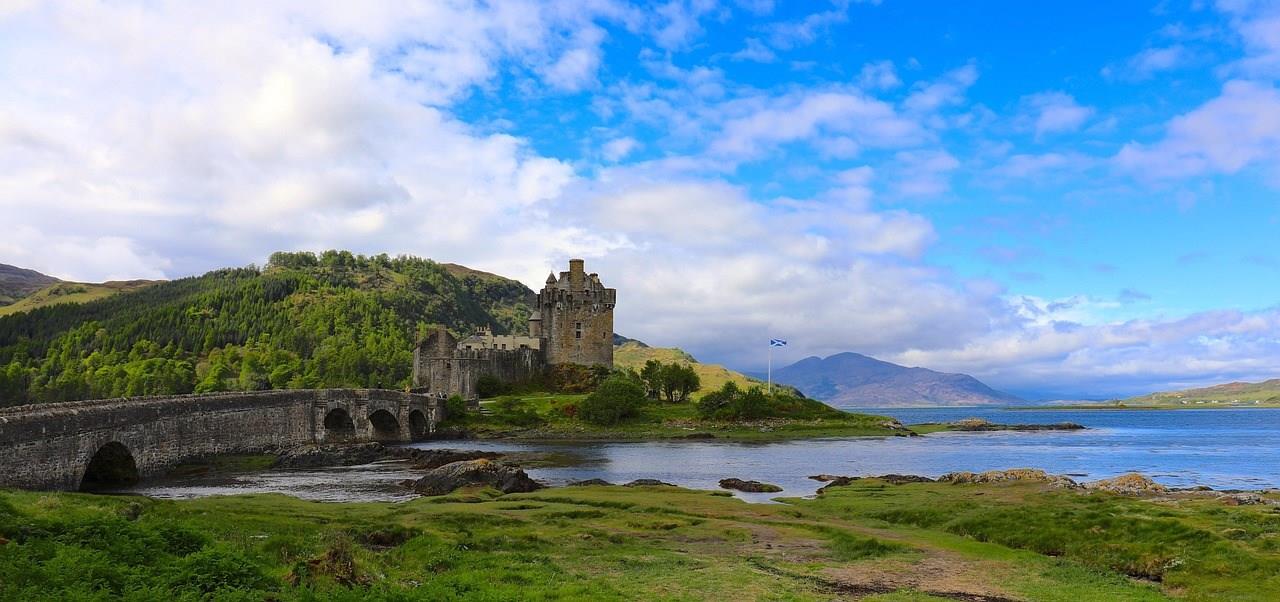
Kyle of Lochalsh
Kyle of Lochalsh, located on the west coast of the Scottish Highlands, serves as a gateway to the Isle of Skye via the Skye Bridge, but the village itself deserves more than a passing glance. Once the terminus of the Highland Railway, the town still welcomes visitors by train on one of the UK’s most scenic routes. The line from Inverness to Kyle passes through remote glens, past lochs and mountain ranges, ending just steps from the waterfront.
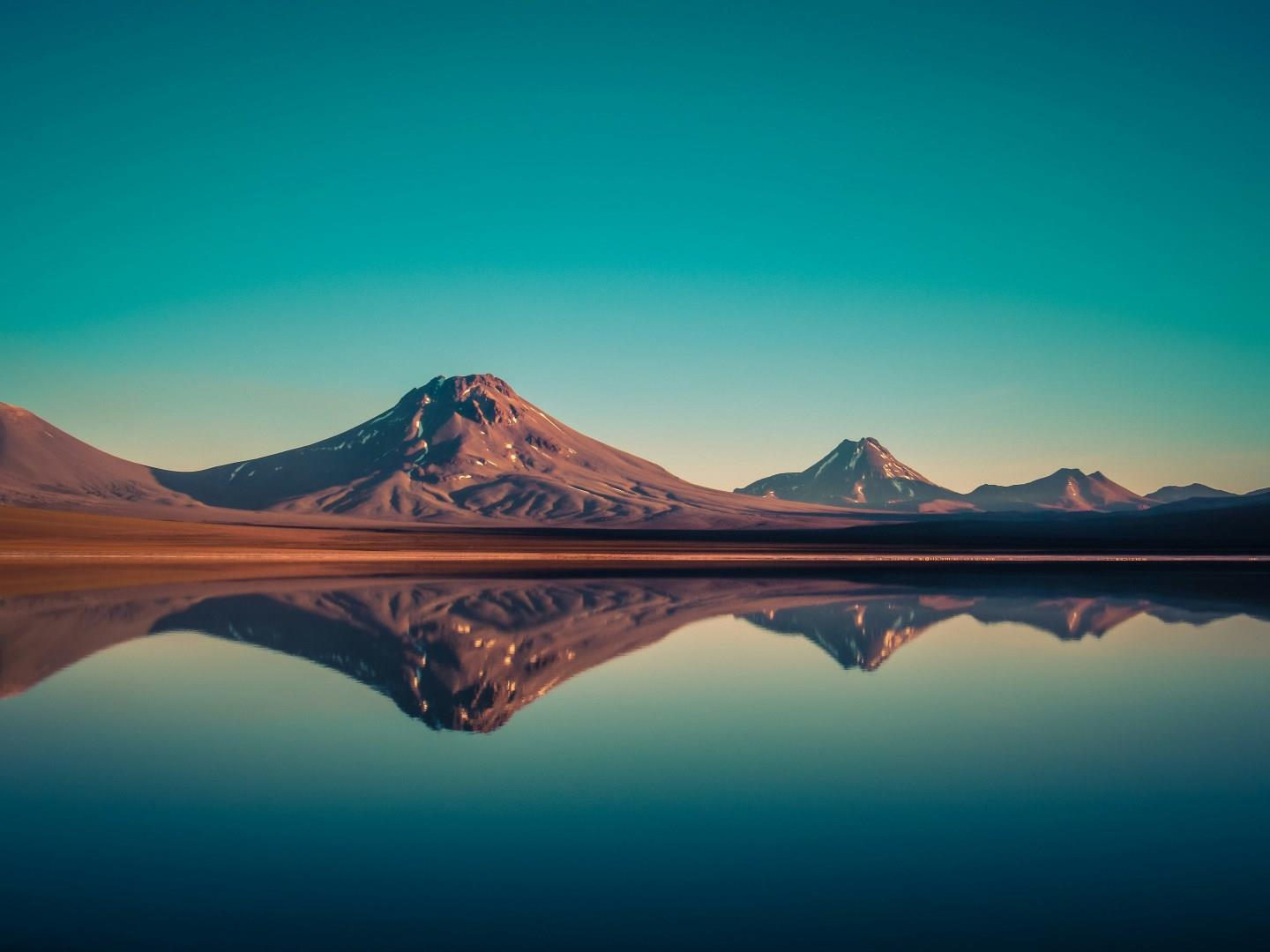
San Pedro De Atacama
San Pedro de Atacama, a small town in northern Chile, sits at over 2,400 meters above sea level in one of the most geologically diverse areas on Earth. Surrounded by volcanoes, salt flats, geysers, and ancient lava flows, it has long served as a gateway to the Atacama Desert. This desert is the driest non-polar place in the world, where some weather stations have never recorded rainfall.

Koblenz
This 2,000-year-old city, where the Teutonic Order founded one of its first commanderies in the 13th century, lies on the convergence of the Moselle and Rhine Rivers.
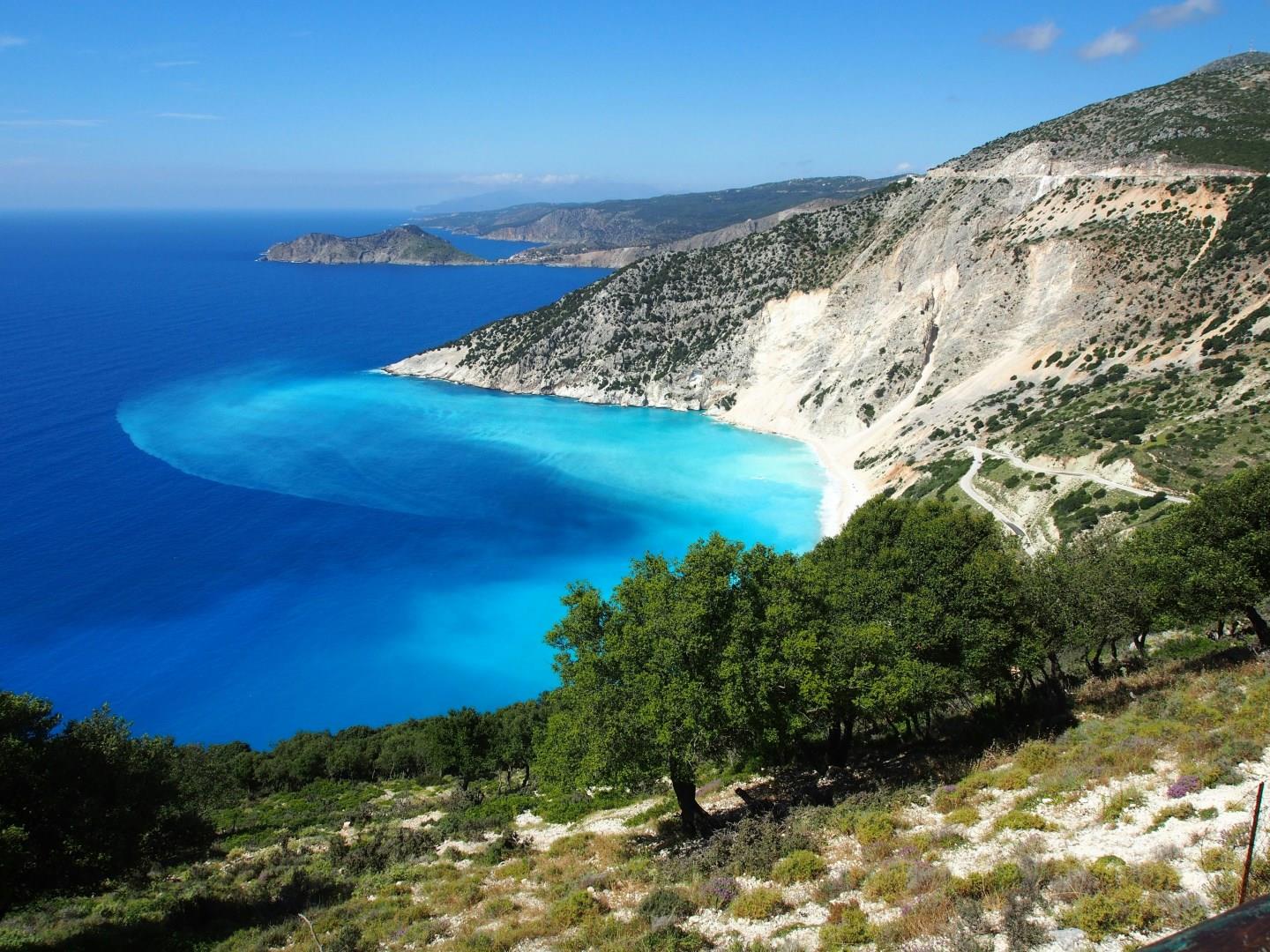
Argostoli
Argostoli sits on the west coast of Kefalonia, Greece’s largest Ionian Island, where a natural harbor meets the Koutavos Lagoon and a waterfront lined with cafés, tavernas, and shops. As the island’s capital, Argostoli blends everyday island life with moments of surprise, from sea turtles surfacing by fishing boats at dawn to historic sites hidden among palm trees and pedestrian streets.
