

Antwerp
A major port city on the River Scheldt, Antwerp, Belgium, is a cultural, historical, and commercial hub and the country's most populous city. Known as the "diamond capital of the world," Antwerp is renowned for its cut diamonds.
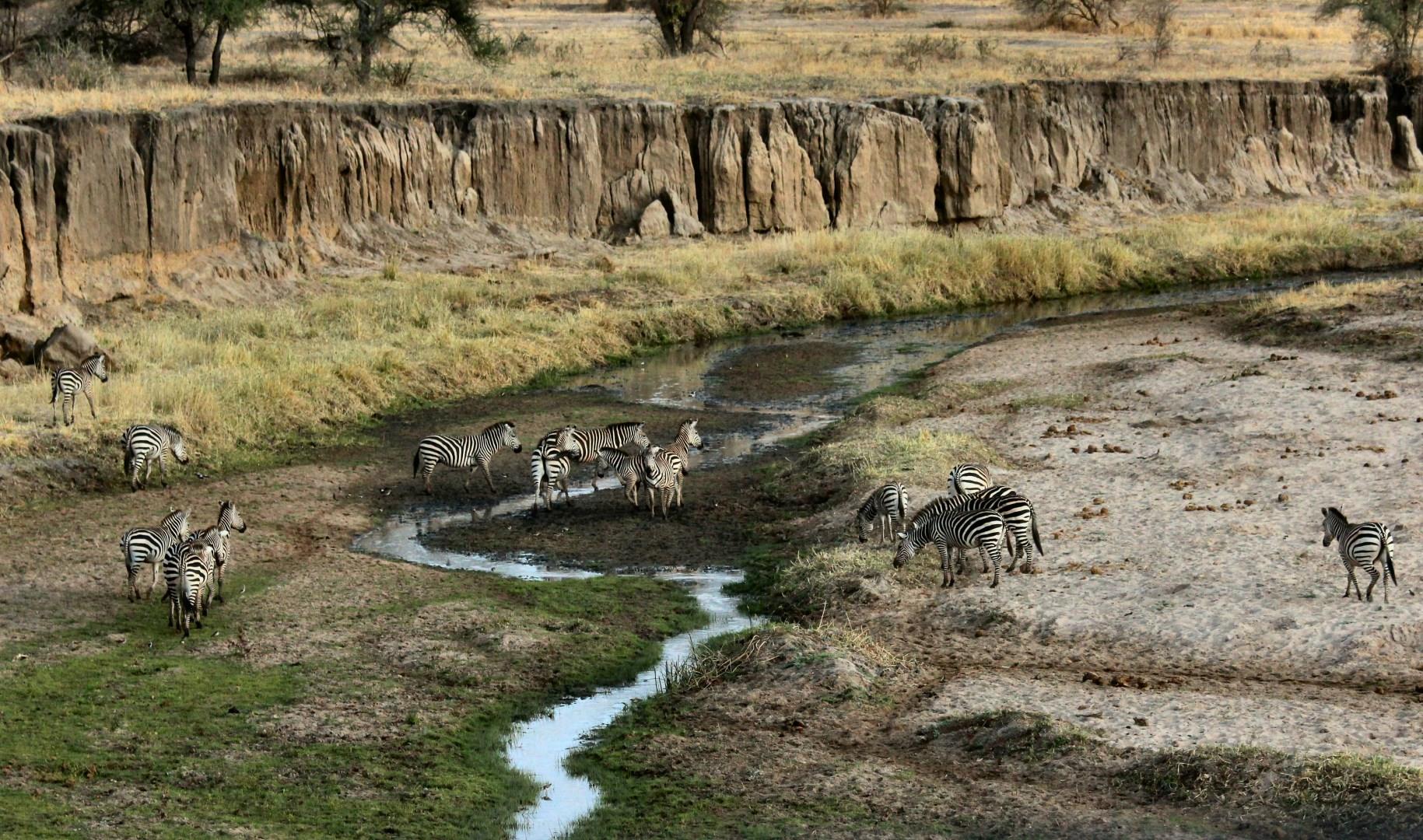
Tarangire National Park
Tarangire National Park, a stunning gem in northern Tanzania, offers an unparalleled safari experience amid its diverse landscapes and wildlife. Renowned for its dense population of elephants, the park's vast baobab-studded plains and swamps create a dramatic setting that brings you face-to-face with these magnificent creatures. The park is home to over 300 bird species, including the strikingly beautiful Lilac-breasted Roller and the majestic Secretary Bird.
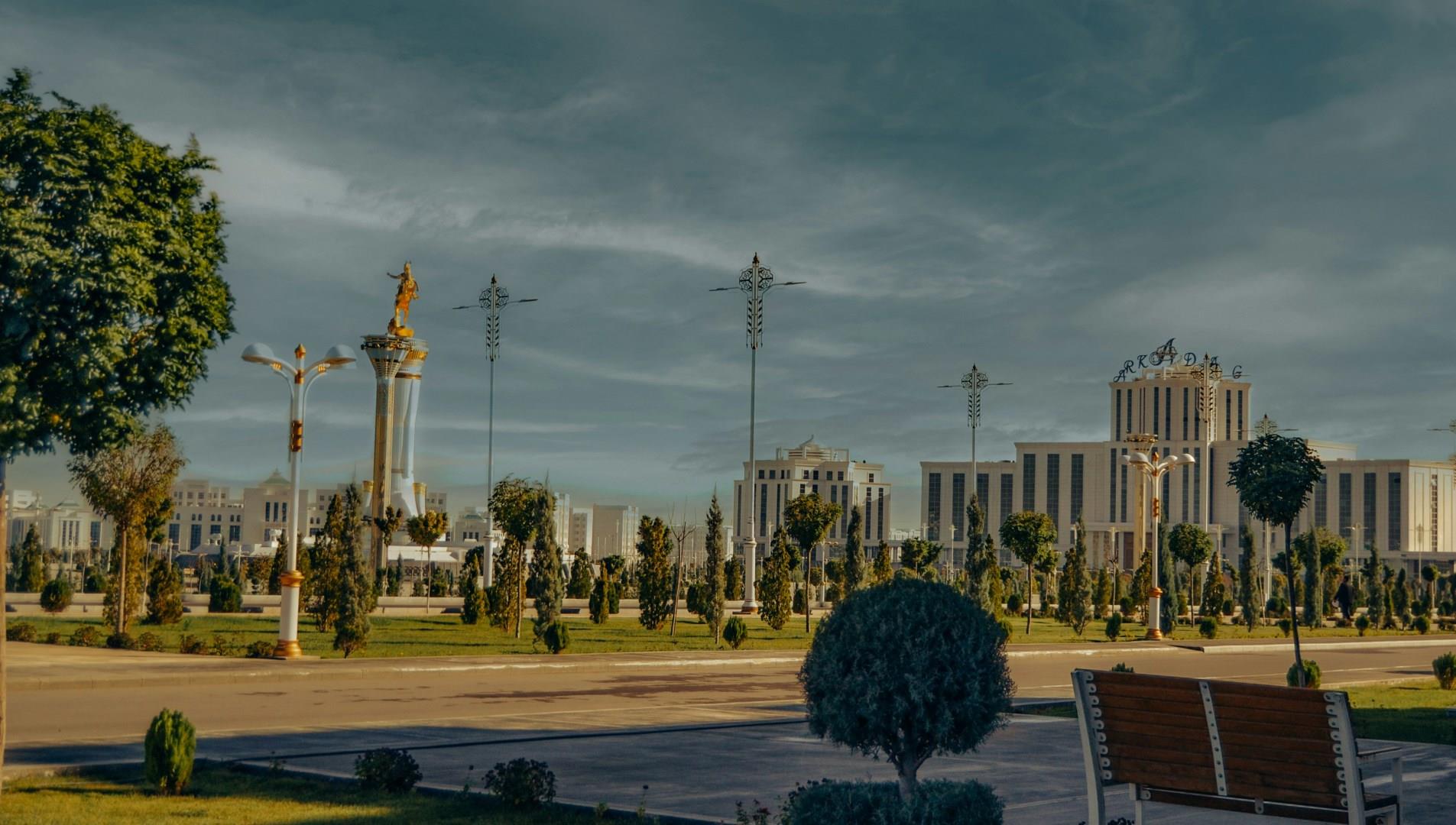
Turkmenistan
Turkmenistan is a land of striking contrasts, where vast deserts meet ancient Silk Road history. The country is dominated by the Karakum Desert, an expanse of sand and scrub that covers most of its territory, yet it is also home to oases where cities flourished as trading posts for caravans journeying between Persia, China, and beyond.
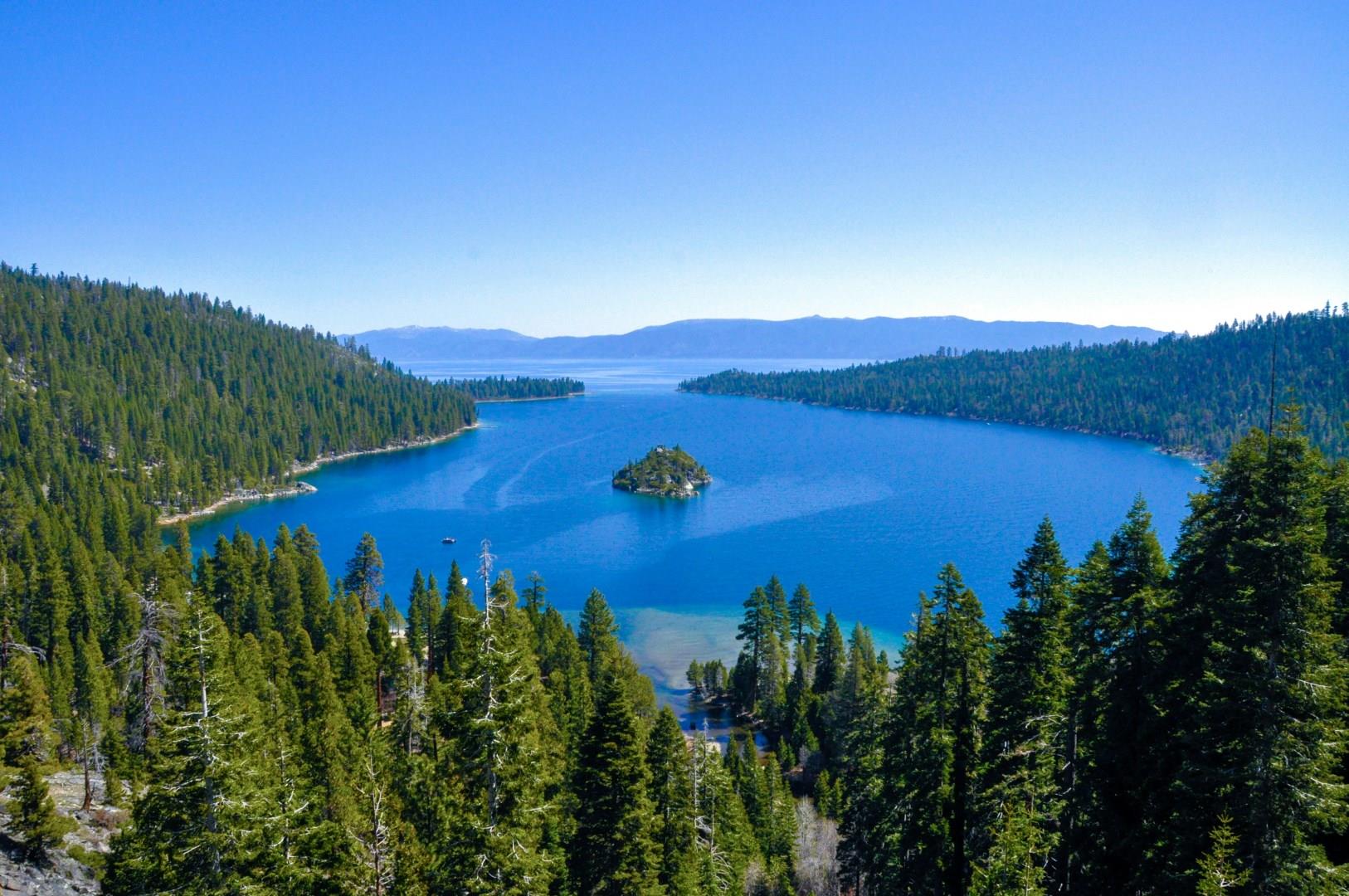
Lake Tahoe
Lake Tahoe is one of the most dramatic and beautiful sights in the World. A natural lake formed at the top of the Sierra Nevada mountain range, it is now a winter sports center, a summer vacation destination and the home of wonderful casinos and resorts.
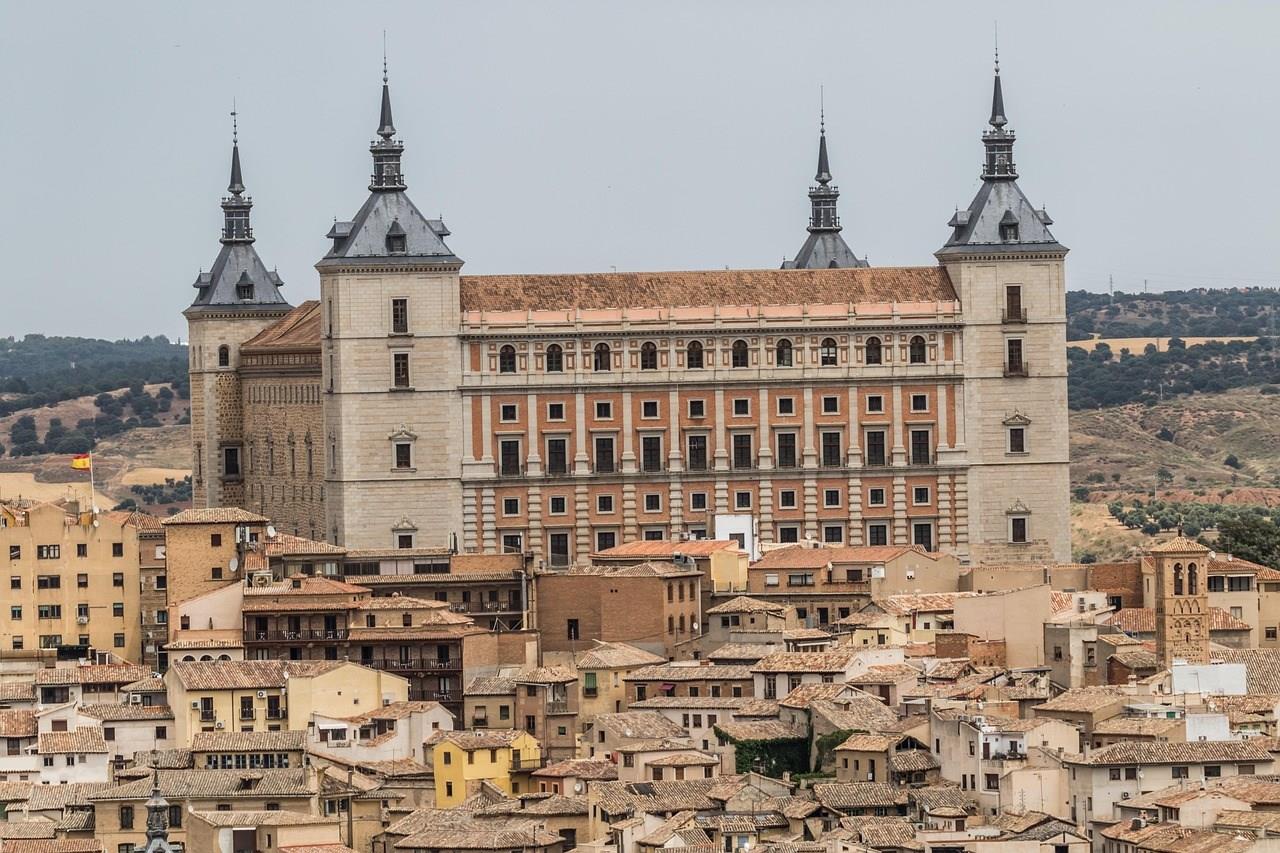
Toledo
Toledo, high above the Tagus River in central Spain, is a city where layers of history are visible around every corner. For centuries it was an important Roman settlement, a Visigothic capital, and later a stronghold during the medieval Christian reconquest, before becoming the seat of royal power and a crossroads of cultures. Because of this long span of stories and architectural richness, the whole old town has been recognized as a UNESCO World Heritage Site.
