

Caye Caulker
Caye Caulker lies off the coast of Belize, a small island that was once a quiet fishing village and today still feels wonderfully uncrowded compared to many Caribbean destinations. Its name likely comes from an English twist on “Hicaco,” the old Spanish name meaning coco plum, a nod to the island’s early days and bilingual roots.
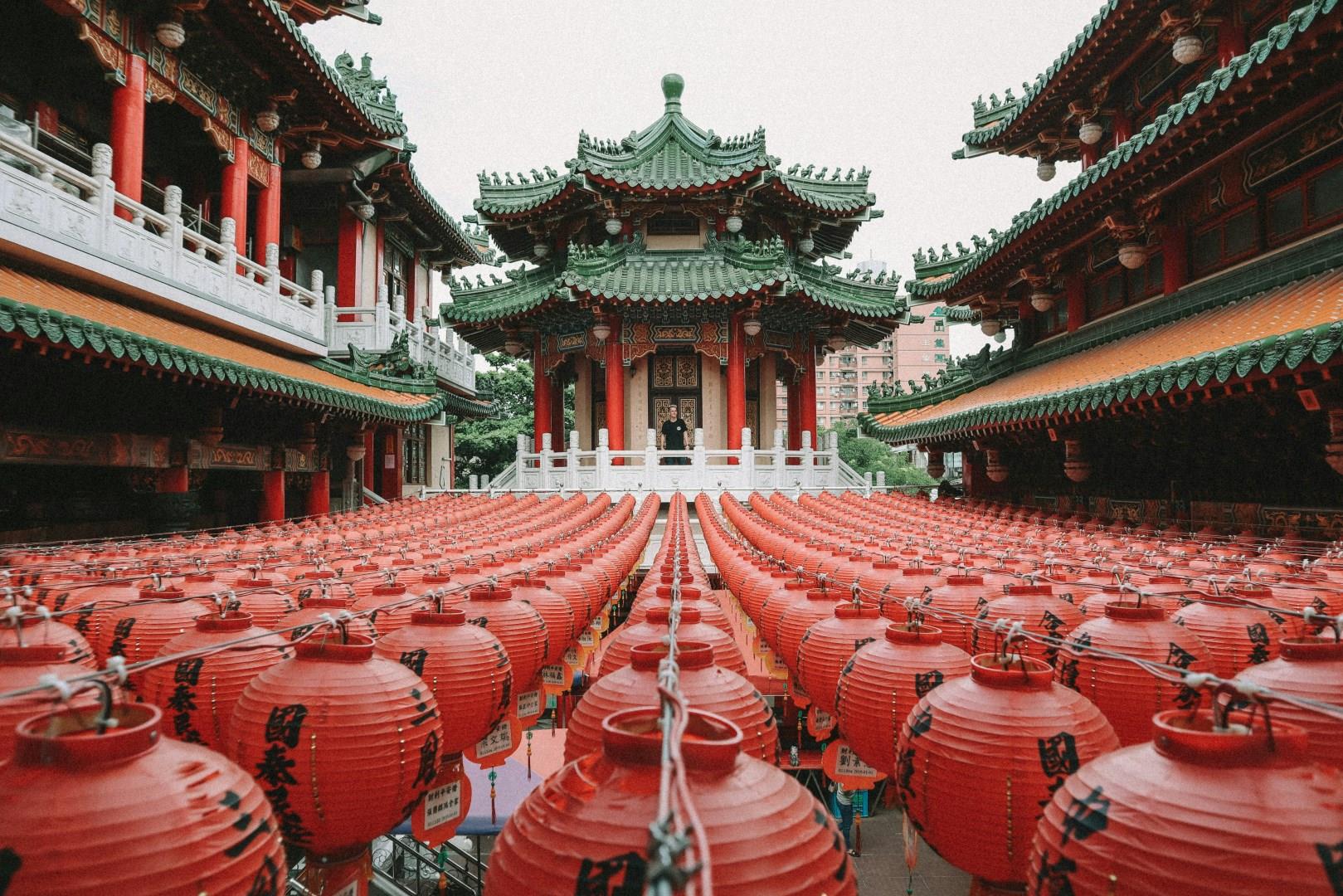
Kaohsiung
Kaohsiung sits on Taiwan’s southern coast and rises from one of the island’s busiest harbors into a city that rewards slow exploration and lively discovery. History and local belief surface at the Dragon and Tiger Pagodas beside Lotus Pond in Zuoying District. These twin pagodas that are connected to the shore by a zigzag bridge, invite visitors to walk through the dragon’s mouth and out the tiger’s, a practice locals associate with turning bad luck into good fortune.

Australia
Australia, a land of stunning contrasts and vibrant cultures, offers an unforgettable experience for every kind of adventurer. From the ancient landscapes of the Outback to the bustling urban centers, this vast country is rich in both history and natural beauty.
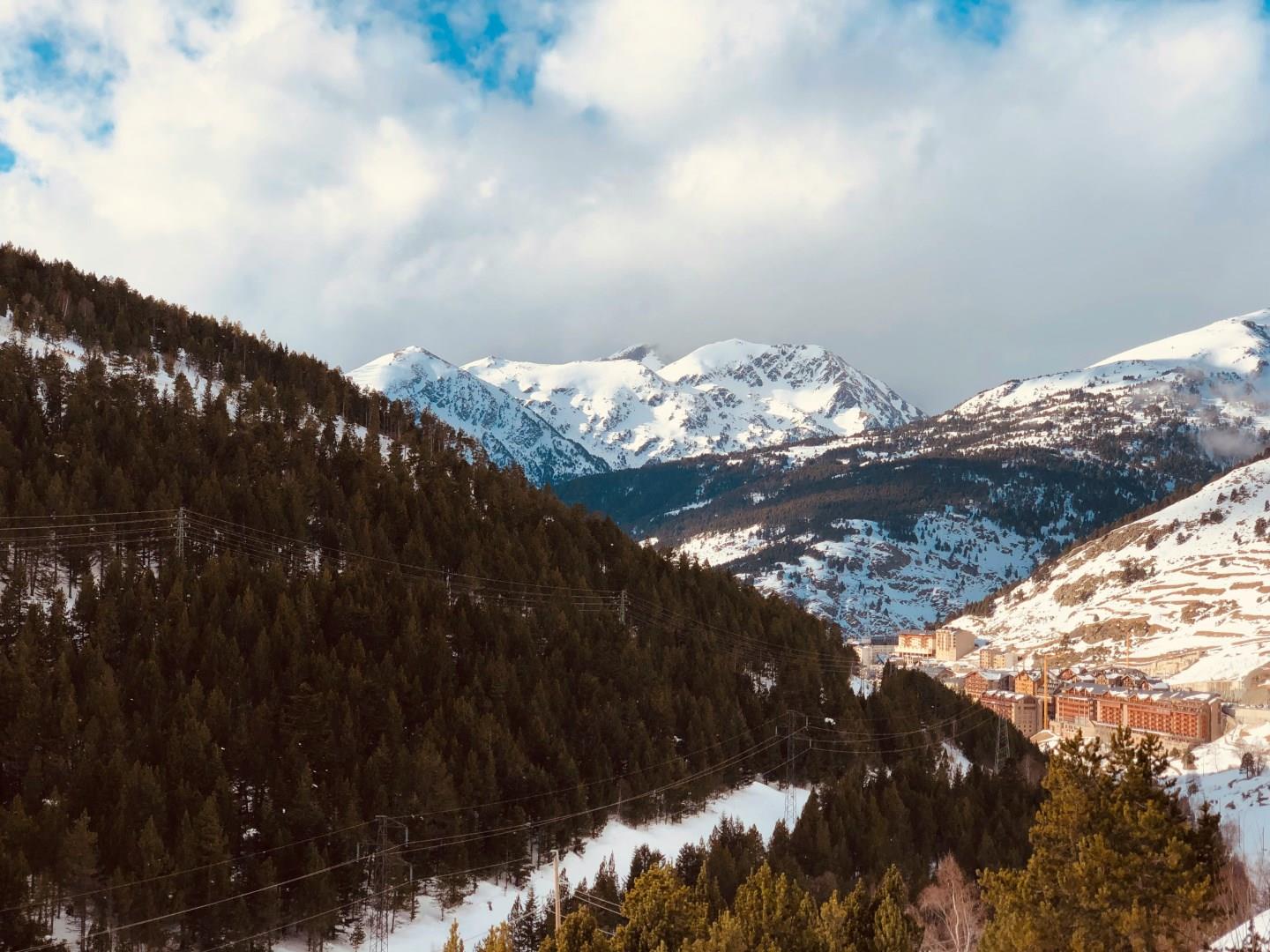
Soldeu
Nestled high in the Pyrenees, Soldeu is a mountain village in the principality of Andorra, best known for its access to Grandvalira, which is one of the largest ski areas in Southern Europe. At 1,800 meters above sea level, Soldeu has grown from a quiet farming village into a winter destination with over 200 kilometers of slopes. It hosted World Cup alpine ski races in 2019 and is scheduled to host the Finals again in 2029.

Zion National Park
Zion National Park, located in southwestern Utah, is known for its massive sandstone cliffs, narrow slot canyons, and unique desert ecosystems. Established in 1919, it was Utah’s first national park and continues to attract visitors with its dramatic elevation shifts and striking rock formations. The park’s most iconic feature, Zion Canyon, stretches for 15 miles and reaches depths of up to 2,640 feet, carved over time by the Virgin River.
