
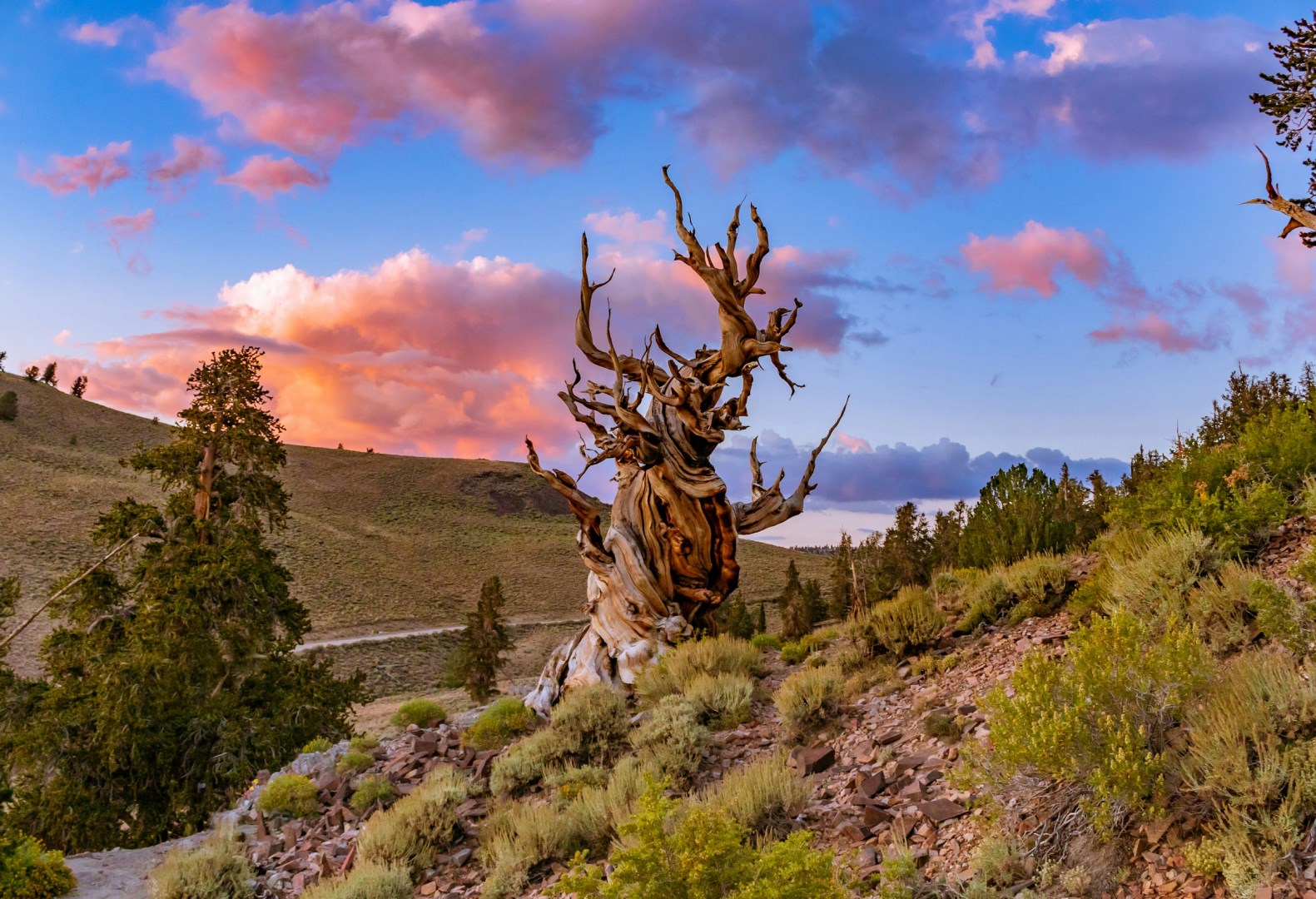
Bishop
Bishop is a small city in California’s Owens Valley, positioned between the Sierra Nevada to the west and the White Mountains to the east. The city sits along the U.S. Route 395 corridor and serves as a regional center for the surrounding Eastern Sierra communities.

Bangkok
Bangkok, Thailand’s capital, is a city of striking contrasts where gilded temples stand beside sleek skyscrapers and centuries-old traditions thrive amid modern life. At its heart is the Grand Palace, a dazzling complex that once housed the Thai kings, along with Wat Phra Kaew, the revered Temple of the Emerald Buddha.
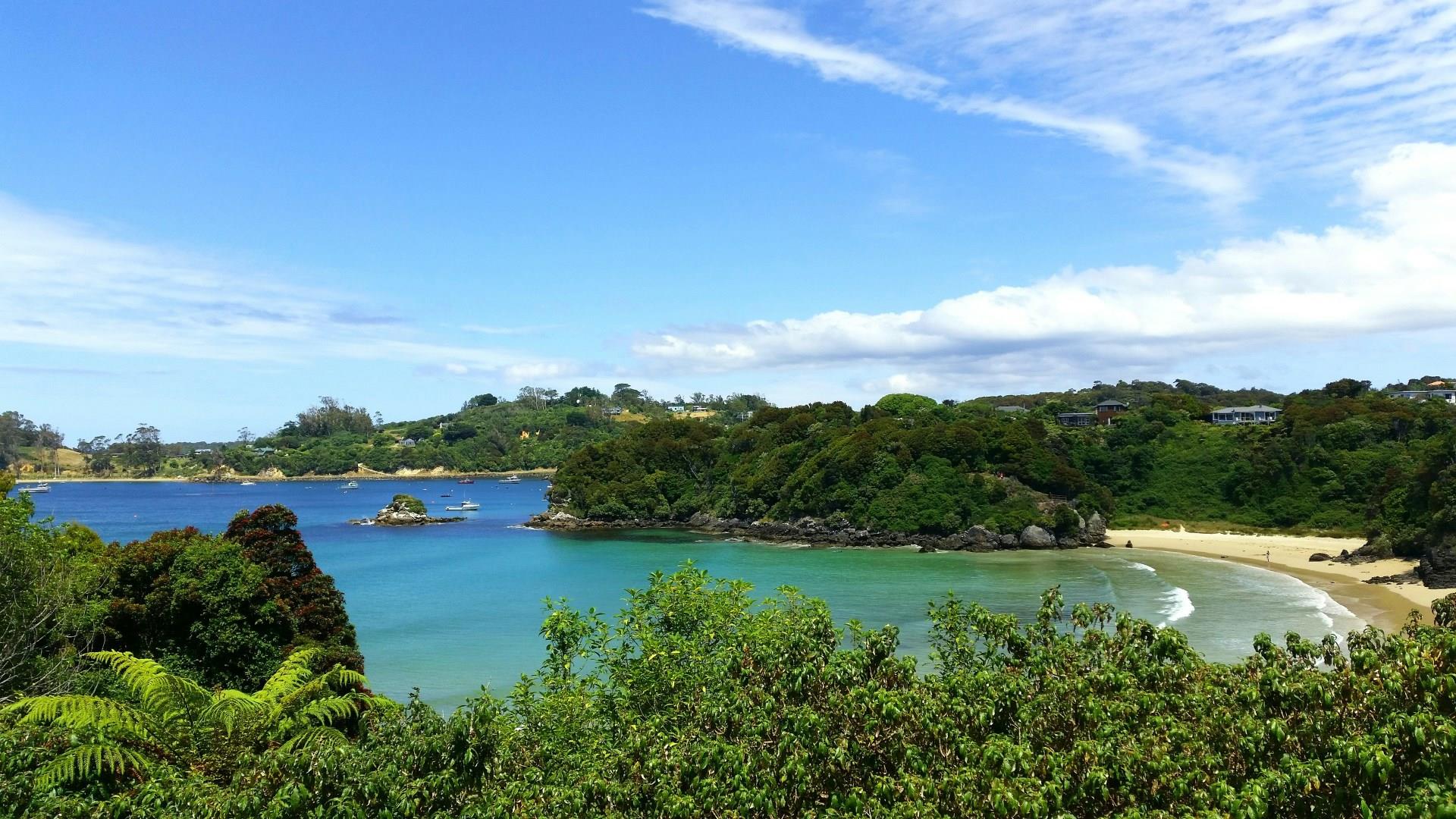
Stewart Island / Rakiura
Stewart Island, known in Māori as Rakiura, lies off the southern coast of New Zealand and is the country’s third-largest island.
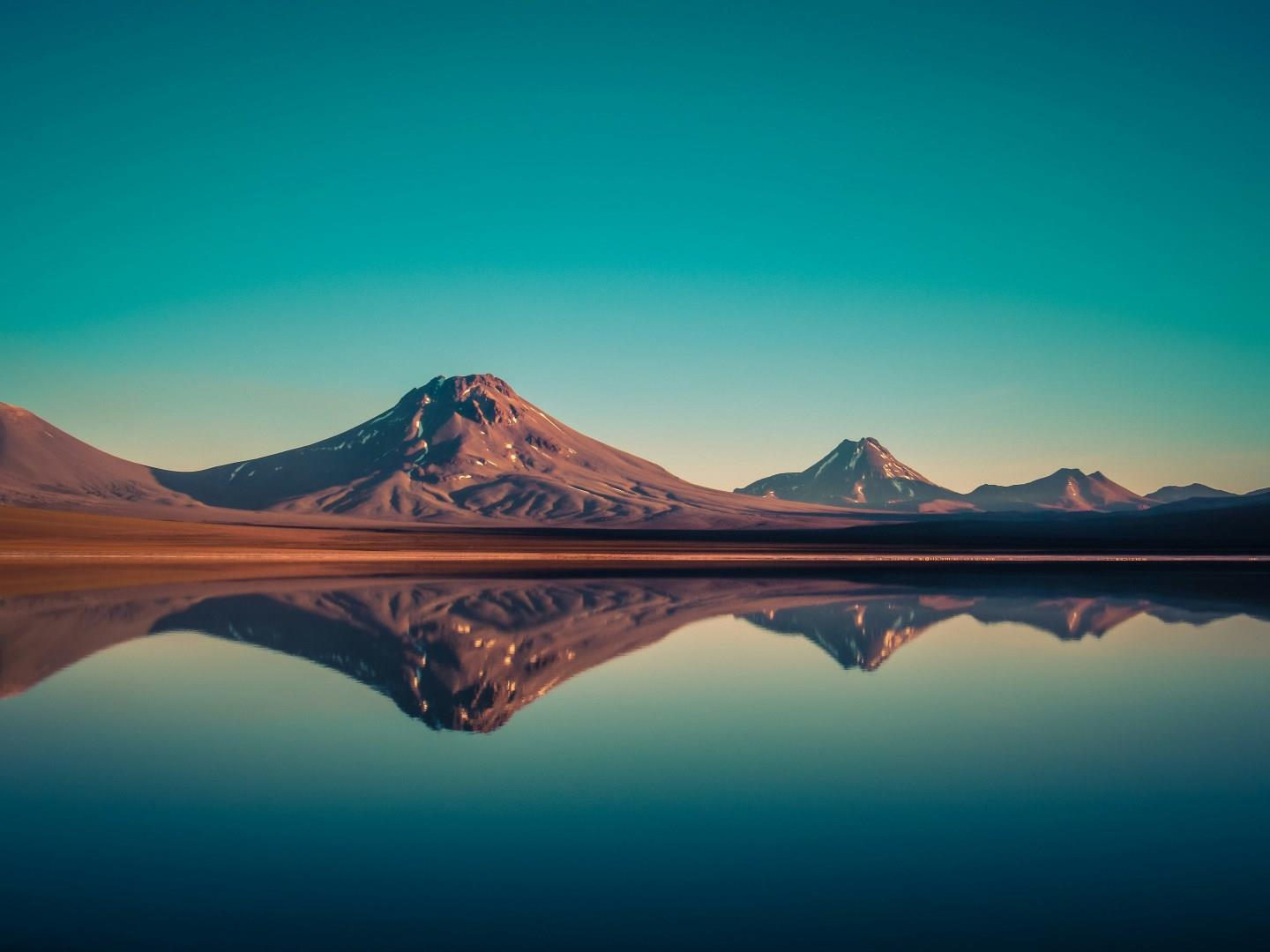
San Pedro De Atacama
San Pedro de Atacama, a small town in northern Chile, sits at over 2,400 meters above sea level in one of the most geologically diverse areas on Earth. Surrounded by volcanoes, salt flats, geysers, and ancient lava flows, it has long served as a gateway to the Atacama Desert. This desert is the driest non-polar place in the world, where some weather stations have never recorded rainfall.
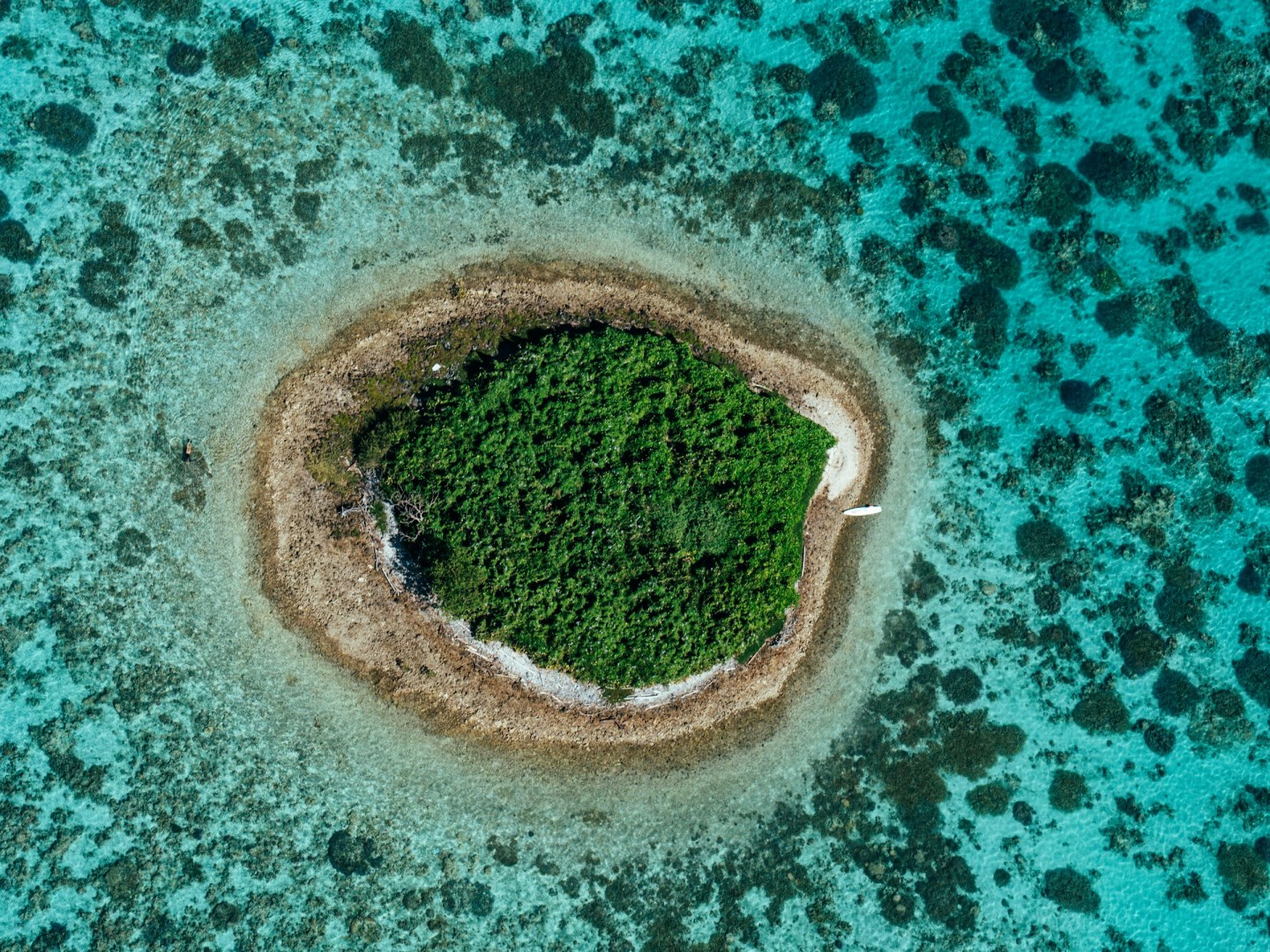
Bourail
Bourail is a rural commune on the west coast of Grande Terre, New Caledonia, known for its open landscapes, cattle farms, beaches, and distinctive coastal rock formations. The area extends from the foothills of the central mountain range toward the Pacific Ocean and includes several villages and farming communities
