

Ranthambore National Park
Ranthambore, a gem of Rajasthan, India, is where wildlife and history intertwine seamlessly to create an unforgettable travel experience. Famous for the Ranthambore National Park, this destination is a haven for those seeking a close encounter with nature’s most magnificent creatures. The park, once the hunting grounds of the Maharajas of Jaipur, now stands as a vital sanctuary for Bengal tigers, leopards, sloth bears, and over 300 species of birds.
Niigata
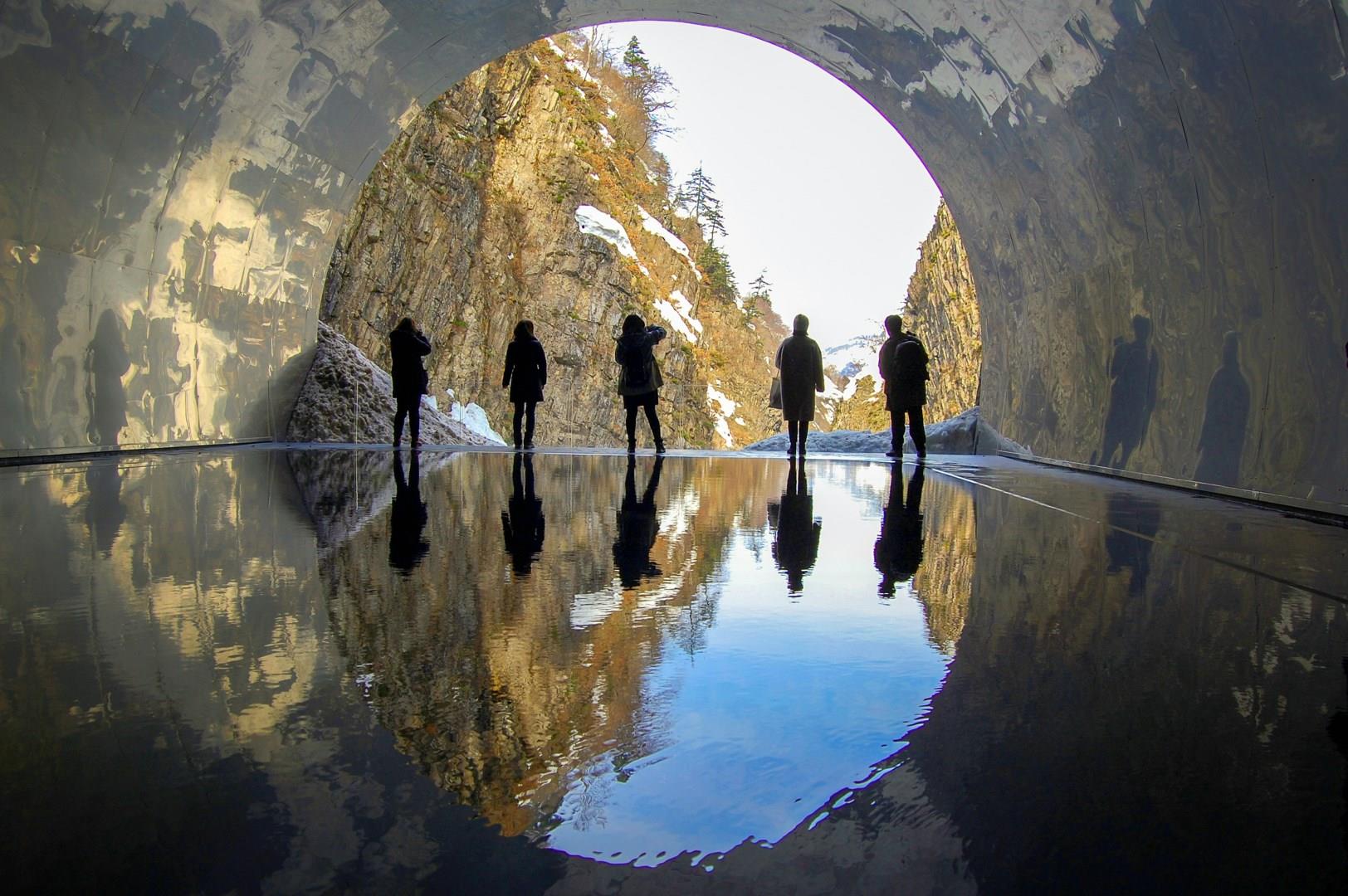
Niigata sits along the Sea of Japan on Honshu’s west coast, a place where long winters and bright summers shape its traditions and flavors. For centuries this region has produced some of Japan’s finest rice, especially the Uonuma Koshihikari variety known for its rich taste and texture. That quality rice helps make Niigata sake famous across the country, and visitors can sample more than 90 local brews at tasting spots such as Ponshukan inside Niigata Station.

Chamonix
Nestled in the heart of the French Alps, Chamonix is a captivating destination renowned for its stunning alpine scenery and outdoor adventure opportunities. As the gateway to Mont Blanc, the highest peak in Western Europe, Chamonix is a haven for mountaineers, hikers, and skiers. The Aiguille du Midi cable car takes visitors up to 3,842 meters, offering breathtaking views of the surrounding peaks and glaciers.

Val Gardena
Val Gardena, nestled in the heart of the Italian Dolomites, is a paradise for outdoor enthusiasts and a hidden gem for travelers seeking alpine beauty. This stunning valley is part of the UNESCO World Heritage-listed Dolomites, renowned for its dramatic mountain landscapes, lush meadows, and charming villages. Whether you're visiting in the summer for hiking and mountain biking or in the winter for world-class skiing, Val Gardena offers year-round adventure paired with breathtaking scenery.
Luanada
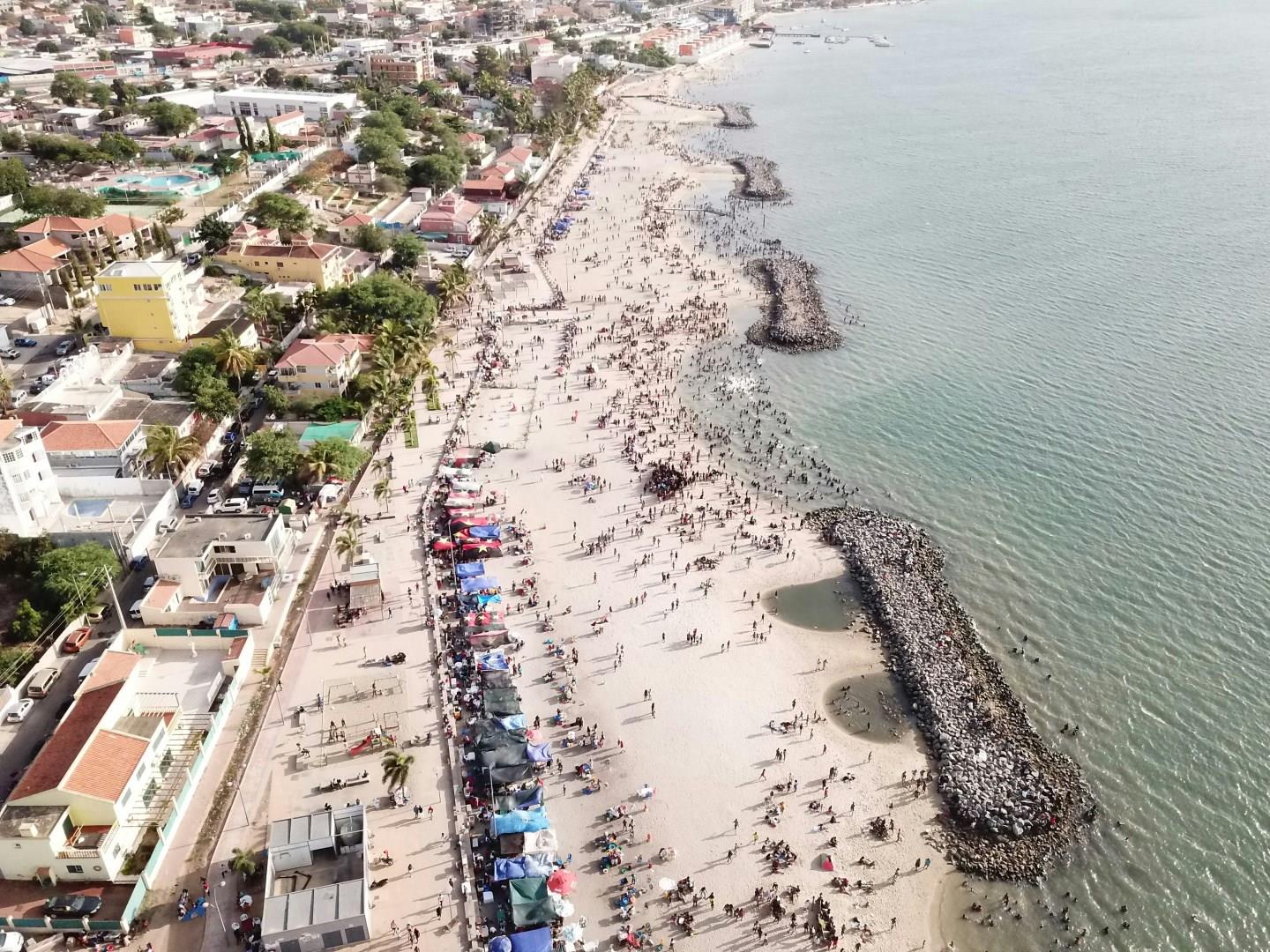
Luanda, the vibrant capital of Angola, is the country's largest city and primary economic hub, known for its bustling energy and rich cultural scene. Modern Luanda is characterized by its dynamic growth and development. The city boasts an impressive skyline, including the Avenida 4 de Fevereiro, a major thoroughfare lined with modern high-rises and vibrant markets. The Baía de Luanda, a stunning bay area, offers beautiful waterfront promenades and opportunities for relaxation and leisure.
