

South Korea
South Korea is a land where ancient traditions live alongside futuristic cities. From Seoul’s grand palaces and vibrant arts scene to the volcanic landscapes of Jeju Island and the tranquil reflection of rice paddies in rural valleys, the country balances its rich heritage with constant reinvention.

Doha
Doha presents a journey where heritage and modern design intersect gracefully. The Museum of Islamic Art, designed by I. M. Pei, rises from the Corniche and houses ceramics, textiles, manuscripts, and metalwork spanning fourteen centuries. Nearby, the National Museum of Qatar, shaped like a desert rose, narrates the country's story through immersive exhibits and architecture by Jean Nouvel. These institutions offer perspectives on both art and national identity.

Hallstatt
Nestled between the serene waters of Lake Hallstatt and the towering Dachstein mountains, Hallstatt, Austria, is a picturesque gem that seems almost too perfect to be real. This UNESCO World Heritage site is renowned for its stunning alpine scenery and charming architecture. Wander through the narrow streets lined with 16th-century houses and experience the timeless beauty that has captivated visitors for centuries.
Potsdam
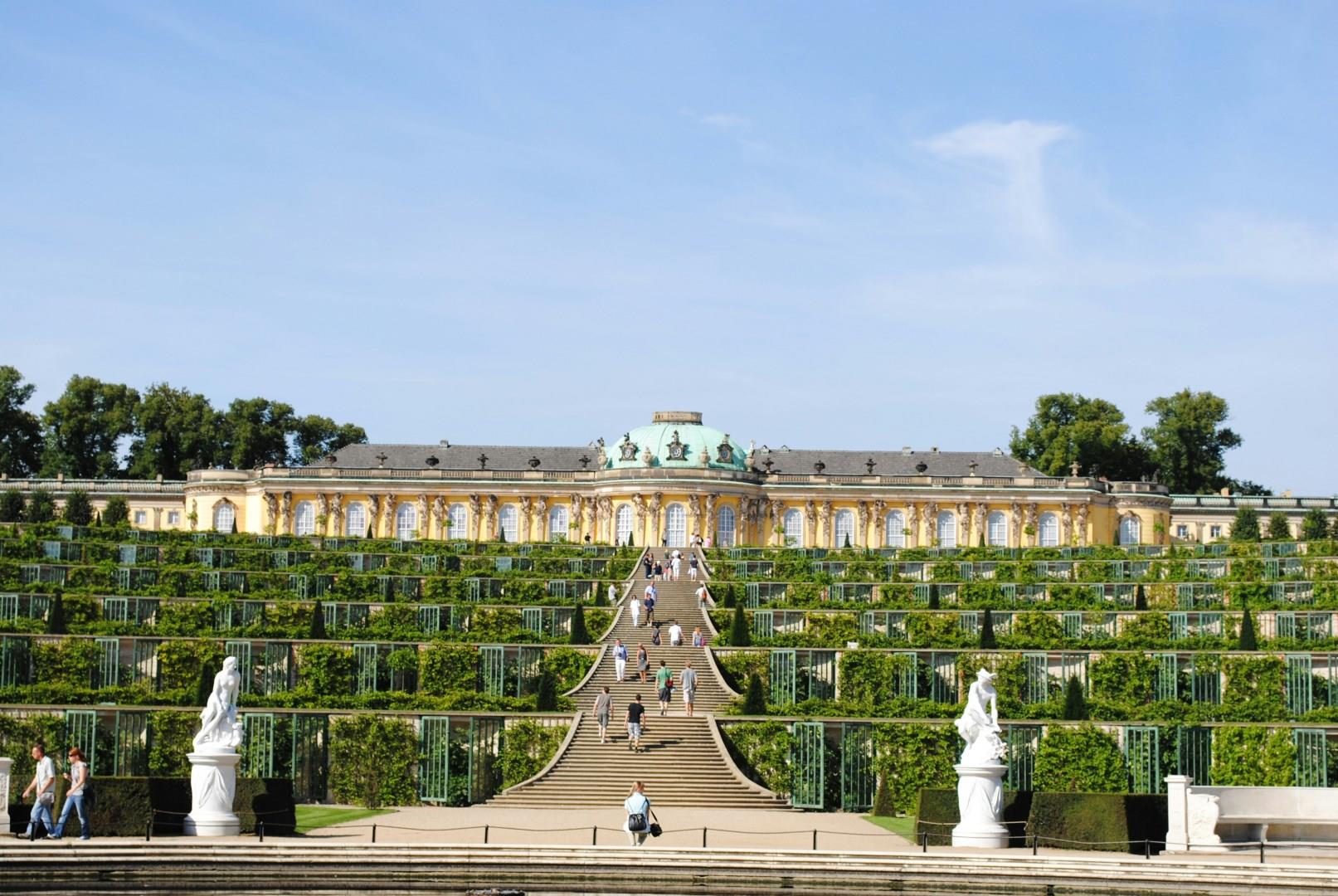
Potsdam, the capital of Germany’s Brandenburg state, lies just southwest of Berlin and is best known for its grand palaces, landscaped gardens, and role as a seat of Prussian royalty.

Ilulissat
On Greenland’s west coast, Ilulissat (once known as Jakobshavn) welcomes travelers with astonishing ice scenery and a sense of scale that feels almost otherworldly. The town sits beside Disko Bay, where immense icebergs drift silently past, glowing pink and gold in the Arctic light. The name “Ilulissat” means “icebergs,” and it could not be more fitting. Here, every turn toward the sea offers a fresh view of towering ice forms, each one sculpted by nature into something fleeting and beautiful.
