
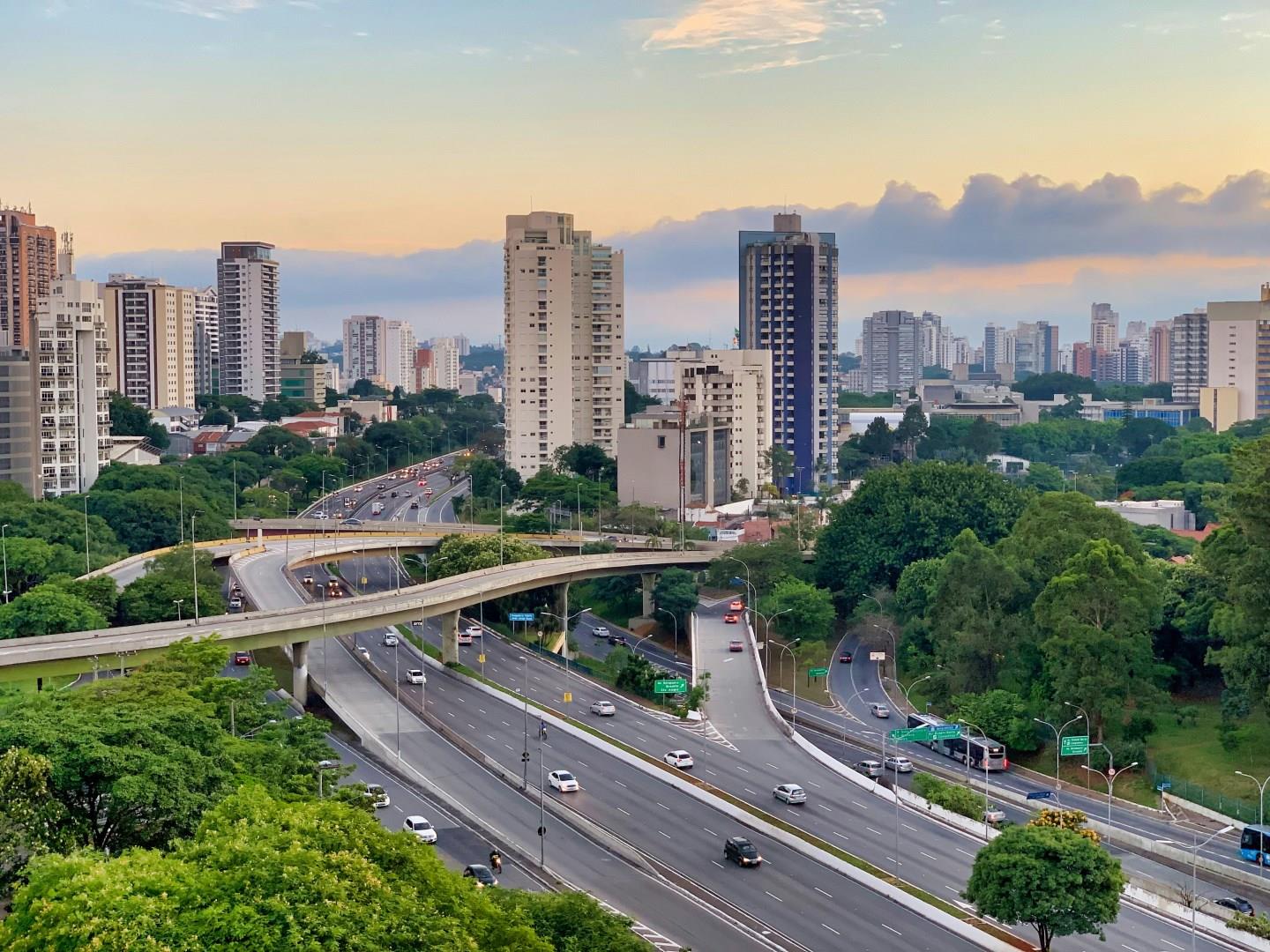
Sao Paulo
Sao Paulo is Brazil’s largest city and its economic engine, shaped by waves of migration that began in the late 19th century and never truly slowed. Italians, Japanese, Lebanese, and migrants from across Brazil all left visible marks on the city’s neighborhoods, food, and cultural life.
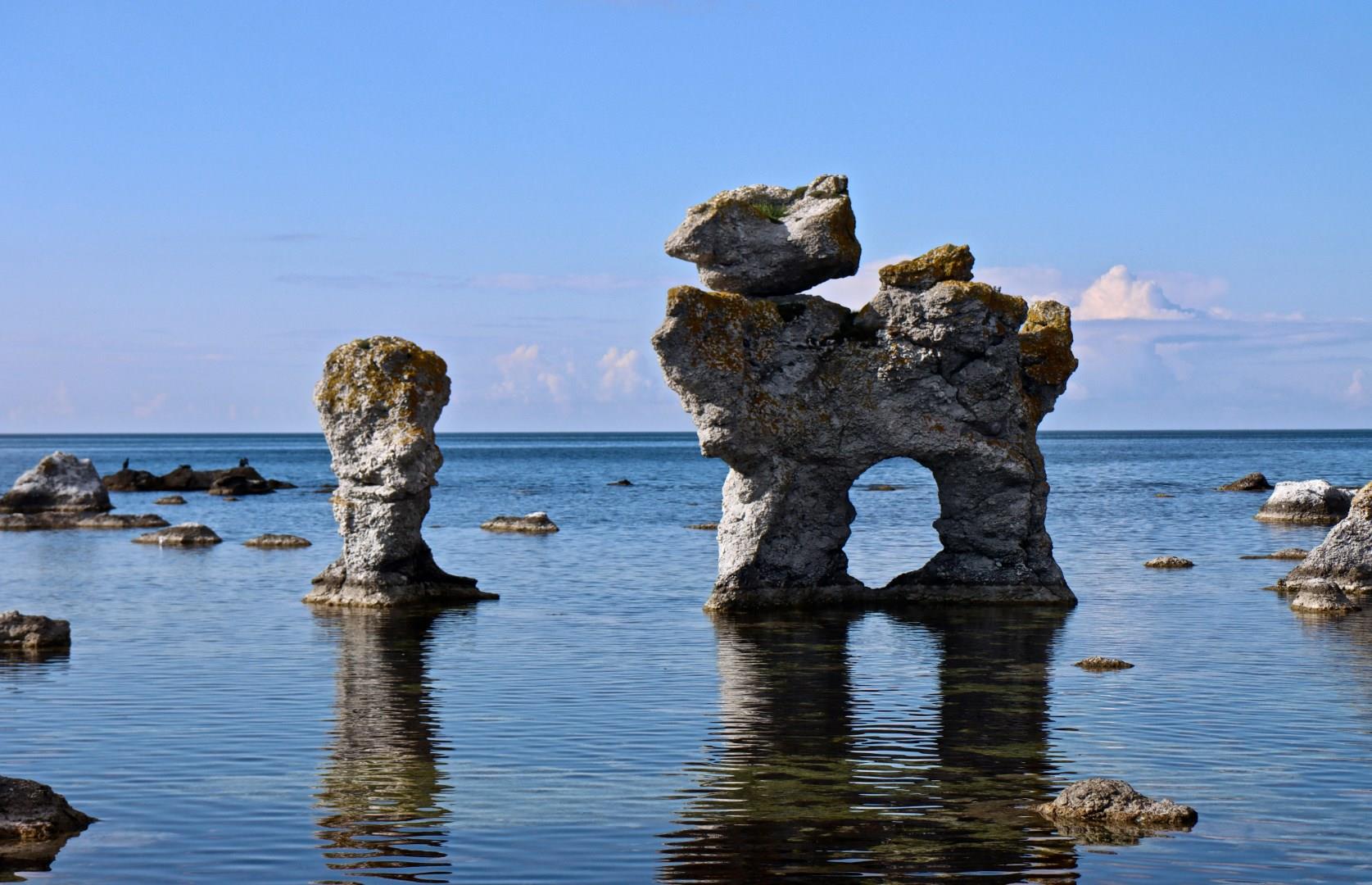
Gotland
Gotland, Sweden’s largest island, sits in the Baltic Sea and feels like a world of its own. Its main town, Visby, is a UNESCO World Heritage site and one of the best-preserved medieval towns in Northern Europe. Surrounded by a 3.5-kilometer stone wall with original towers still intact, Visby once served as a key Hanseatic trading hub. Visitors can walk along cobbled streets lined with rose-covered cottages, explore Gothic church ruins, and climb up the city wall for views over the harbor.
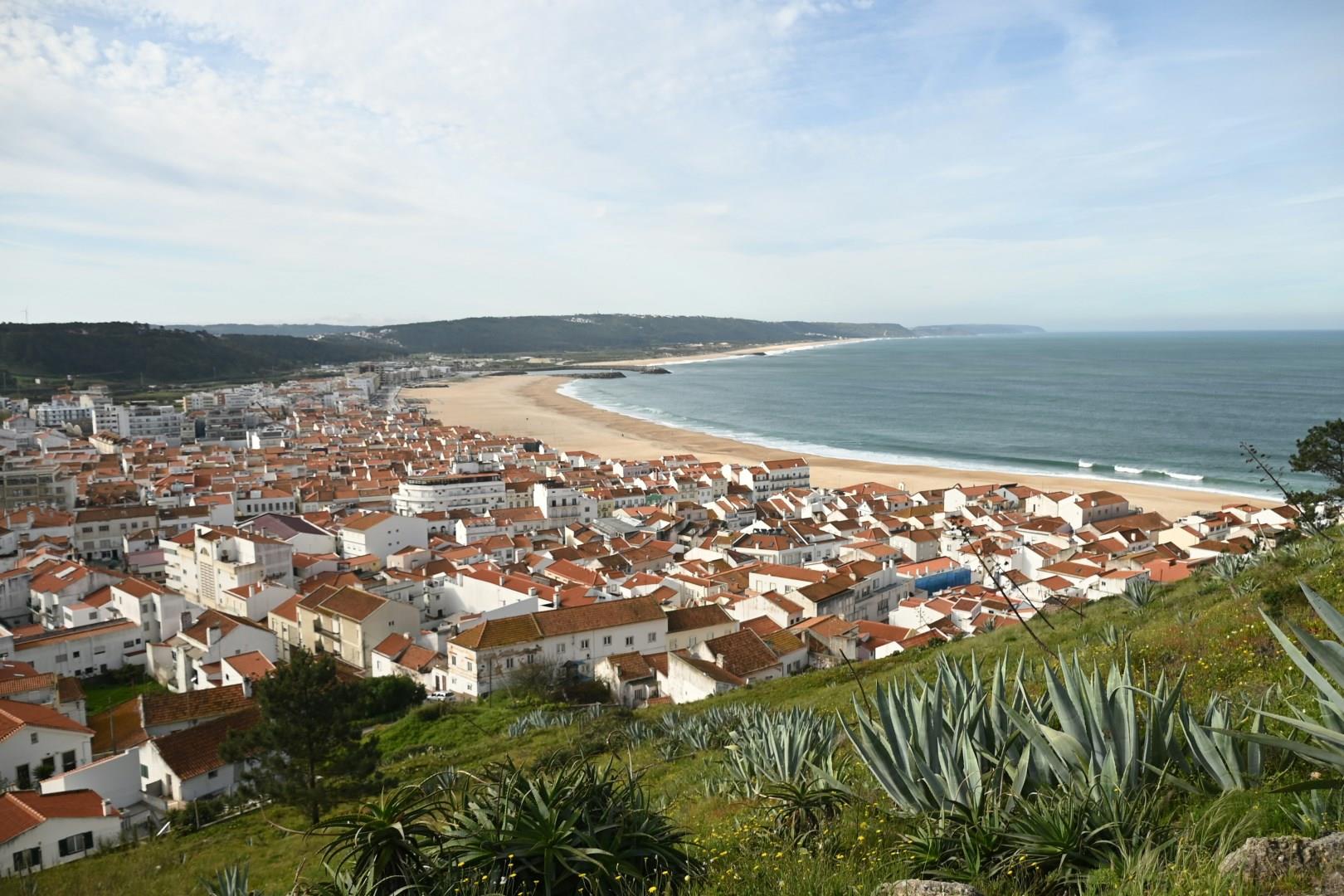
Nazare
Nazaré, set along Portugal’s wild Atlantic coast, is a fishing town transformed into one of the world’s most dramatic surf destinations. Its identity is deeply tied to the sea, both in its centuries-old maritime traditions and in the awe-inspiring waves that now draw visitors from around the globe.

Lithuania
Lithuania offers visitors a chance to explore a country where medieval traditions and modern culture meet. Vilnius, the capital, is known for its well-preserved Old Town, a UNESCO World Heritage site filled with winding streets, baroque churches, and cozy squares. Visitors can climb the hill to Gediminas’ Tower for a sweeping view of the city, or visit the Gates of Dawn, an important religious and historical monument that has welcomed travelers for centuries.

Massachusetts
Massachusetts, a state steeped in American history and vibrant culture, offers visitors a rich tapestry of experiences. Begin your journey in Boston, the state capital, where history comes alive along the Freedom Trail. This 2.5-mile route takes you through pivotal sites such as the Massachusetts State House, Paul Revere’s House, and the Old North Church, where the famous signal lanterns were hung during the American Revolution.
