

Copan
Copán, Honduras, is a hidden gem in Central America that beckons travelers with its extraordinary blend of ancient history, lush landscapes, and vibrant local culture. Known as the "Athens of the Maya," Copán is home to one of the most significant and well-preserved archaeological sites of the Mayan civilization, a UNESCO World Heritage Site.

Dawson City
Located in the western part of the Yukon Territory Province of Canada, this area is on the Yukon River and famous as the gold mining area of the great Gold Rush. It is still an active mining area and also a popular tourist attraction as it has retained much of the look from the gold rush era.
Ile Des Pins
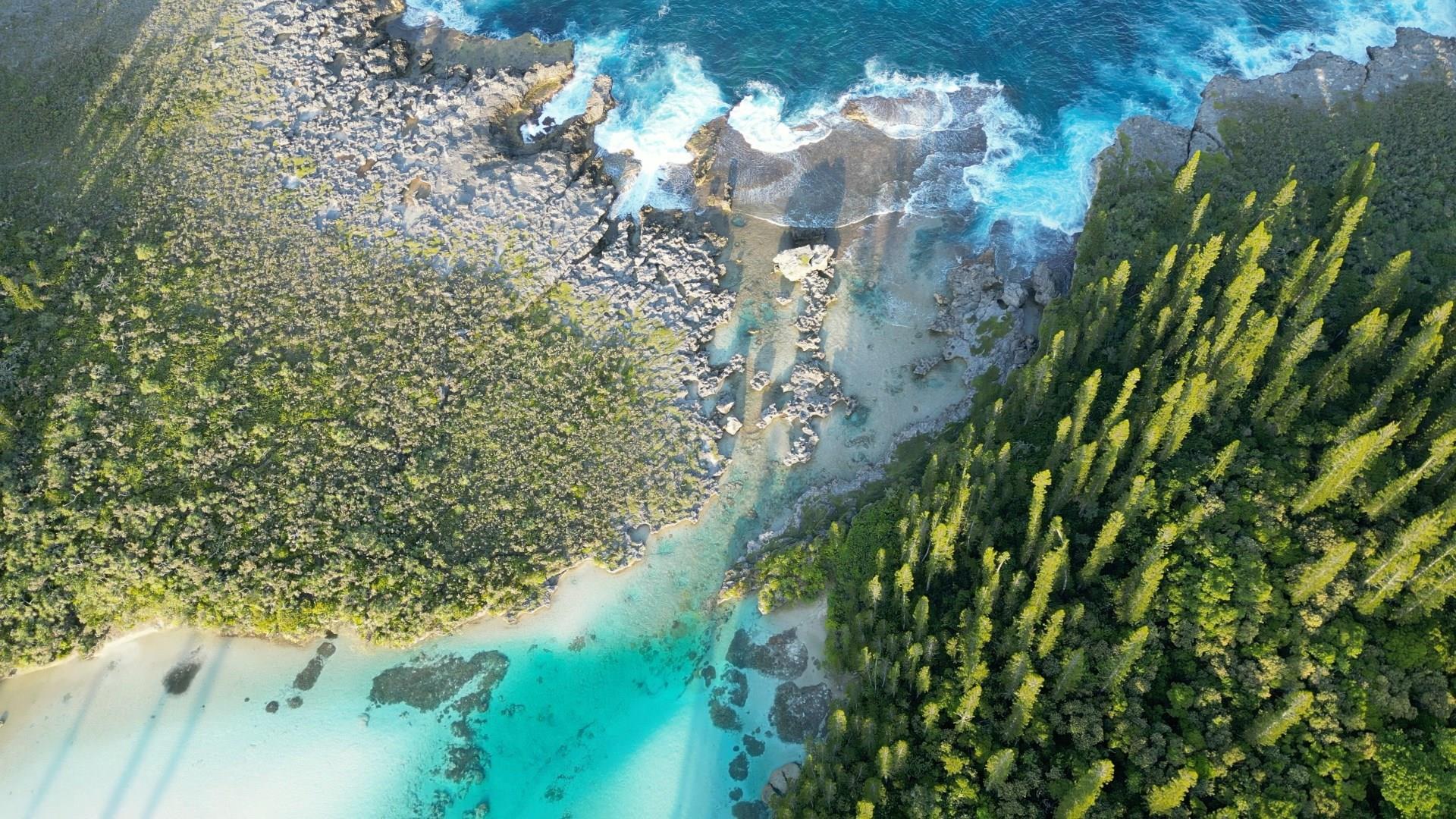
Île des Pins, often referred to as the "Island of Pines," is a serene paradise located in New Caledonia. This tropical haven is renowned for its pristine beaches, turquoise lagoons, and lush pine forests, offering visitors an idyllic escape from the everyday. The island's charm extends beyond its beaches. The Pic N'Ga peak offers panoramic views of the island's lush landscape, accessible via a scenic hike through dense forest.
National Park of American Samoa
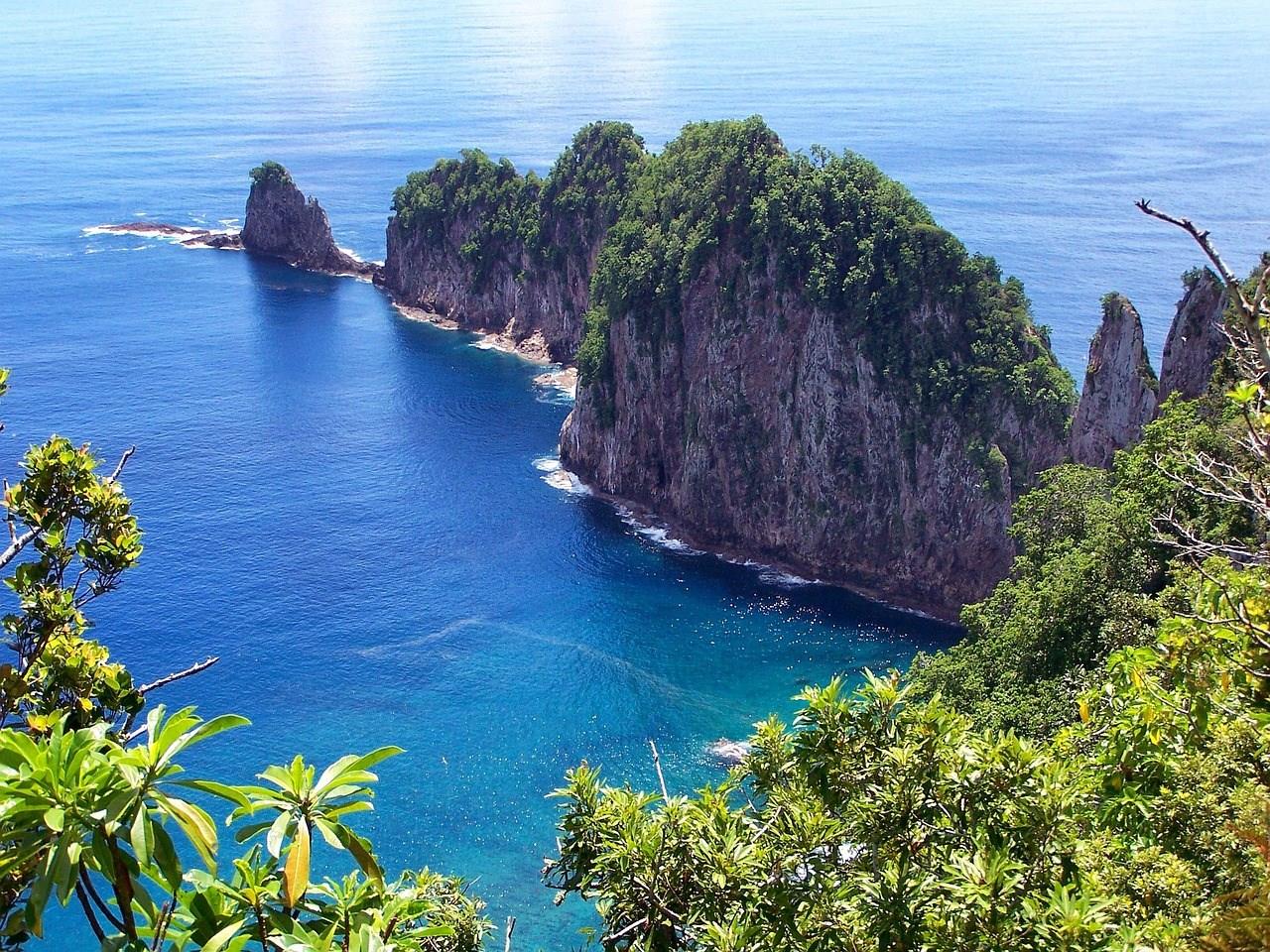
The National Park of American Samoa invites visitors to step into a world shaped by towering volcanic ridges, tangled rainforests, and clear coral-sand bays. Spread across Tutuila, Ta‘ū, and Ofu islands, the park protects nearly 13,500 acres of land and 4,000 acres of ocean, an unusual patchwork where ancient ecosystems like paleotropical rainforests meet hip-deep coral reefs. Only U.S. national park in the Southern Hemisphere, it’s a place where you can hike through cloud-shrouded forests and t
Rocamadour
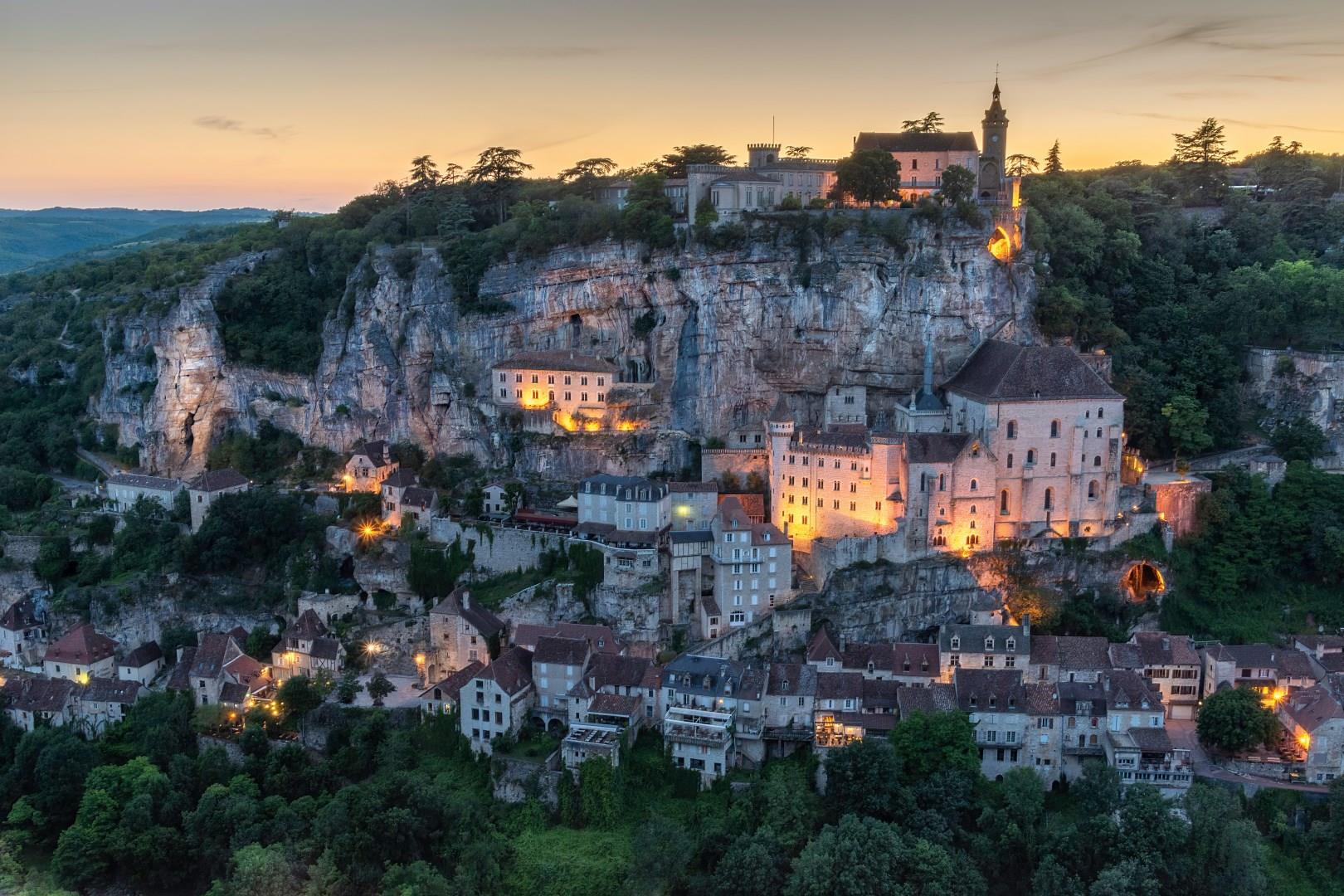
Rocamadour is a remarkable village set against a steep limestone cliff in the Lot department of southwestern France. Its stone buildings, narrow lanes and ancient sanctuaries rise in stages above the Alzou River valley, giving the settlement a striking silhouette that has drawn visitors for centuries. Pilgrims have come here since the Middle Ages to see the Black Madonna in the Chapelle Notre-Dame and to walk the Chemin de Croix.
