
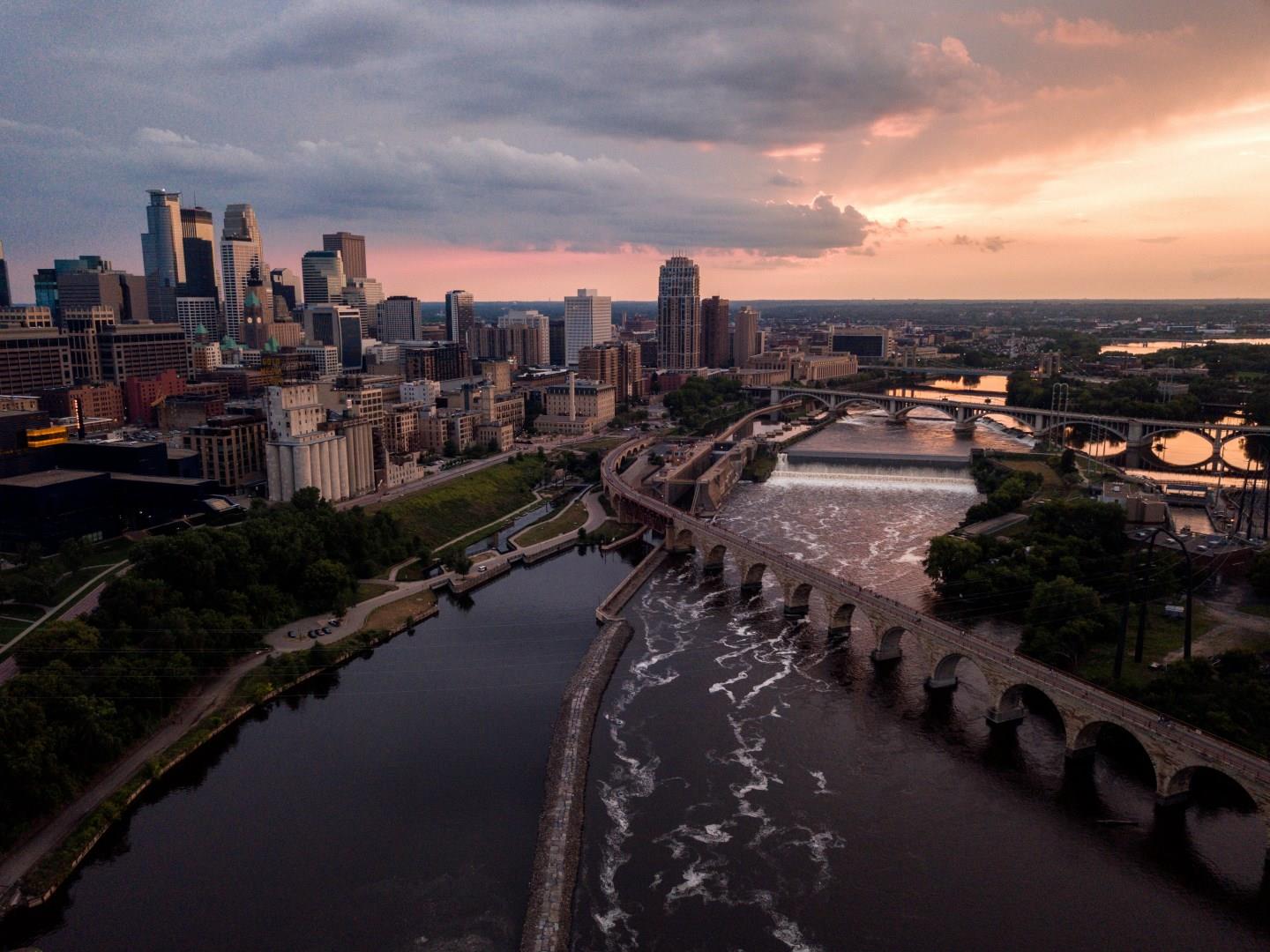
Minneapolis/St. Paul
Minneapolis stands out with its unexpected blend of urban energy and freshwater calm. Built along the banks of the Mississippi River, the city has grown from a flour-milling powerhouse into a hub of creativity, design, and culture. At the heart of downtown, the Mill City Museum, housed inside the ruins of what was once the world’s largest flour mill, offers hands-on exhibits that bring Minneapolis’s industrial past to life. Just outside, the Stone Arch Bridge spans the river with sweeping views
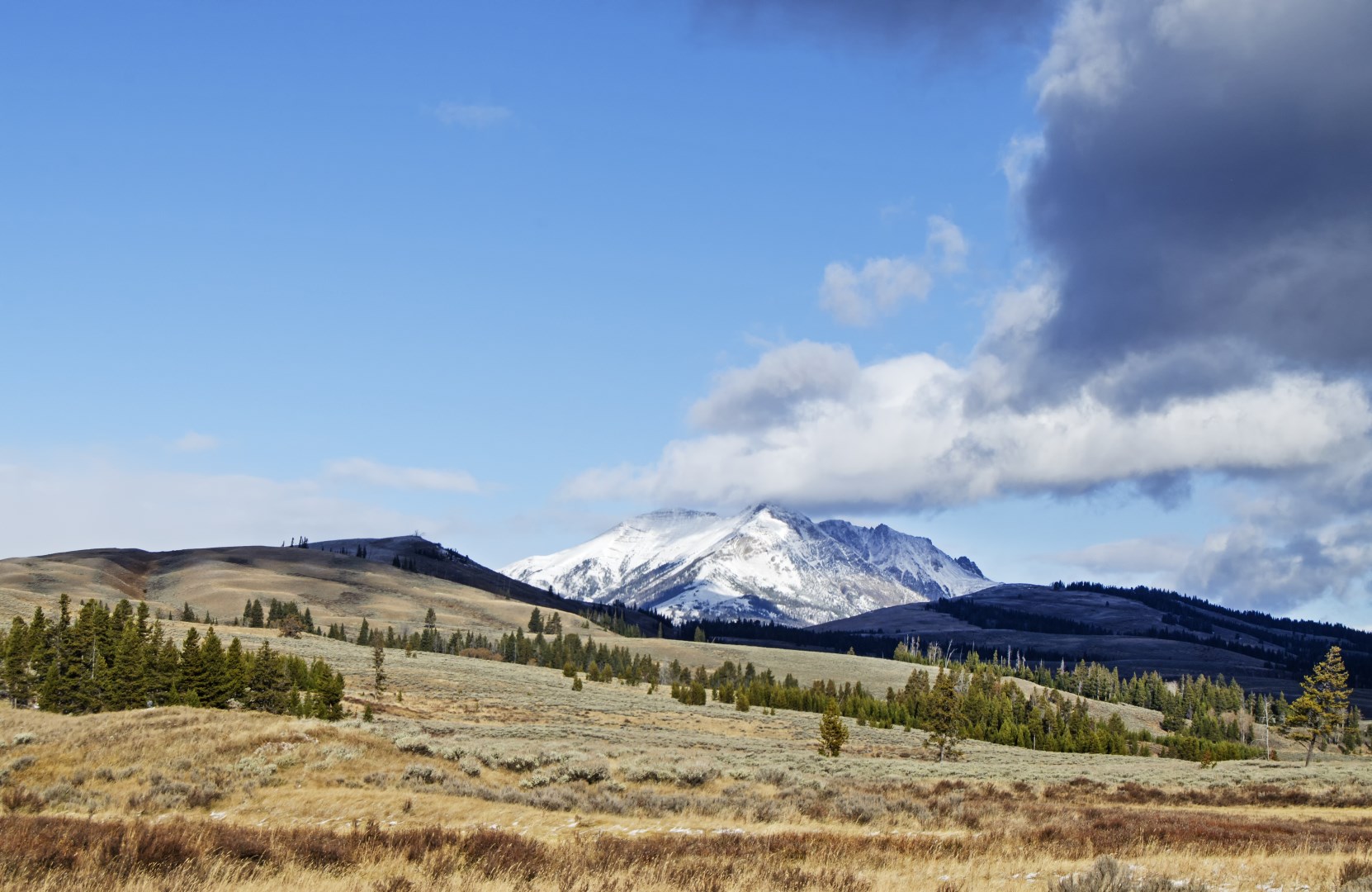
West Yellowstone
West Yellowstone, Montana sits right at the edge of one of the most visited protected landscapes in the United States, serving as a gateway to vast forests, geothermal fields, and wide open valleys. The town is built around travel into nearby wilderness, with simple log-style buildings, outdoor gear shops, and easy access points that lead directly toward major park entrances.
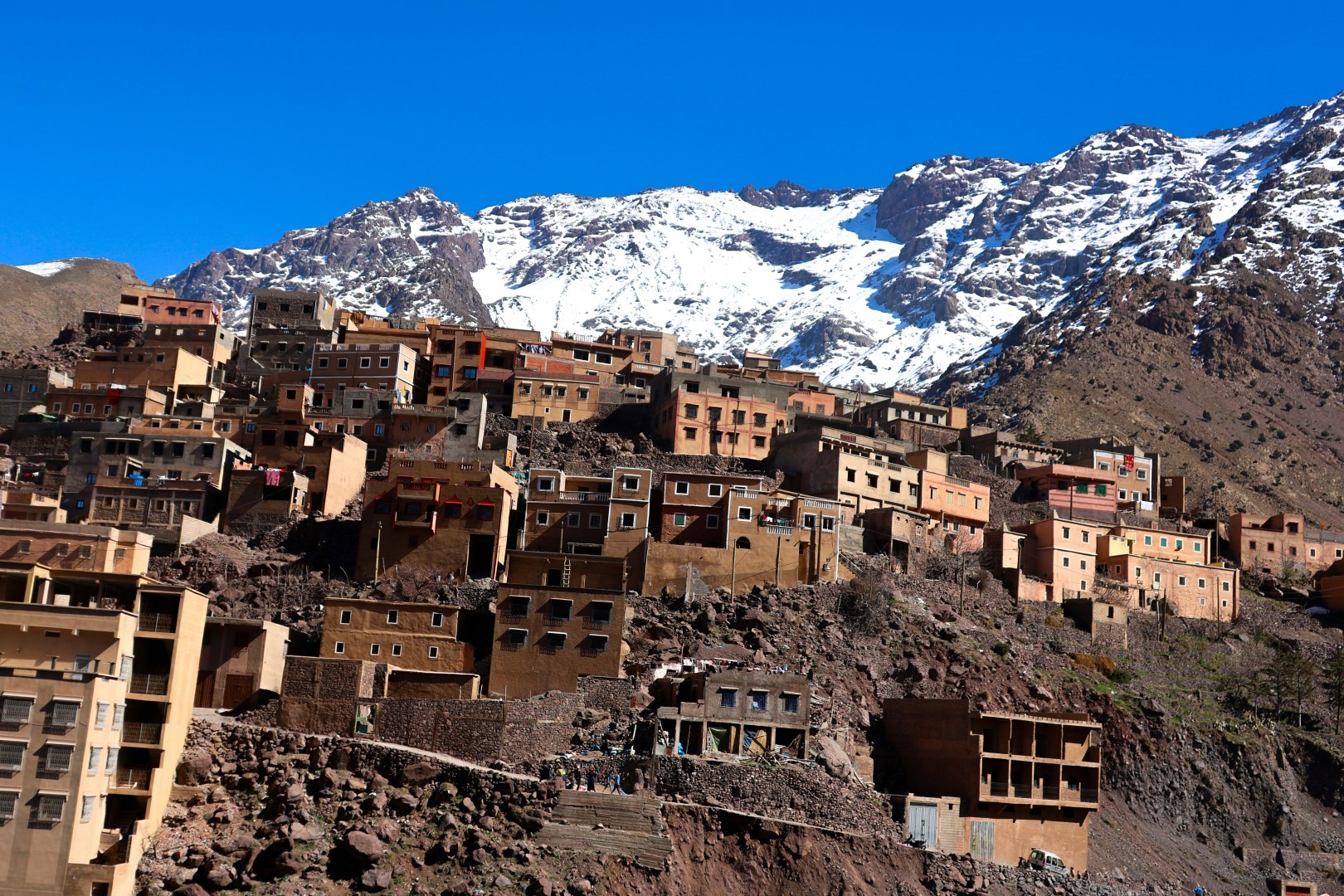
Aroumd
High in the Atlas Mountains, the village of Aroumd sits on a rocky slope above the Ait Mizane Valley. Reached by a walk or mule path from nearby Imlil, the journey itself sets the tone as one that's quiet, scenic, and far removed from city life. At nearly 1,900 meters above sea level, the air feels crisp, and the views stretch across terraced hills and distant peaks. The absence of large roads keeps the village peaceful, allowing visitors to experience daily life at a slower pace.
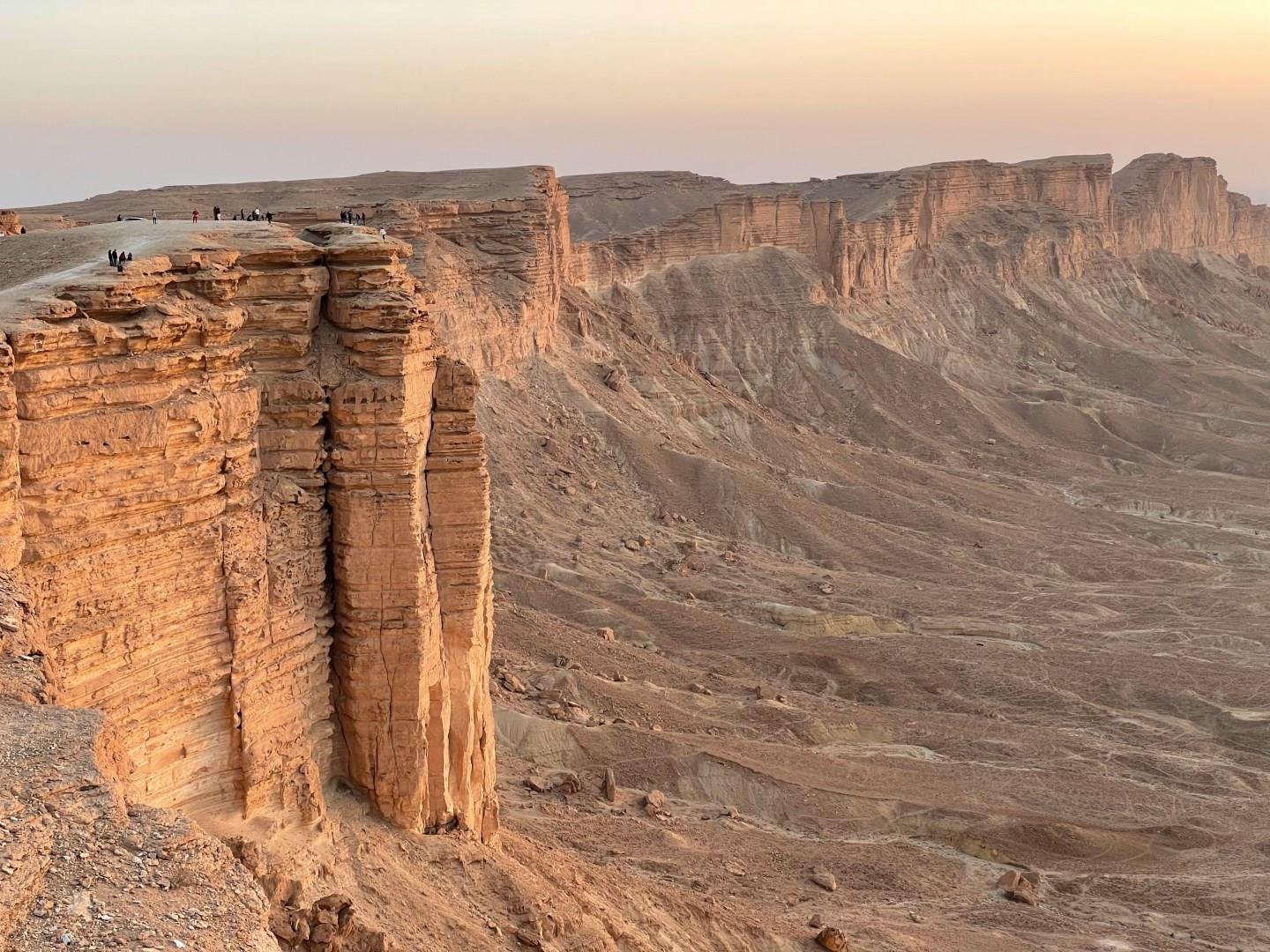
Riyadh
Riyadh blends stories from centuries with modern splendor. At its core stands Al Masmak Fortress, built of clay and mud-brick in the 19th century. It was the site that set the stage for the unification of Saudi Arabia. Today, it’s a museum that preserves weapons, historical displays, and accounts of that pivotal moment. Adjacent to the fortress, the Souq Al-Zal offers spices, traditional jewelry, and handmade crafts, connecting visitors to the city’s past through its alleyways.
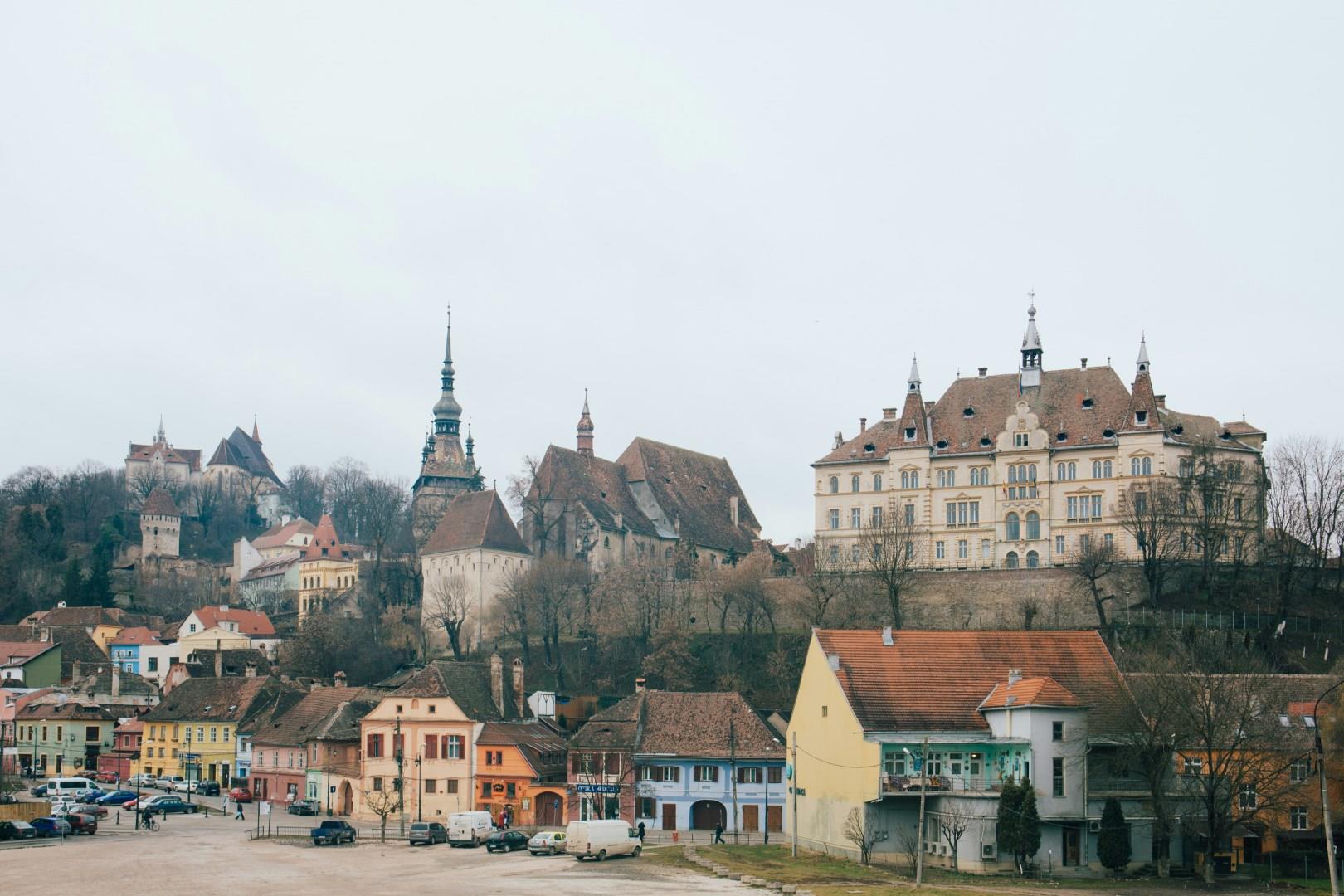
Sighisoara
Sighisoara rises above the Târnava Mare River as one of the few medieval citadels in Europe that is still lived in and admired today. Its historic center has been on the UNESCO World Heritage List since 1999, recognized for its long history as a fortified Saxon settlement and its role in trade and defense on the edges of central Europe. Wander through cobbled alleys framed by pastel-colored houses, and the layers of time feel close at hand, from the city walls and guild towers to busy cafés.
