
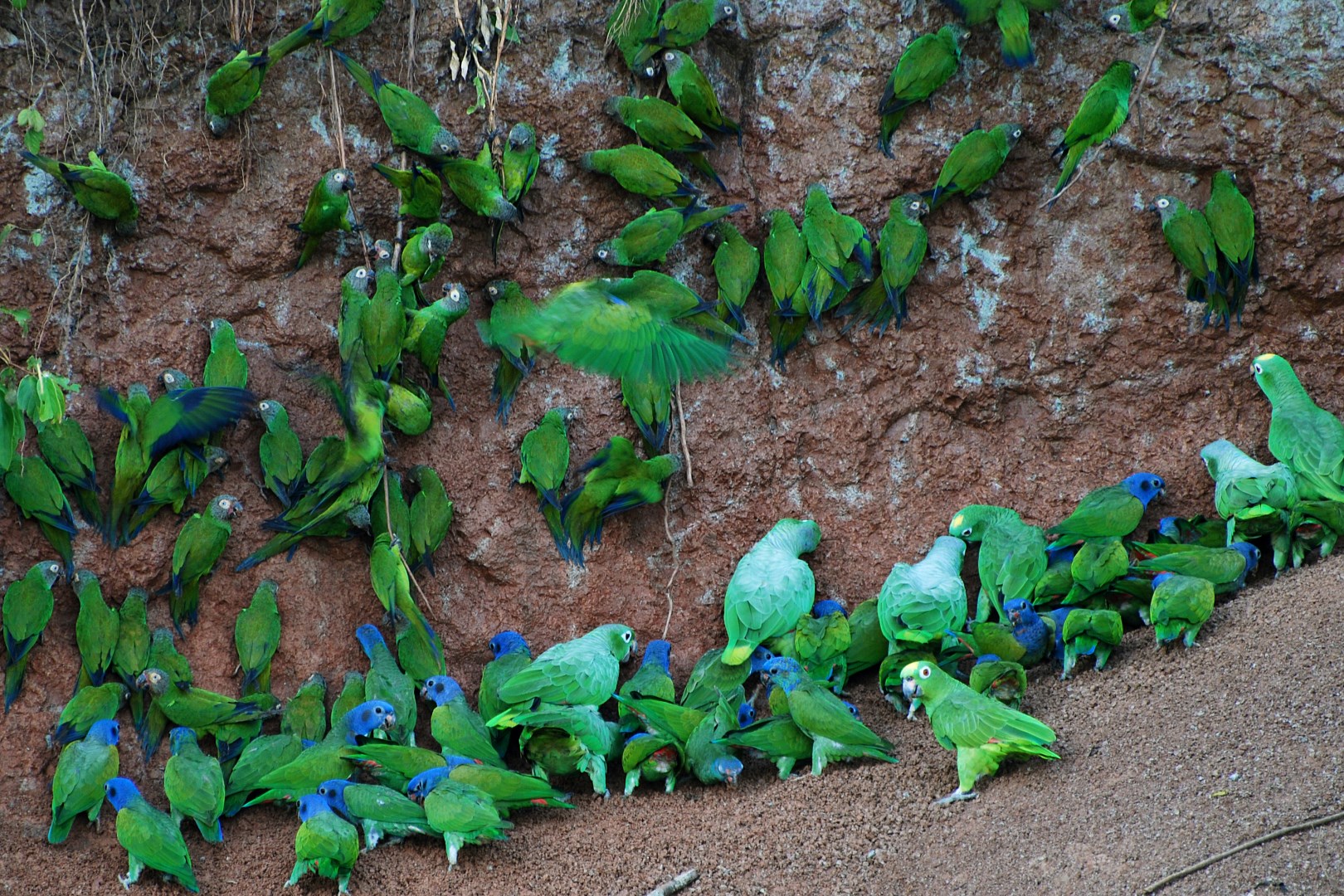
Yasuni National Park
Yasuní National Park lies in Ecuador’s Amazon region, between the Napo and Curaray rivers, and protects one of the country’s largest areas of lowland rainforest. The park contains dense tropical forest, rivers, lagoons, swamps, and seasonally flooded areas, creating a wide range of habitats. Its location near the equator and its varied terrain support exceptionally high biological diversity.

Šiaulia
Šiauliai, often referred to as the "City of the Sun" due to its high number of sunny days, is a vibrant gem in northern Lithuania. The city's most iconic landmark is the Hill of Crosses, a profound site of pilgrimage adorned with thousands of crosses placed by visitors over the decades. This unique and moving monument, which has been recognized by UNESCO for its cultural significance, symbolizes the resilience and spirit of the Lithuanian people.
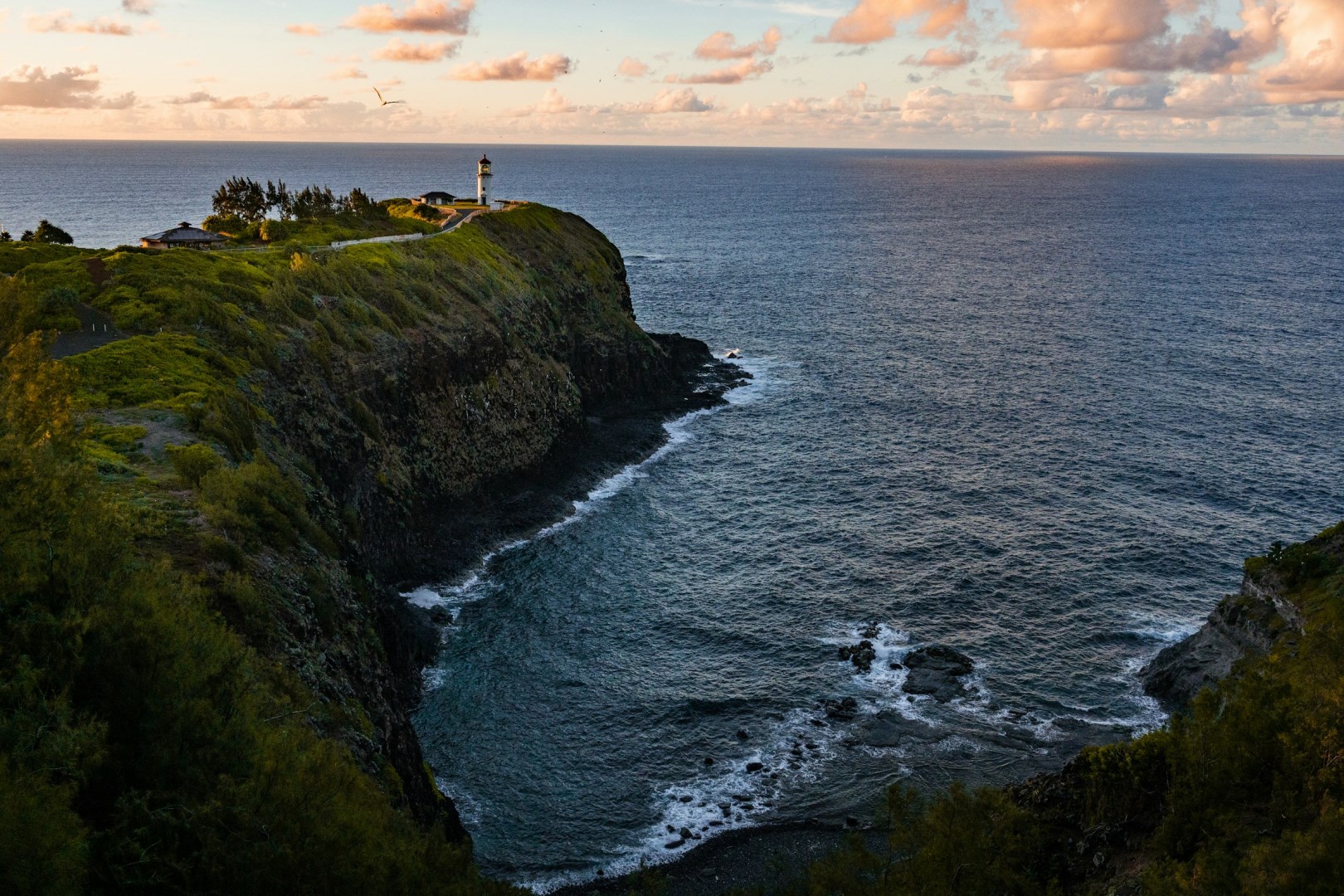
Kilauea, Hawaii
Kilauea is the world's largest active volcanic mass, located southeastern Hawaii Island. The central feature of Hawaii Volcanoes National Park is an elongated dome built of lava eruptions from a central crater and from lines of craters extending along east and southwest riffs or fissures.

Vidin
Nestled on the banks of the Danube River, Vidin, Bulgaria, is a city where history and scenic beauty converge. This ancient city, known for its well-preserved medieval fortress, the Baba Vida Castle, offers a unique glimpse into Bulgaria's past. The fortress, dating back to the 10th century, stands as one of the best-preserved medieval fortifications in the country.
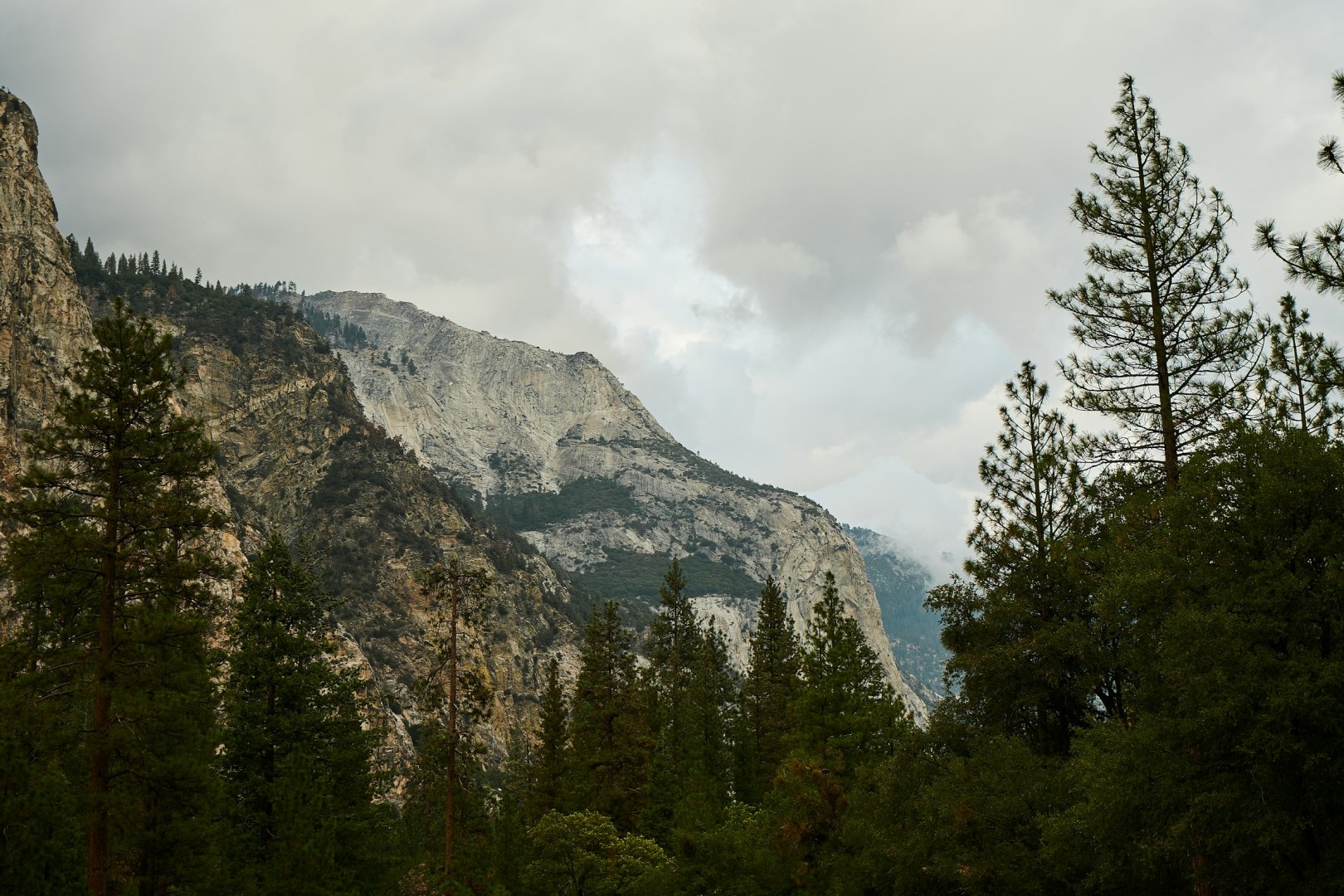
Kings Canyon National Park
Located in the southern Sierra Nevada mountain range, Kings Canyon National Park feaures high mountain meadows, swift flowing rivers, groves of giant Sequoia trees, and many miles of hiking trails to explore it all.
