
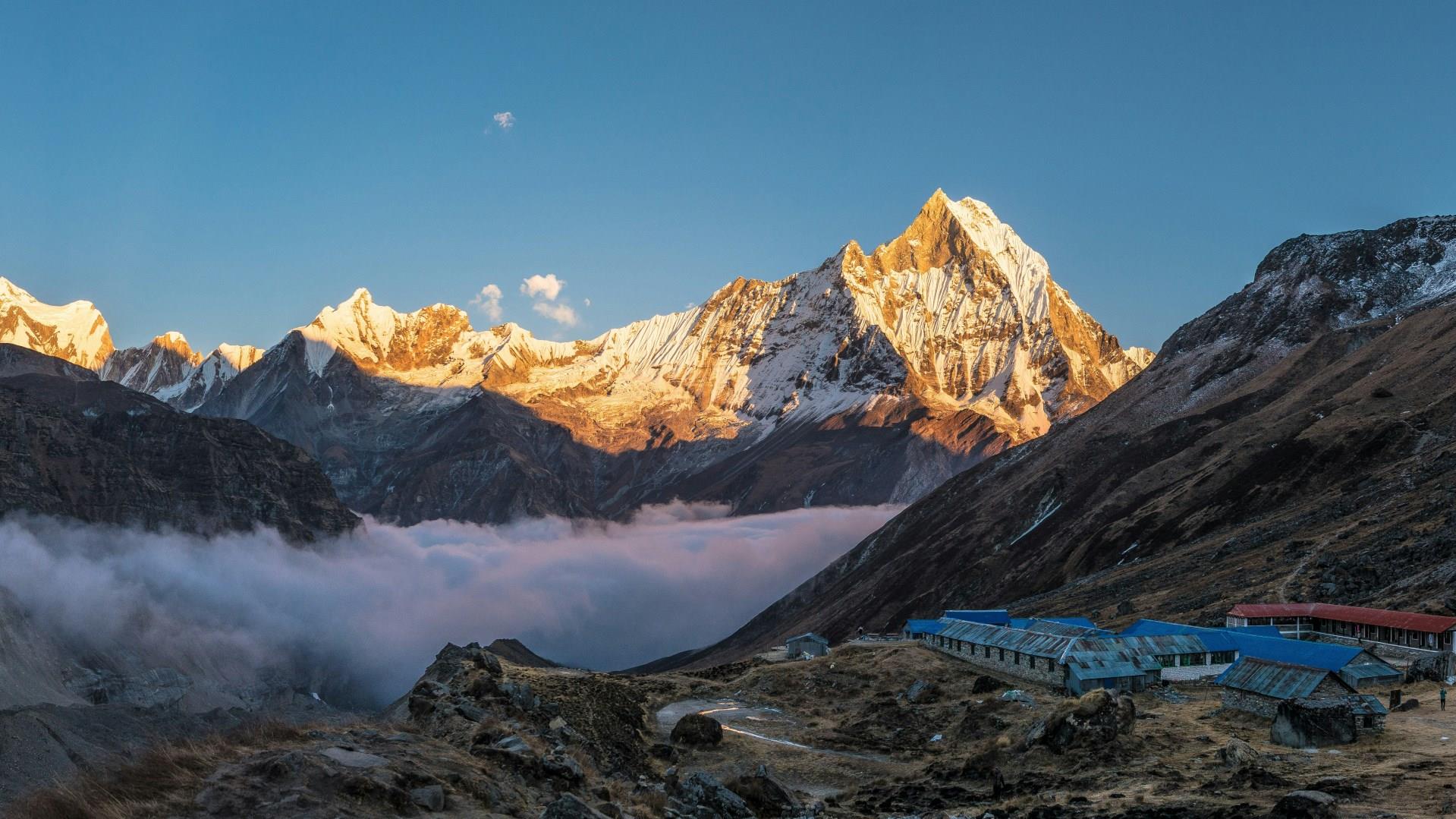
Annapurna
The Annapurna region of central Nepal is defined by both cultural depth and extreme topography. Home to a wide range of ethnic communities, including Gurung, Thakali, and Manangi peoples, the area has long been shaped by trans-Himalayan trade routes and mountain agriculture.
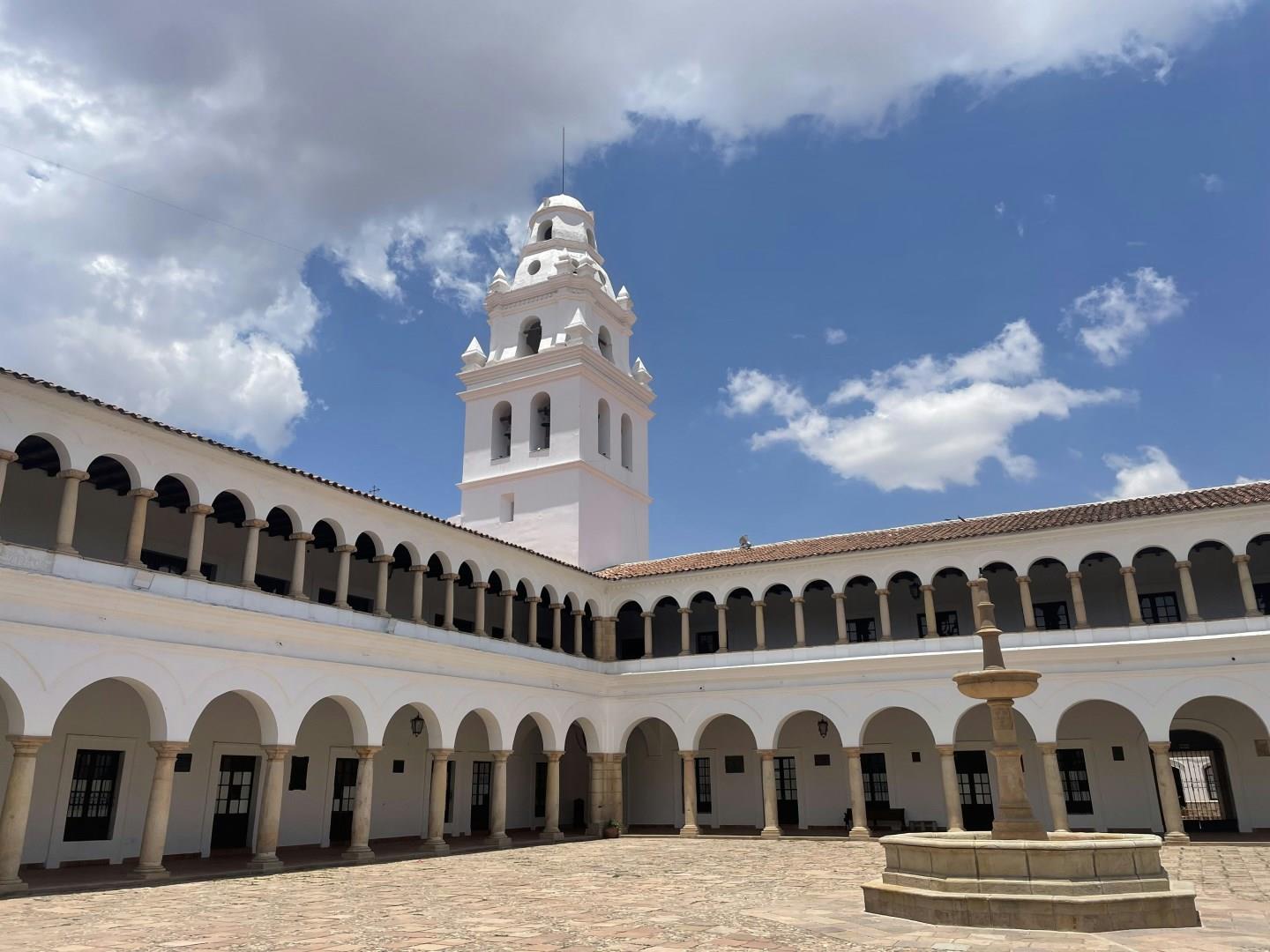
Sucre
Sucre, Bolivia’s constitutional capital, is a city steeped in history and colonial charm. Founded in the 16th century by the Spanish, it played a pivotal role in South America’s independence movements, earning its place as the birthplace of the Bolivian Republic.
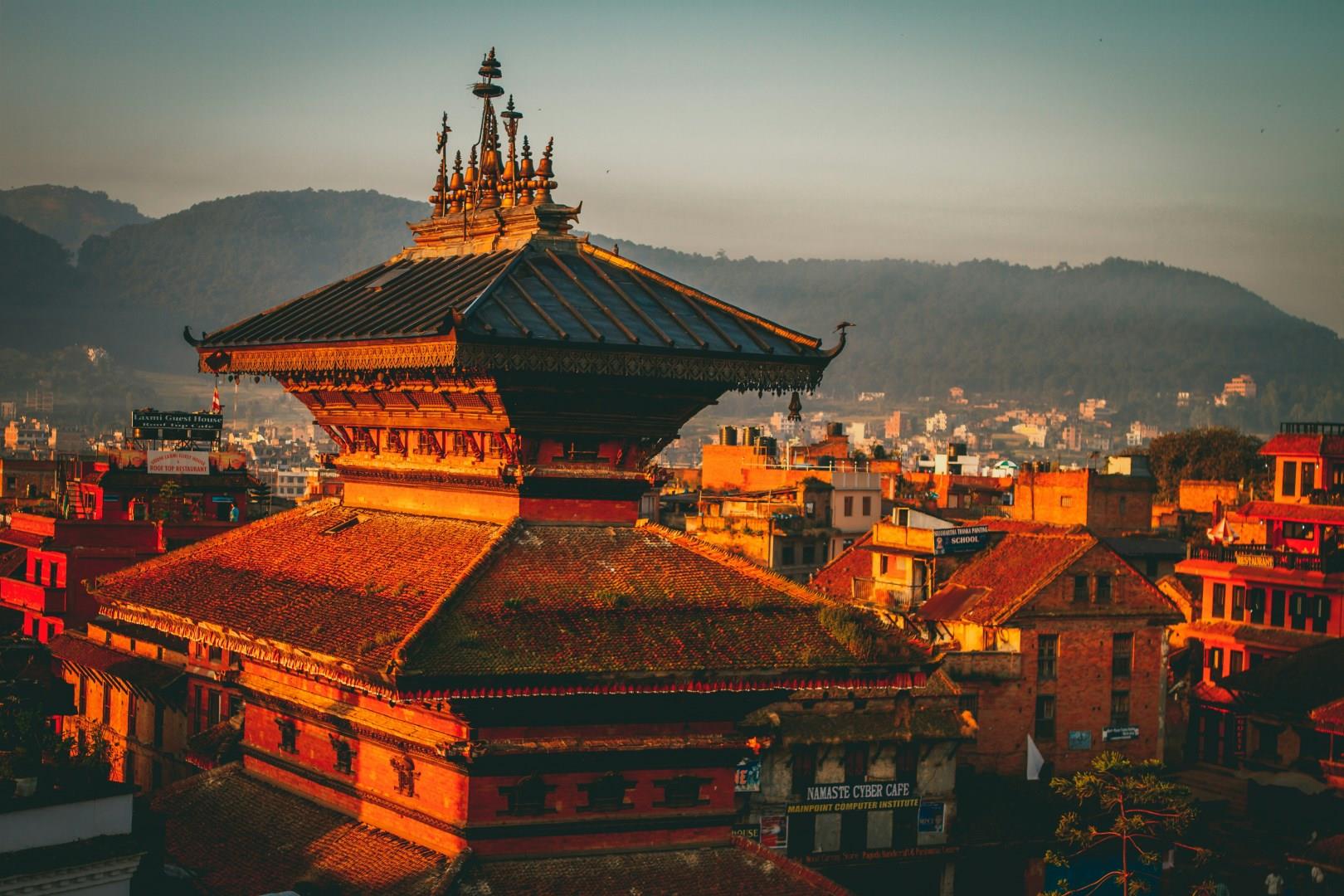
Bhaktapur
Bhaktapur, located just east of Kathmandu in Nepal, is a city where time seems to slow. Famous for its well-preserved medieval architecture, it is often called a “living museum” due to its abundance of temples, palaces, and courtyards.
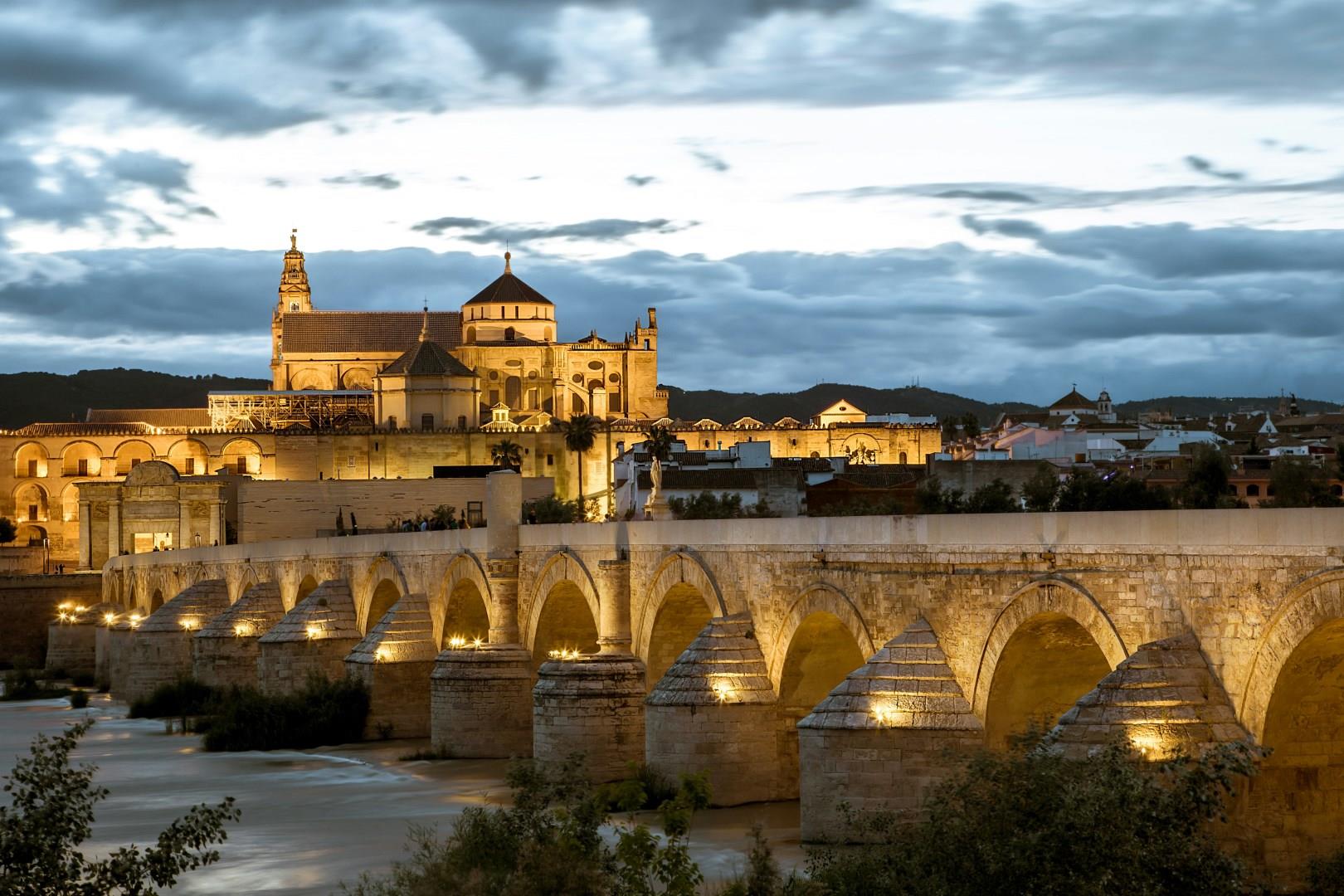
Córdoba
Córdoba, located in the heart of Andalusia, was once the most advanced city in Western Europe. During the 10th century, it served as the capital of Al-Andalus and was a center for learning, science, and art. Today, visitors walk the same streets that philosophers, poets, and physicians once crossed. The city’s most famous landmark, the Mezquita-Catedral, reflects its layered past. The red and white horseshoe arches inside are one of the most photographed interiors in Spain.
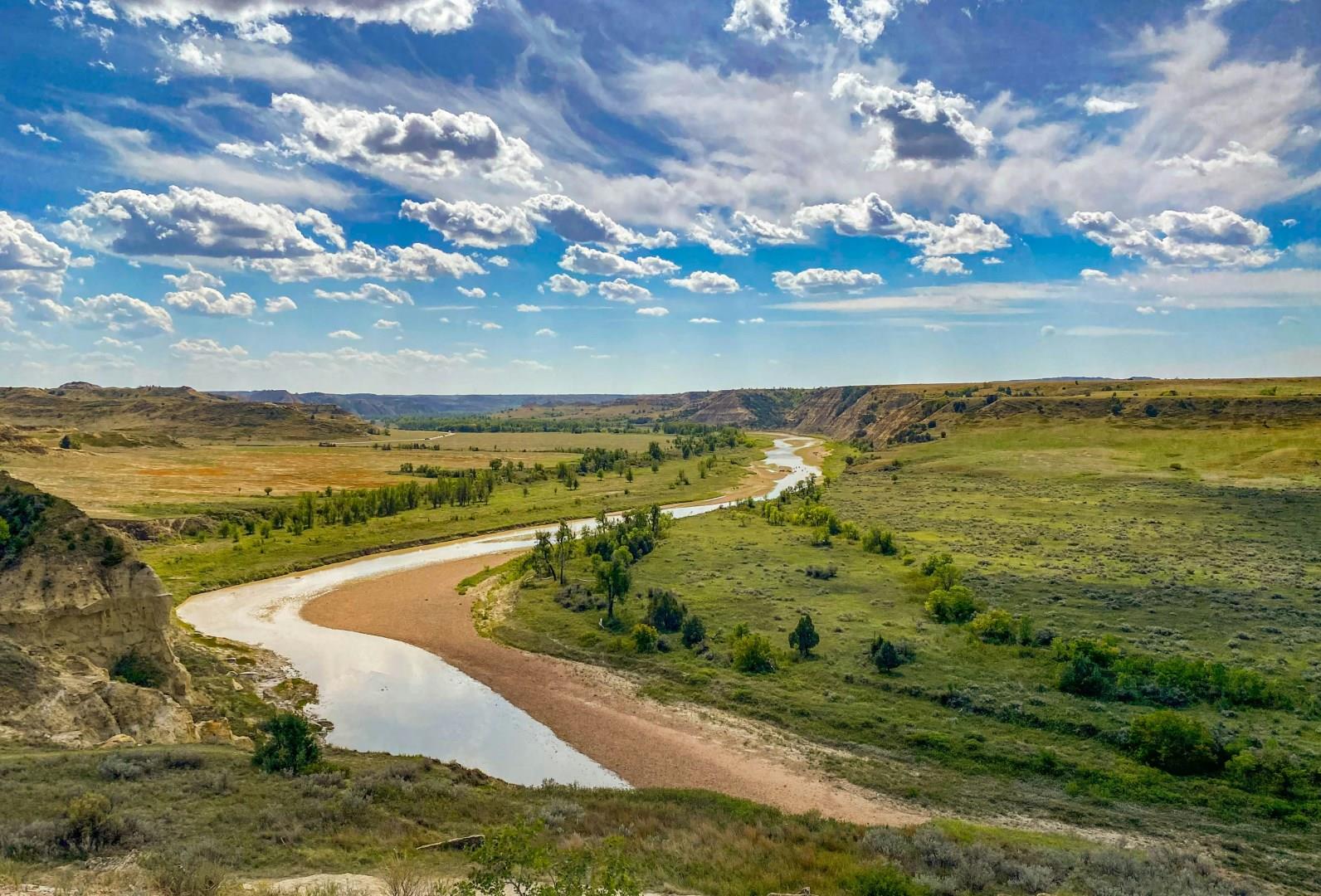
Theodore Roosevelt National Park
Theodore Roosevelt National Park, tucked into the rugged badlands of western North Dakota is where a young Theodore Roosevelt came to recover after the loss of his wife and mother in the same day. He bought a ranch, rode the open plains, and found the resolve that would later define his presidency. Today, the park named in his honor preserves that same wild spirit. Visitors can still see Roosevelt’s original Maltese Cross Cabin near the park's entrance and walk trails he once rode on horseback.
