
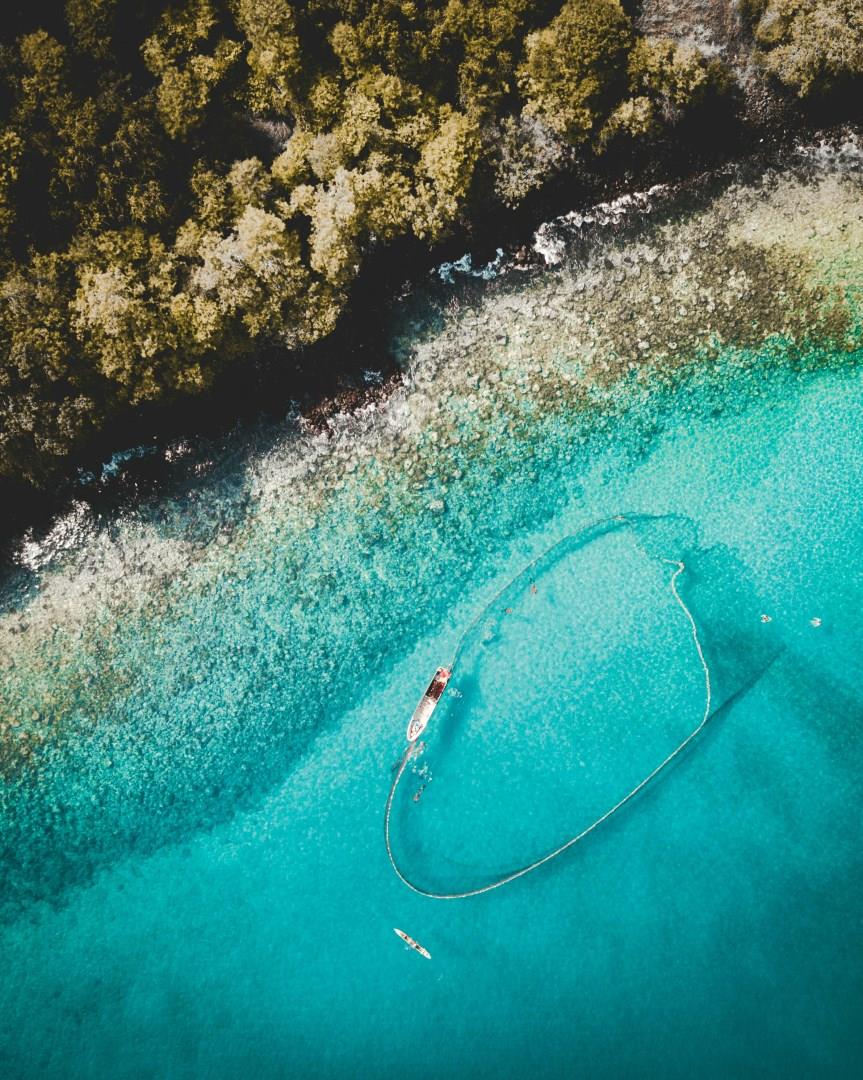
Sao Tome & Principe
São Tomé & Príncipe, a two-island nation in the Gulf of Guinea, is one of Africa’s smallest yet most captivating destinations. Known for its unspoiled landscapes, it offers lush rainforests, volcanic peaks, and secluded beaches.
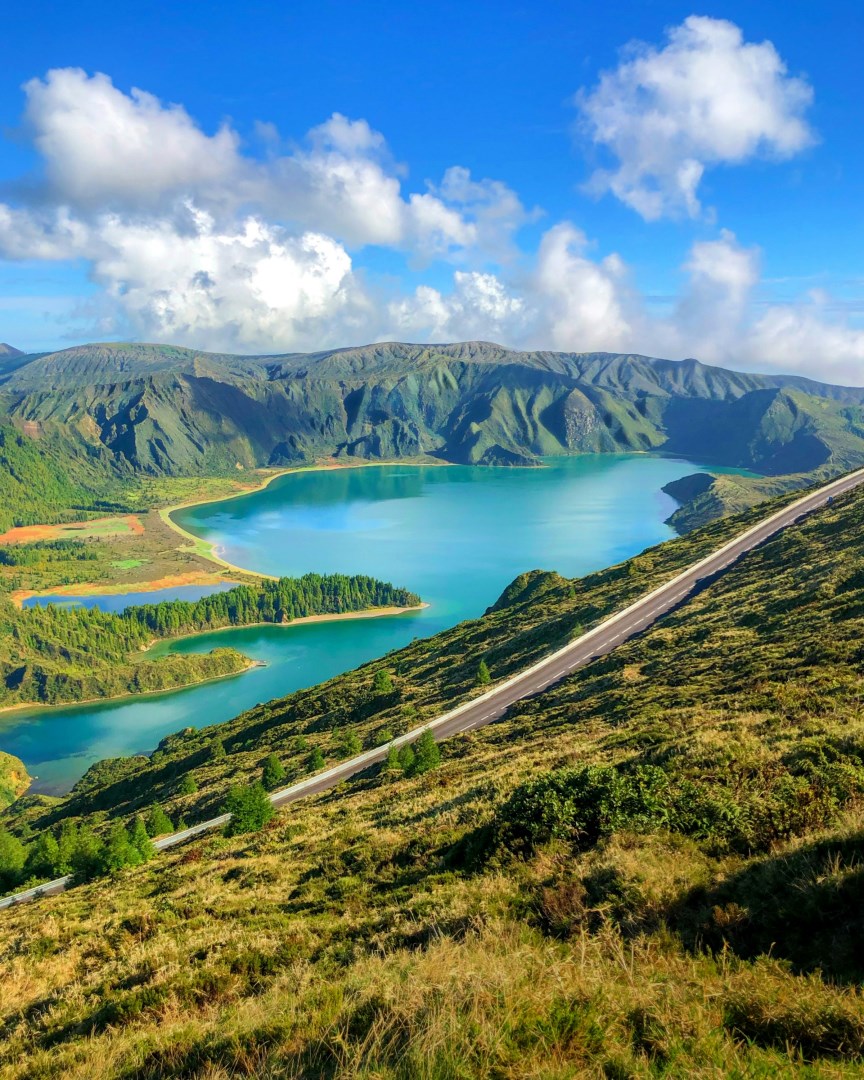
Lagoa do Fogo
Lagoa do Fogo is a volcanic crater lake on São Miguel Island in Portugal’s Azores archipelago. Set within a protected landscape in the island’s central highlands, the lake occupies a large caldera surrounded by steep slopes covered with native vegetation. Its remote setting and undeveloped shoreline distinguish it from the more settled areas of São Miguel.
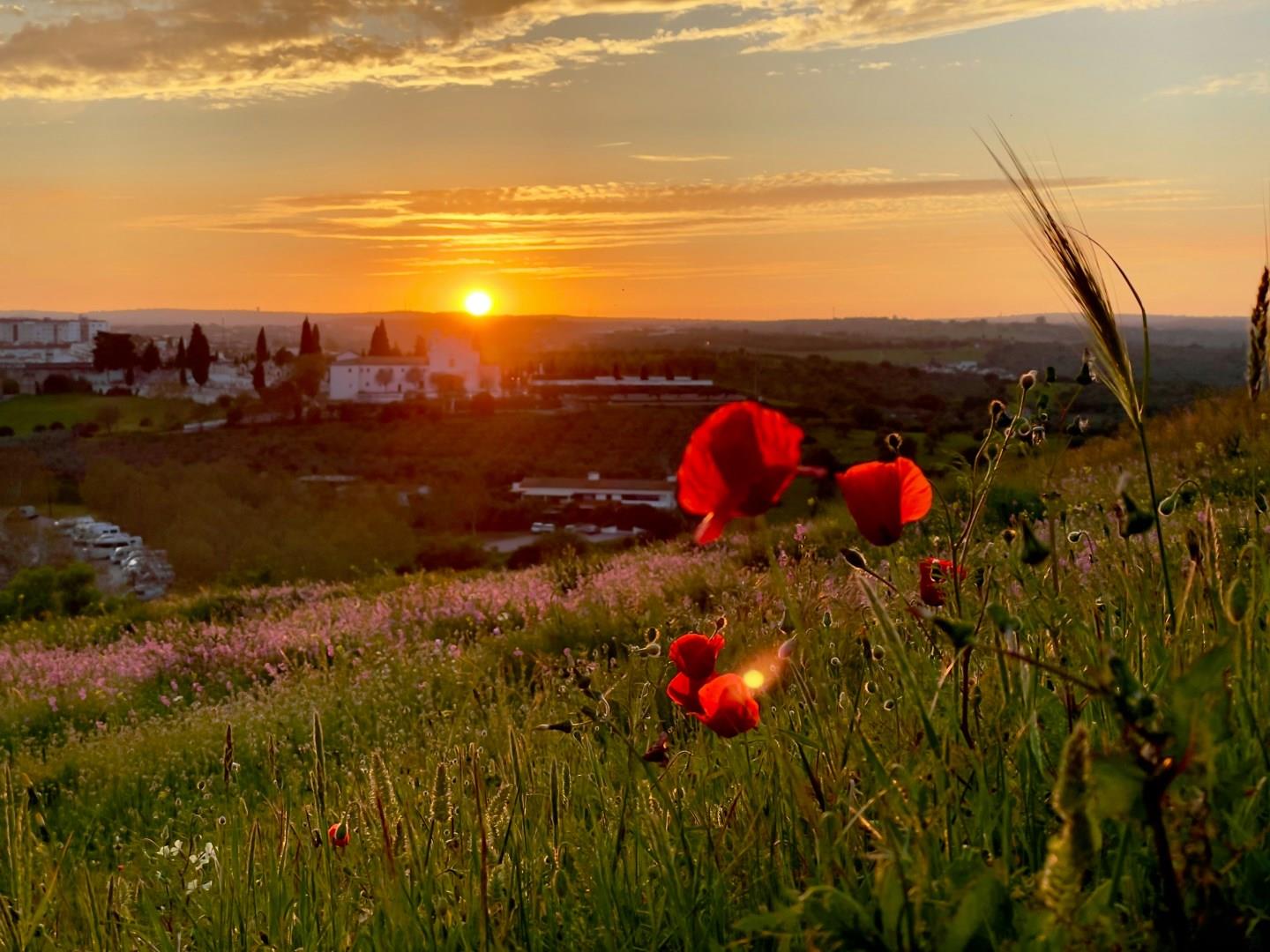
Elvas
Elvas rises from the Alentejo plains near the Spanish border as one of Portugal’s most striking fortified towns, shaped by centuries of defense, resilience, and daily life along the frontier. Encircled by an immense network of walls, bastions, and hilltop forts, the town tells a clear story of strategy and survival, from the sweeping views at Forte da Graça to the quiet streets within the historic center.
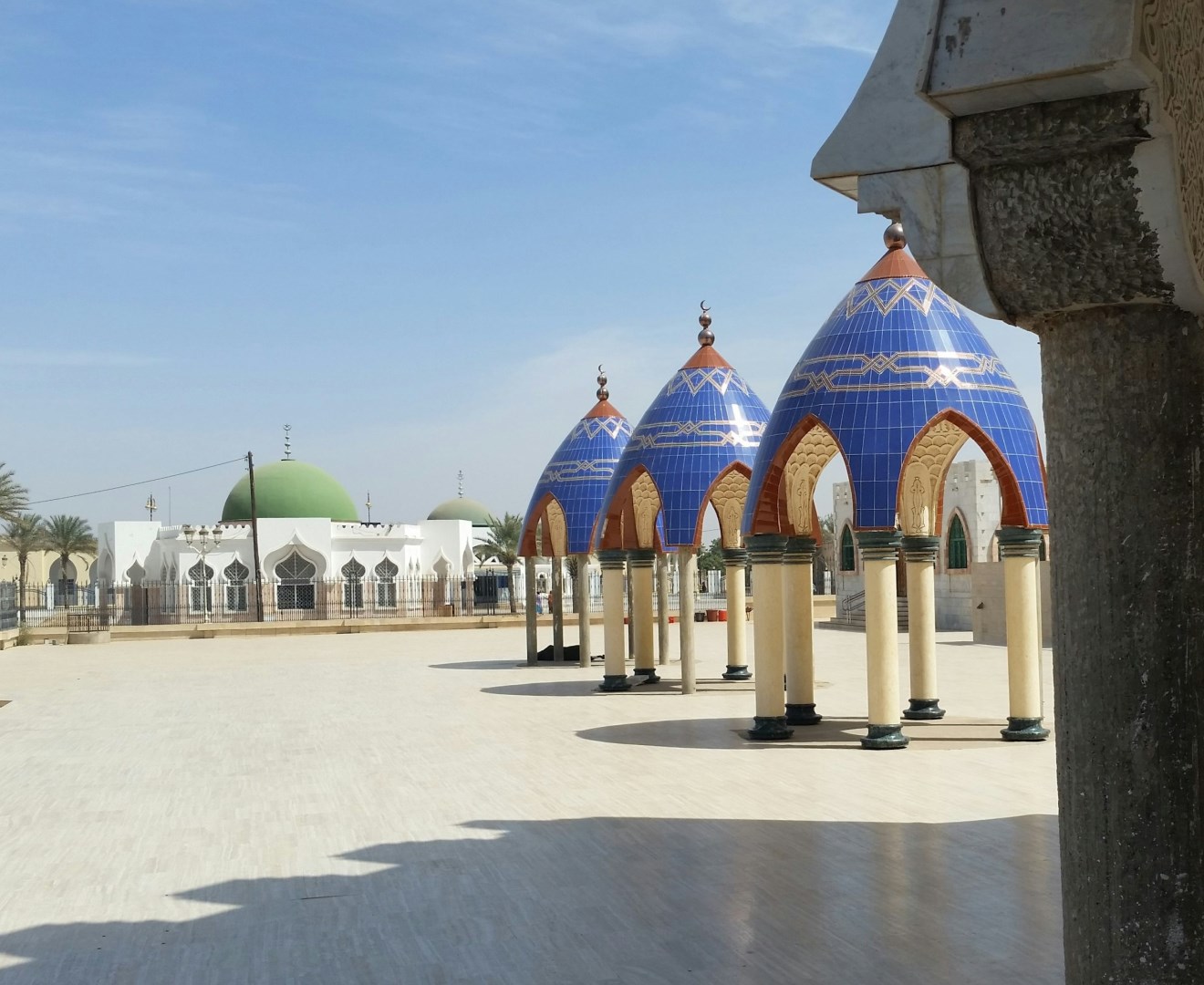
Touba
Touba is a major religious city in central Senegal and the spiritual center of the Mouride Muslim community. Located in the Diourbel Region, the city is dominated by the Great Mosque of Touba and the mausoleum of Sheikh Ahmadou Bamba, founder of the Mouride order.
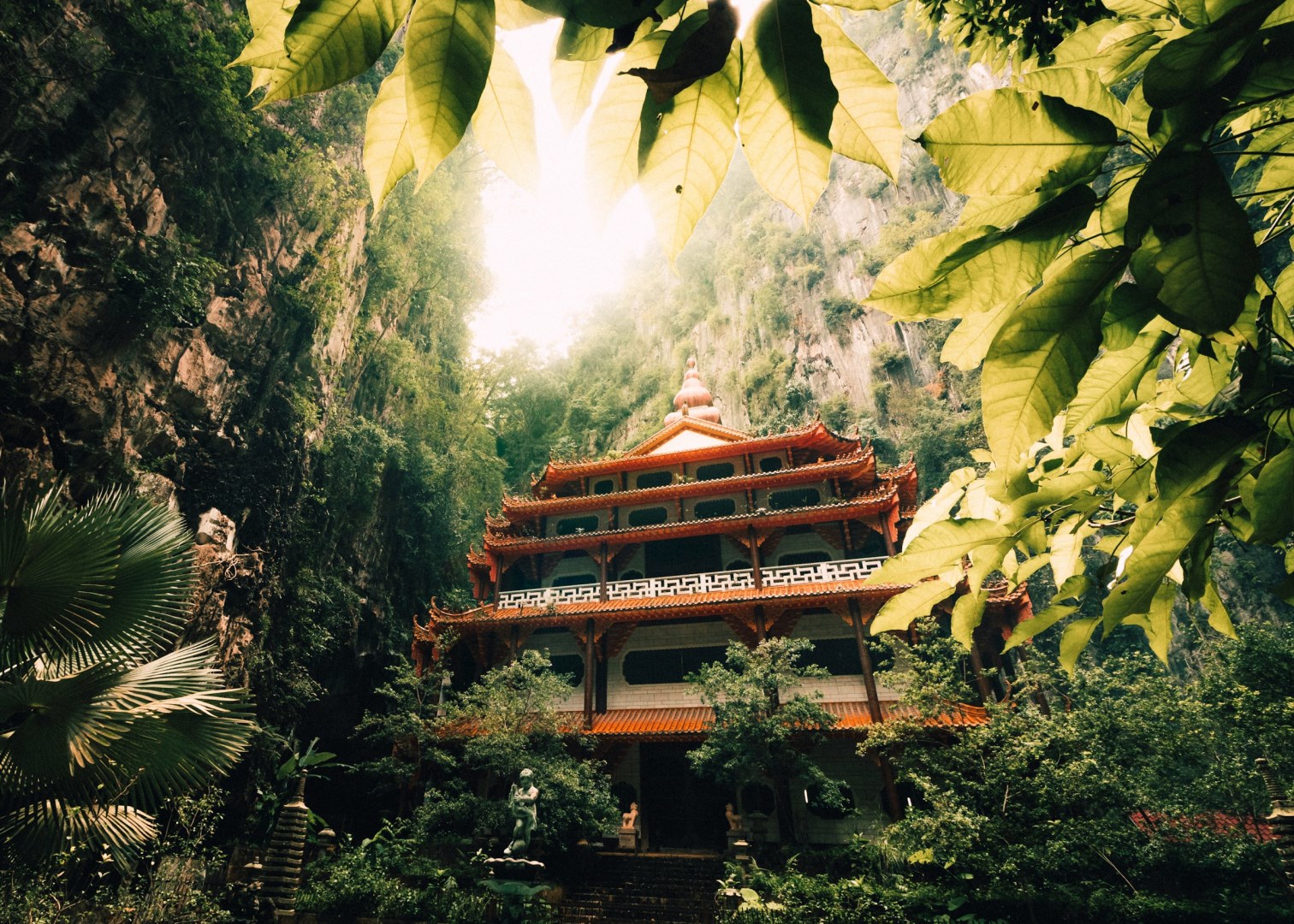
Ipoh
Ipoh is the capital of Perak in northwestern Peninsular Malaysia, surrounded by limestone hills and a landscape shaped by the Kinta Valley. The city developed as a major center for tin mining, and remnants of that period remain visible in its historic buildings, streets, and former mining areas.
