

Panama
Panama is a country shaped by its geography and defined by its role in global history. The Panama Canal remains its most iconic feature as a 50-mile engineering marvel that connects the Atlantic and Pacific Oceans. Visitors can watch ships pass through the Miraflores Locks from a dedicated observation deck or explore the interactive museum that explains how the canal changed international trade forever.
Suchitoto
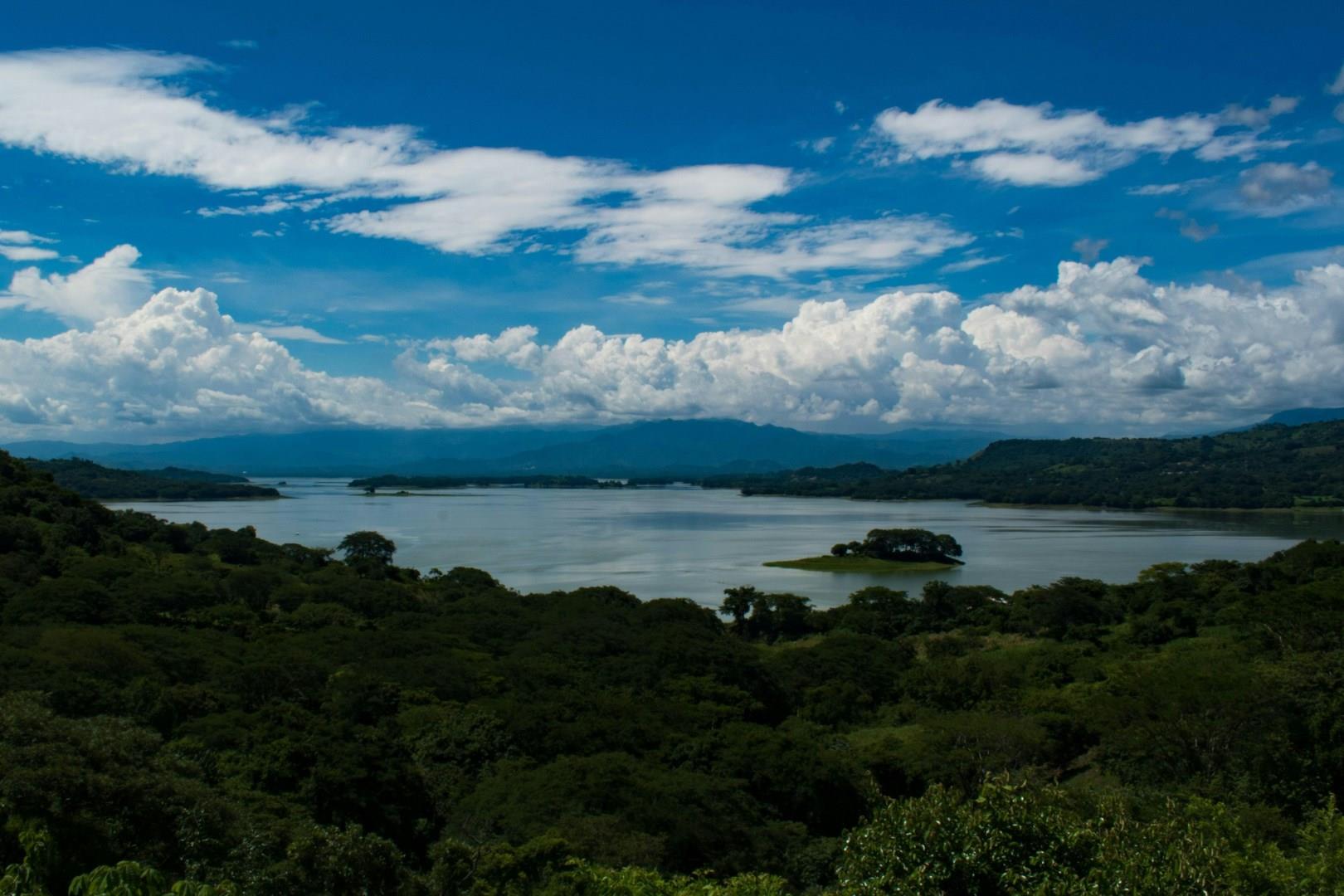
Suchitoto, located in the Cuscatlán department of El Salvador, is a hilltop town known for its cobblestone streets and scenic views of Lake Suchitlán. Once an important center for indigo production, the town still celebrates its dye-making history through artisan workshops where visitors can learn to create textiles using natural indigo. The name “Suchitoto” comes from the Nahuatl language and means “place of flowers and birds,” a nod to the area’s diverse birdlife and surrounding vegetation.
Como
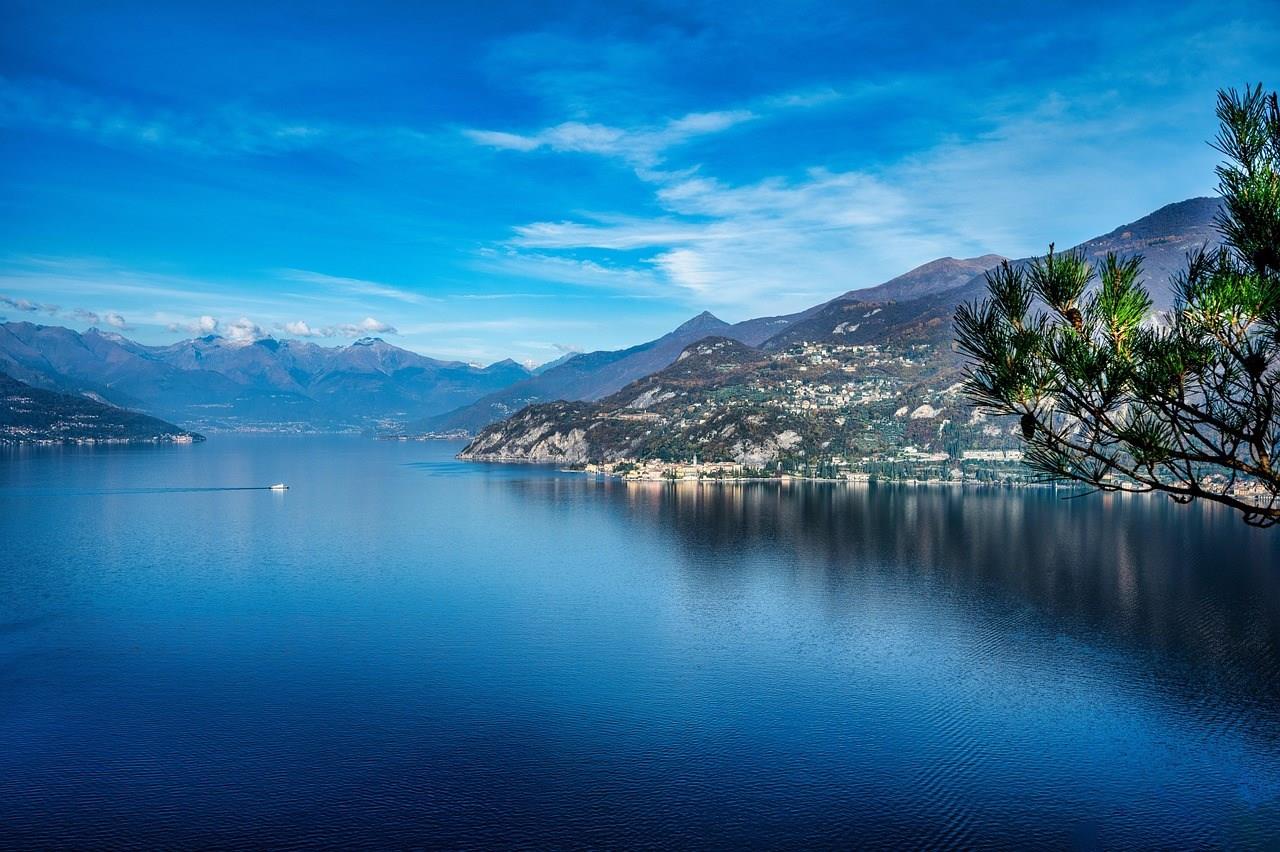
A visit to Como is like looking through a manual on the history of architecture. Its ancient walls, the Duomo with its rich Gothic-Renaissance façade, the Broletto, the Castel Baradello, the Romanesque basilicas of Sant'Abbondio and S. Fedele, the myriad of monuments created by the Comacini Masters, and the modern architectural lines, all represent foundations of the urban and tourist fabric, interwoven with unforgettable splendor.

Brussels
Brussels, the vibrant capital of Belgium, offers a perfect blend of medieval charm and modern sophistication. At its heart lies the iconic Grand Place, a UNESCO World Heritage Site known for its stunning Gothic and Baroque guildhalls.

Baja California Sur
Baja California Sur is state located in Northwestern Mexico, on the Baja California peninsula. The capital is La Paz. The area is lightly populated. Tourism is the economic mainstay of this region, centered around the beach resort area, Los Cabos. Sport fishing is a major attraction, as well as having some of the best beaches Baja has to offer.
