
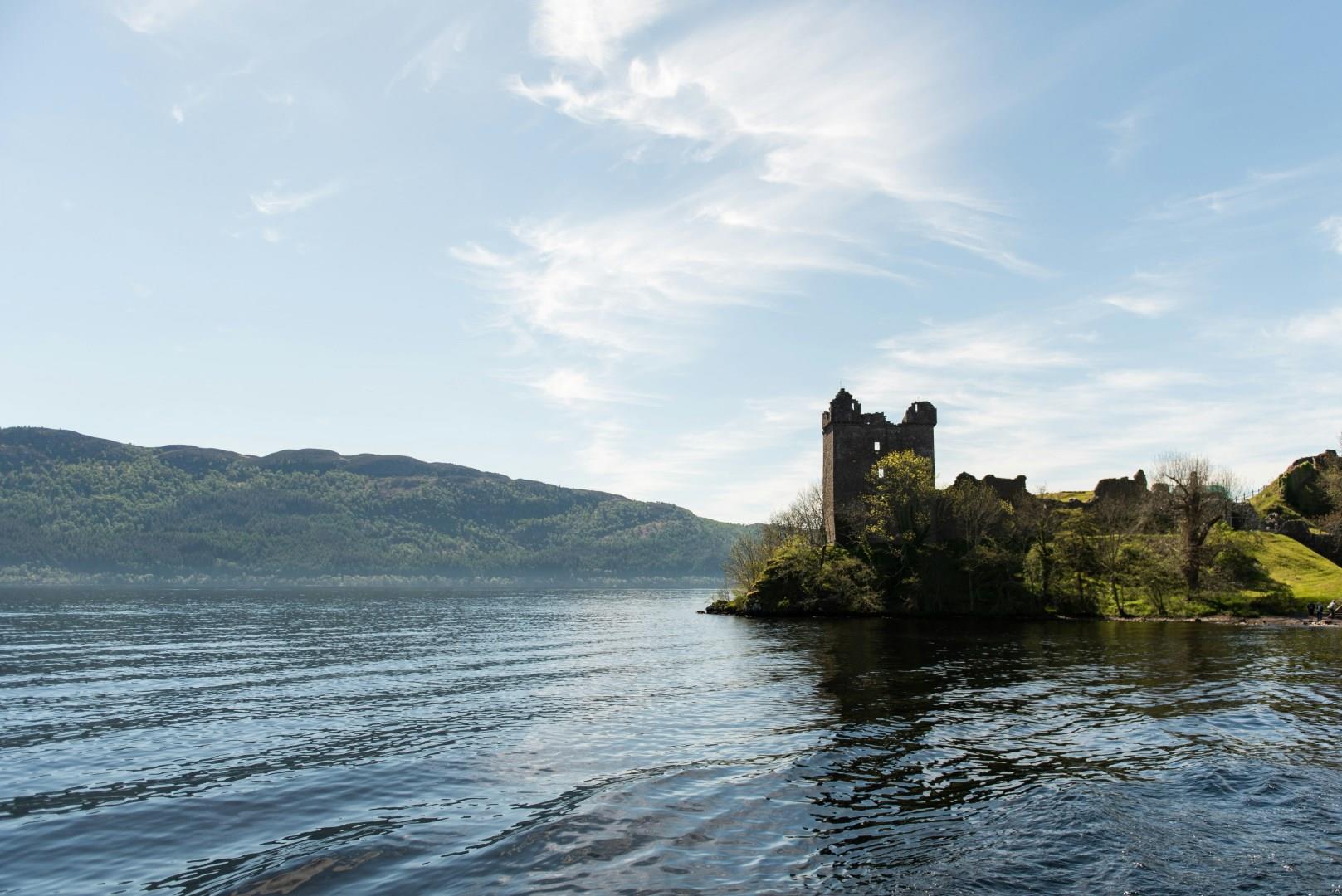
Loch Ness
Loch Ness stretches over 23 miles through the Scottish Highlands, holding more freshwater than all the lakes in England and Wales combined. Best known for its elusive resident, the so-called Loch Ness Monster, the loch has sparked international curiosity since the first modern "sighting" in 1933. While Nessie remains elusive, the surrounding landscape offers clear reasons to visit with steep hillsides, forested trails, and ancient ruins framing one of Scotland’s most iconic bodies of water.
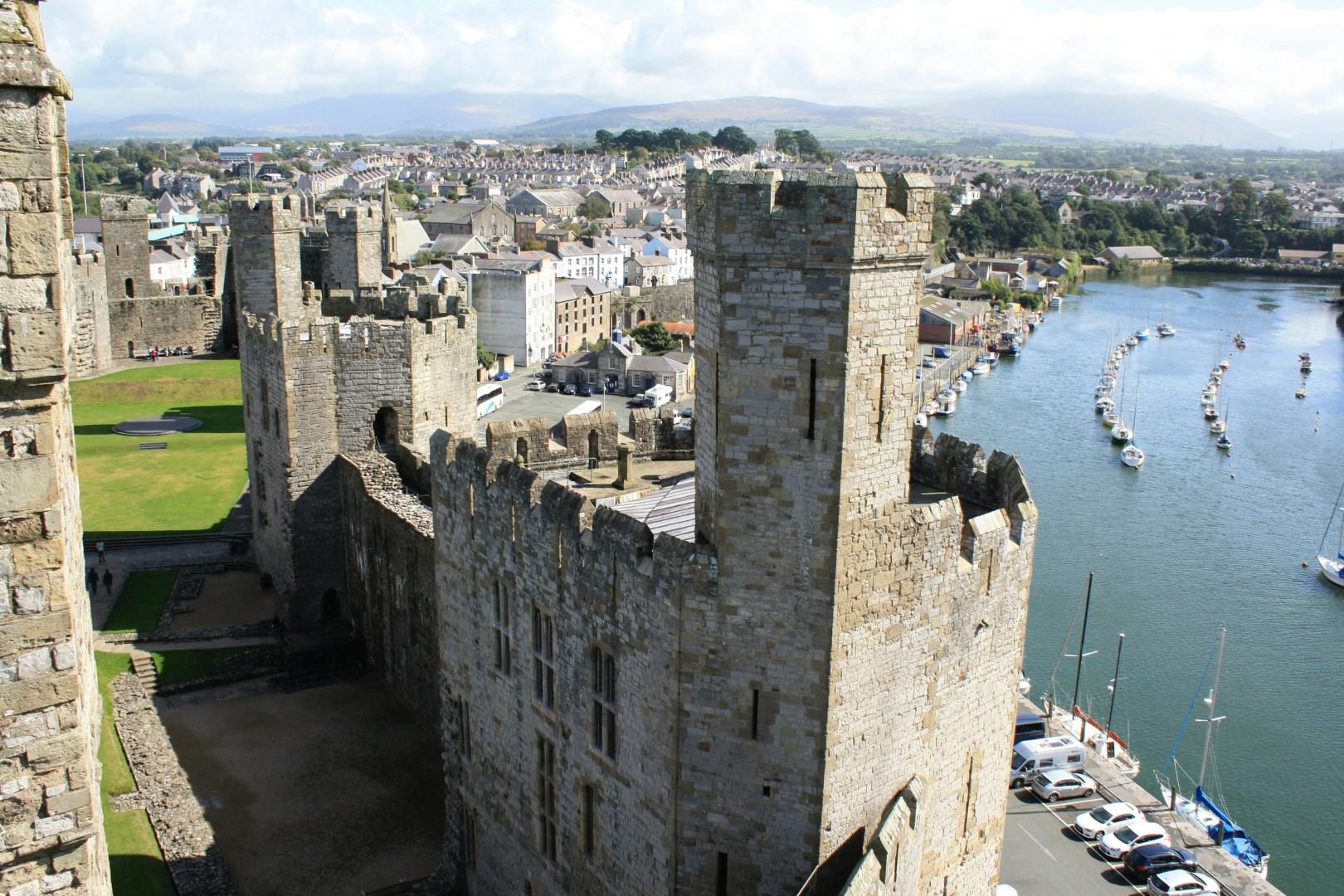
Caernarfon
Caernarfon, a town in northwest Wales, is famed for its medieval heritage, most notably Caernarfon Castle, a UNESCO World Heritage Site built by Edward I in the late 13th century.

Guatemala
Guatemala is a country where ancient history and living tradition meet in unexpected ways. The ruins of Tikal, once a major center of the Maya civilization, rise from the dense Petén jungle. Visitors can climb stone temples that pierce the forest canopy and listen for howler monkeys echoing through the trees. Tikal National Park, a UNESCO World Heritage Site, contains over 3,000 structures and still holds secrets under layers of earth and vegetation.

Seychelles
The Seychelles, an archipelago of 115 islands in the Indian Ocean, is renowned for its turquoise waters, white-sand beaches, and lush tropical landscapes.
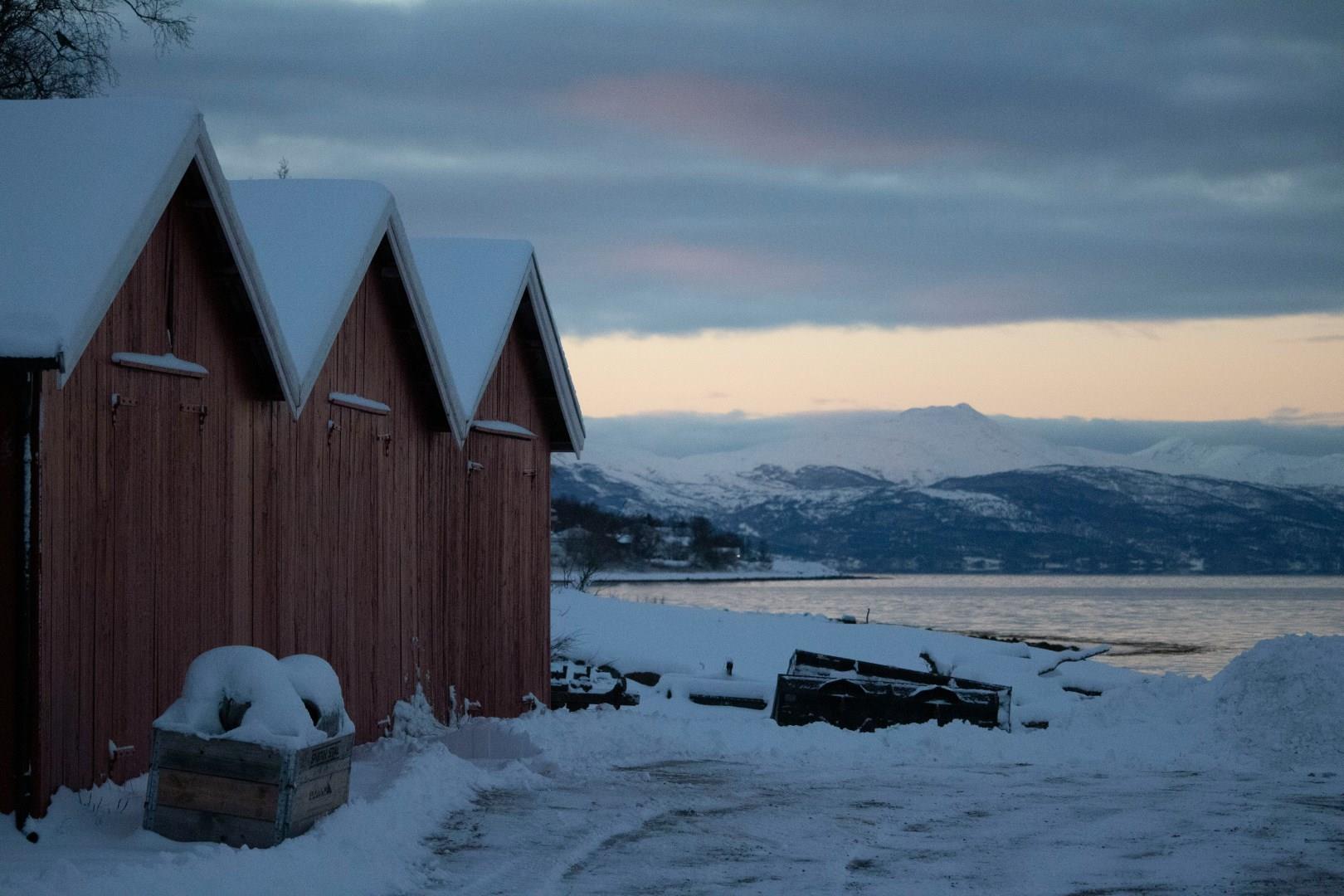
Narvik
Narvik’s most striking features is its natural setting. The town sits between steep fjords and rugged mountains, making it one of the few places in Norway where visitors can ski with ocean views. Narvikfjellet, the local mountain resort, operates in both winter and summer. During the colder months, it's popular for alpine skiing and northern lights viewing; in summer, the gondola runs for hikers and photographers eager to take in views of the Ofotfjord from the summit.
