

Spitzkoppe
Spitzkoppe, often referred to as the "Matterhorn of Namibia," is a stunning granite peak rising majestically from the desert floor, offering some of the most dramatic landscapes in the country. Located between Usakos and Swakopmund, this isolated mountain range, with its highest point standing at 1,728 meters, is a paradise for hikers, climbers, and nature lovers. The area is also rich in ancient San rock art, providing visitors with a glimpse into Namibia's prehistoric past.
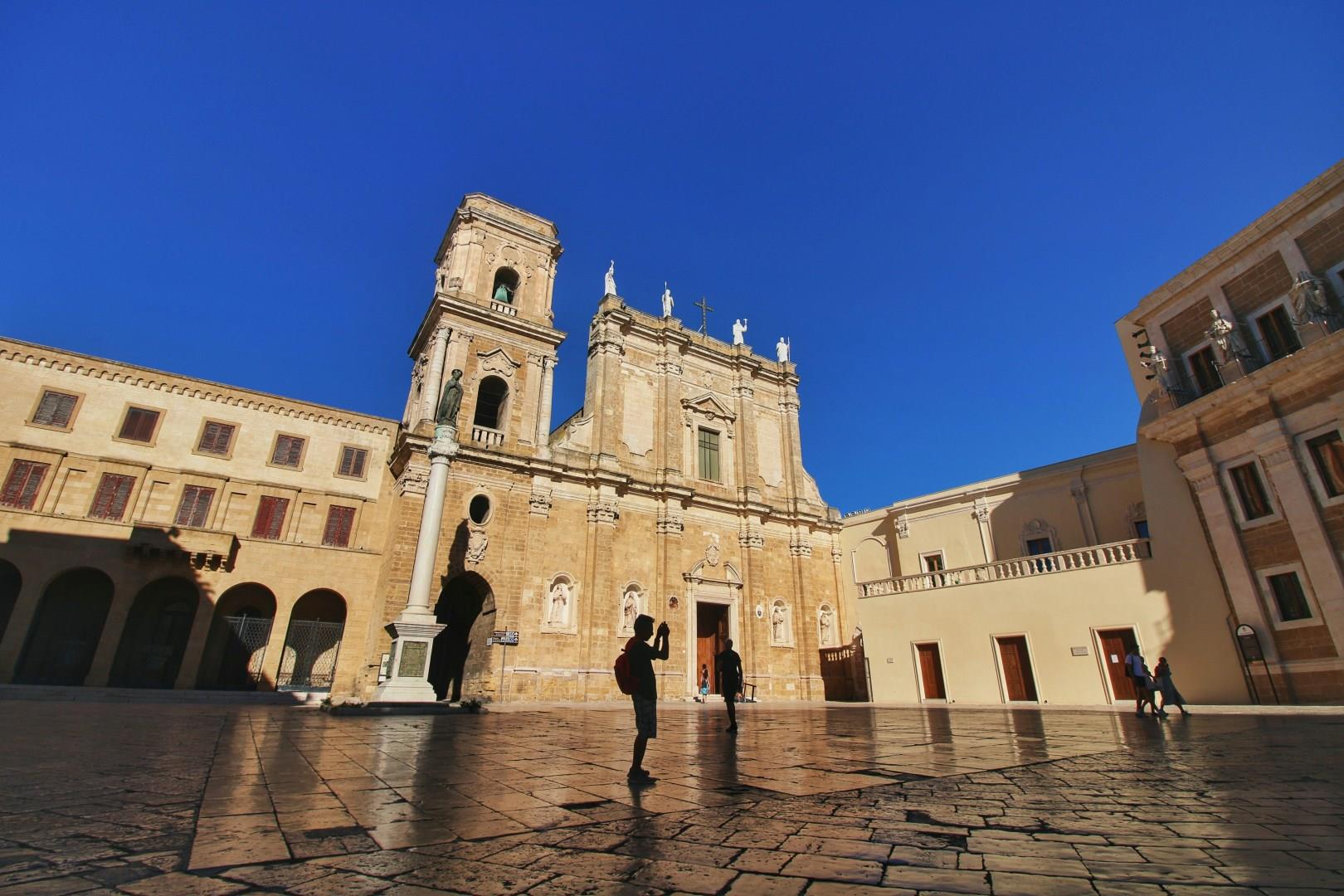
Brindisi
Italy’s port city of Brindisi, tucked along the Adriatic coast in the Puglia region, has been a gateway to the East for over two thousand years. Once the Roman Empire’s main departure point for the Via Appia, the road to Greece and beyond, Brindisi still bears traces of its ancient past, from Roman columns to remnants of old harbors that once welcomed traders, pilgrims, and soldiers.

Inside Passage
This coastal route runs between the Gulf of Alaska and Puget Sound, and is a popular route for cruise ships. Cruise passengers can expect to see a breathtaking amount of wildlife, as well as Ketchikan, Wrangell, Prince of Wales, Sitka, Juneau, Haines, Skagway and Glacier Bay.
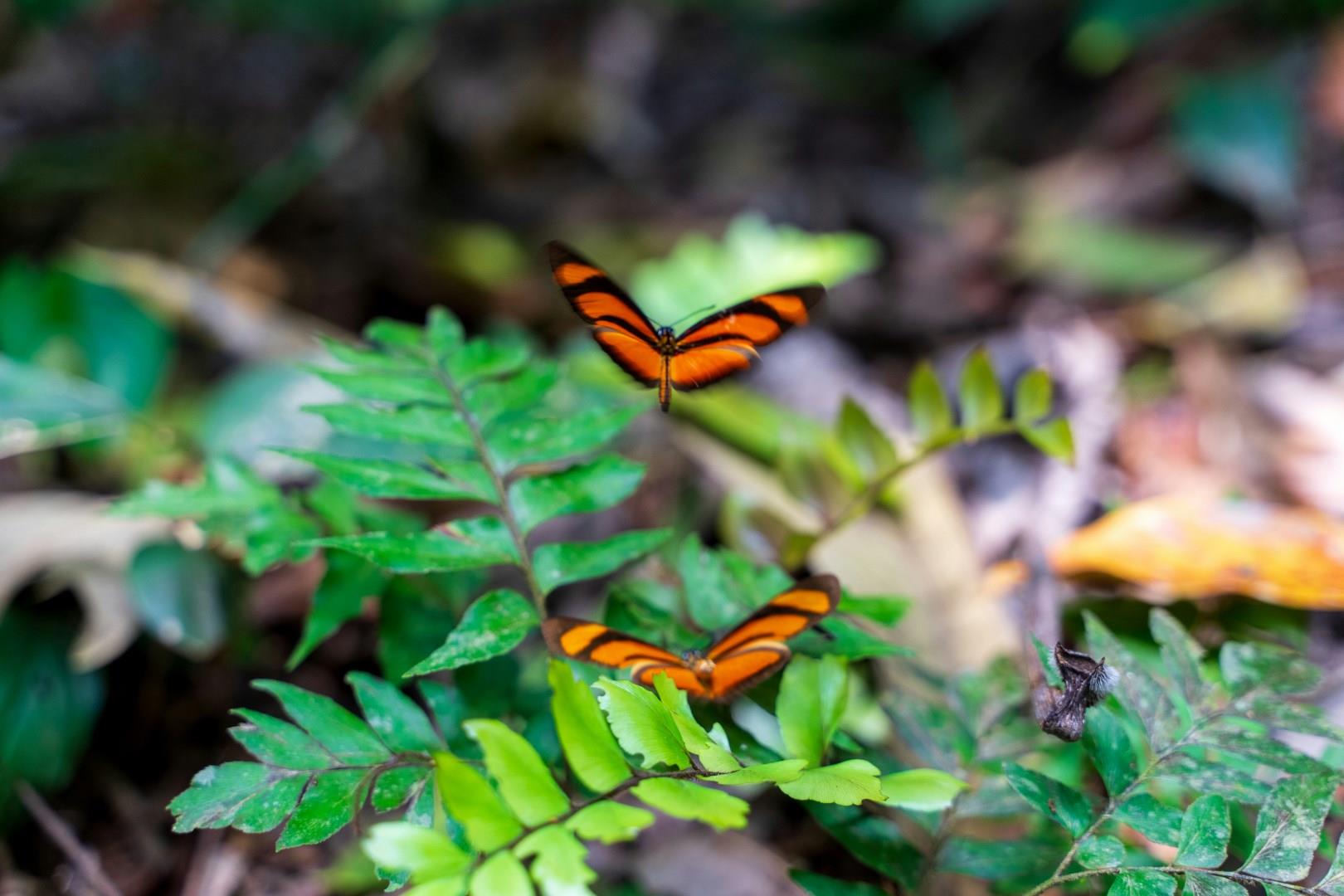
Tambopata
Located in the Madre de Dios region of southeastern Peru, Tambopata is a protected area where visitors can experience the Amazon rainforest in its rawest form. The Tambopata National Reserve spans over 270,000 hectares and is home to an estimated 1,200 butterfly species, 600 bird species, and hundreds of tree varieties. One of its most famous residents is the jaguar, though sightings are rare. More common encounters include red howler monkeys, capybaras, and giant river otters.
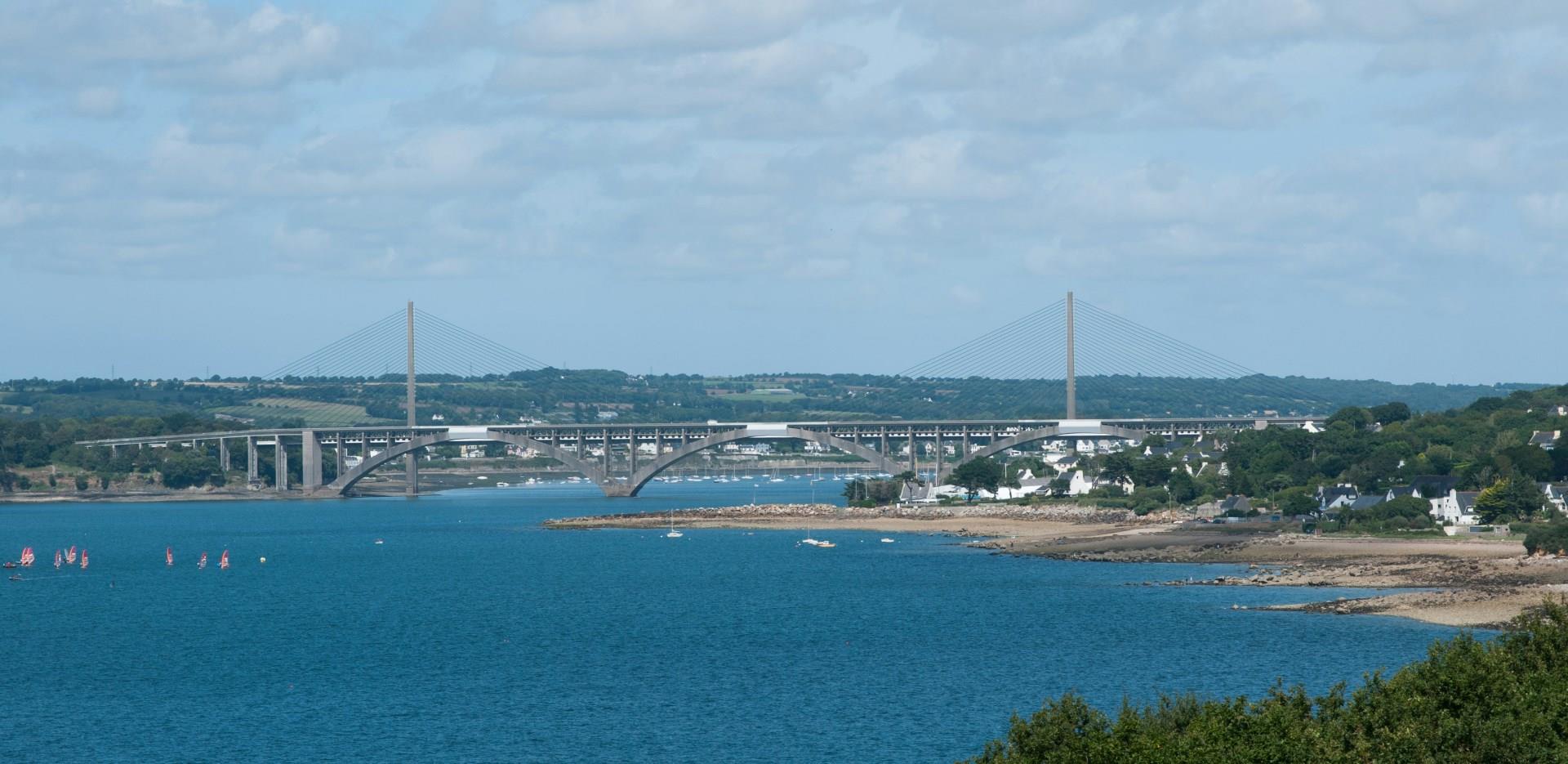
Brest
Brest sits at the western edge of Brittany, facing the Atlantic and shaped by its role as a strategic naval port. Much of the city was rebuilt after World War II, giving it a modern layout that contrasts with older Breton towns, yet its history remains closely tied to the sea.
