

Togo
Togo, a narrow country in West Africa, stretches from the Gulf of Guinea in the south to savanna landscapes in the north. Its diverse cultures and languages, combined with vibrant music and dance traditions, create a lively and colorful atmosphere throughout the country.

Kirkwall Orkney Island
Kirkwall, the vibrant capital of the Orkney Islands, Scotland, is a place where history and culture intertwine with stunning natural landscapes. Founded by Norse settlers over a thousand years ago, Kirkwall is steeped in Viking heritage, with its centerpiece, the magnificent St. Magnus Cathedral, standing as a testament to the town’s medieval past.
Bled
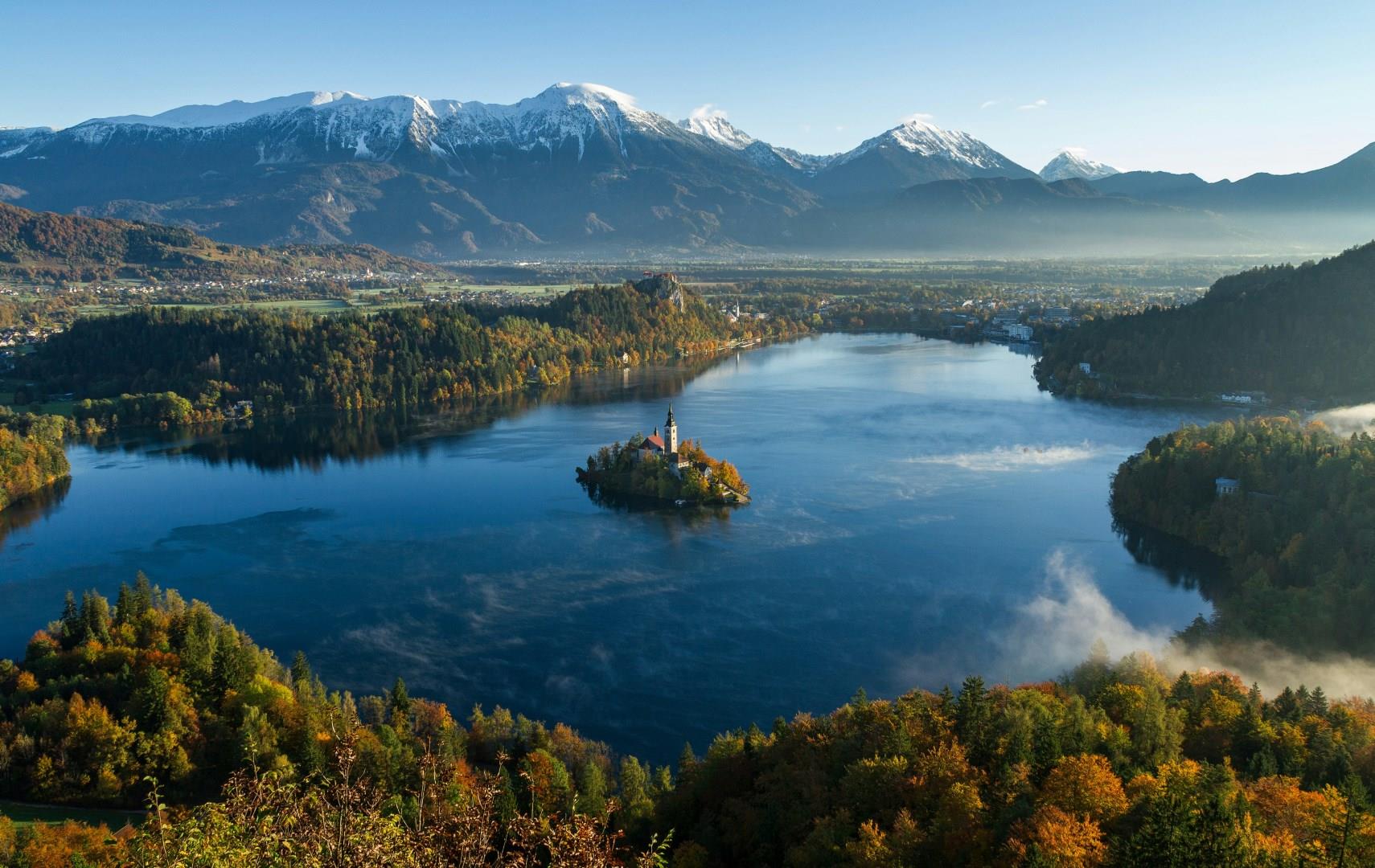
Bled, a small town in northwestern Slovenia, has gained international attention thanks to its lake, which features a lone island topped with a baroque church. Visitors often take traditional wooden boats called pletna to reach the island, where it's customary to ring the church bell and make a wish. According to local legend, the bell was originally cast in memory of a young widow’s lost husband, and today, its chime echoes across the lake as a symbol of devotion and hope.

Salzburg
Nestled in the foothills of the Eastern Alps, Salzburg, Austria, exudes a timeless charm that combines Baroque splendor, musical heritage, and breathtaking natural beauty. The city is famously known as the birthplace of Wolfgang Amadeus Mozart, one of the world's greatest composers. Visitors can immerse themselves in the life and works of Mozart by visiting his birthplace, now a museum, on Getreidegasse, a picturesque street lined with wrought-iron signs and colorful facades.
Syracuse
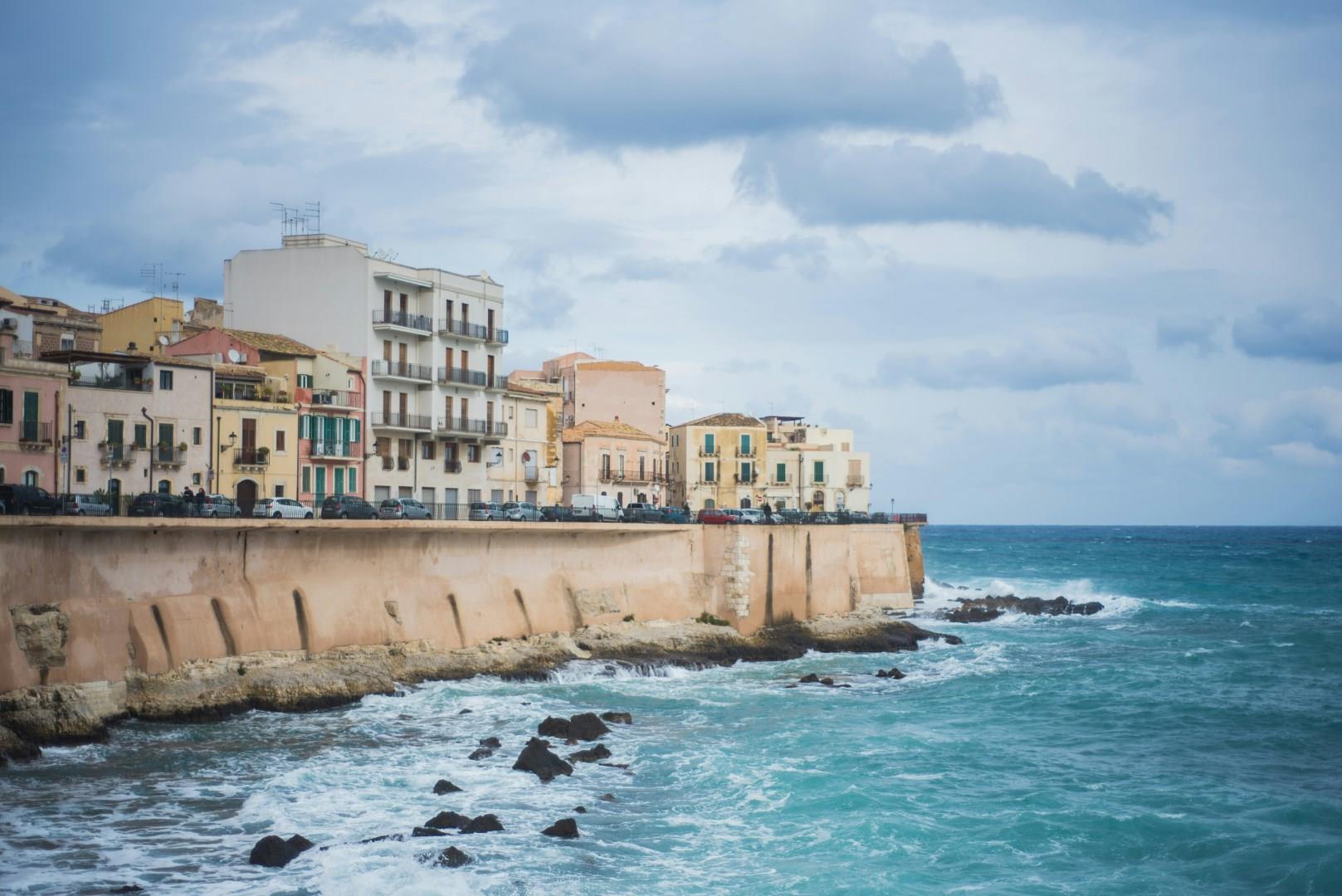
Syracuse, located on the eastern coast of Sicily, is a city where history and the sea converge in unforgettable ways. Founded by ancient Greeks in the 8th century BC, it became one of the most powerful city-states of its time. Today, visitors can explore the impressive archaeological park of Neapolis, which features a vast Greek theatre, Roman amphitheater, and the Ear of Dionysius, a limestone cave known for its remarkable acoustics.
