
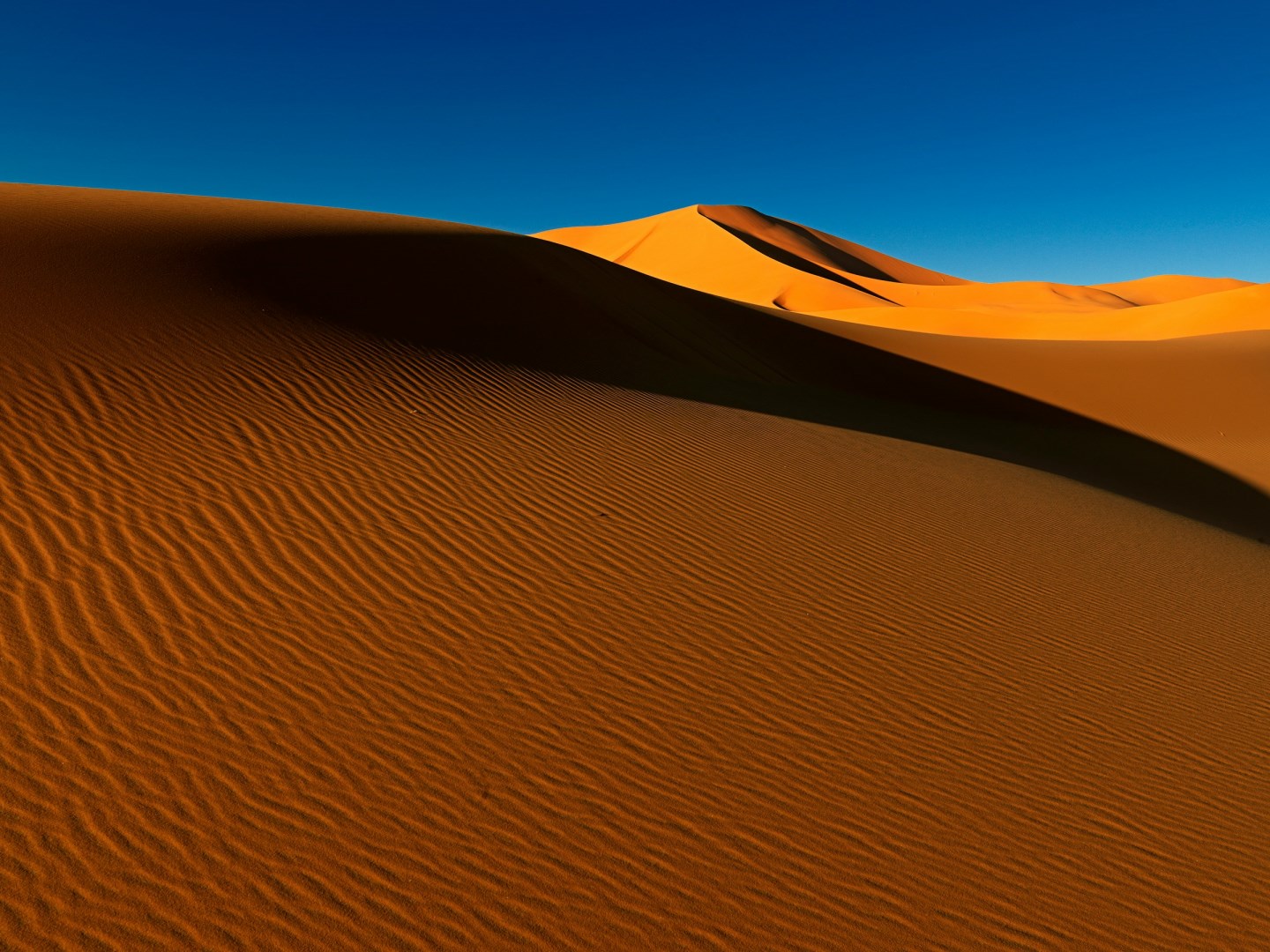
Algeria
Algeria, the largest country in Africa, offers a travel experience that’s both surprising and unforgettable. From the Mediterranean coastline to the vast expanse of the Sahara Desert, the country is full of contrast and color. In Algiers, visitors can wander the narrow lanes of the Casbah, a UNESCO World Heritage site filled with Ottoman palaces, secret stairways, and local life echoing centuries of history.
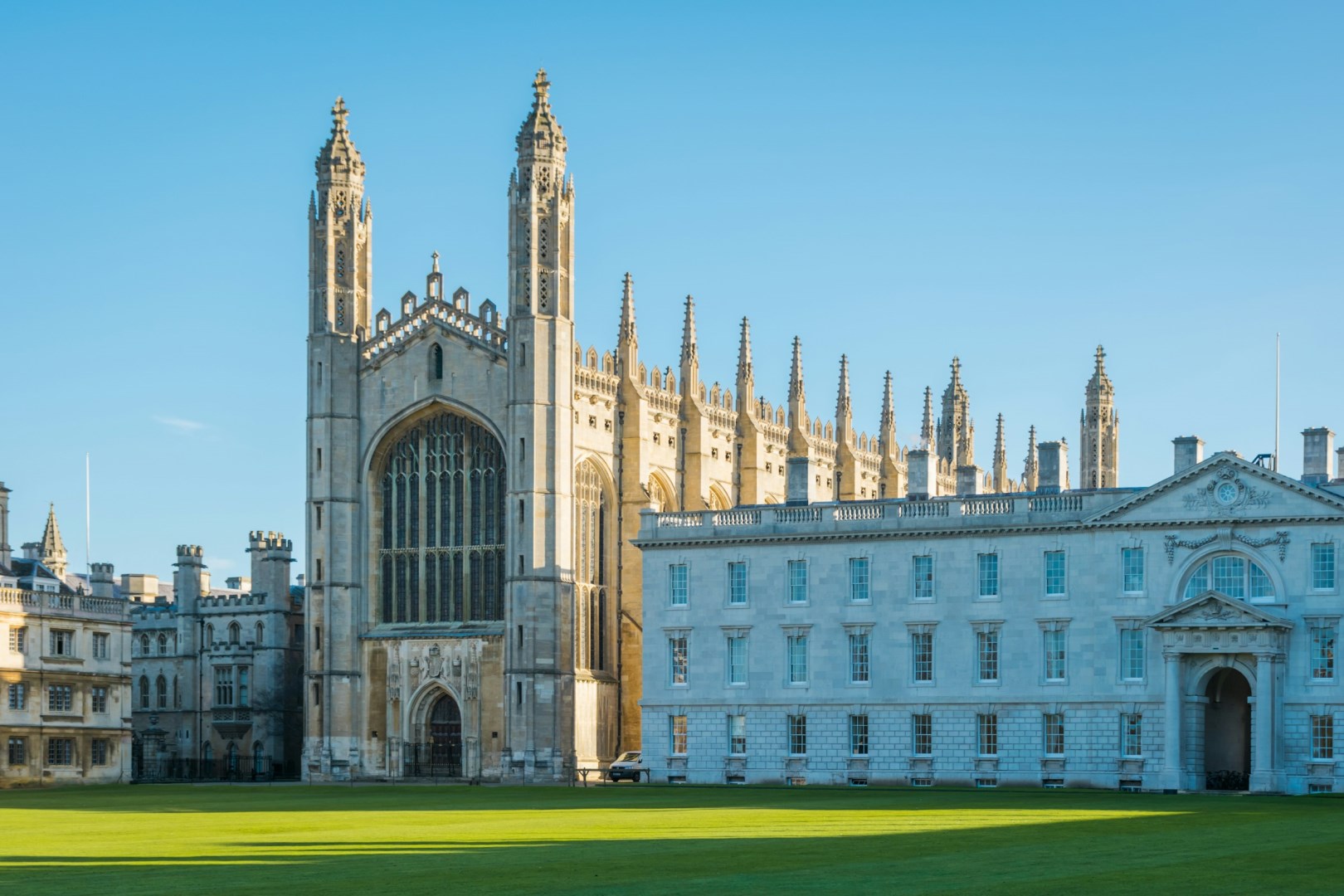
Cambridge
Cambridge, located in eastern England along the River Cam, is world-renowned for its prestigious university, historic architecture, and vibrant cultural scene. The city’s cobbled streets, centuries-old colleges, and medieval churches reflect a rich academic and architectural heritage, making it one of the most iconic university towns in the world.
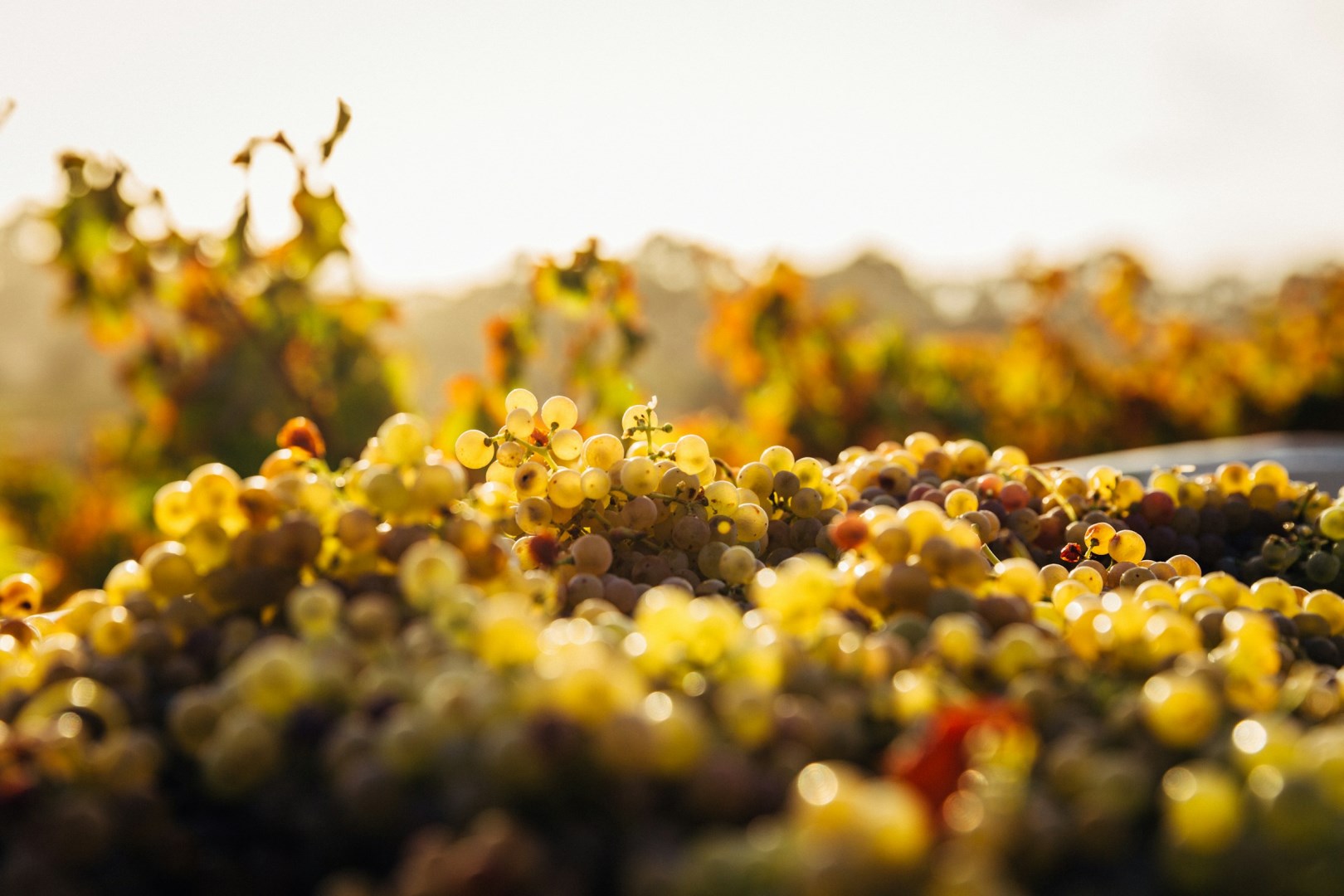
Barossa Valley
Barossa Valley is a wine-growing region in South Australia, northeast of Adelaide, known for its vineyards, historic villages, and strong food culture. The valley includes towns such as Tanunda, Angaston, and Nuriootpa, each with its own local character. Vineyards cover much of the surrounding landscape, while eucalyptus trees, rolling hills, and farm properties create a rural setting.
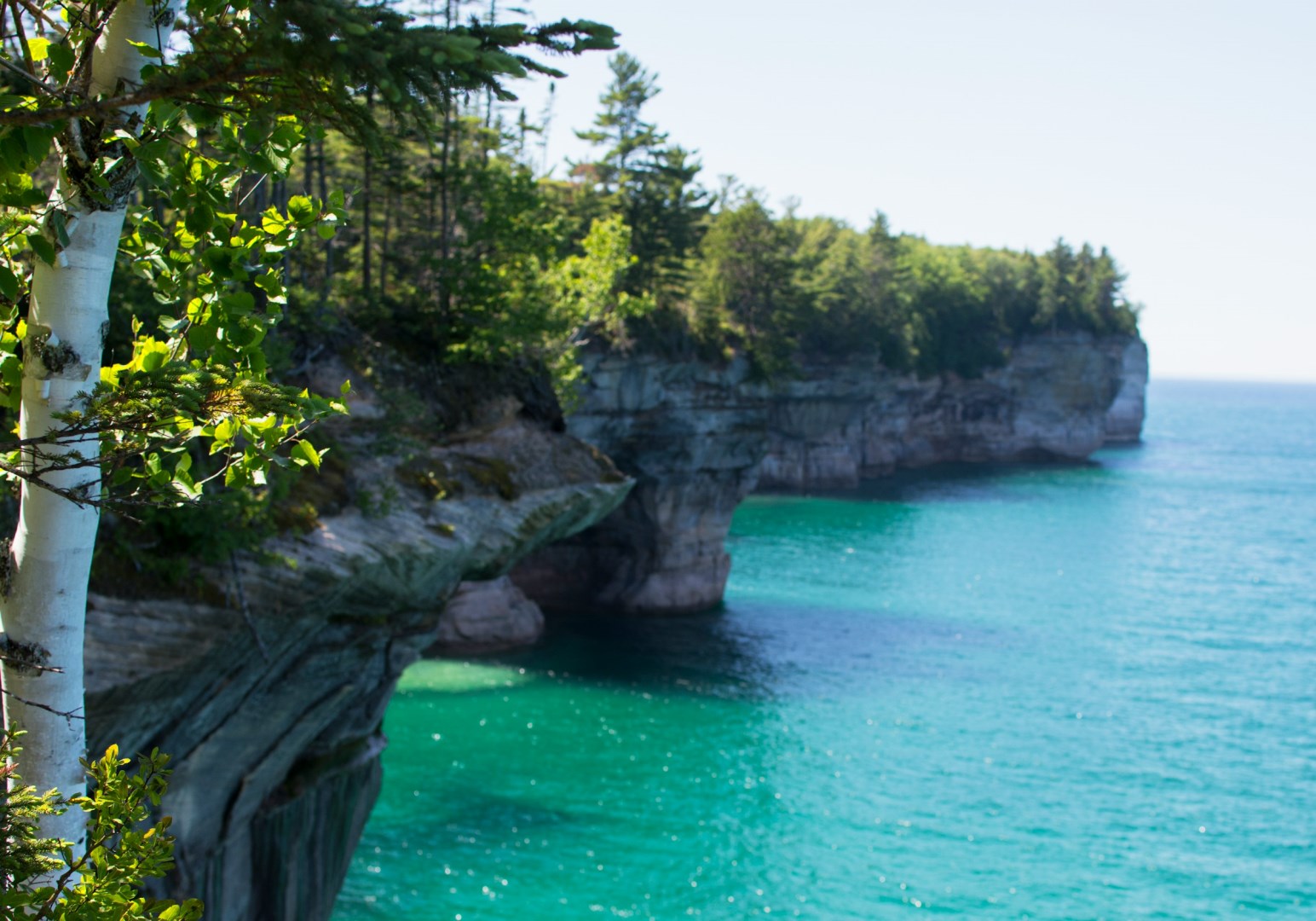
Pictured Rocks National Lakeshore
Pictured Rocks National Lakeshore stretches along more than 40 miles of Lake Superior shoreline in Michigan’s Upper Peninsula, between Munising and Grand Marais. It is known for sandstone cliffs, forested hills, beaches, waterfalls, and clear freshwater coves. The shoreline takes its name from the bands of mineral-stained sandstone visible along the cliffs, where iron, copper, and other minerals create natural patterns in the rock.

Brecon Beacons
The Brecon Beacons, officially known as Bannau Brycheiniog, rise through south-central Wales as a landscape shaped by myth, grazing, and long human presence.
