

Pécs
Pécs, Hungary, is a city that seamlessly blends history, culture, and a vibrant modern atmosphere. Nestled at the foot of the Mecsek Mountains in southern Hungary, Pécs boasts a rich heritage that dates back over 2,000 years. Visitors are often captivated by the city’s unique blend of Roman, Ottoman, and Hungarian influences.
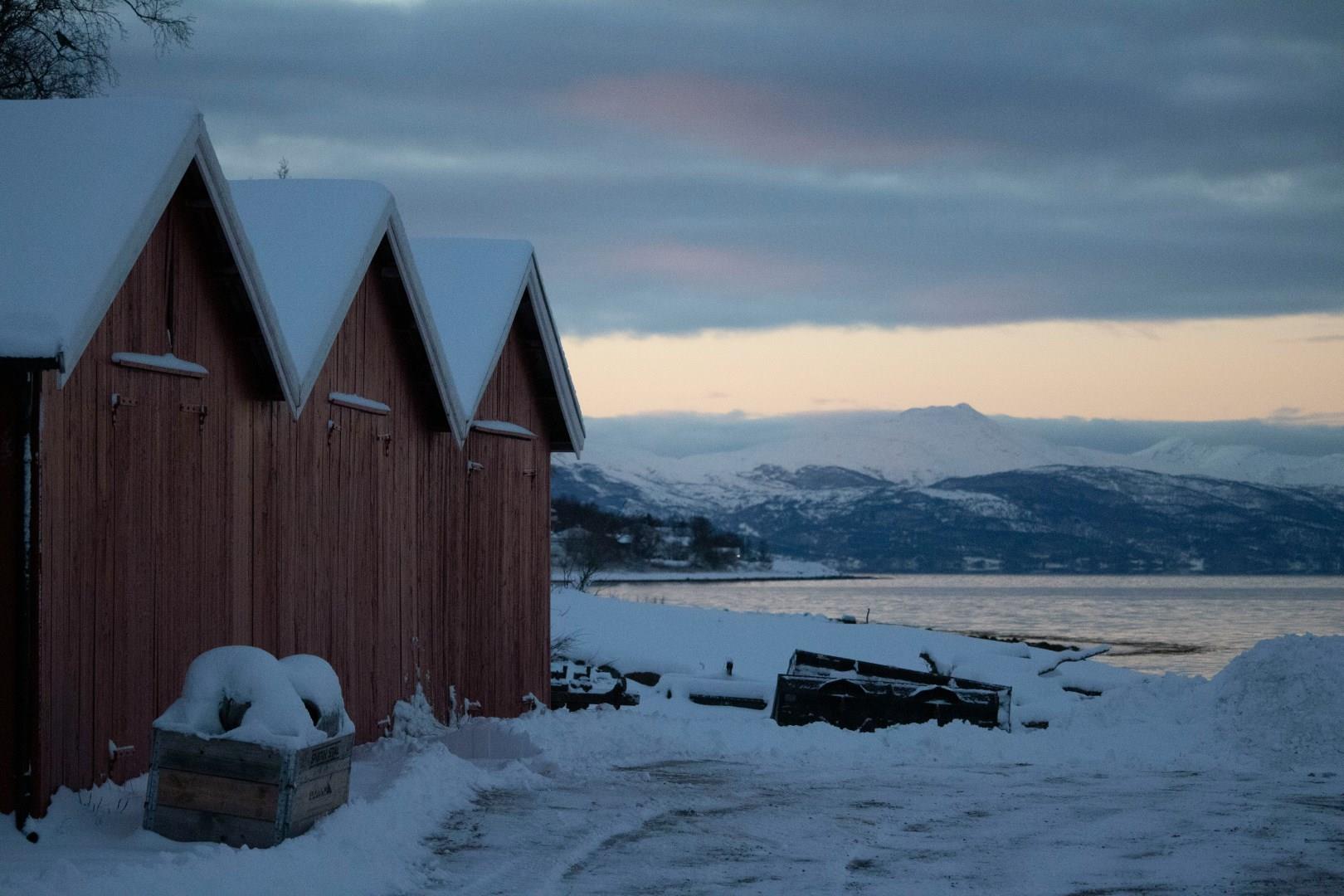
Narvik
Narvik’s most striking features is its natural setting. The town sits between steep fjords and rugged mountains, making it one of the few places in Norway where visitors can ski with ocean views. Narvikfjellet, the local mountain resort, operates in both winter and summer. During the colder months, it's popular for alpine skiing and northern lights viewing; in summer, the gondola runs for hikers and photographers eager to take in views of the Ofotfjord from the summit.

Stonehenge
Stonehenge, one of the world's most iconic prehistoric monuments, stands proudly on the Salisbury Plain in Wiltshire, England. This enigmatic stone circle, believed to have been constructed between 3000 BC and 2000 BC, has captivated archaeologists, historians, and travelers alike for centuries.

Rousse
Rousse, Bulgaria, often referred to as "Little Vienna," sits gracefully on the banks of the Danube River. Known for its rich history, stunning architecture, and vibrant culture, Rousse offers a glimpse into Bulgaria's past while embracing the future. The city's central square, Svoboda (Freedom) Square, is a great starting point for exploring.

Vanuatu
Vanuatu, a chain of 83 islands in the South Pacific, offers travelers an experience that’s both bold and deeply rooted in custom. Once known as the New Hebrides, Vanuatu blends ancient Melanesian traditions with dramatic landscapes shaped by volcanic activity. On Tanna Island, visitors can stand at the rim of Mount Yasur, one of the world’s most accessible active volcanoes, and watch fiery eruptions light up the night sky.
