
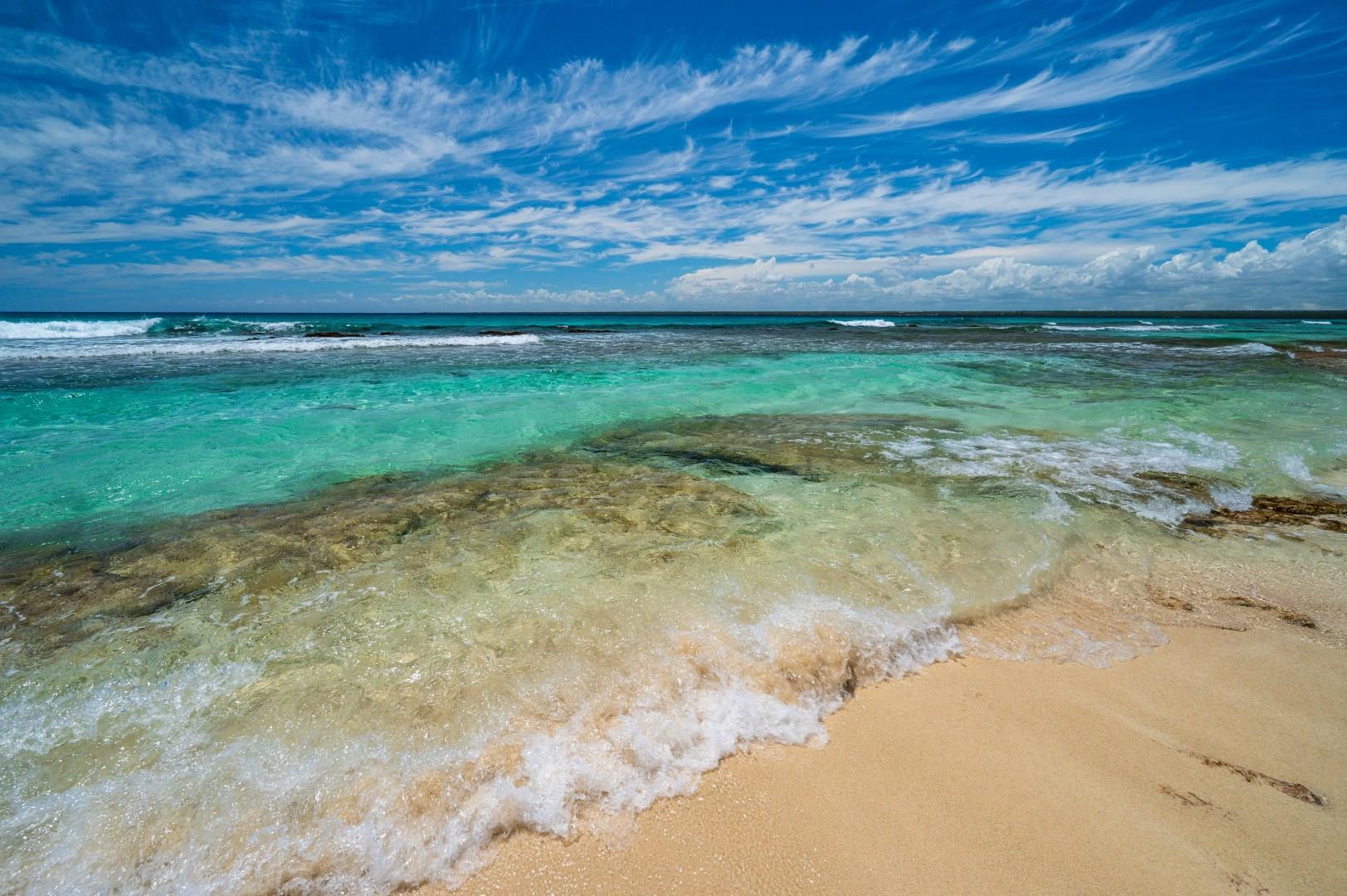
Catalina Island
Catalina Island, located just 1.5 miles off the southeastern coast of the Dominican Republic, is a serene tropical escape known for its pristine beaches and vibrant coral reefs.

York
York, England, is a city where over 2,000 years of history comes to life. Originally founded by the Romans in 71 AD as Eboracum, York has witnessed the rise and fall of empires, from the Vikings to the Normans. Today, the city retains its medieval charm, with its historic York Minster, one of the largest Gothic cathedrals in Northern Europe, standing proudly as its centerpiece.

Patmos
Patmos, a gem in the Aegean Sea, is steeped in history and spirituality, offering a serene escape for travelers seeking both tranquility and rich cultural experiences. Known as the "Island of the Apocalypse," Patmos is famously where Saint John the Theologian wrote the Book of Revelation. Visitors can explore the sacred Cave of the Apocalypse, a UNESCO World Heritage Site, where the saint is said to have received his visions.

Spitzkoppe
Spitzkoppe, often referred to as the "Matterhorn of Namibia," is a stunning granite peak rising majestically from the desert floor, offering some of the most dramatic landscapes in the country. Located between Usakos and Swakopmund, this isolated mountain range, with its highest point standing at 1,728 meters, is a paradise for hikers, climbers, and nature lovers. The area is also rich in ancient San rock art, providing visitors with a glimpse into Namibia's prehistoric past.

Honfleur
Honfleur, a picturesque port town in Normandy, France, is a destination brimming with charm, history, and artistic inspiration. Its historic Vieux-Bassin (Old Harbor) is a central highlight. The harbor, lined with colorful buildings and fishing boats, has served as a muse for countless artists, including Impressionists like Claude Monet and Eugène Boudin. Today, visitors can explore the Eugène Boudin museum to admire works celebrating the beauty of Honfleur and the surrounding landscapes.
