
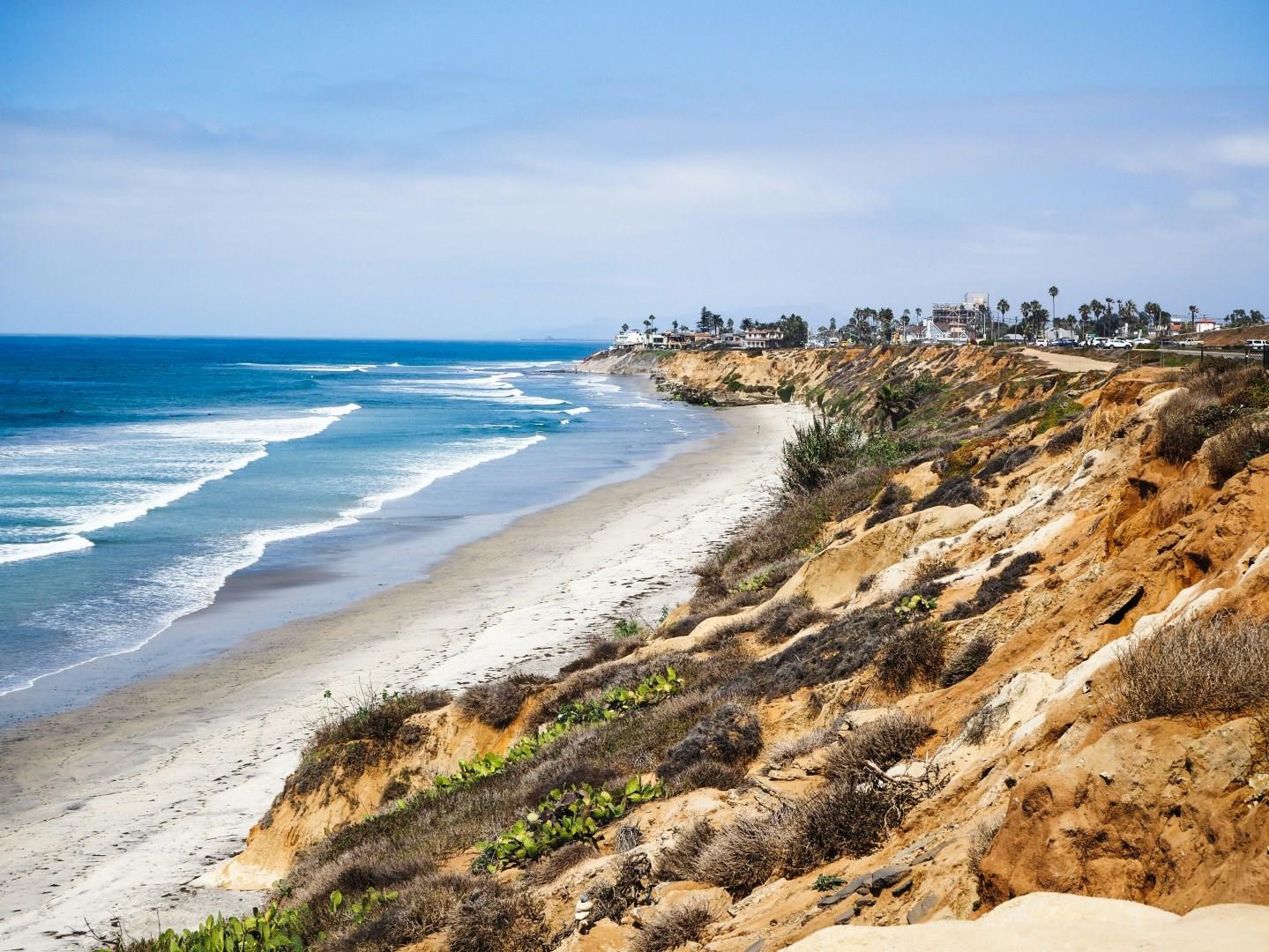
Carlsbad
Carlsbad, California, a coastal gem located between San Diego and Los Angeles, offers visitors a unique mix of stunning beaches, family-friendly attractions, and natural beauty. The city is best known for its beautiful Carlsbad State Beach, where surfers, sunbathers, and swimmers flock year-round to enjoy Southern California’s idyllic weather and shimmering Pacific waters.

Cappadocia
The ancient region of Cappadocia lies in Central Anatolia, between the cities of Nevsehir, Kayseri and Nigde. Here, the traveler finds one of the most fantastic landscapes in the world. Wind and weather have eroded the soft volcanic rock with hundreds of strangely shaped pillars, cones and "fairy chimneys", often very tall, and in every shade from pink through yellow to russet browns.

Udaipur
Udaipur, often referred to as the "City of Lakes," is one of India’s most enchanting destinations, nestled in the state of Rajasthan. Known for its opulent palaces, tranquil lakes, and rich history, Udaipur offers a romantic getaway steeped in royal heritage. The crown jewel of the city is the magnificent City Palace, a sprawling complex perched on the banks of Lake Pichola.

Alberta
Alberta, one of Canada’s western provinces, is renowned for its dramatic natural landscapes and vibrant cultural heritage. It’s a place where sweeping prairies give way to towering peaks, and where Indigenous traditions and pioneer history are deeply interwoven.

Hydra
An island of international renown, Hydra is one of the first islands to have been discovered by tourism and, due to the short distance from Athens, has for years hosted a large number of tourists.
