
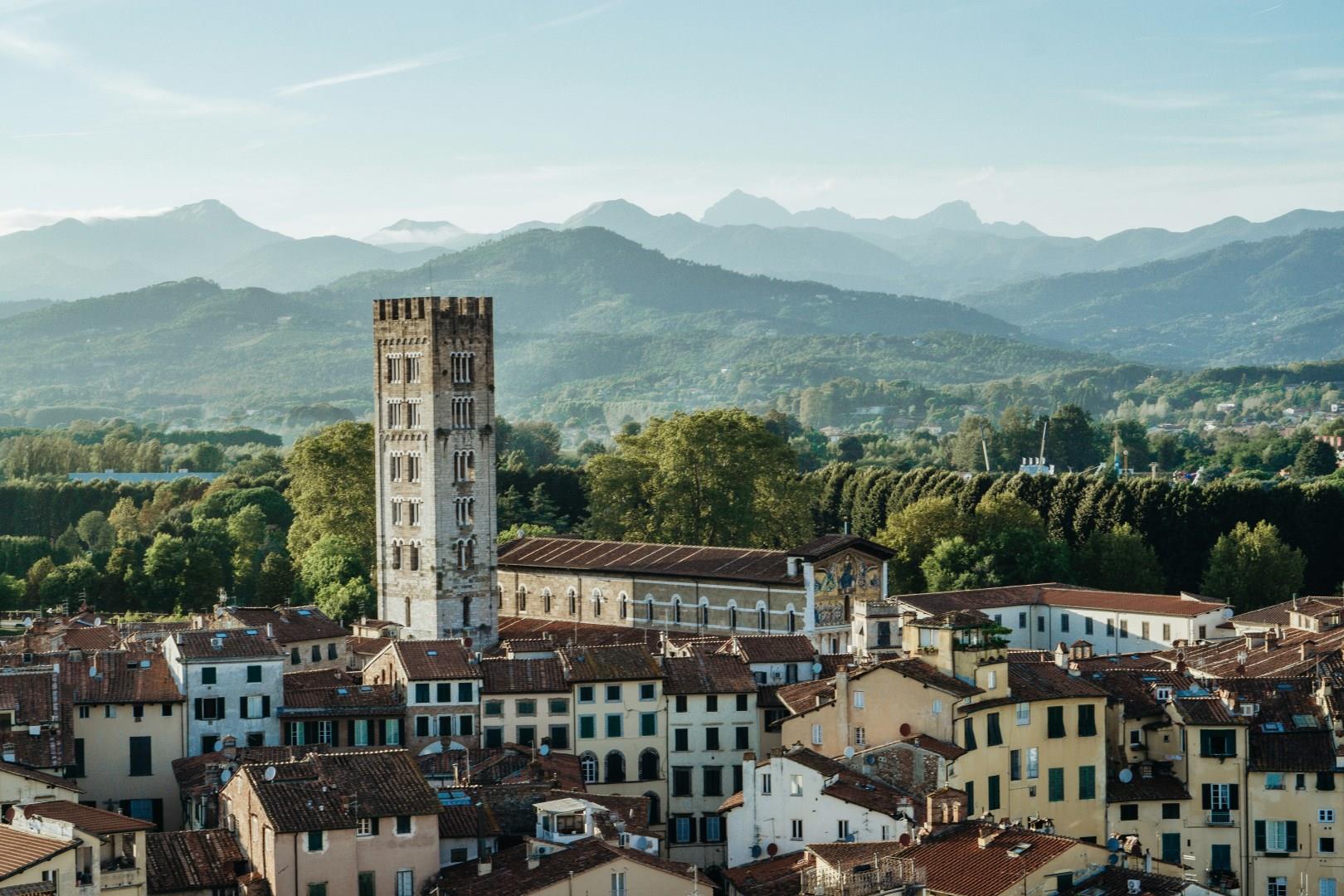
Lucca
Lucca, a Tuscan city surrounded by remarkably intact Renaissance walls, offers more than just postcard views. Known for its quiet streets and grand piazzas, Lucca stands apart with its circular street layout, still following the lines of a Roman amphitheater from centuries ago. The walls, now repurposed as a 4-kilometer tree-lined park, are a favorite route for locals and visitors who explore them on foot or by bike, passing old bastions and panoramic viewpoints along the way.
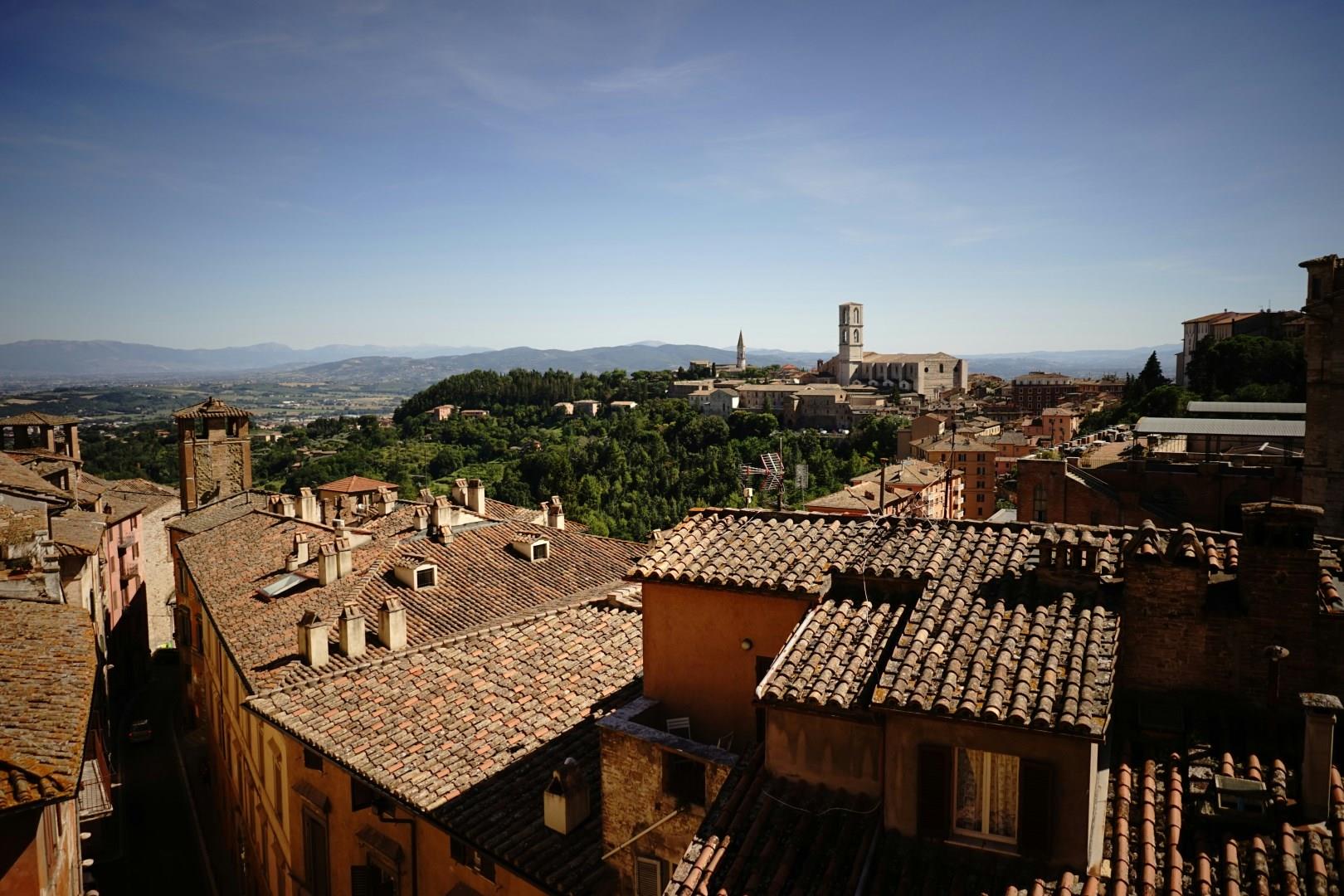
Perugia
Perugia, the capital of Italy’s Umbria region, is a city built across hills and centuries. Originally settled by the Etruscans more than 2,500 years ago, it still holds remnants of their civilization, including one of the largest surviving Etruscan arches in Italy named Arco Etrusco, which greets visitors at the city’s entrance. Walking through the narrow streets of the historic center reveals layers of Roman, medieval, and Renaissance architecture, all woven together within ancient stone walls.

Bwindi Impenetrable National Park
Bwindi Impenetrable National Park, located in southwestern Uganda, is one of Africa’s most extraordinary natural treasures. Its dense rainforest, often draped in mist, shelters a wealth of biodiversity and has been recognized as a UNESCO World Heritage Site for both its ecological significance and natural beauty. This ancient forest is among the few places on earth where travelers can come face-to-face with mountain gorillas in their natural habitat.

Guerrero
Pacific coast Mexican state highlighted by the popular city of Acapulco, with its vibrant nightlife and beaches.

Þingvellir National Park
Thingvellir, a captivating site in Iceland, seamlessly combines natural beauty and historical significance. Located in the Thingvellir National Park, this UNESCO World Heritage Site is a geological wonder where the North American and Eurasian tectonic plates meet. The dramatic landscape features rift valleys and stunning volcanic formations, making it a paradise for hikers and nature enthusiasts.
