
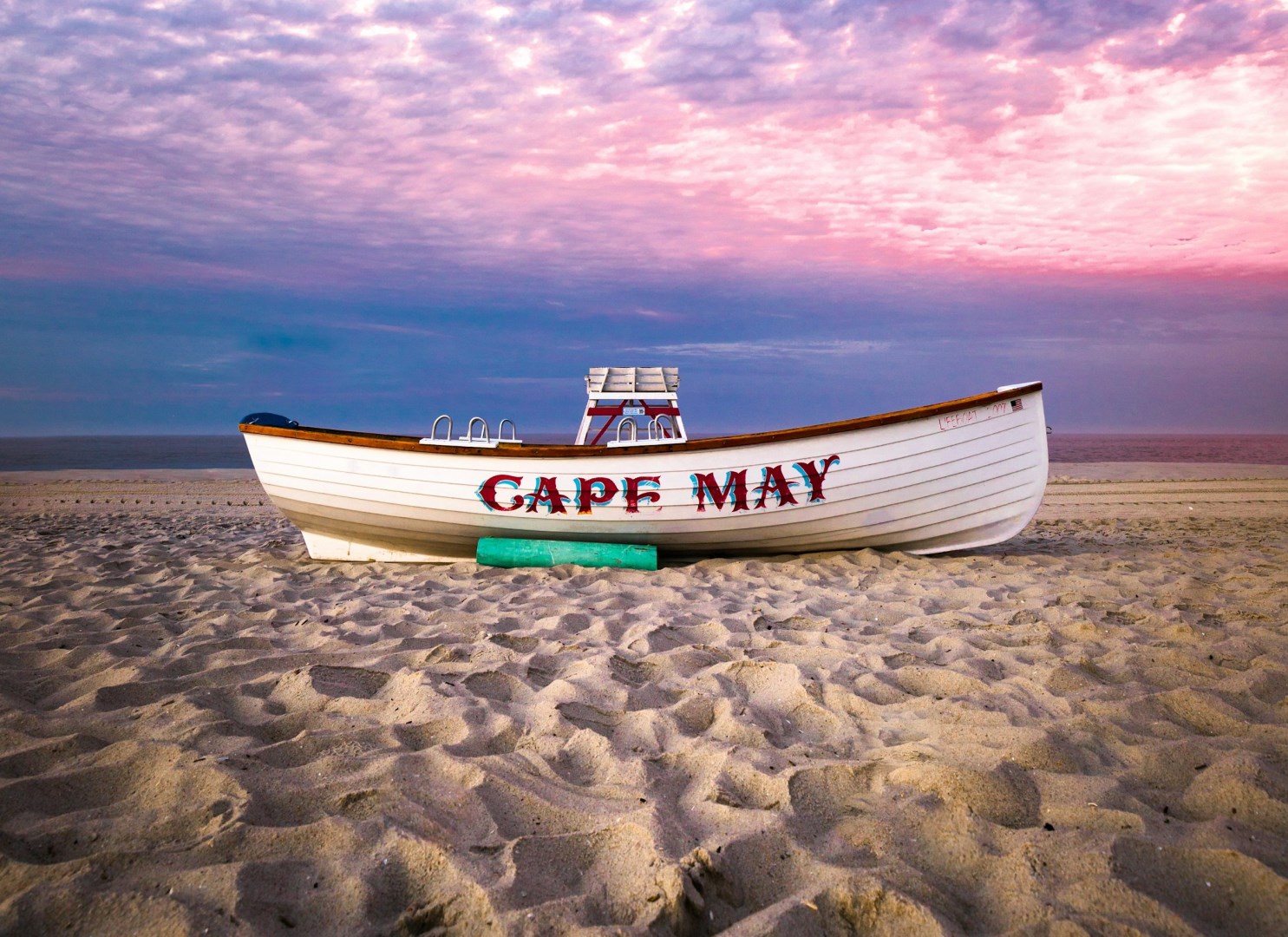
Cape May
Picturesque Cape May holds the distinction of being the oldest seashore resort in the United States and one of the most unique. Stretching 20 miles out to sea, this oasis of ambiance is a refuge from the hectic 20th century American lifestyle. It is a place to relax, to enjoy the Atlantic Ocean, the city's charming Mall, and most of all, to view the largest collection of authentic Victorian structures in the nation.
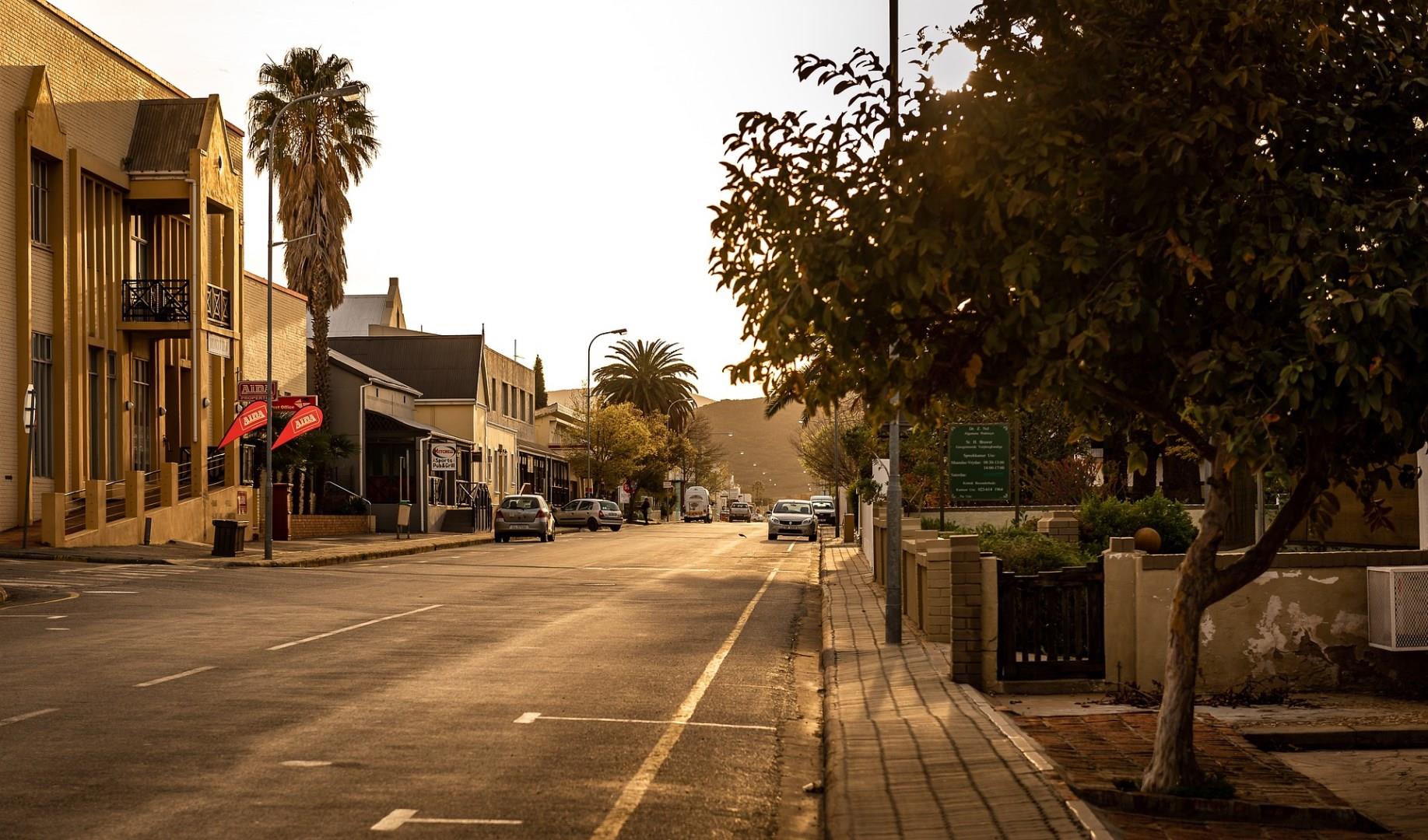
Montagu
Nestled in the heart of South Africa’s Western Cape, Montagu is a charming town renowned for its natural beauty and historical significance. Surrounded by rugged mountains and lush vineyards, Montagu is a gateway to the stunning Klein Karoo region. Visitors are drawn to its remarkable architecture, particularly the well-preserved Cape Dutch and Victorian buildings that line the streets, reflecting the town’s rich history.
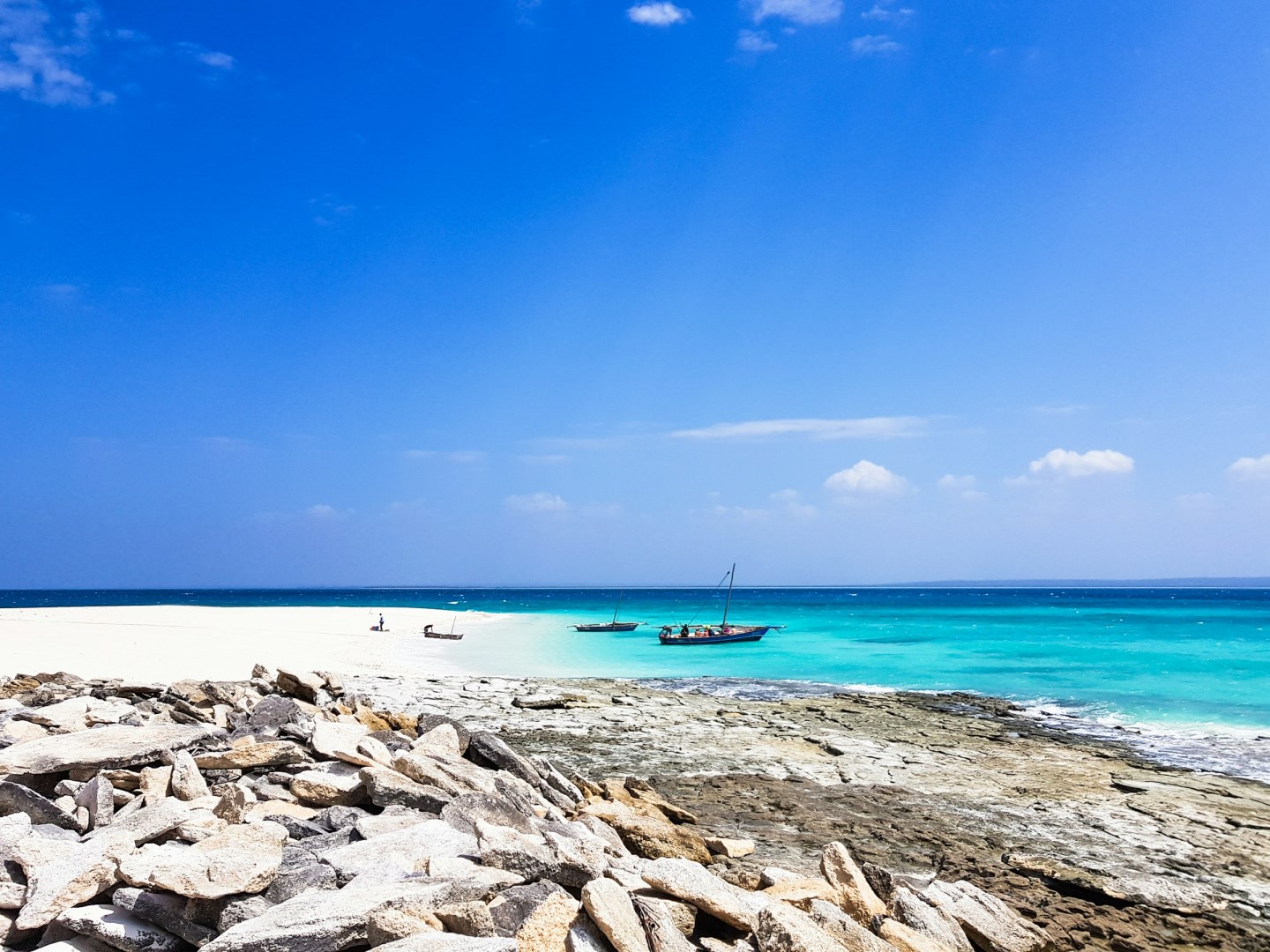
Rolas Island
Rolas Island is a small coastal island in Mozambique, set in the Indian Ocean and shaped by the sandy shores, warm waters and tropical conditions characteristic of the country’s long eastern coastline.
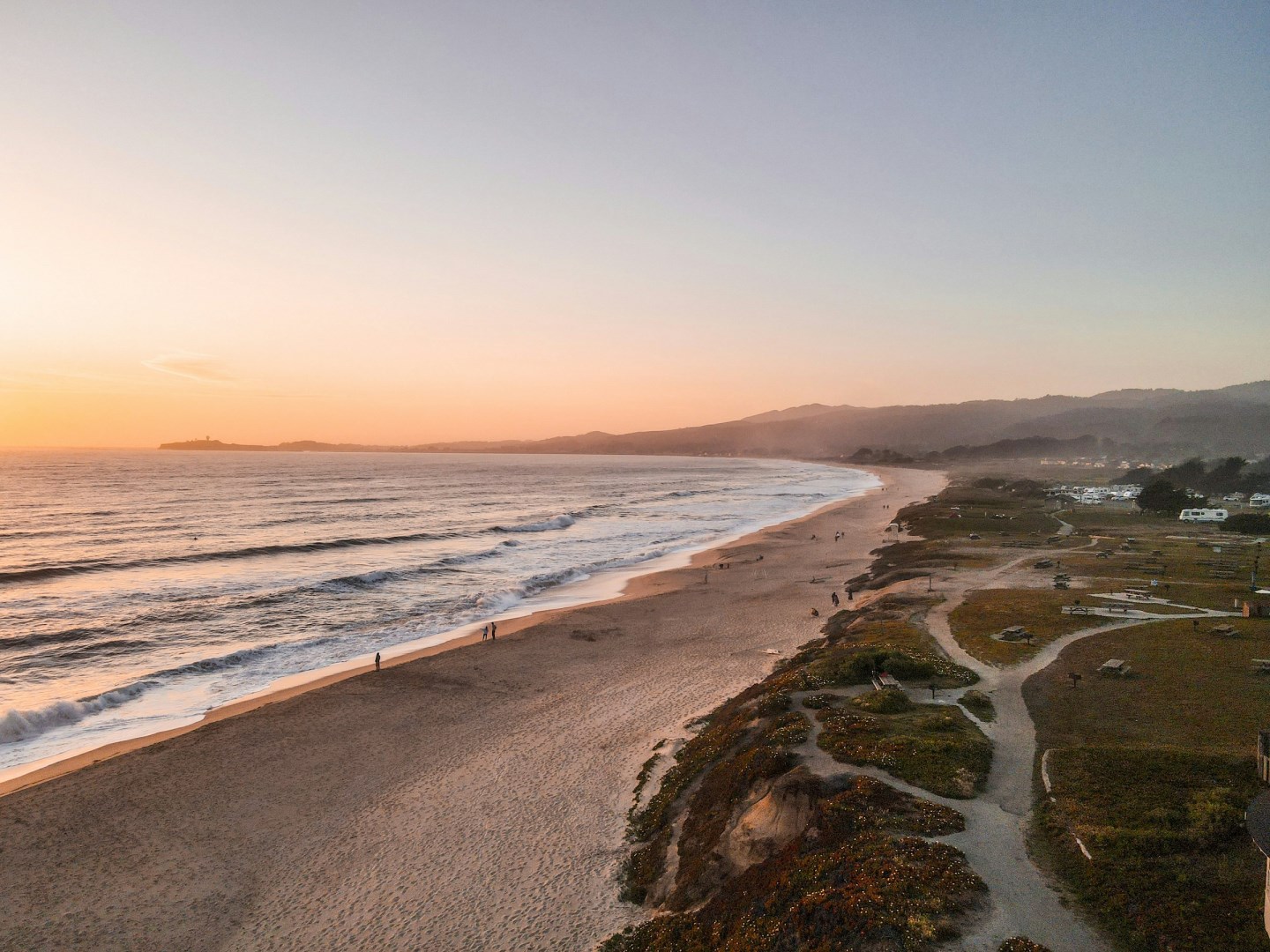
Half Moon Bay
Half Moon Bay is a coastal city on California’s San Mateo County coast, located south of San Francisco along a broad curve of the Pacific shoreline. The community is surrounded by agricultural land, coastal bluffs, sandy beaches, and rolling hills, with the Santa Cruz Mountains rising inland.
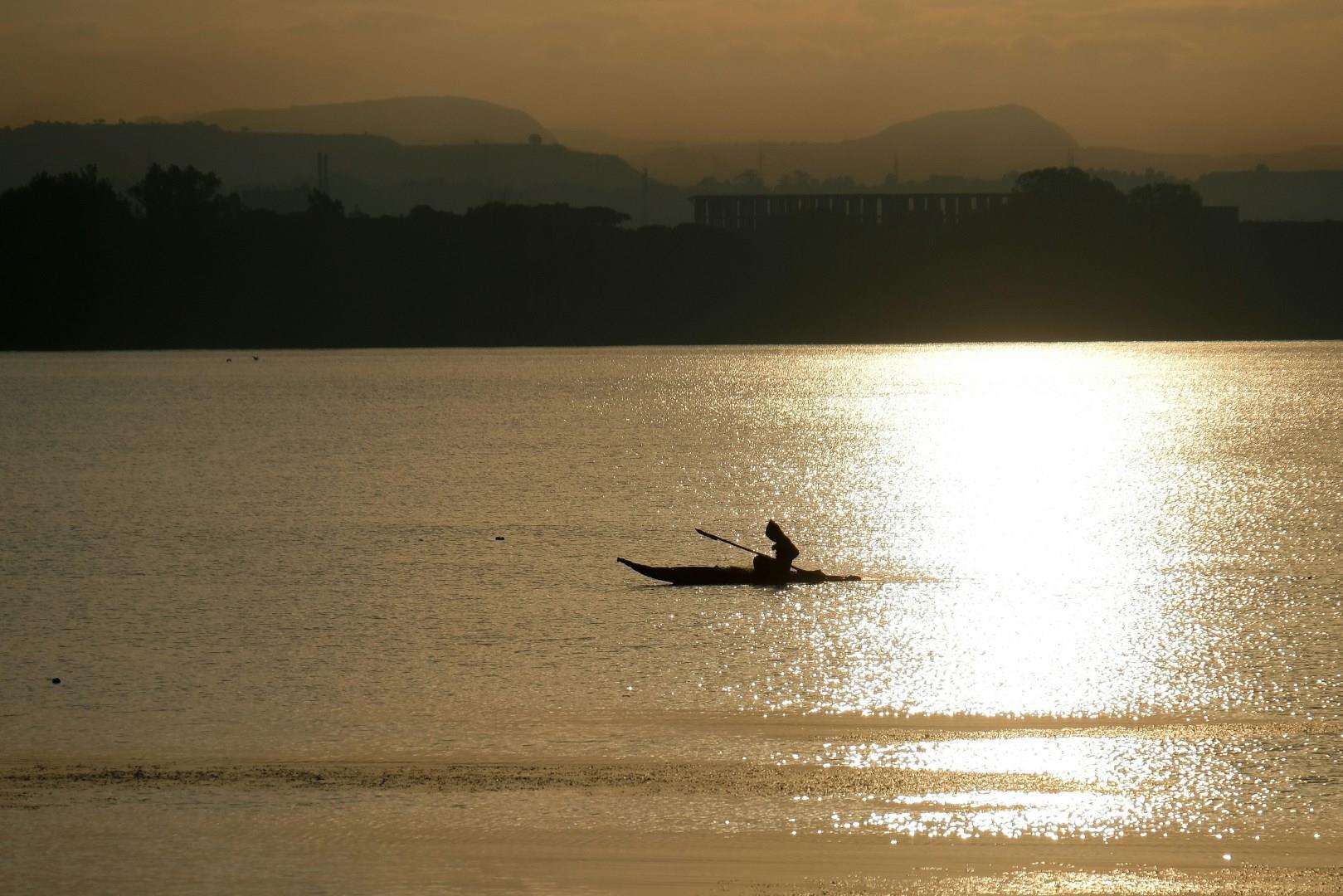
Lake Tana
Lake Tana, located in the northwest of Ethiopia, is the country’s largest freshwater lake and the source of the Blue Nile. Its calm waters are dotted with more than 30 islands, many of which are home to ancient monasteries adorned with religious paintings and manuscripts.
