
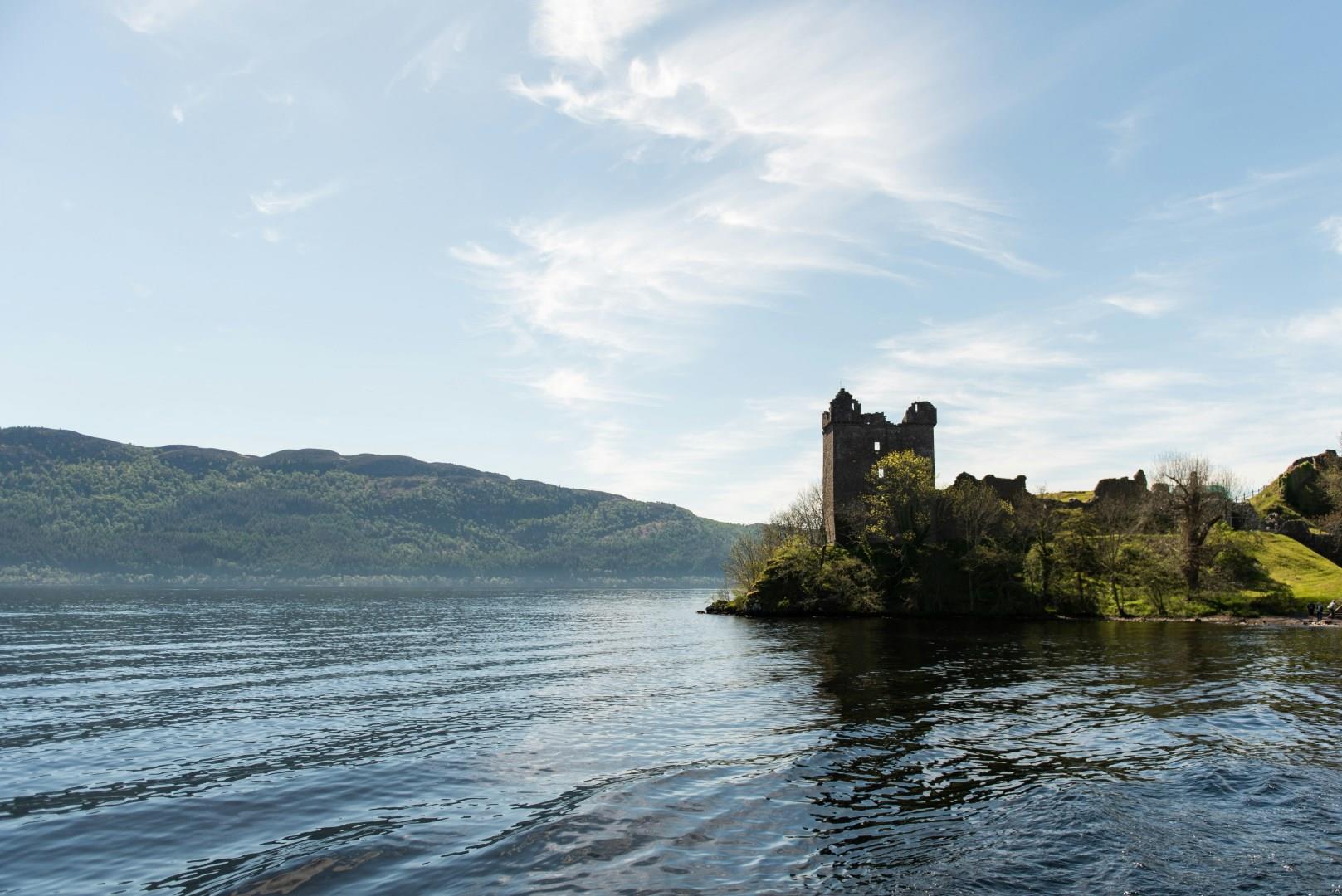
Loch Ness
Loch Ness stretches over 23 miles through the Scottish Highlands, holding more freshwater than all the lakes in England and Wales combined. Best known for its elusive resident, the so-called Loch Ness Monster, the loch has sparked international curiosity since the first modern "sighting" in 1933. While Nessie remains elusive, the surrounding landscape offers clear reasons to visit with steep hillsides, forested trails, and ancient ruins framing one of Scotland’s most iconic bodies of water.

Antananarivo
Antananarivo, Madagascar’s vibrant capital, offers a unique blend of cultural richness and historical depth. Perched on a series of hills, the city’s layout is characterized by its steep streets and traditional architecture. The Royal Palace, or Rova of Antananarivo, is a central landmark, offering a glimpse into Madagascar's royal past. Although much of the palace was destroyed by fire in 1995, the site remains a significant cultural and historical monument.
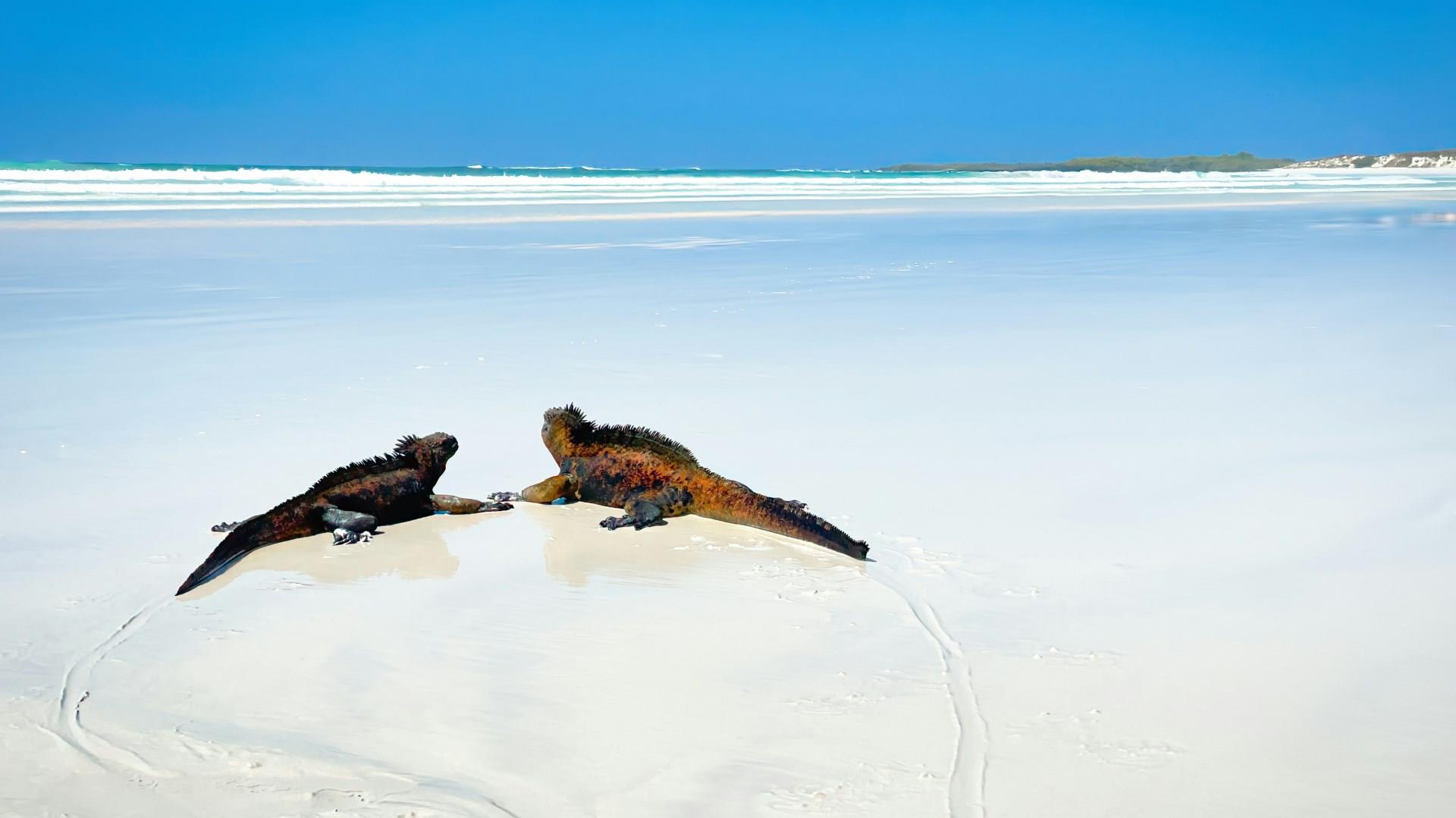
Santa Cruz Island
Santa Cruz Island is the beating heart of the Galápagos and is home to the largest town in the archipelago, Puerto Ayora, and a key access point for travelers exploring this unique region. But beyond its small port and shops, the island reveals a surprising range of ecosystems, from black lava shores to lush highlands where giant tortoises roam freely.

College Fjord
East of Anchorage and Chugach State Park, College Fjord offers a glimpse into some of Alaska's most beautiful natural landscapes. Located in Prince William Sound, College Fjord is filled with stunning glaciers and is a popular site for Alaskan cruises.

Sofia
Sofia, Bulgaria’s capital, is a city where the past meets the present in a symphony of ancient history, stunning architecture, and vibrant urban life. At the heart of Sofia lies the Alexander Nevsky Cathedral, one of the largest Eastern Orthodox cathedrals in the world. With its golden domes and elaborate frescoes, this architectural marvel serves as a symbol of Bulgarian identity and a must-see attraction.
