
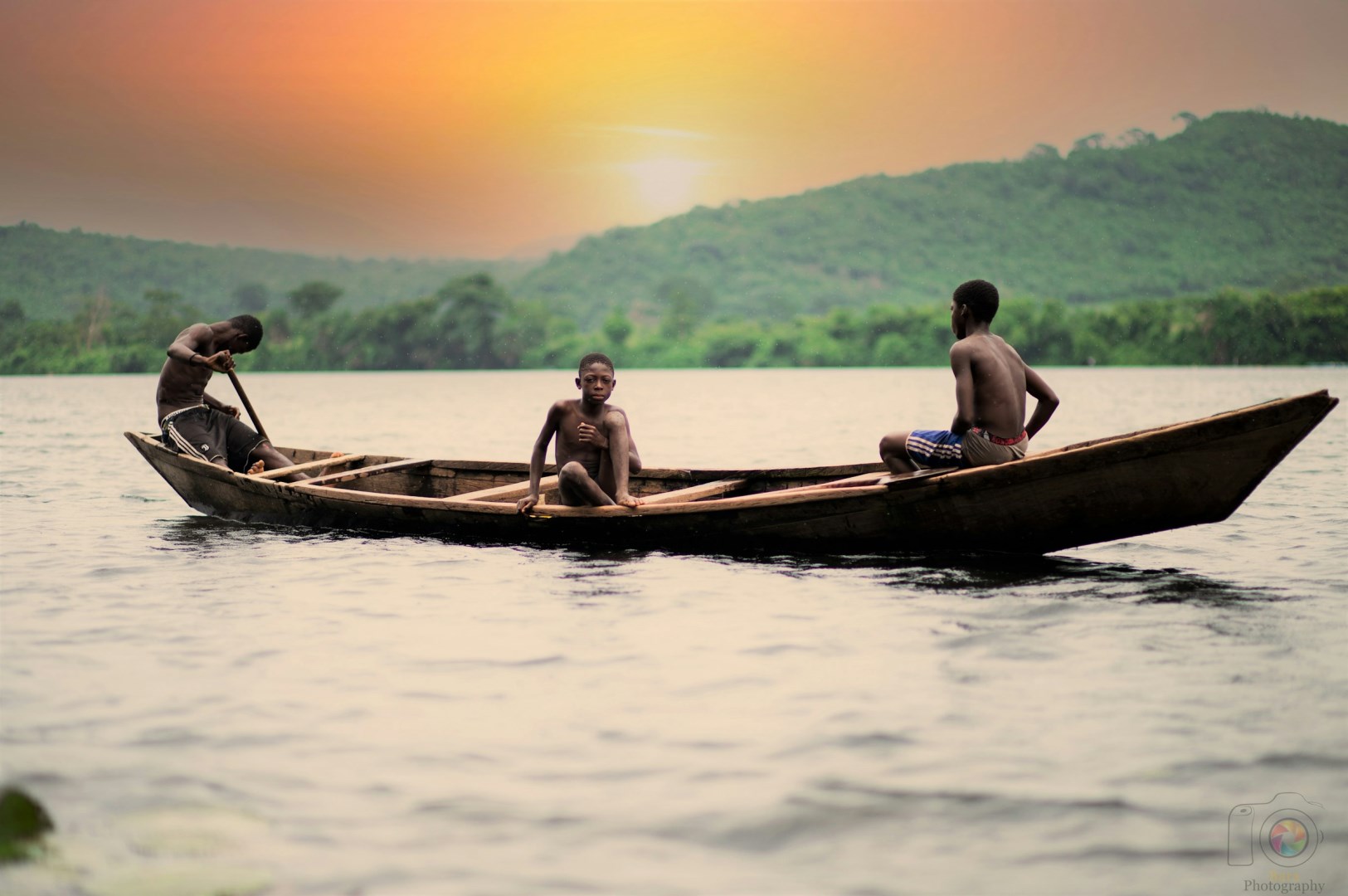
Akosombo
Akosombo is a town in southeastern Ghana, situated along the Volta River near the southern end of Lake Volta. The surrounding landscape combines forested hills, rocky outcrops, river valleys, and the broad waters of the reservoir created by the Akosombo Dam. The town developed closely around the hydroelectric project and remains an important center for electricity generation and industry.
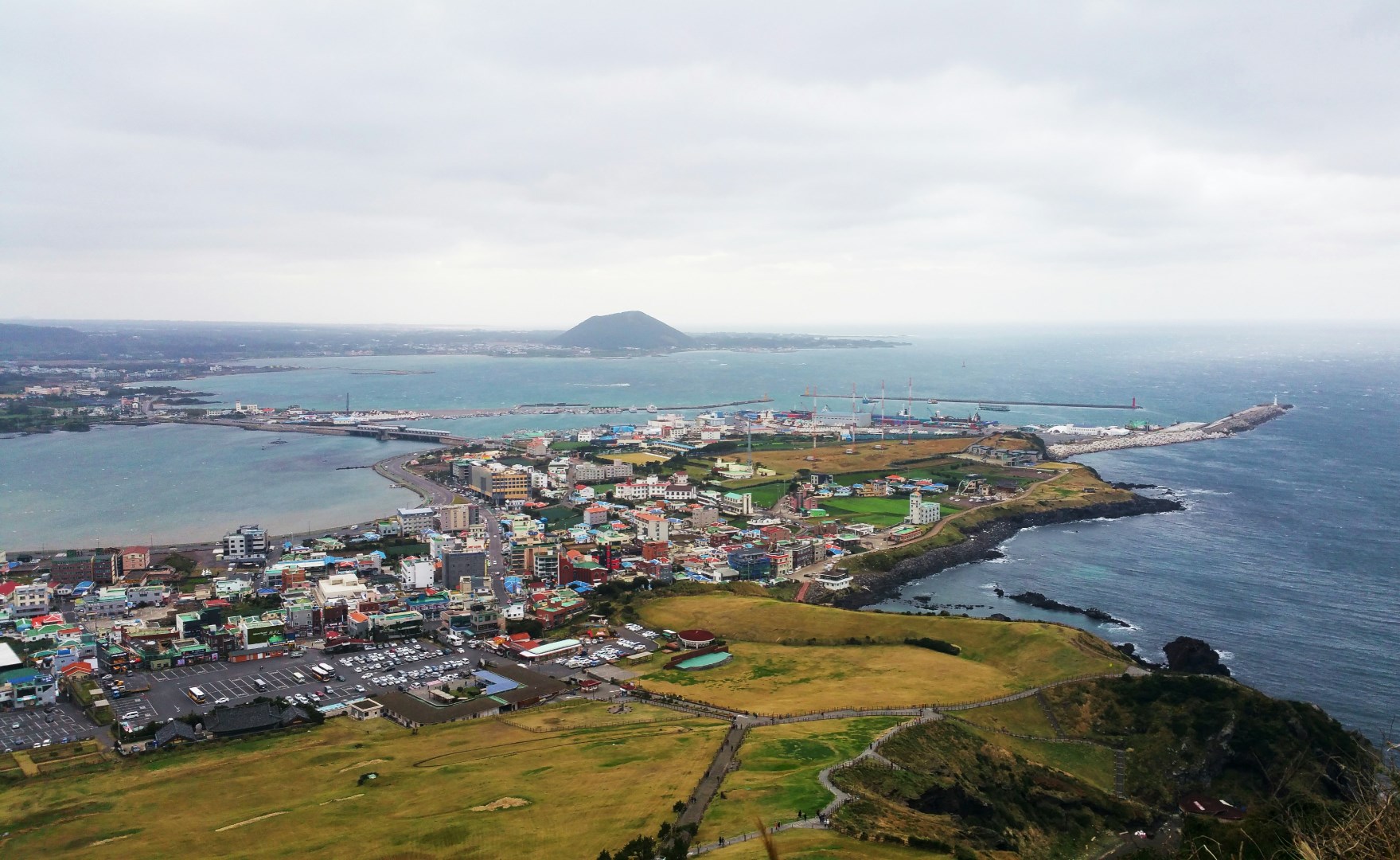
Cheju
Jeju, often written as Cheju in older English sources, is South Korea’s largest island and lies in the Korea Strait south of the Korean Peninsula. The island is known for its volcanic landscapes, coastal cliffs, lava tubes, and the prominent peak of Hallasan, which rises at its center.
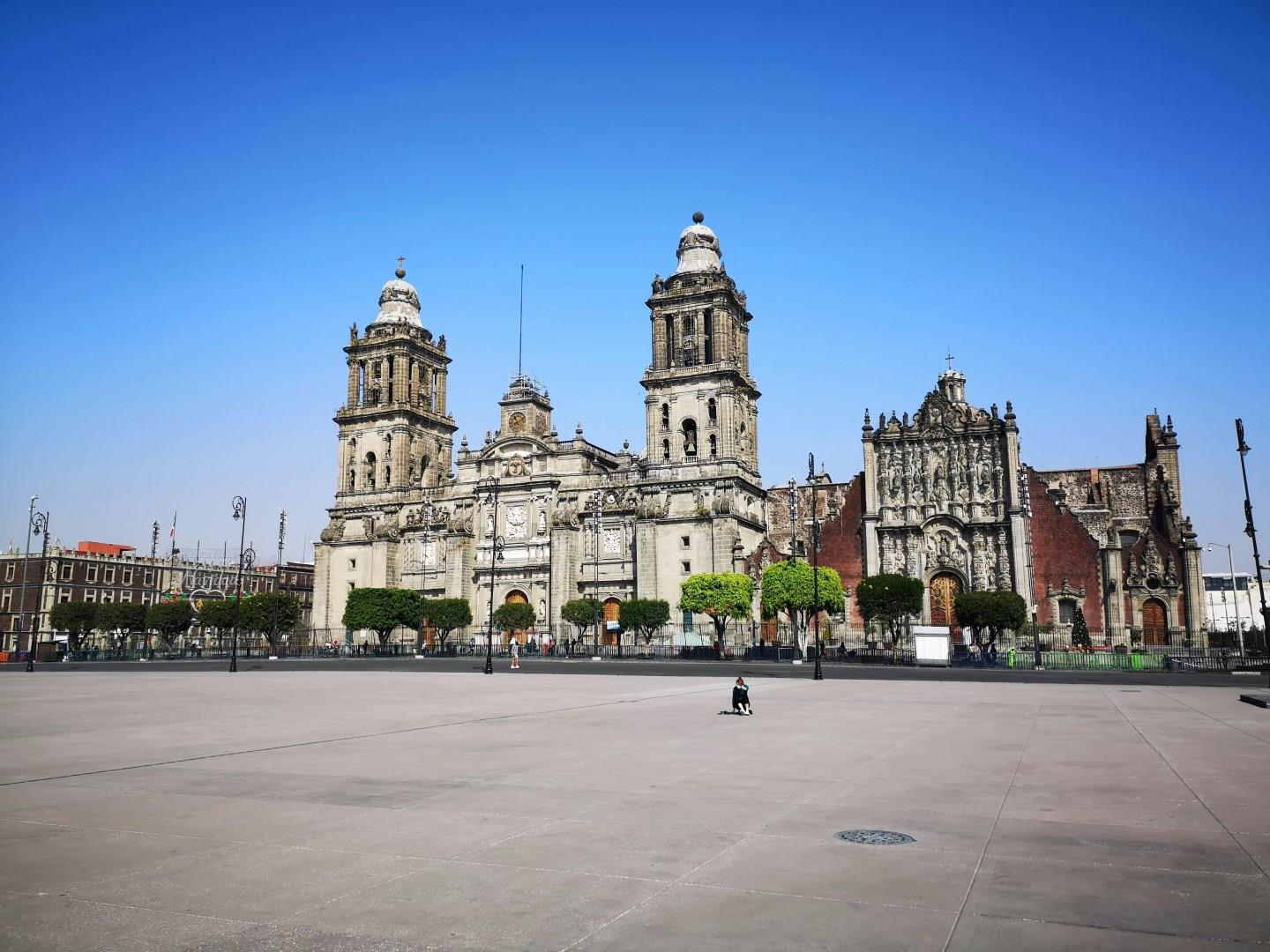
Mexico City
Mexico City sits on the high plateau of central Mexico, layered with more than seven centuries of history and culture. Built atop the ruins of the Aztec capital Tenochtitlán, the city reflects a continuous dialogue between Indigenous foundations, Spanish colonial influence, and modern urban life.
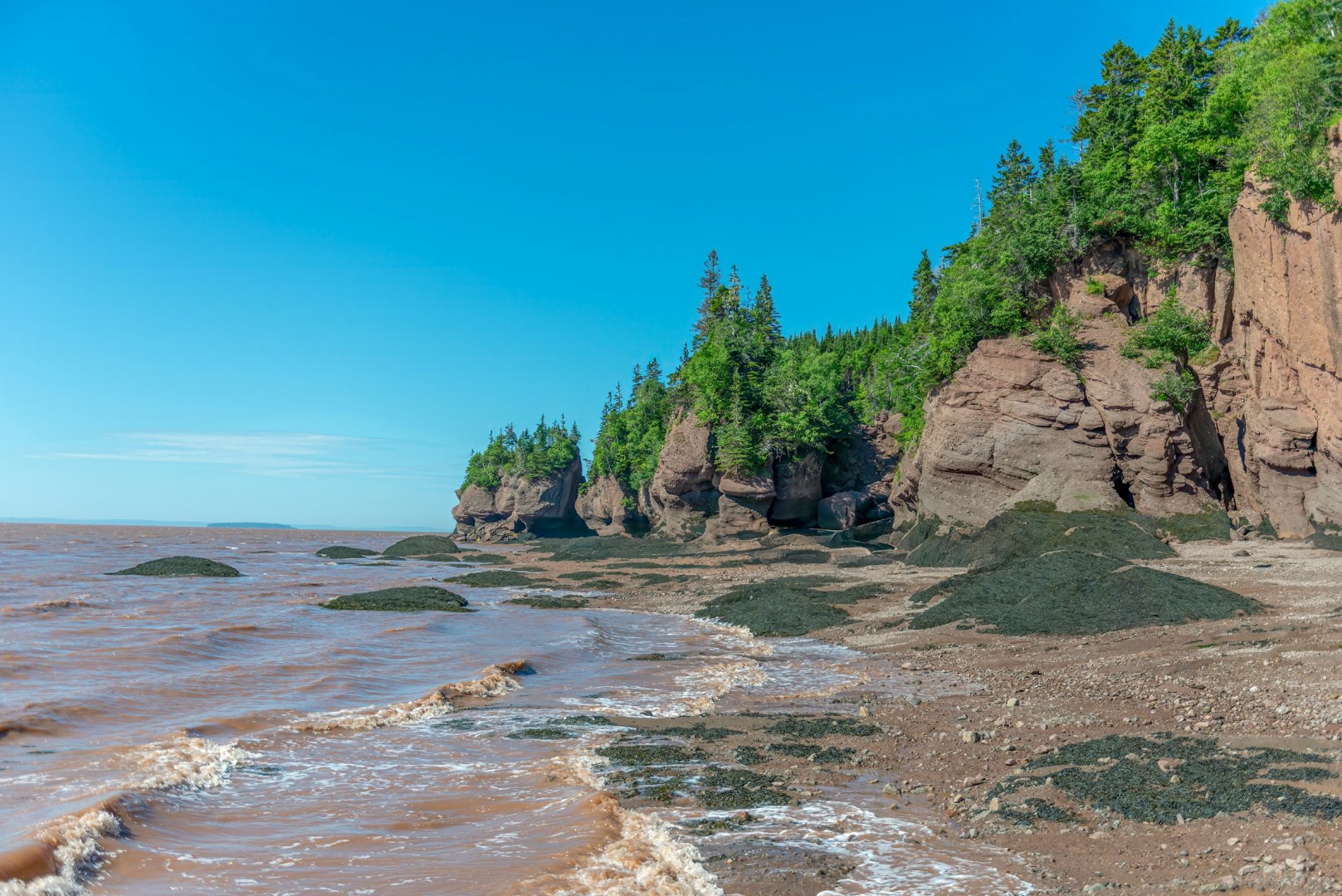
Fundy National Park
Fundy National Park is located along the Bay of Fundy coast in southeastern New Brunswick, where forested hills meet one of the world’s most pronounced tidal environments. The park protects a varied landscape of coastal cliffs, salt marshes, dense Acadian forest, lakes, and river valleys. Its shoreline experiences dramatic changes in water level as the Bay of Fundy’s tides move in and out. T
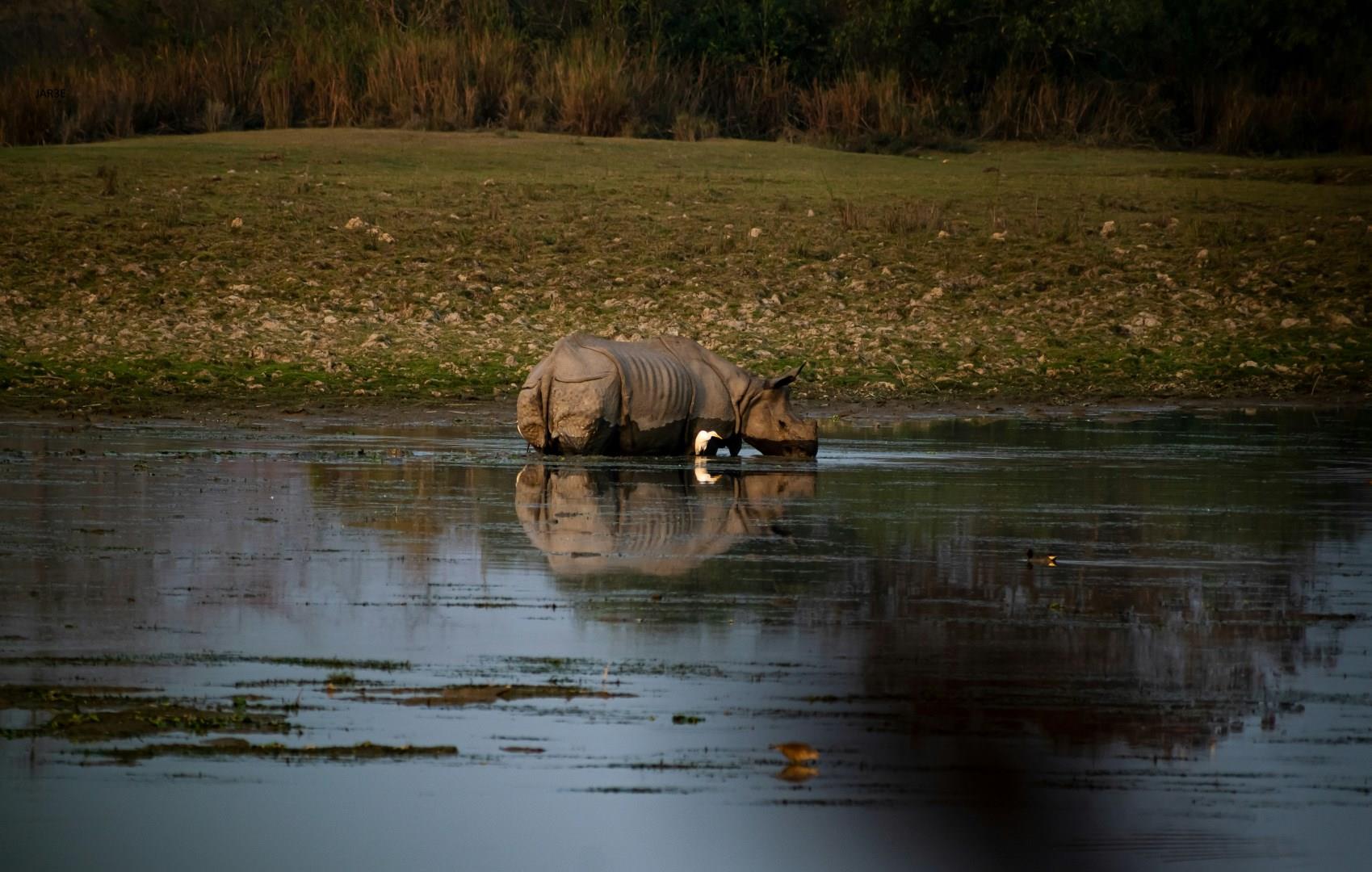
Kaziranga National Park
Kaziranga National Park stretches across the floodplains of the Brahmaputra River in Assam, shaped as much by water as by wildlife. Established in the early 20th century, it became central to conservation efforts in India, most notably for the greater one-horned rhinoceros. The park’s history reflects a long negotiation between protection, seasonal flooding, and the human communities that live around its edges.
