
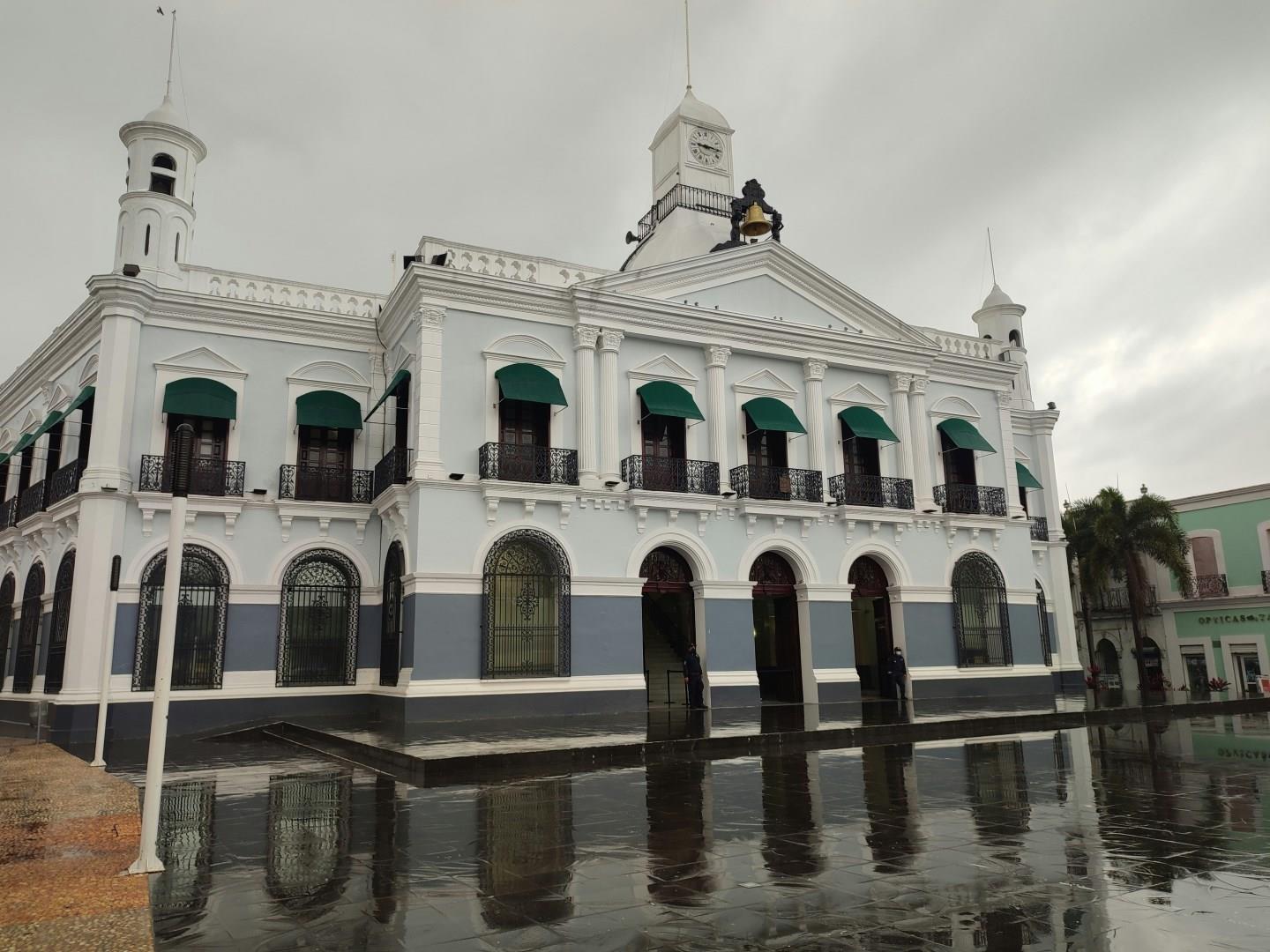
Villahermosa
Villahermosa, the capital of Tabasco, is a city where ancient civilizations, tropical landscapes, and modern life intersect. Known as the “gateway to the Mayan world,” the city sits on the banks of the Grijalva River and serves as a cultural hub for southeastern Mexico. One of its most unique attractions is Parque-Museo La Venta, an open-air museum that blends archaeology with a jungle setting.

Fiordland National Park
Fiordland National Park, located on the southwestern tip of New Zealand's South Island, is a breathtaking wilderness that captivates visitors with its dramatic landscapes of towering fjords, cascading waterfalls, and lush rainforests. Established in 1952, Fiordland is part of the Te Wahipounamu UNESCO World Heritage site, recognized for its stunning natural beauty and unique biodiversity.

Charleston
Charleston, South Carolina, is a gem of Southern charm and history, offering an immersive travel experience in a beautifully preserved city. Known for its cobblestone streets and antebellum architecture, Charleston's historic district is a living museum where visitors can stroll past colorful row houses and elegant mansions. Key landmarks include the Battery and Rainbow Row, a series of pastel-colored houses that are among the city's most photographed sites.

United Arab Emirates
The United Arab Emirates rolls history and invention into a seamless experience. In Abu Dhabi, the Sheikh Zayed Grand Mosque stands out with its reflective pools, marble columns inlaid with floral patterns, and the world’s largest hand-knotted carpet beneath domes that glow by night. On Saadiyat Island, the Louvre Abu Dhabi shelters art that spans civilizations, all beneath a dome designed to scatter sunlight like palm fronds.

Bali
Bali, an island province of Indonesia, has been shaped by centuries of Hindu influence, volcanic activity, and a deep connection between daily life and ritual. The island’s temples are a major part of its landscape as more than 20,000 exist across Bali. One of the most visited is Uluwatu Temple, perched dramatically on a cliff 70 meters above the Indian Ocean.
