
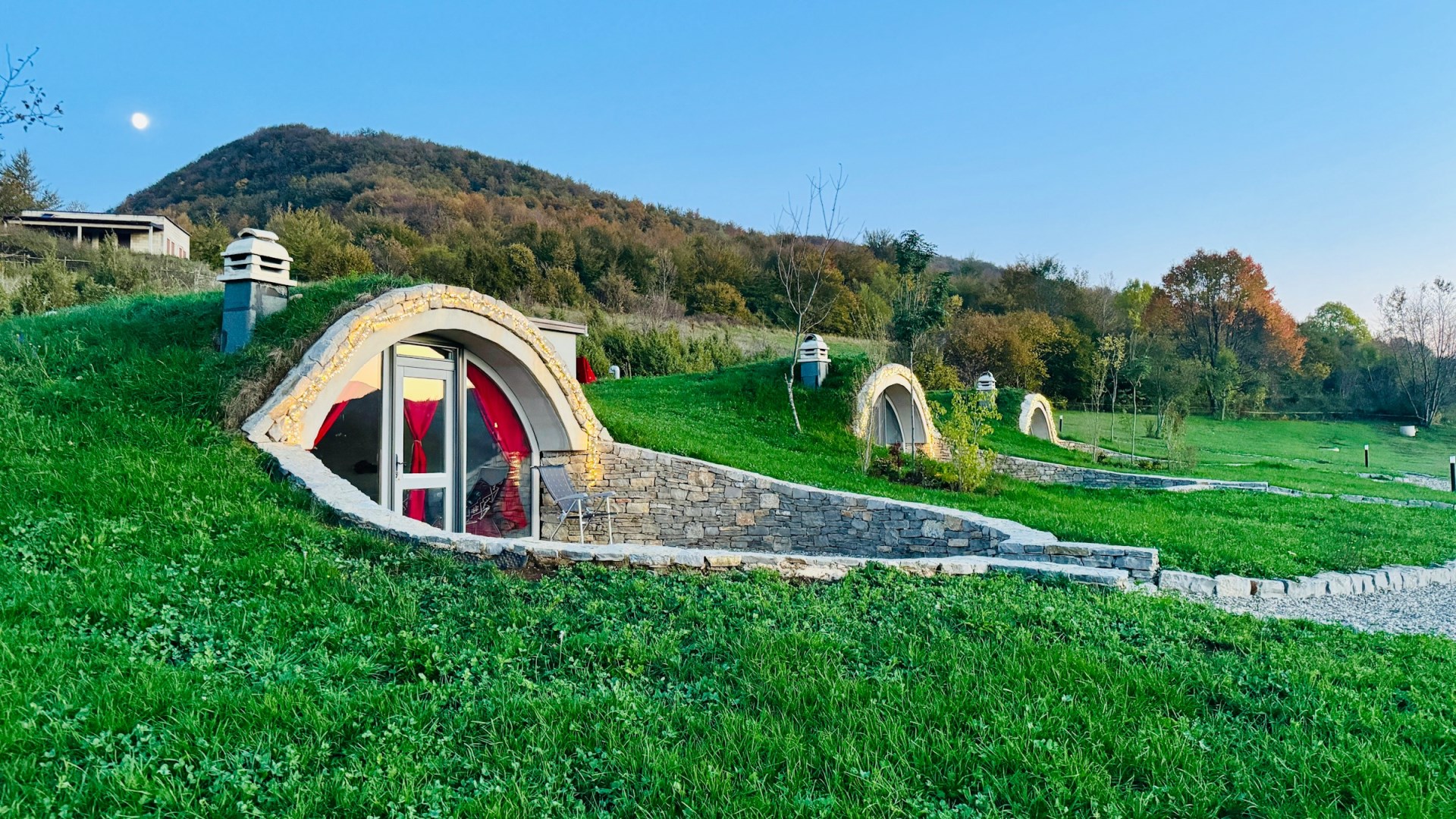
Kosovo
Kosovo, one of Europe’s youngest countries, offers visitors a glimpse into a landscape marked by resilience and rich tradition. The capital, Pristina, blends modern life with historical landmarks such as the Imperial Mosque, built in the 15th century, and the National Library, known for its unique architectural style. Walking through the city, visitors encounter a mix of Ottoman influences alongside vibrant street art and lively cafes.
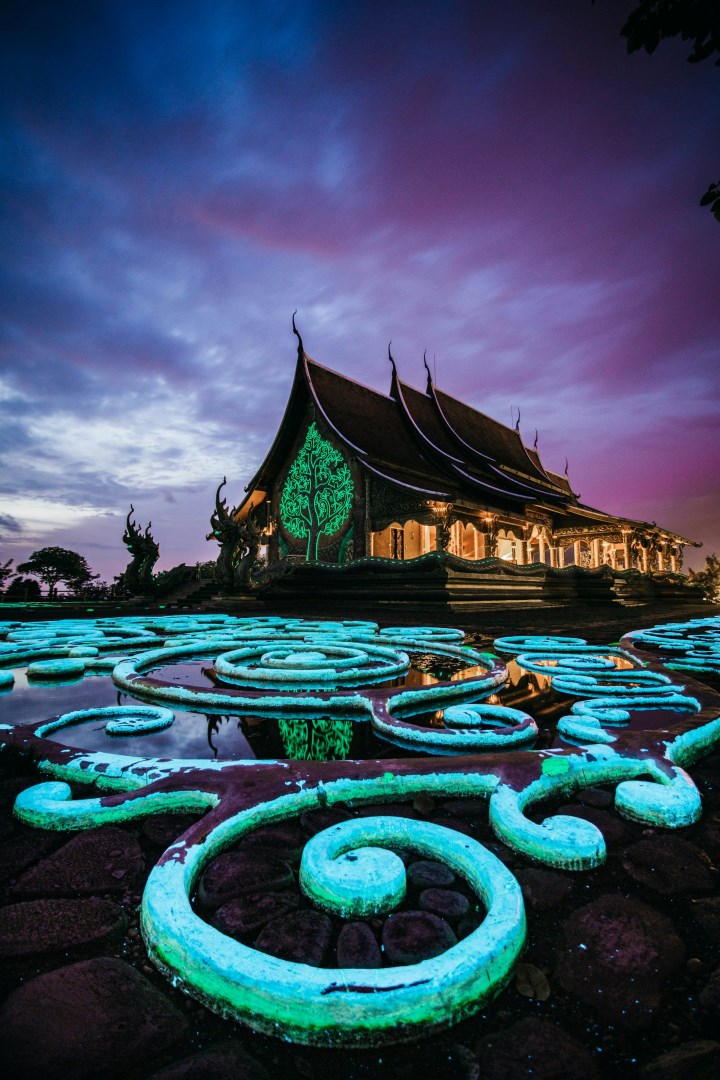
Chong Mek
Chong Mek is a small border town in Sirindhorn District of Ubon Ratchathani Province in northeastern Thailand, situated near the crossing into Laos. Its location at the edge of the Dong Phayayen–Khao Yai forest region and close to the Mekong basin gives the area a mix of wooded hills, agricultural land, and cross-border commerce.
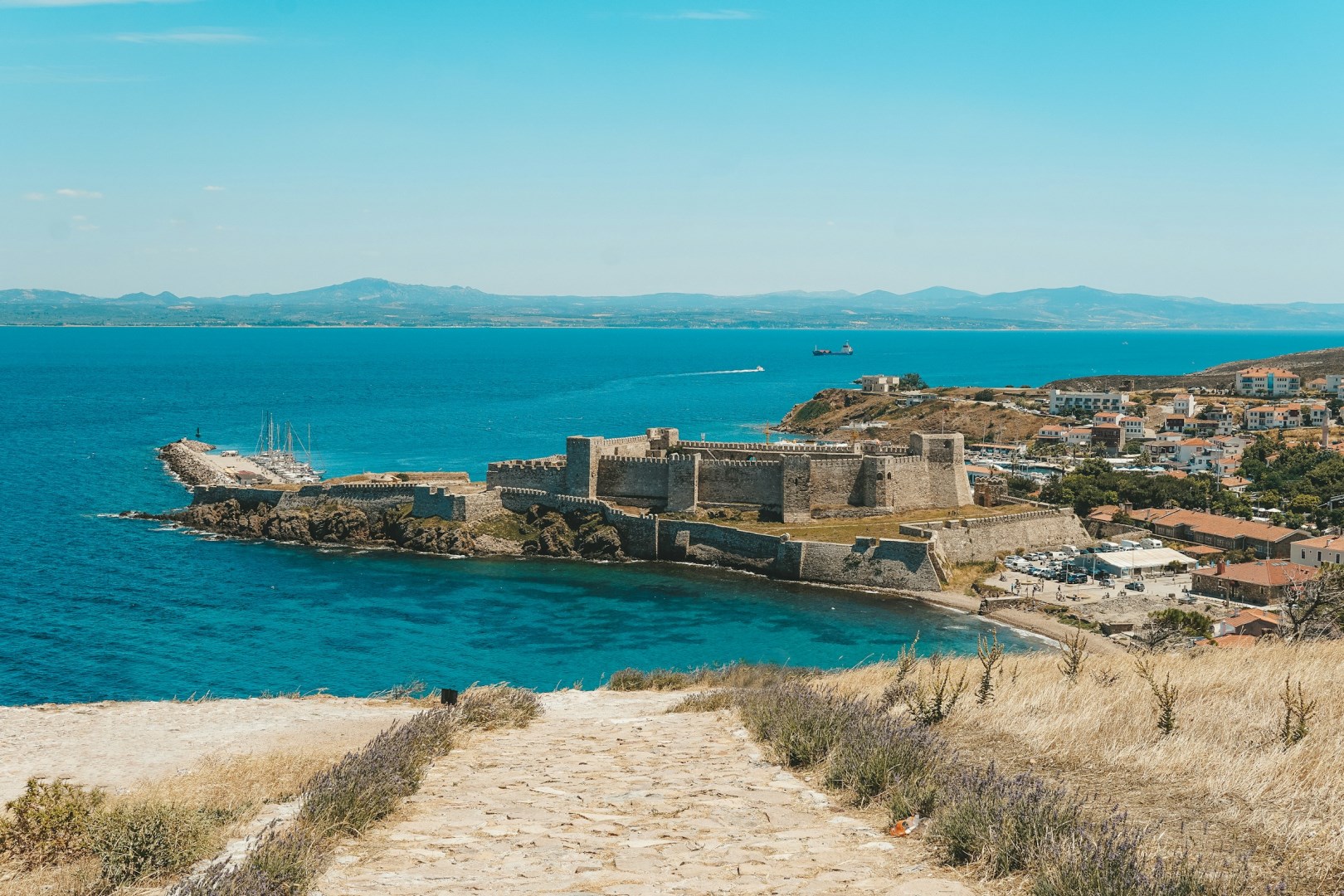
Bozcaada
Bozcaada is a small Turkish island in the northeastern Aegean, off the coast of Çanakkale and near the entrance to the Dardanelles. Formerly known as Tenedos, it is Turkey’s third-largest island and is known for its whitewashed houses, narrow streets, vineyards, and windswept coastline. The harbor is dominated by Bozcaada Castle, while the old town extends behind the waterfront with cafés, shops, and traditional houses.
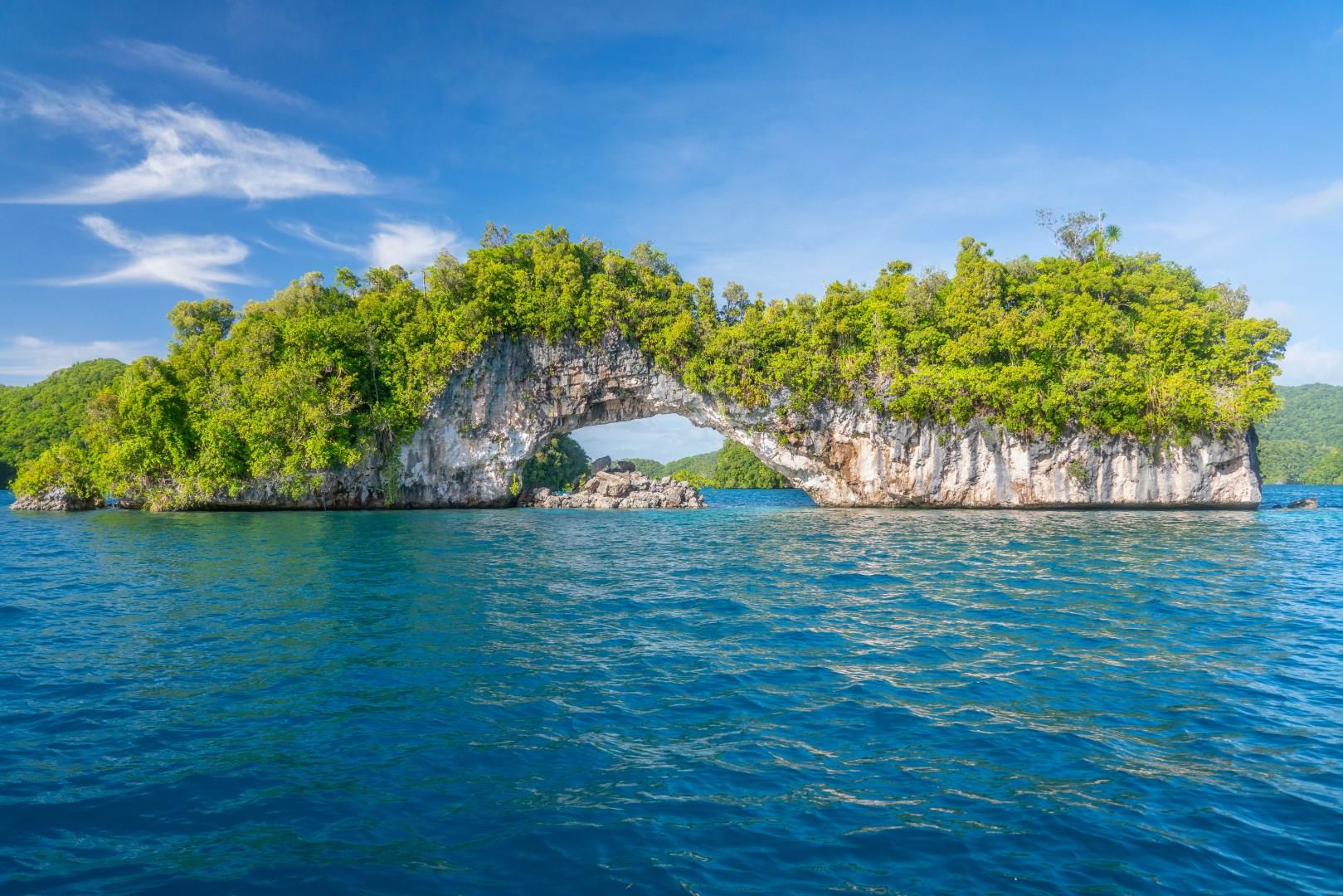
Palau
Palau, a Pacific island nation made up of over 500 islands, offers a one-of-a-kind experience for travelers who want to discover something both ancient and alive. Located between the Philippines and Guam, this small country is known for its otherworldly seascapes, but its appeal runs far deeper than its turquoise waters.

Alghero Sardinia
Alghero, located on the northwest coast of Sardinia, Italy, is a seaside city that blends history, culture, and natural beauty. Known as “Little Barcelona” due to its Catalan influence, Alghero’s old town is a maze of narrow cobblestone streets, colorful buildings, and medieval walls overlooking the Mediterranean Sea. Visitors can explore landmarks like the imposing Torre del Portal, a medieval tower that is a testament to the city’s rich heritage.
