
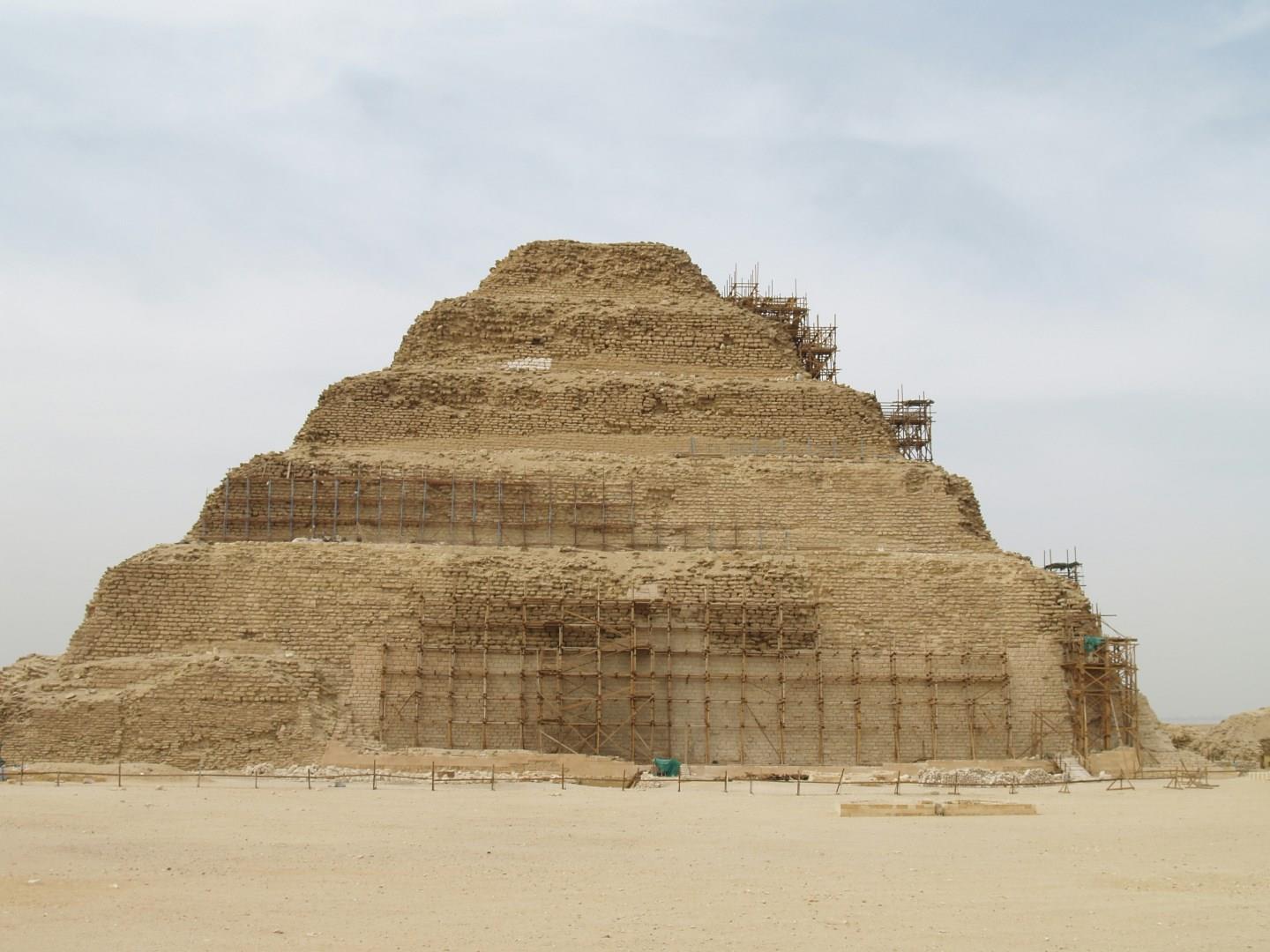
Sakkara
Sakkara, located just south of Cairo, is one of Egypt’s most important archaeological sites and the vast necropolis of the ancient capital of Memphis. Stretching over seven kilometers, it served as a burial ground for pharaohs, nobles, and high officials across multiple dynasties.
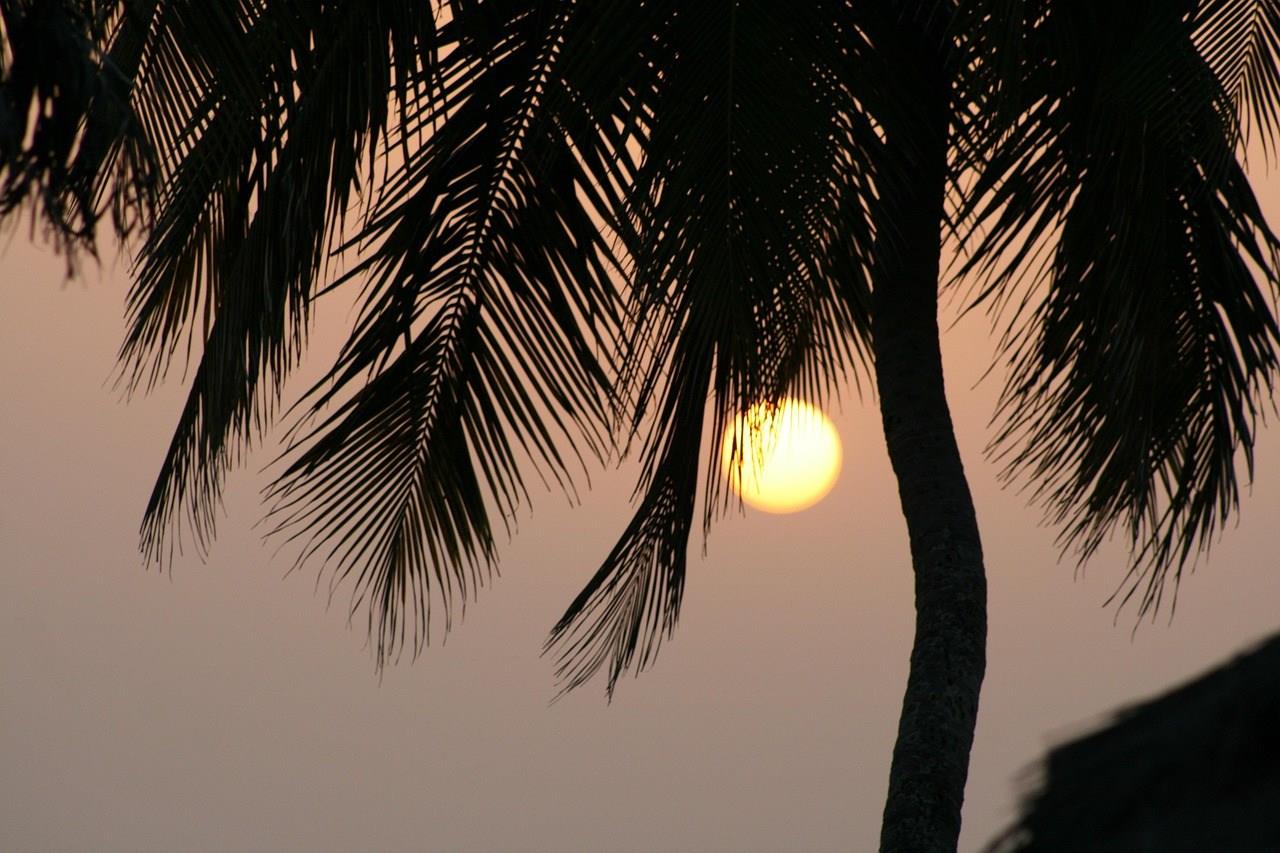
Guinea
Guinea, located on the west coast of Africa, offers a rich blend of landscapes, cultures, and traditions that remain largely untouched by mass tourism. Its Atlantic shoreline is dotted with fishing villages and sandy beaches, while inland, rolling highlands and dense rainforests give way to sweeping savannas.

Nicaragua
Nicaragua offers travelers a look into centuries of layered history set against striking natural backdrops. Visitors can tour the baroque-style Granada Cathedral, take a boat ride through Las Isletas (a chain of small, volcanic islands in Lake Nicaragua), or climb the bell tower of Iglesia La Merced for sweeping city views.

Kom Ombo
Kom Ombo, a hidden gem along the Nile River in southern Egypt, is a destination that seamlessly blends ancient history, captivating architecture, and scenic beauty. This charming town is renowned for the Temple of Kom Ombo, a unique double temple dedicated to two deities: Sobek, the crocodile god, and Horus, the falcon-headed god of the sky.
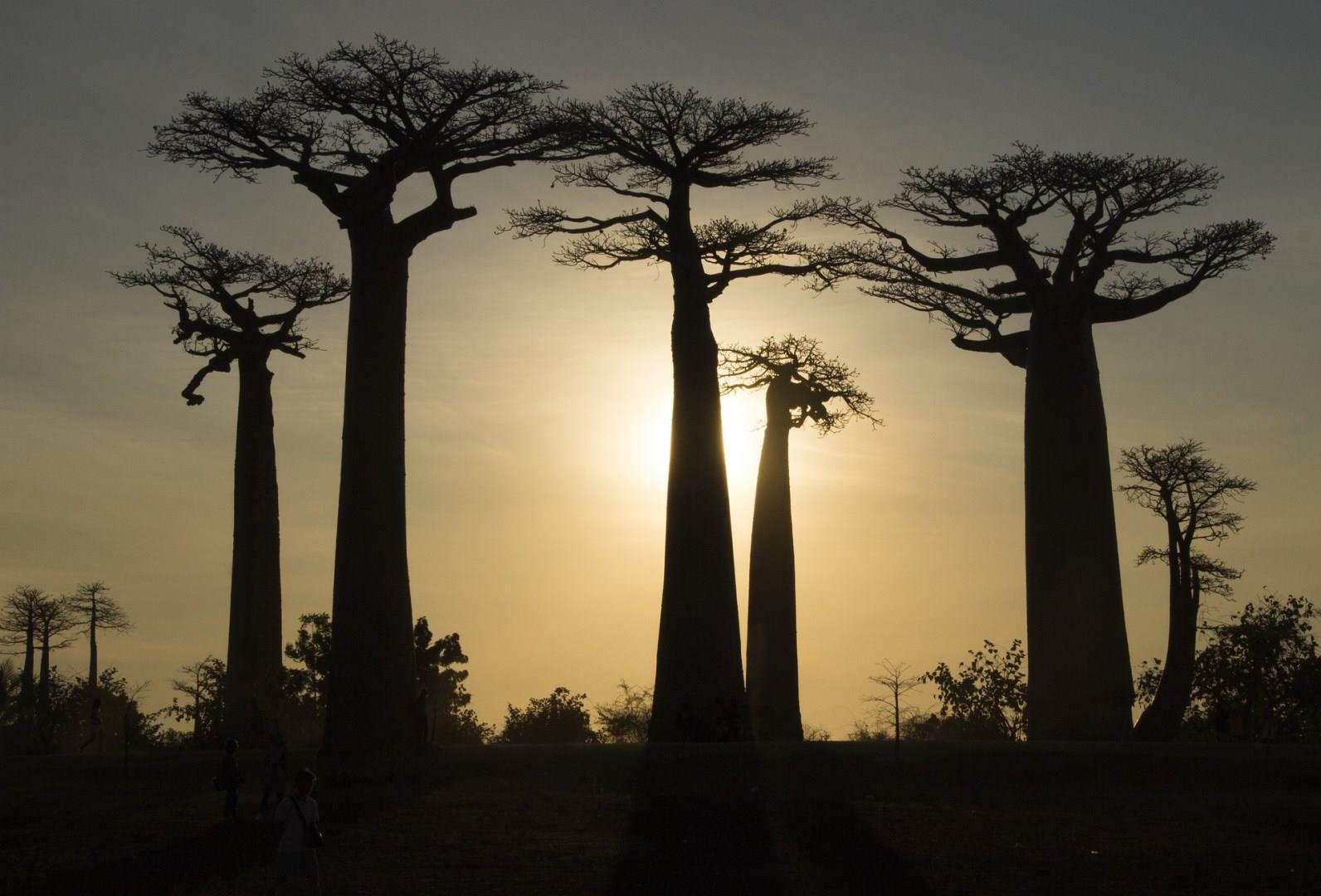
Madagascar
Madagascar, the world’s fourth-largest island, lies off the southeastern coast of Africa and is renowned for its extraordinary biodiversity and unique landscapes. Its rainforests, spiny deserts, and highland plateaus provide habitats for species found nowhere else on Earth.
