
Khinaliq
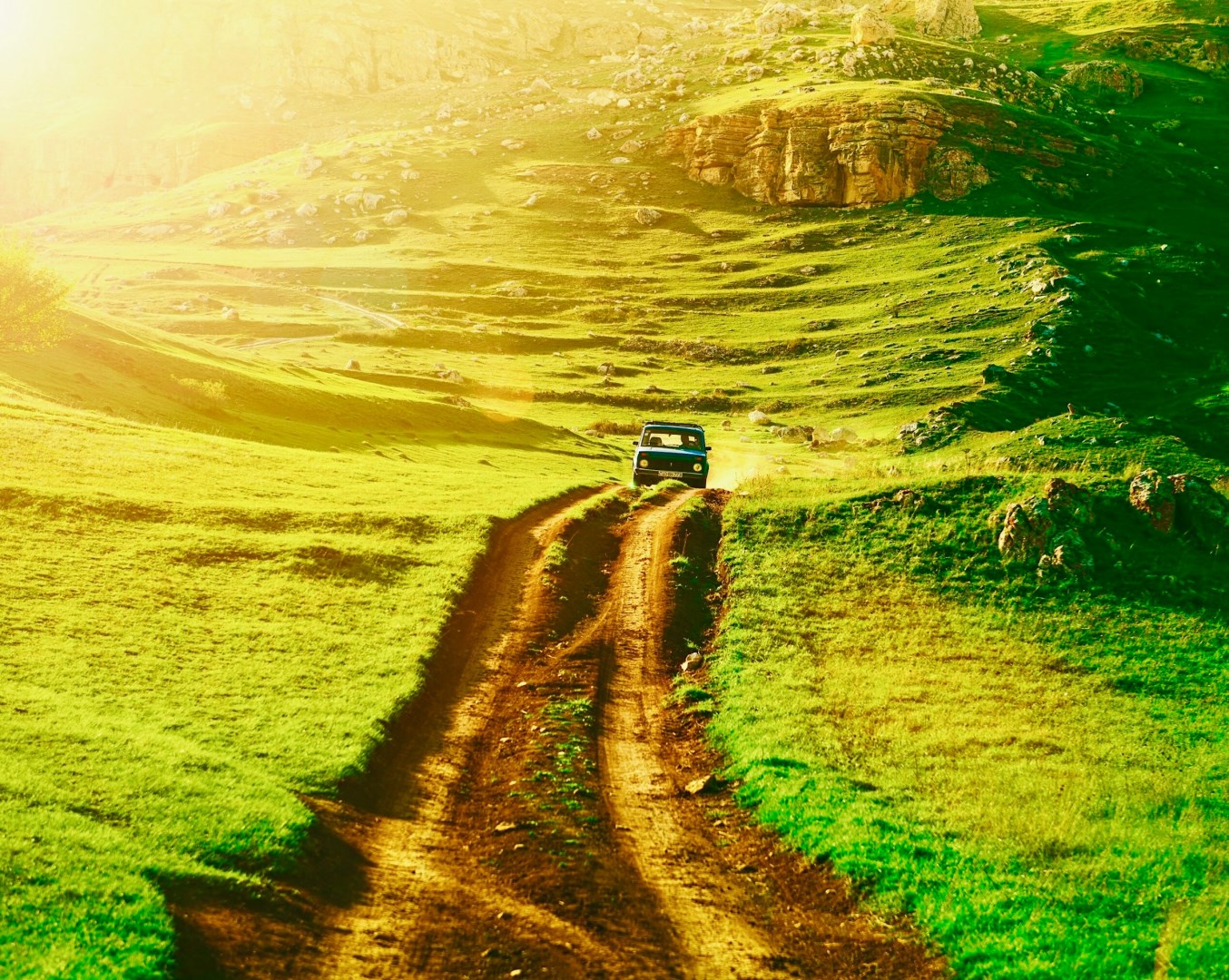
Khinaliq is a high-mountain village in northern Azerbaijan, situated in the Greater Caucasus Mountains at an elevation of more than 2,000 meters. The village is built on steep slopes above the Qudyalchay valley, with tightly packed stone houses rising in terraces along the mountainside. Surrounding peaks, alpine meadows, rocky ridges, and deep valleys create a rugged landscape shaped by the high-altitude environment.
Paracas
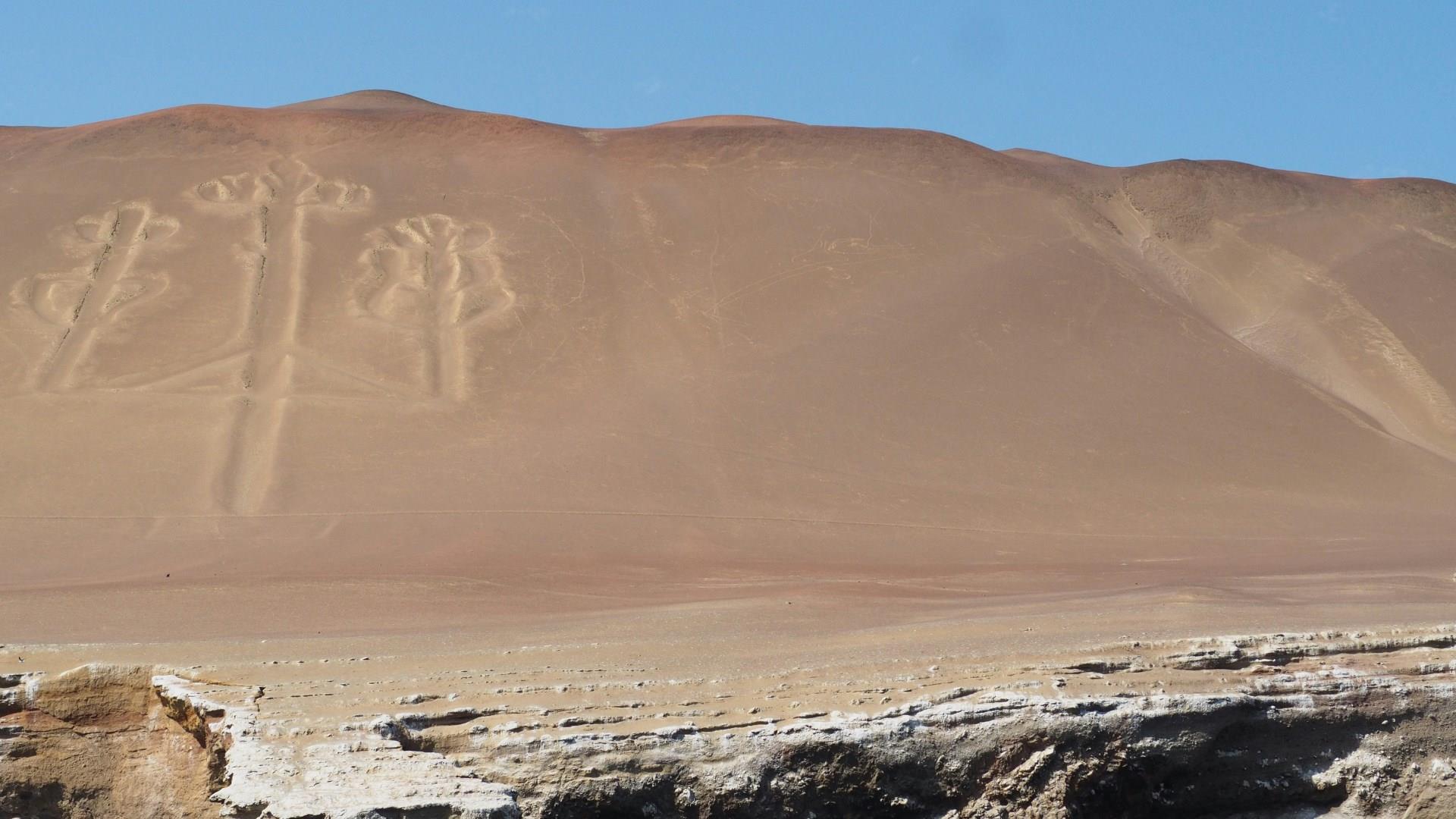
Paracas, a small coastal town in southern Peru, offers a mix of desert landscapes, marine wildlife, and ancient history. Just three hours from Lima, it’s the gateway to the Paracas National Reserve, one of the country’s most important protected areas. This reserve includes both land and sea, making it home to dramatic cliffs, wind-carved rock formations, and waters where dolphins, sea lions, and Humboldt penguins are frequently seen.
Genovesa Island
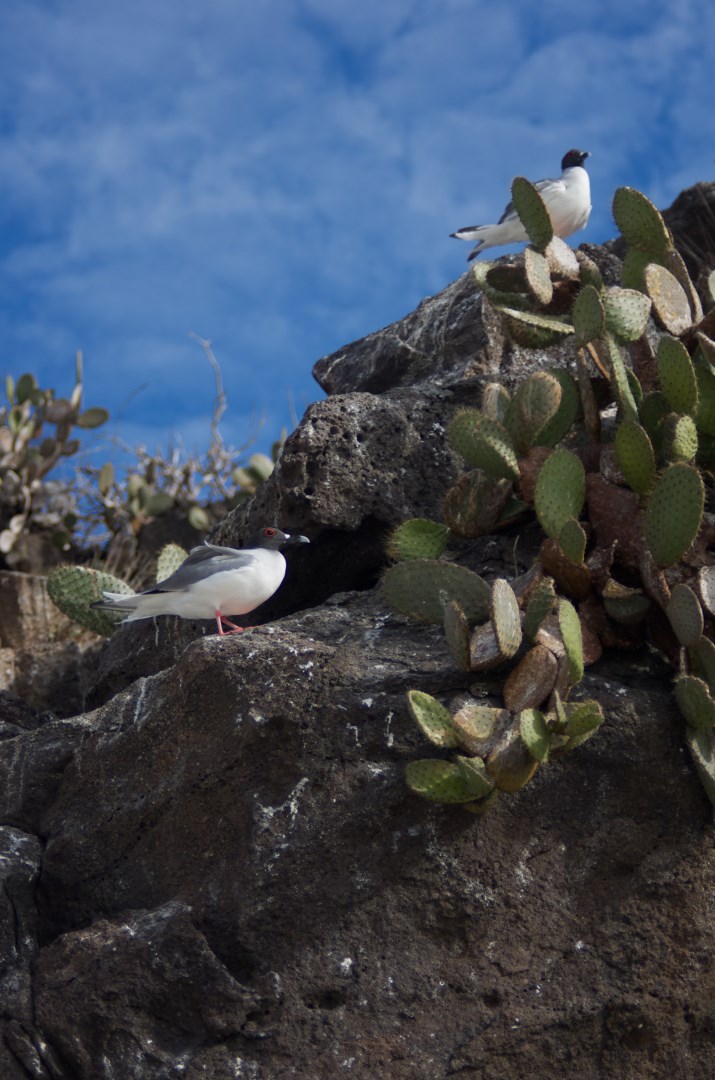
Named after the Italian city of Genoa, Genovesa Island is a dormant volcano in the Galápagos Islands. Its nickname, Bird Island, stems from the large and diverse bird population including storm petrels, red-footed boobies, swallow-tailed gulls and more.
Lake Tana
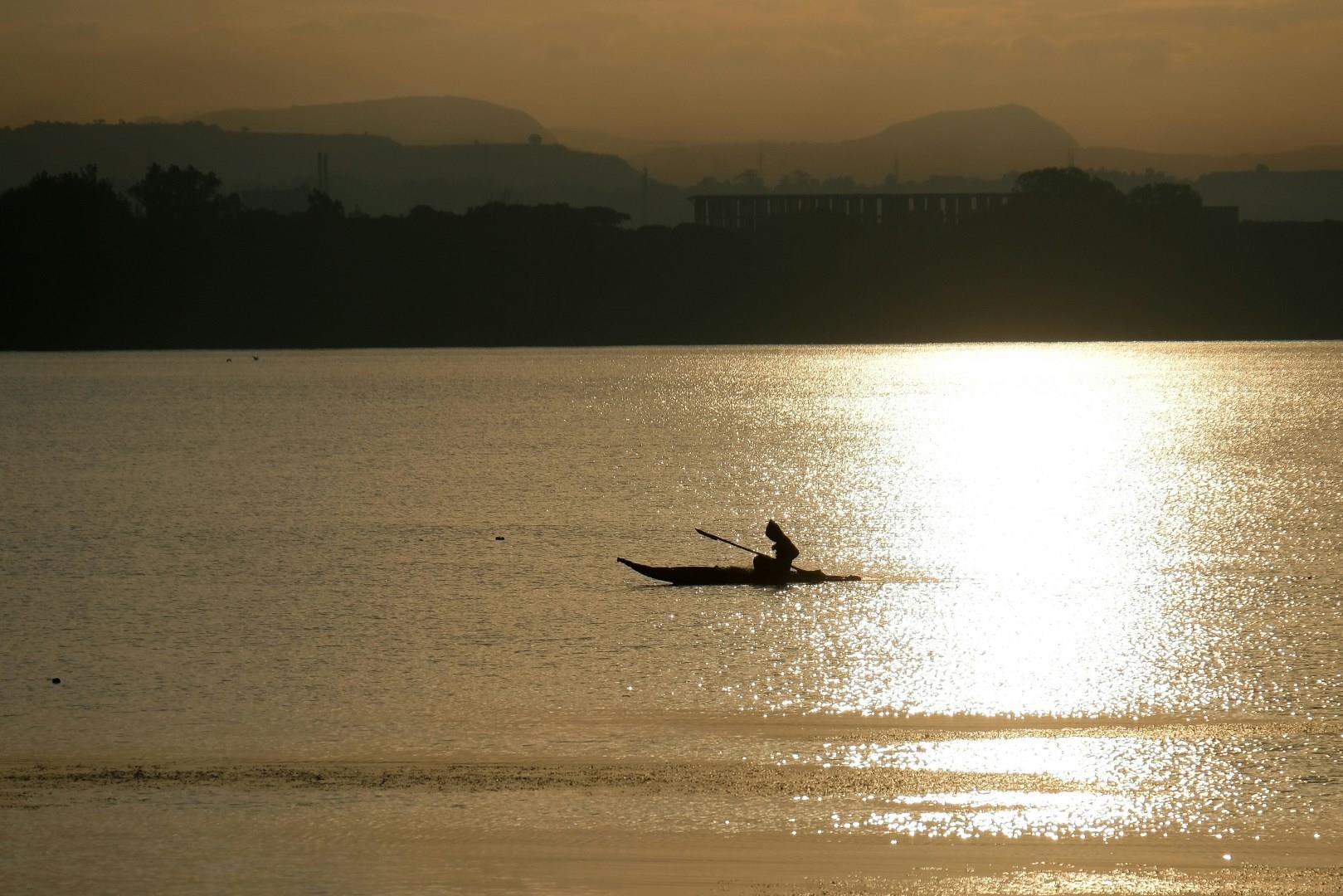
Lake Tana, located in the northwest of Ethiopia, is the country’s largest freshwater lake and the source of the Blue Nile. Its calm waters are dotted with more than 30 islands, many of which are home to ancient monasteries adorned with religious paintings and manuscripts.
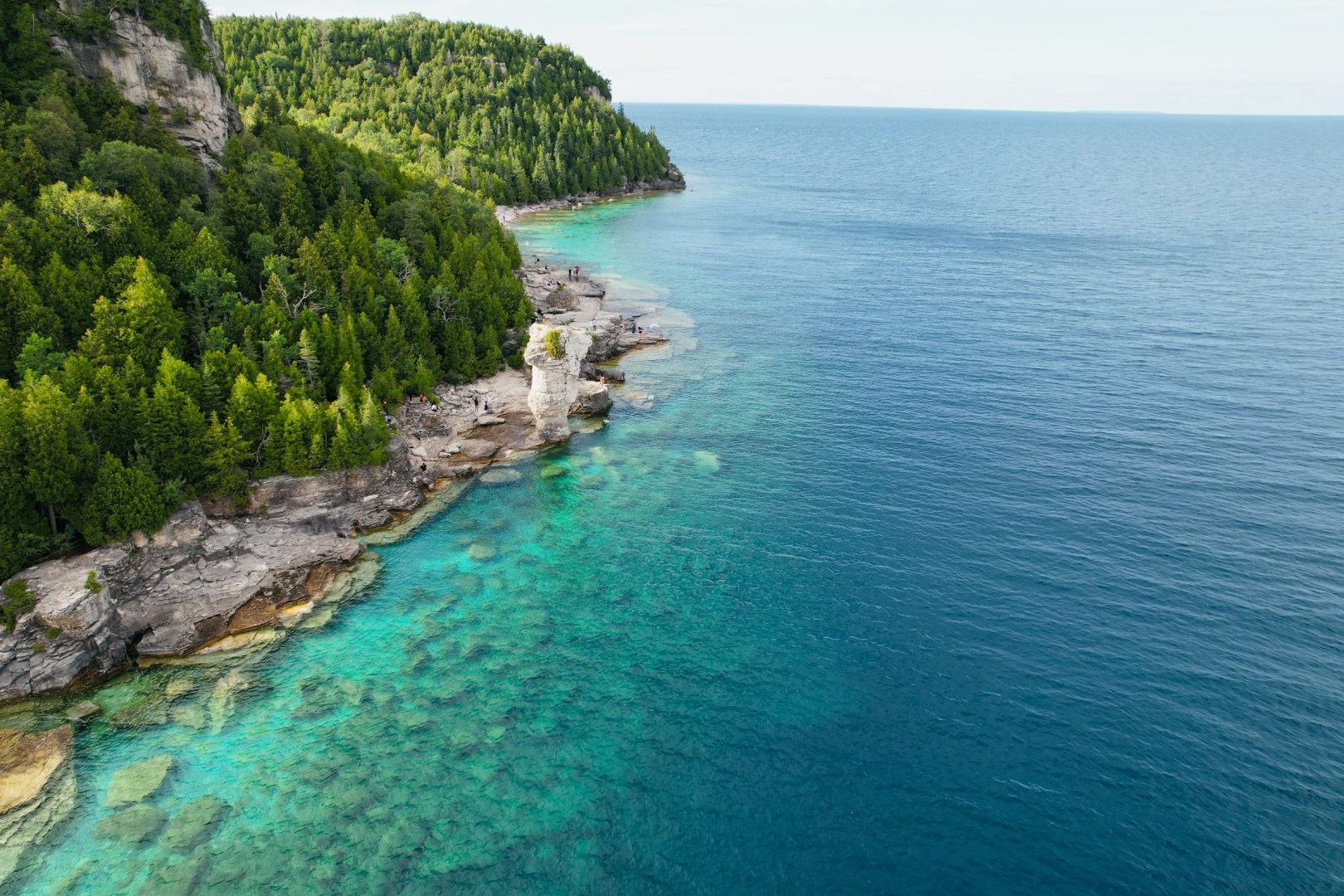
Tobermory
Tobermory is a small harbour community at the northern tip of the Bruce Peninsula in Ontario, where Georgian Bay meets Lake Huron. Its location is surrounded by clear freshwater, rugged limestone shoreline, forests, and numerous offshore islands. Tobermory is closely associated with Fathom Five National Marine Park and Bruce Peninsula National Park, which protect distinctive terrestrial and underwater environments around the peninsula.
