
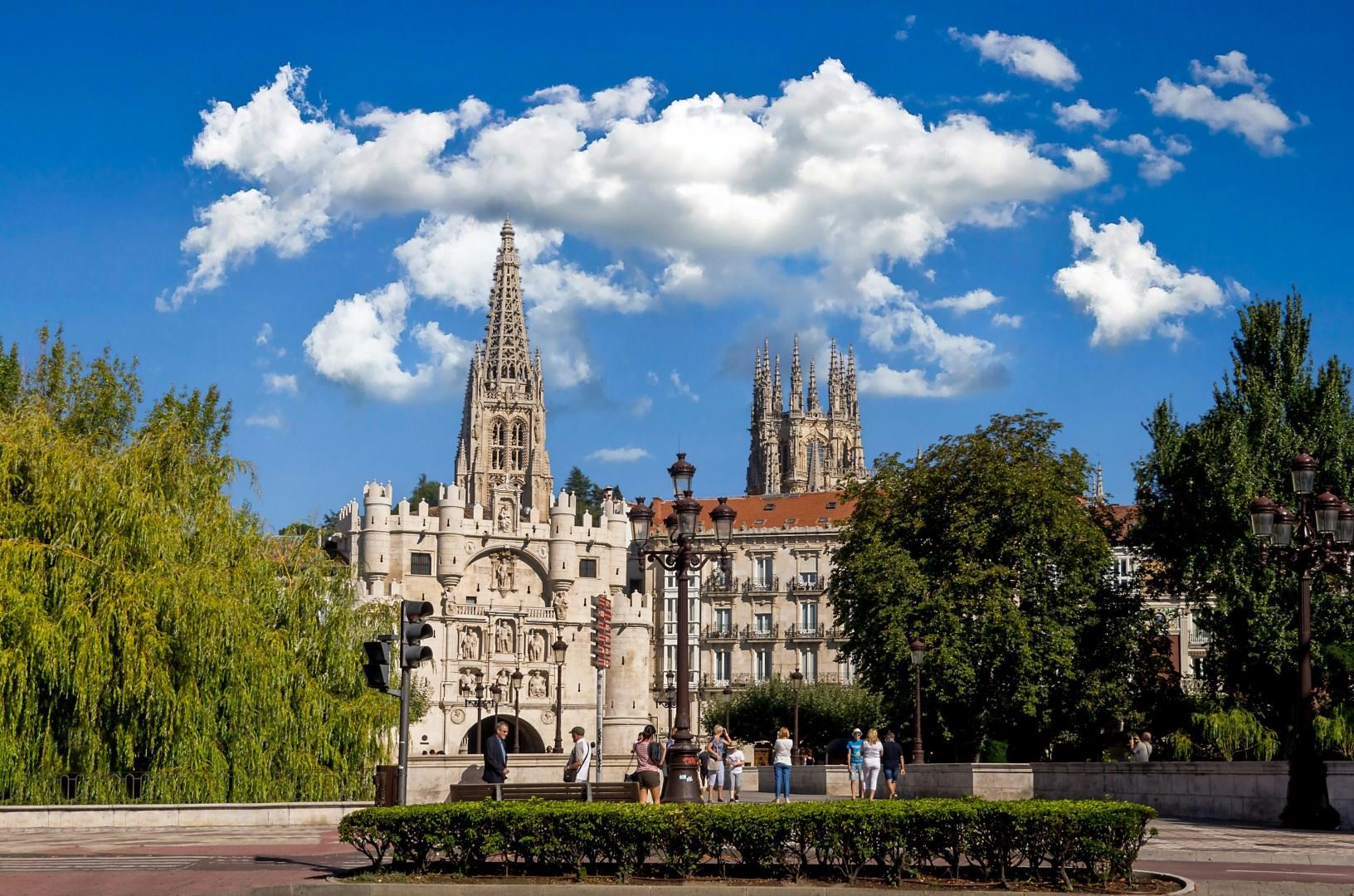
Burgos
Burgos, located in northern Spain, is a city where medieval heritage is still part of daily life. At its heart stands the Burgos Cathedral, a UNESCO World Heritage Site and one of the most striking examples of Gothic architecture in Europe. Construction began in 1221 and continued for over 300 years, resulting in a cathedral that features elaborate spires, stained glass, and the tomb of El Cid, Spain’s legendary military leader.
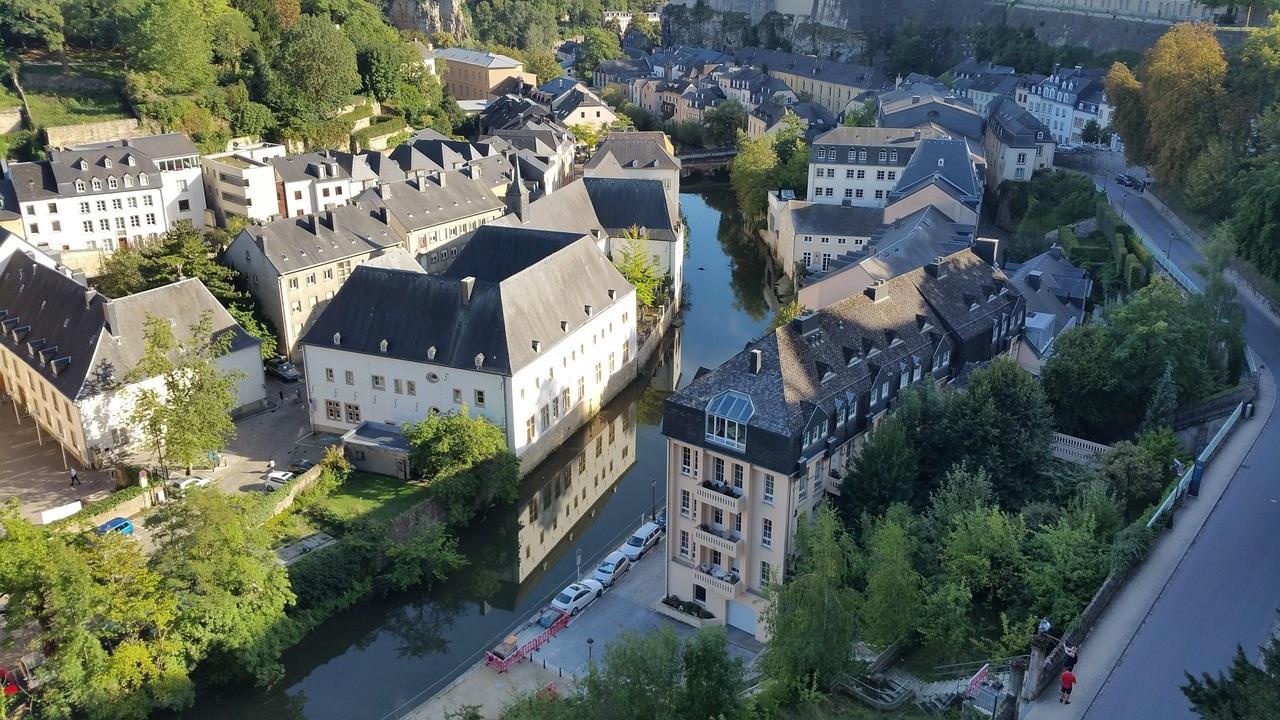
Luxembourg
Luxembourg, a small yet influential country in the heart of Europe, offers visitors a rich blend of historic sites and contemporary culture. The capital city, Luxembourg City, is famous for its dramatic cliffs and ancient fortifications that have earned it a UNESCO World Heritage status. Walking through the old quarters, visitors can explore the casemates that reveal layers of the city’s military past.
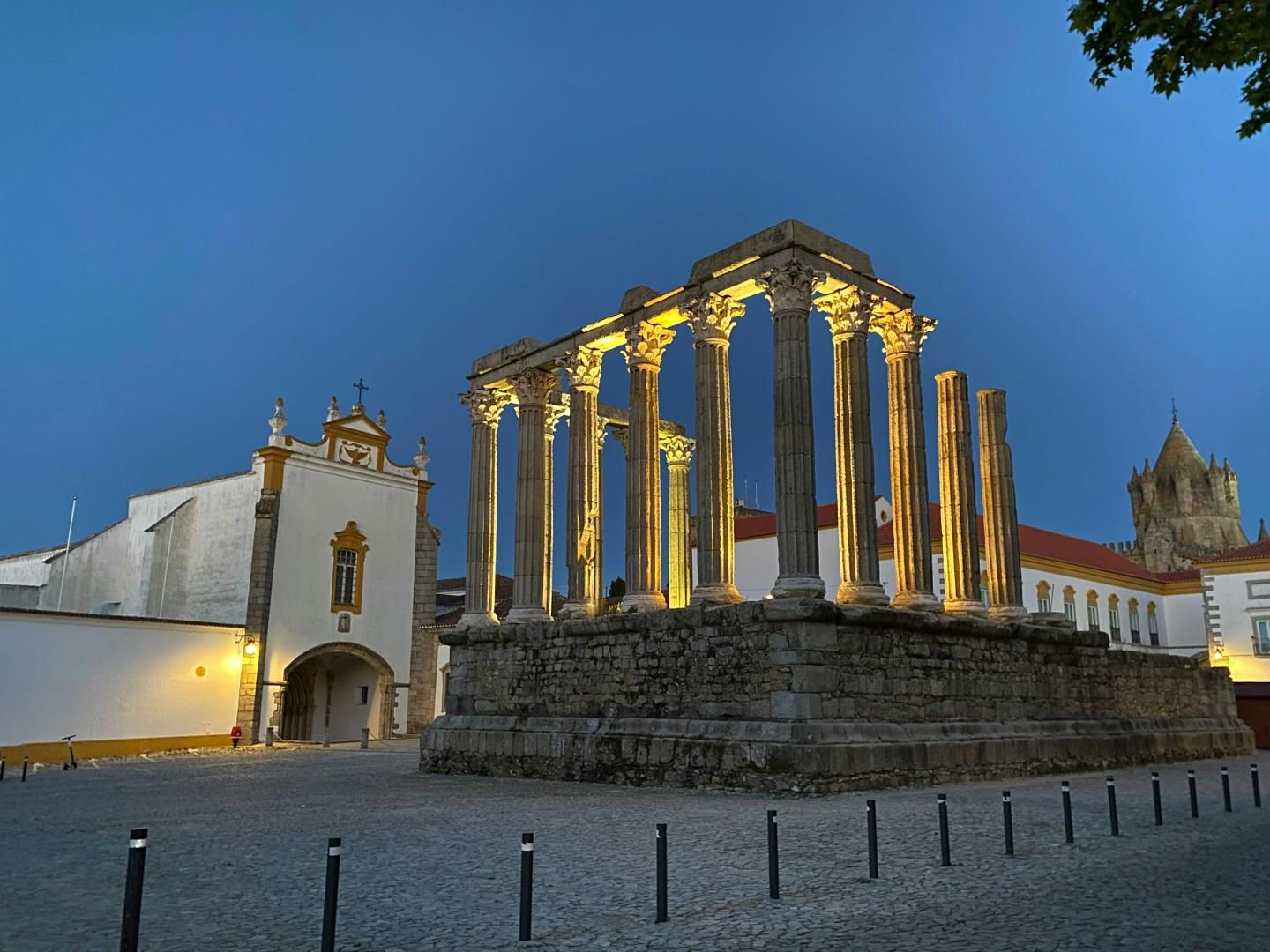
Evora
Évora, in Portugal’s Alentejo region, feels like stepping into a story that spans more than two thousand years. Its Historic Centre was named a UNESCO World Heritage Site for good reason with its ancient walls, homes with wrought-iron balconies, and narrow streets quietly preserve traces of Roman, Moorish, and medieval life. Beyond architecture and monuments, Évora reveals lesser-known treasures that reward exploration.

Airlie Beach
Located on the coast of Queensland, Australia, Airlie Beach is a favorite stop for cruises along the Great Barrier Reef. This coastal paradise offers spectacular beaches and easy access to the Whitsunday Islands, Conway National Park, and, of course, the Great Barrier Reef.

Dijon
Dijon is the capital of the Burgundy region in eastern France and a city renowned for its rich history, architectural beauty, and, of course, its world-famous mustard.
