
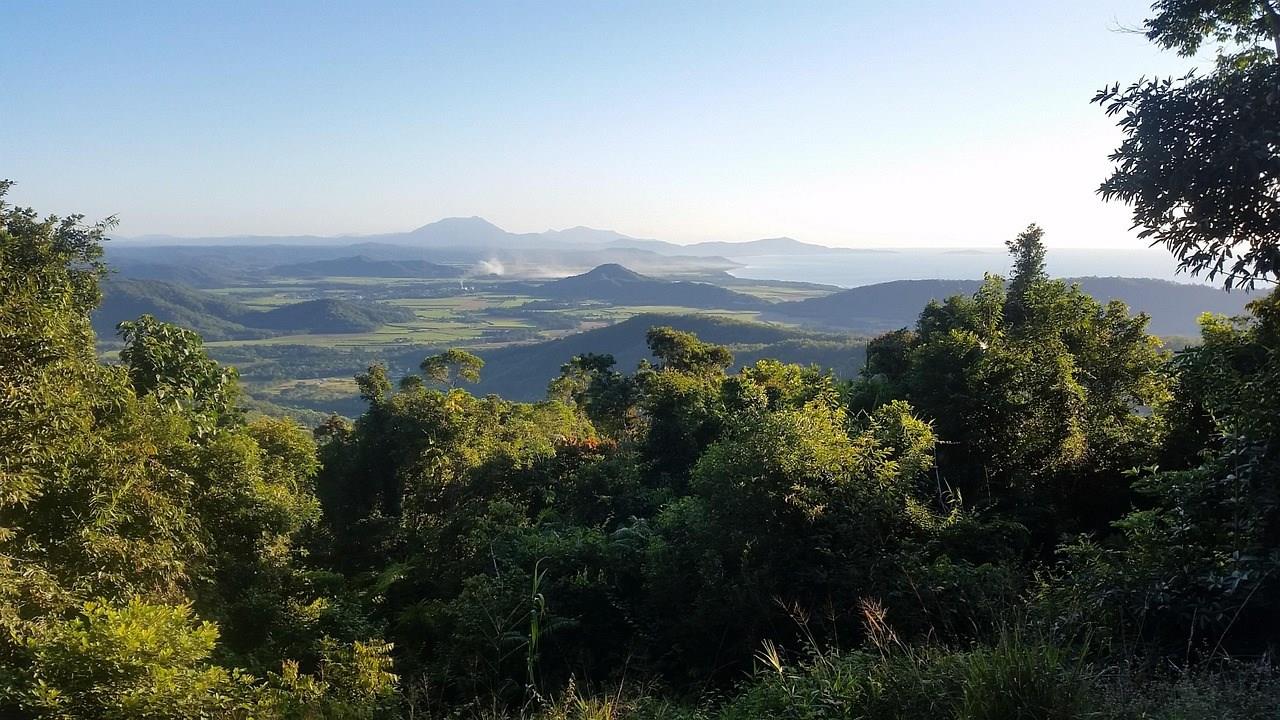
Port Douglas
Australia’s Port Douglas is a tropical escape tucked between two natural wonders: the Great Barrier Reef and the Daintree Rainforest.

Lake Titicaca
Lake Titicaca, perched at over 3,800 meters above sea level, is the highest navigable lake in the world and a place where ancient stories still echo across the water. Shared by Bolivia and Peru, this lake has long been considered sacred by the Andean peoples. According to Inca legend, it was from Titicaca’s deep blue waters that the first humans were created. Today, the lake remains a center of cultural tradition, spiritual significance, and daily life for many who live along its shores.
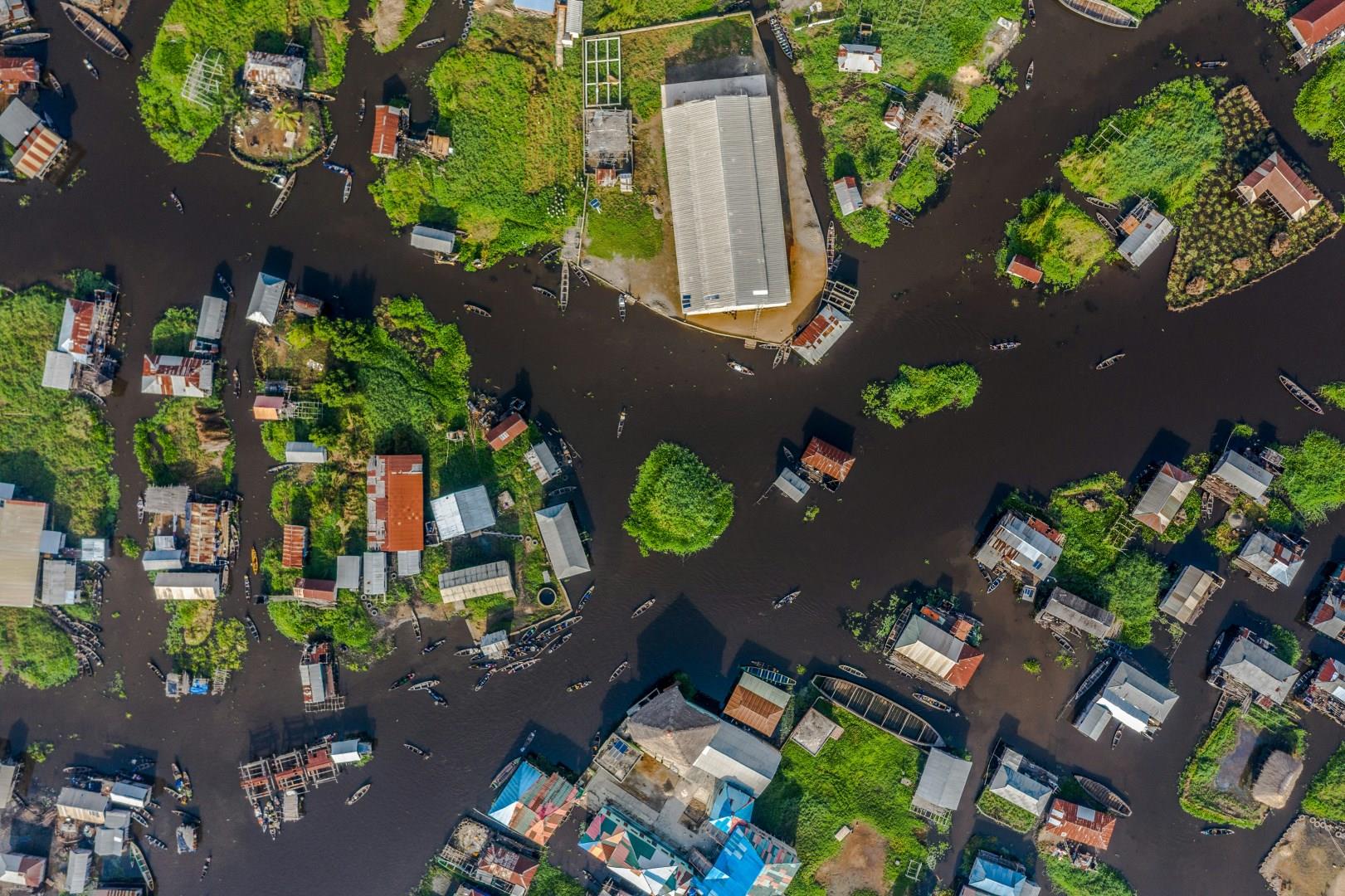
Ganvie
Ganvie, often called the "Venice of Africa," is a lake village located in the heart of Lake Nokoué in southern Benin. What makes Ganvie extraordinary is that the entire village sits on stilts above the water, with wooden homes, floating markets, and schools accessible only by boat. Visitors can glide through narrow canals in pirogues, experiencing firsthand a way of life shaped entirely by water.

Ilok
Ilok, the easternmost town in Croatia on the Danube River, may be small but it has a lot to offer. A well-preserved Franciscan monastery and a 15th century castle make it a popular day trip for domestic as well as foreign tourists. Its wine-making tradition is even older; some say the region's viniculture dates back as early as 280 AD.

Seville
Must-sees in Seville include the landmark palace Royal Alcázar of Seville, the Gothic, bell-towered Catedral de Sevilla, and Plaza de España, an architectural marvel with Moorish, Baroque and Renaissance influences. Meanwhile, Museo del Baile Flamenco is the place to learn about flamenco dancing culture.
