

York
York, England, is a city where over 2,000 years of history comes to life. Originally founded by the Romans in 71 AD as Eboracum, York has witnessed the rise and fall of empires, from the Vikings to the Normans. Today, the city retains its medieval charm, with its historic York Minster, one of the largest Gothic cathedrals in Northern Europe, standing proudly as its centerpiece.

Osijek
Osijek, located in the eastern part of Croatia, is a city that blends rich history, vibrant culture, and a lively atmosphere. Situated along the banks of the Drava River, Osijek is the fourth-largest city in the country and the cultural and economic center of the Slavonia region.
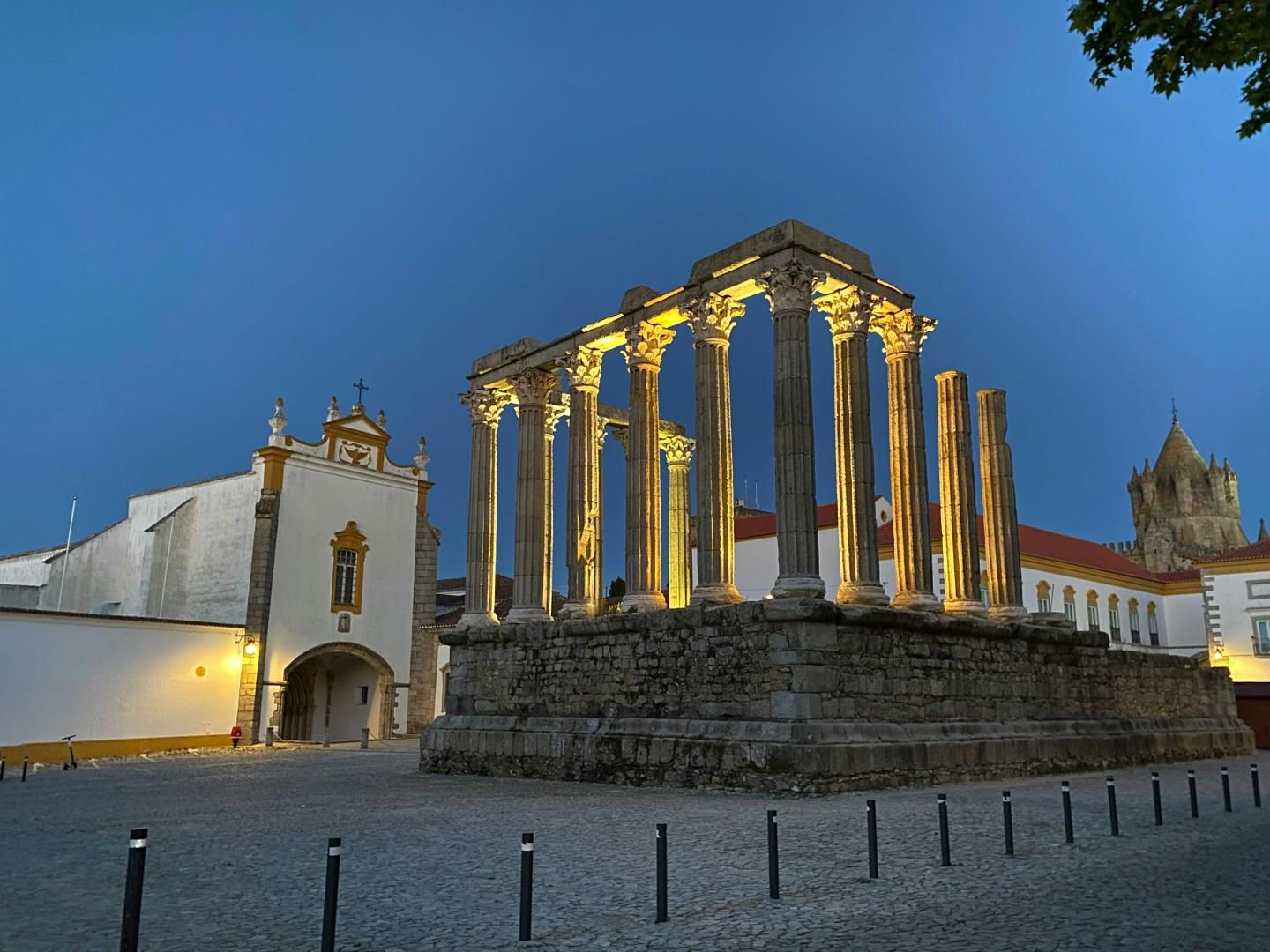
Evora
Évora, in Portugal’s Alentejo region, feels like stepping into a story that spans more than two thousand years. Its Historic Centre was named a UNESCO World Heritage Site for good reason with its ancient walls, homes with wrought-iron balconies, and narrow streets quietly preserve traces of Roman, Moorish, and medieval life. Beyond architecture and monuments, Évora reveals lesser-known treasures that reward exploration.

Cappadocia
The ancient region of Cappadocia lies in Central Anatolia, between the cities of Nevsehir, Kayseri and Nigde. Here, the traveler finds one of the most fantastic landscapes in the world. Wind and weather have eroded the soft volcanic rock with hundreds of strangely shaped pillars, cones and "fairy chimneys", often very tall, and in every shade from pink through yellow to russet browns.

Waterford
Waterford, Ireland’s oldest city, offers a captivating mix of Viking and medieval history, with landmarks like the Waterford Treasures museums and the House of Waterford Crystal showcasing its rich heritage and craftsmanship. Beyond its history, Waterford boasts stunning coastal beauty, especially along the UNESCO-listed Copper Coast, where dramatic cliffs, hidden beaches, and charming villages invite exploration.
