
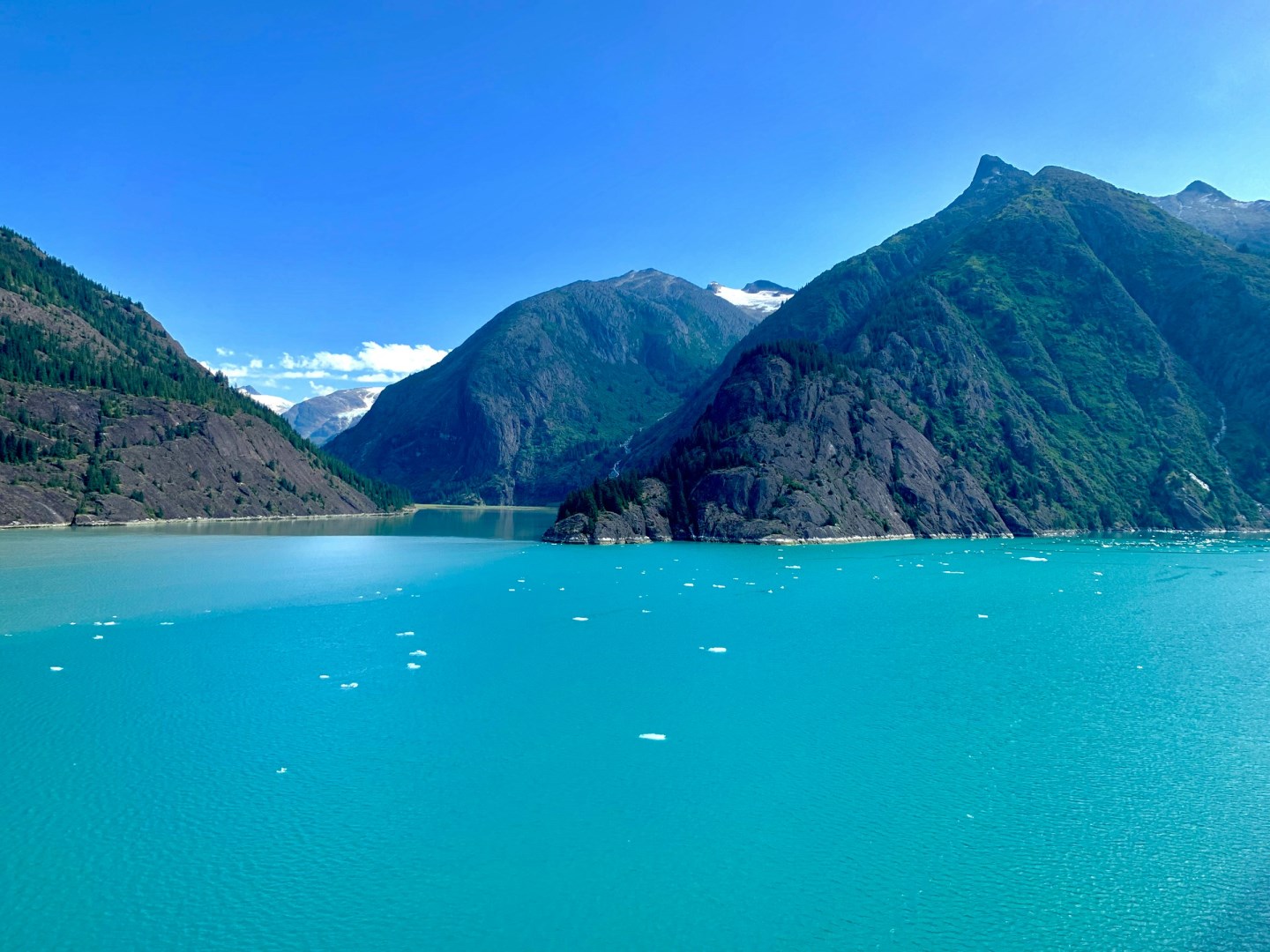
Hoonah
Hoonah, located on Chichagof Island in southeastern Alaska, is a small coastal community surrounded by breathtaking wilderness and rich Tlingit heritage. As Alaska’s largest Tlingit village, Hoonah is deeply connected to Indigenous traditions, storytelling, and respect for the natural world.
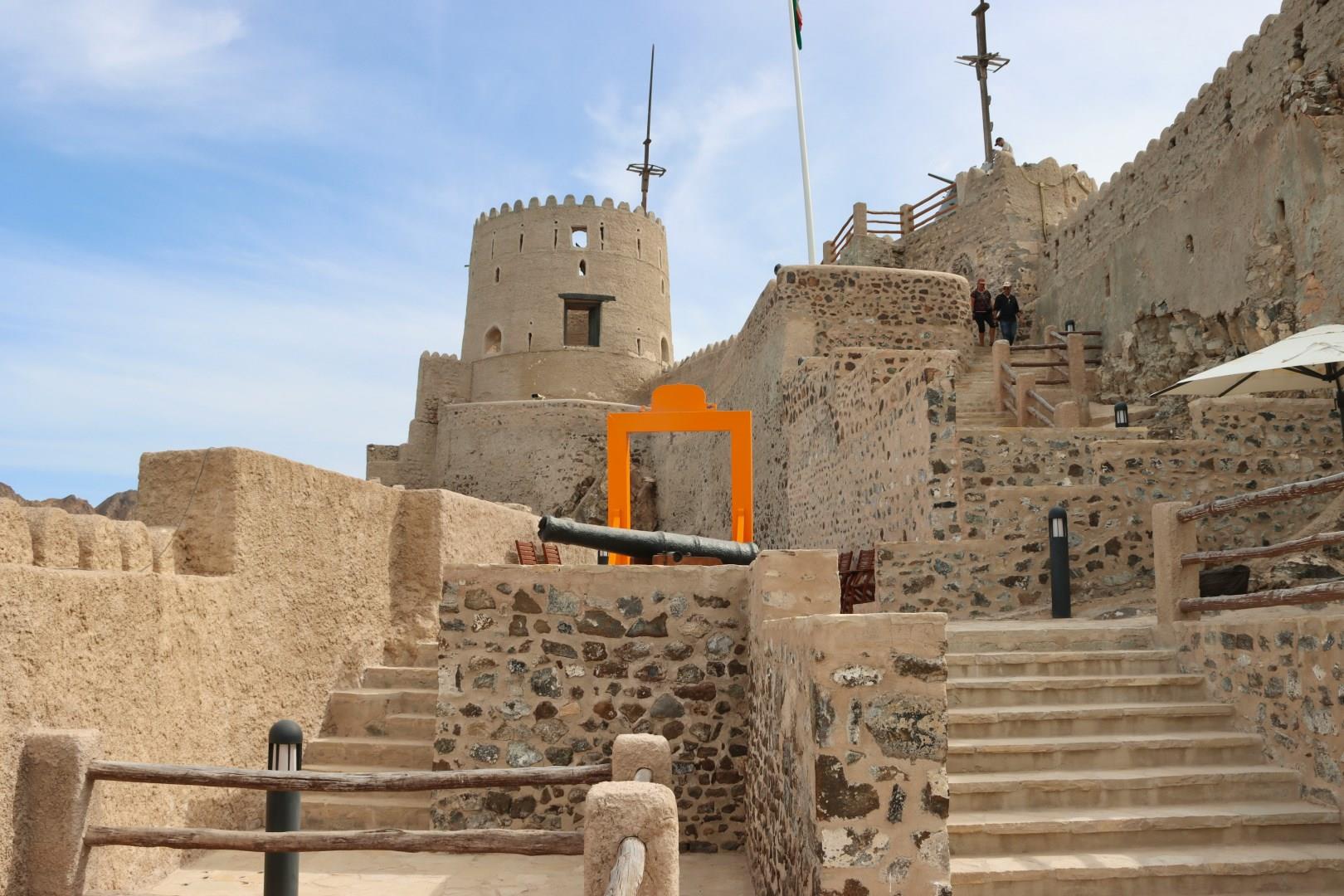
Nakhal
Located in northern Oman, Nakhal is best known for its impressive fort set dramatically against the backdrop of the Hajar Mountains. Originally built centuries ago and later expanded, the fort showcases traditional Omani architecture and offers sweeping views of the surrounding palm groves and rugged landscapes.
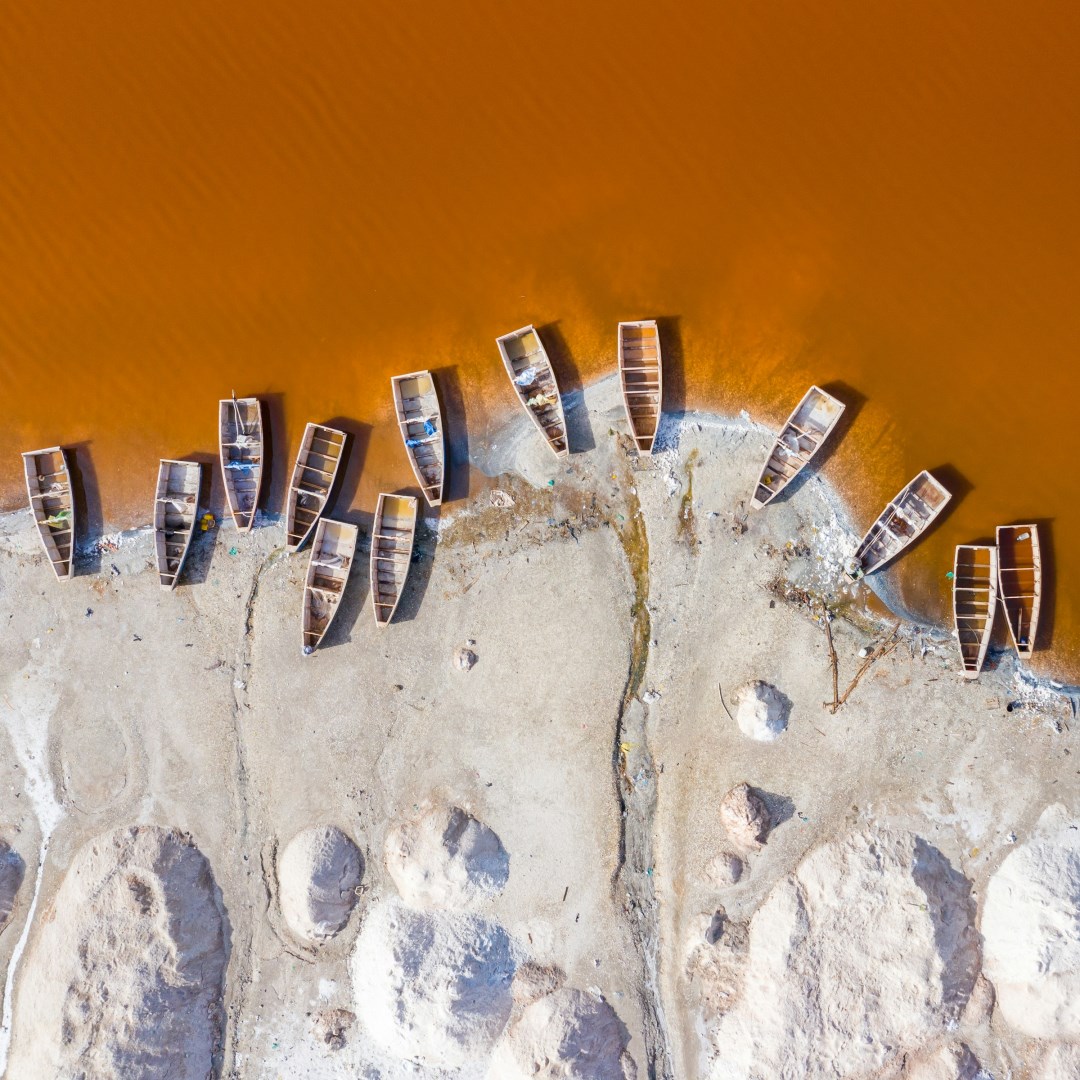
Lake Retba
Lake Retba, also known as Lac Rose, is a shallow salt lake near the Atlantic coast, north of Dakar. Its water is separated from the ocean by a narrow belt of dunes, creating a landscape of pale sand, salt flats, and low scrub. The lake is best known for its high salt concentration, which can produce pink, reddish, or mauve tones under particular conditions of sunlight and water chemistry. Its appearance changes with weather and light rather than remaining one fixed color.
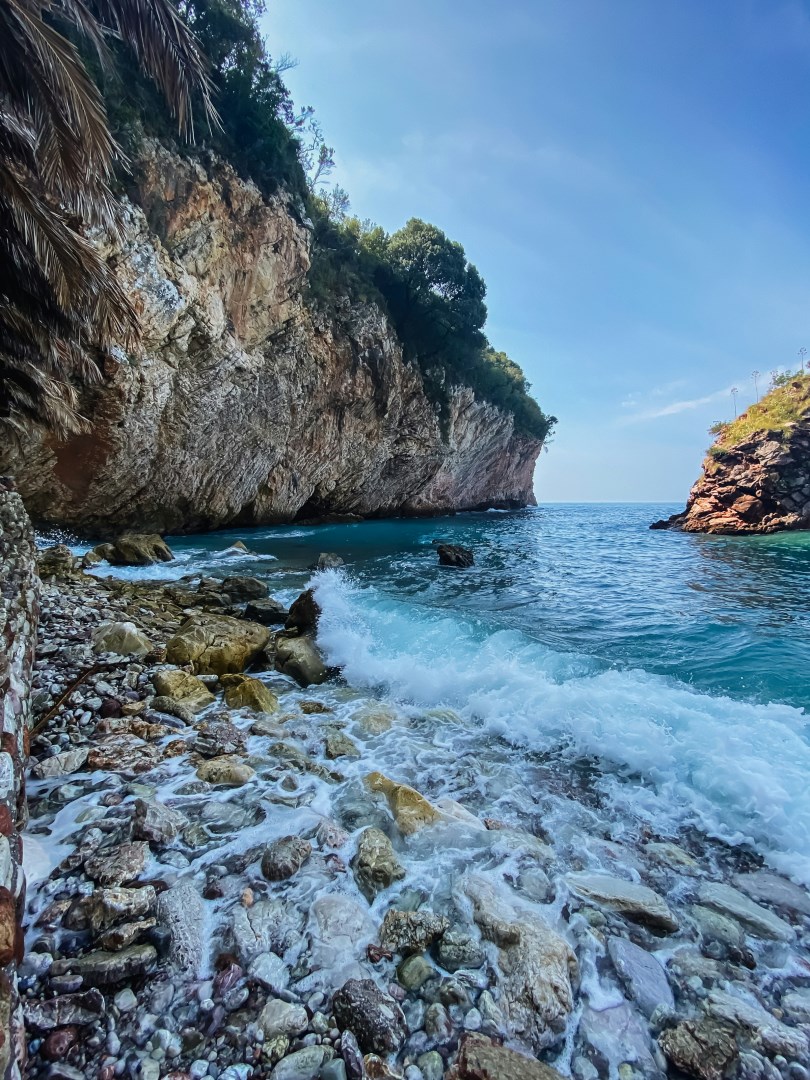
Adriatic Sea
The Adriatic Sea, a stunning crescent-shaped expanse of turquoise water between the Italian Peninsula and the Balkan Peninsula, offers a captivating destination for travelers seeking both natural beauty and rich history. Stretching from the Gulf of Trieste in the north to the Gulf of Kotor in the south, this Mediterranean gem is renowned for its crystal-clear waters, charming coastal towns, and diverse marine life. The pristine beaches of Croatia's Dalmatian Coast and Montenegro's Bay of Kotor p
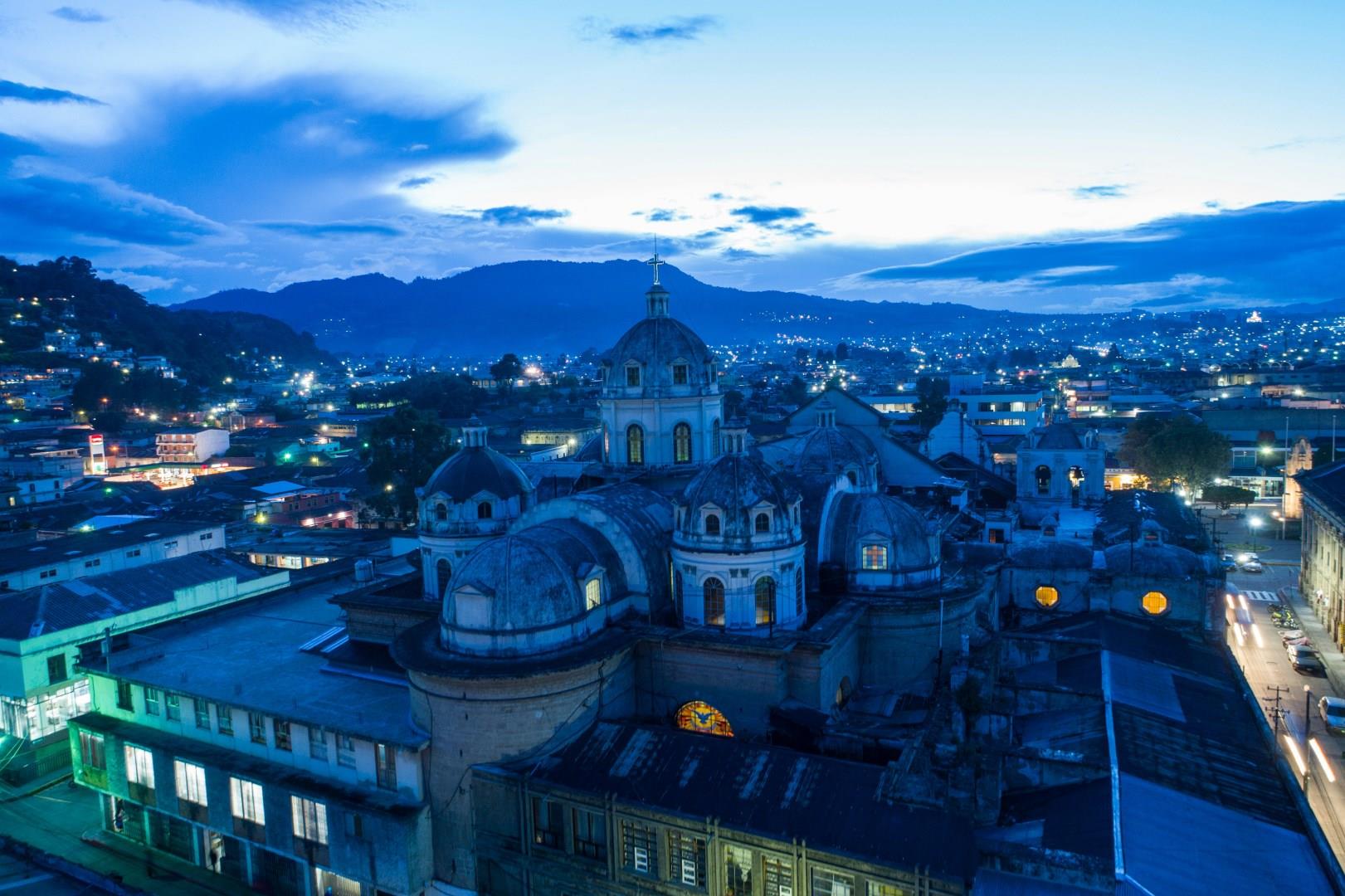
Quetzaltenango
Quetzaltenango, often called Xela by locals, is Guatemala’s second-largest city and a hub of indigenous culture, colonial history, and highland landscapes. Surrounded by volcanoes, including the towering Santa María, the city sits at over 7,600 feet above sea level, giving it a crisp mountain climate that contrasts with the country’s tropical lowlands.
