

Bratislava
Bratislava, Slovakia’s capital, sits along the Danube River at the crossroads of Central Europe. It's the only capital in the world bordering Austria and Hungary, which makes it an easy stop on many European itineraries. Yet Bratislava is more than a waypoint; it offers a compact city center filled with centuries of history. The Old Town’s cobbled lanes lead past Gothic cathedrals, Baroque palaces, and buildings once used by Habsburg royalty.
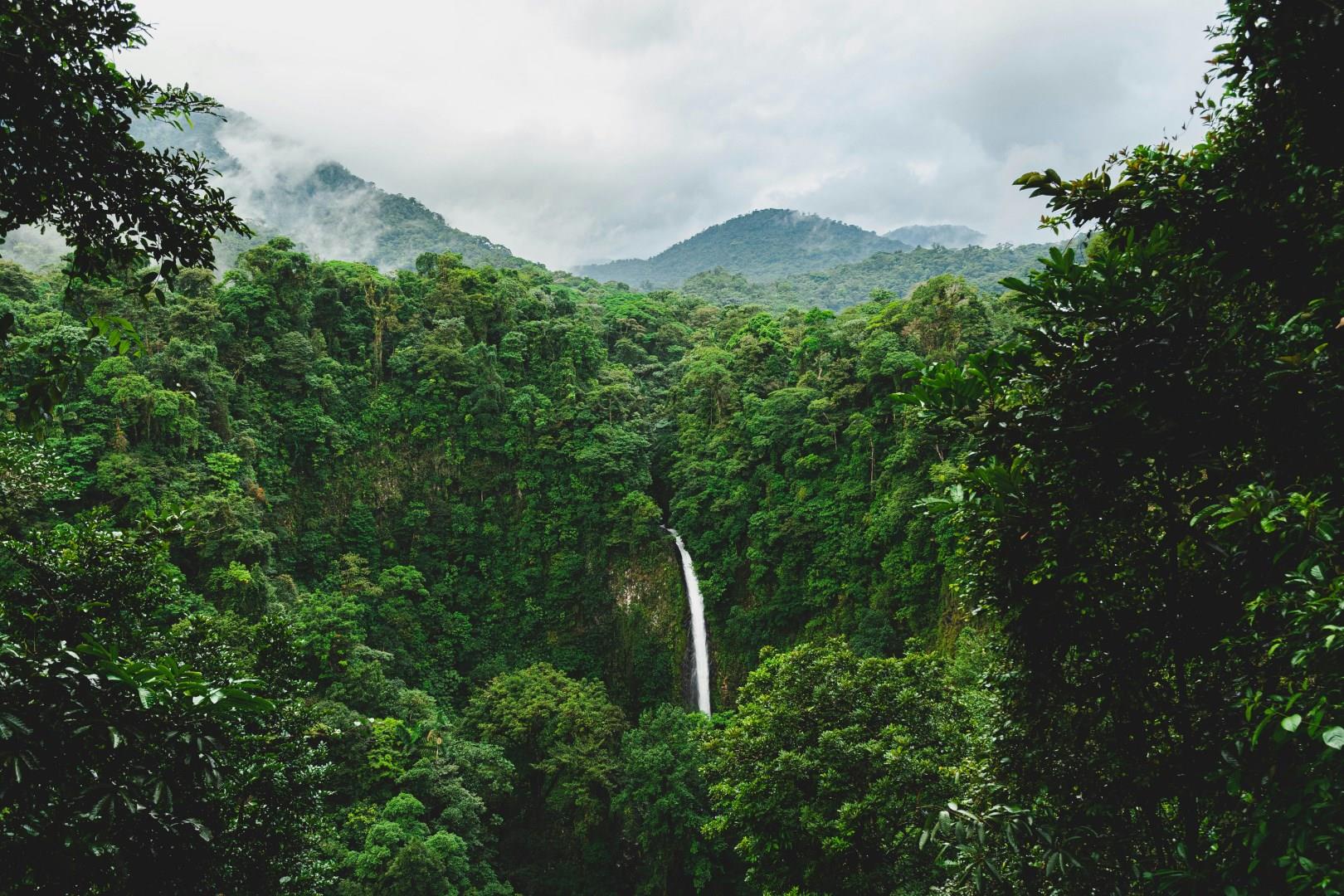
La Fortuna
La Fortuna, a small town in northern Costa Rica, sits in the shadow of the iconic Arenal Volcano, once the country’s most active and still one of its most visually striking. The town’s name, which means “The Fortune,” is no coincidence; it was spared when Arenal erupted unexpectedly in 1968, reshaping the landscape and eventually drawing visitors from around the world. Today, La Fortuna is known for its lush rainforest, geothermal activity, and stunning scenery that feels both wild and welcoming

Guernsey
Guernsey, the second-largest of the Channel Islands, blends coastal landscapes with a deep-rooted history shaped by centuries of outside influence. Though located closer to France than to mainland Britain, Guernsey is a British Crown Dependency with its own government and a distinct identity. The capital, St Peter Port, is a hillside town overlooking a natural harbor, where visitors can explore narrow lanes, stone stairways, and 18th-century buildings.

La Goulette
La Goulette, a charming port town just north of Tunis, is a delightful destination for travelers seeking a blend of history, culture, and seaside relaxation. Known for its vibrant atmosphere, La Goulette offers visitors a chance to explore its bustling markets, enjoy fresh seafood at local restaurants, and relax on its beautiful beaches.

Yucatan
Yucatán, a Mexican state, is popular for its Gulf of Mexico beach areas and spectacular Mayan ruins. It is bordered by the states of Campeche and Quintana Roo.
