
Aci Trezza
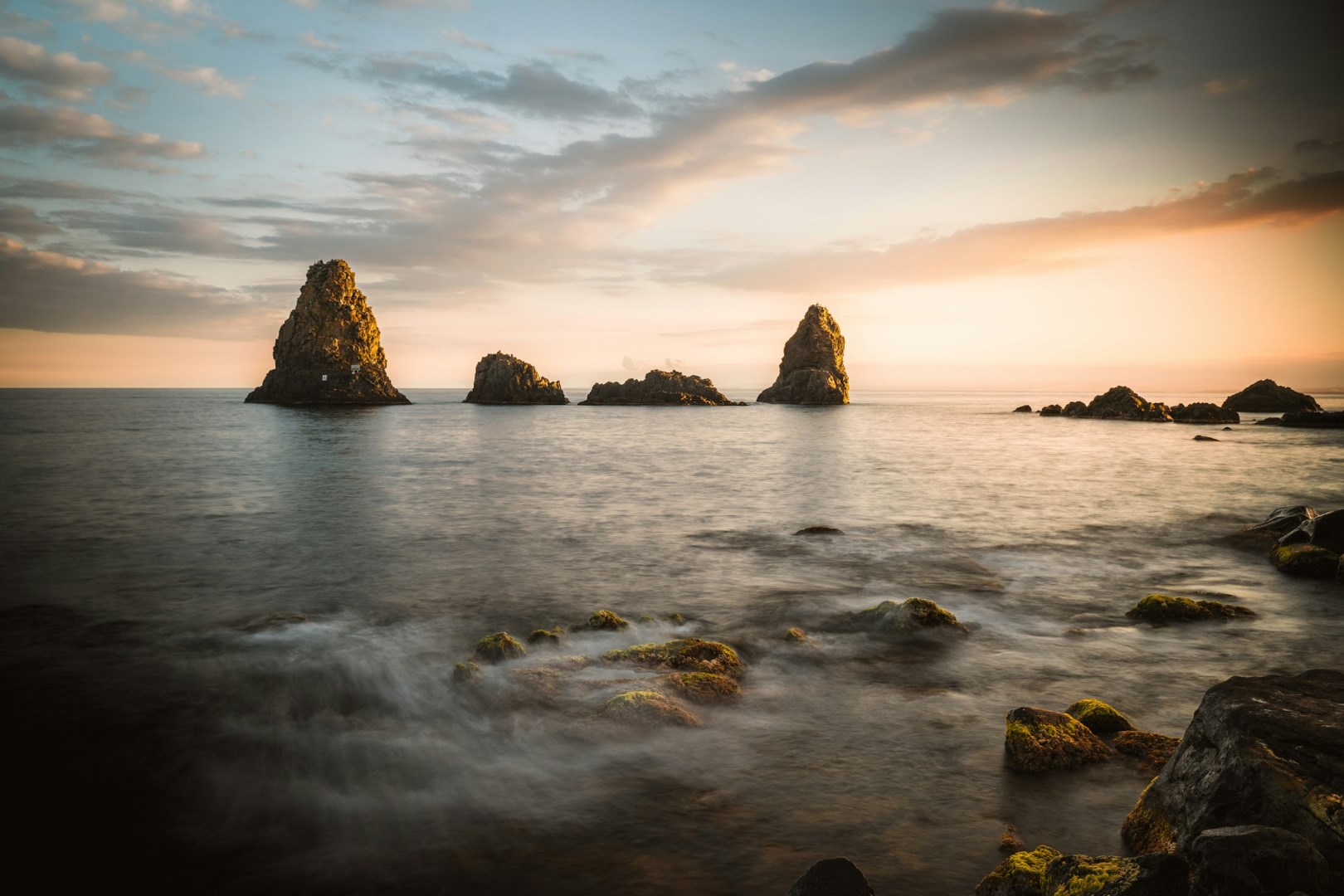
Aci Trezza is a small fishing village on Sicily’s eastern coast, just north of Catania, overlooking the Ionian Sea along the Riviera dei Ciclopi. Its waterfront is defined by dark basalt rocks, small fishing boats, and the Faraglioni dei Ciclopi, a group of sea stacks rising offshore. The rocks were formed by ancient volcanic activity connected with the geological history of Mount Etna.
Nazare
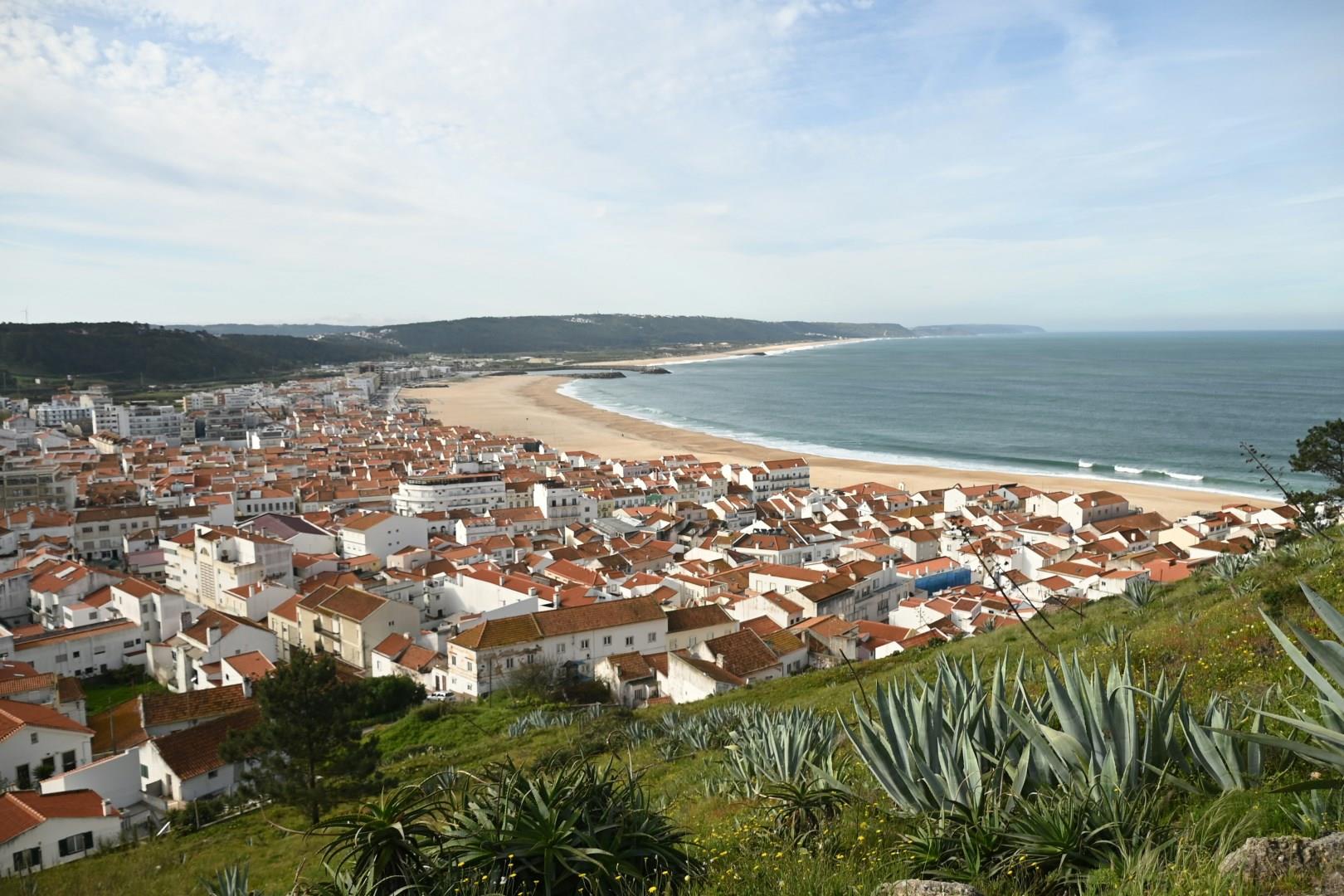
Nazaré, set along Portugal’s wild Atlantic coast, is a fishing town transformed into one of the world’s most dramatic surf destinations. Its identity is deeply tied to the sea, both in its centuries-old maritime traditions and in the awe-inspiring waves that now draw visitors from around the globe.
Brasília
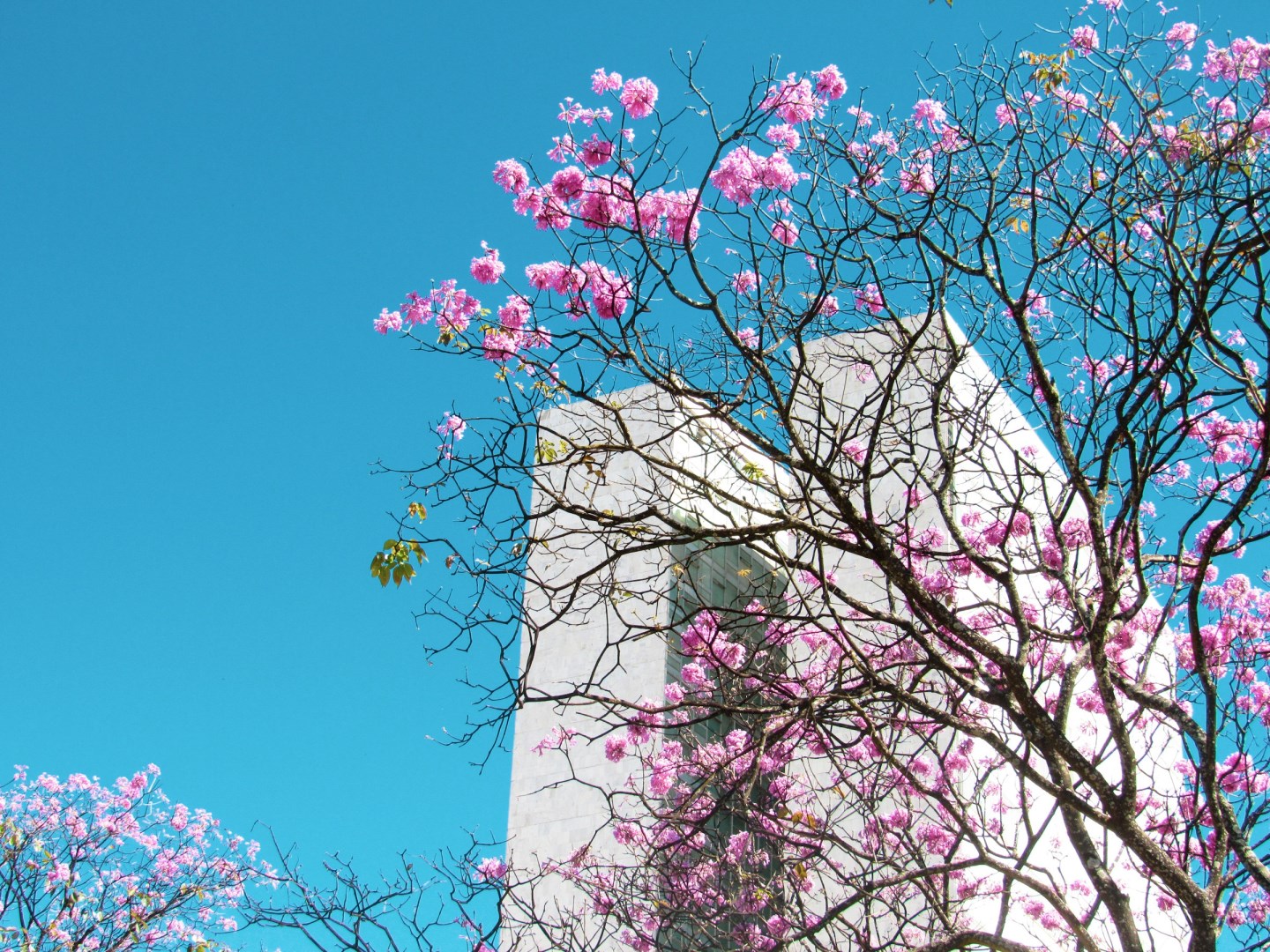
Brasília may be a World Heritage Site, but it is only of interest to town planning and architecture students, and those keen to witness the folly of man on a metropolitan scale. It must have looked good on paper, and still looks good in photos, but in the flesh, forget it. Designed by architect Oscar Niemeyer, urban planner Lucio Costa, and landscape architect Burle Marx, the city was built in an incredible three years between 1957 and 1960.
Grebaje
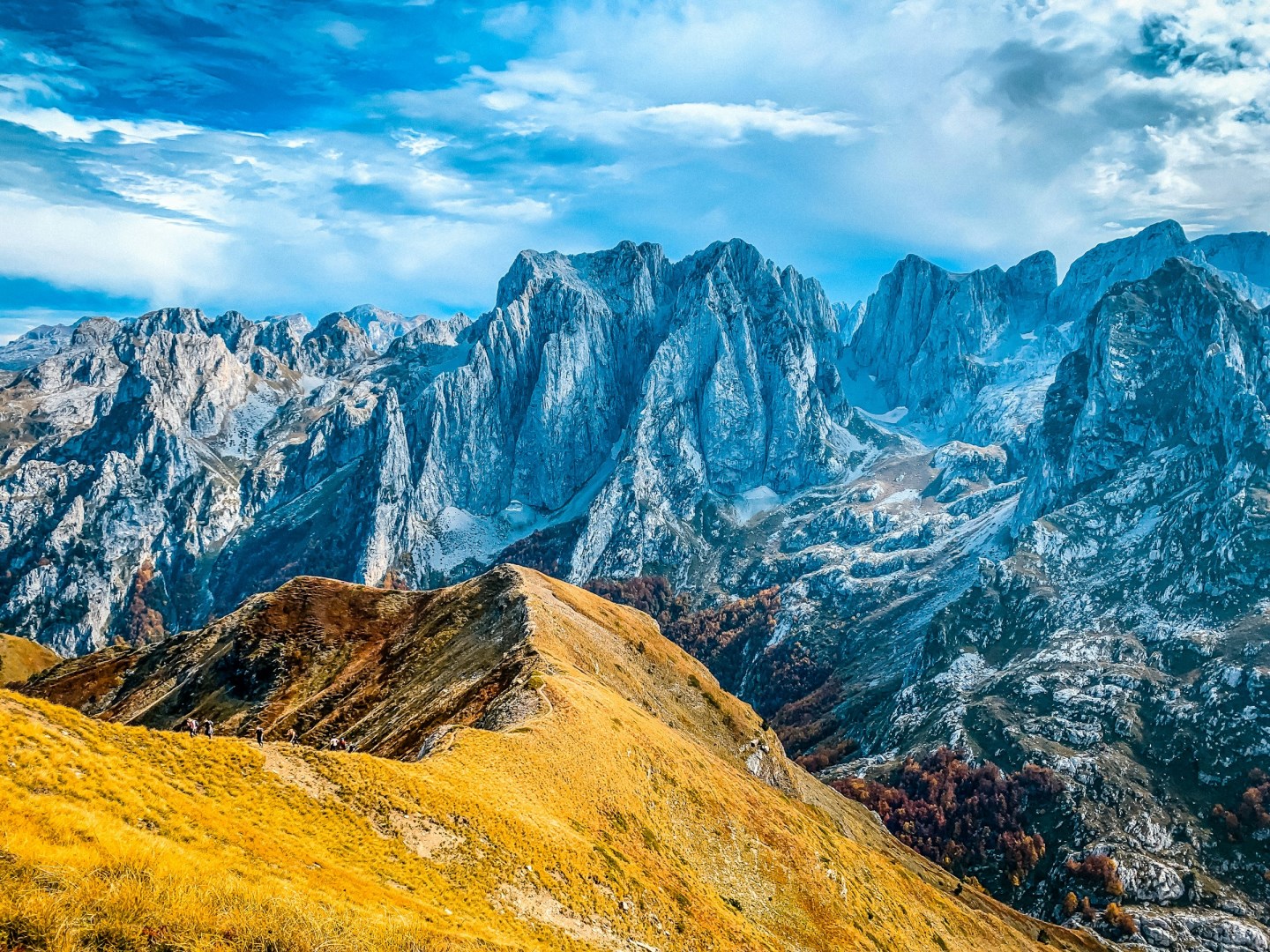
Grebaje is a mountain valley in northern Montenegro, within Prokletije National Park near the town of Gusinje. The valley is enclosed by the steep limestone peaks of the Karanfil massif, creating a narrow landscape of meadows, forests, cliffs, and high alpine ridges. Unlike the more developed mountain destinations of Montenegro, Grebaje has only a small number of facilities and retains a largely pastoral character.
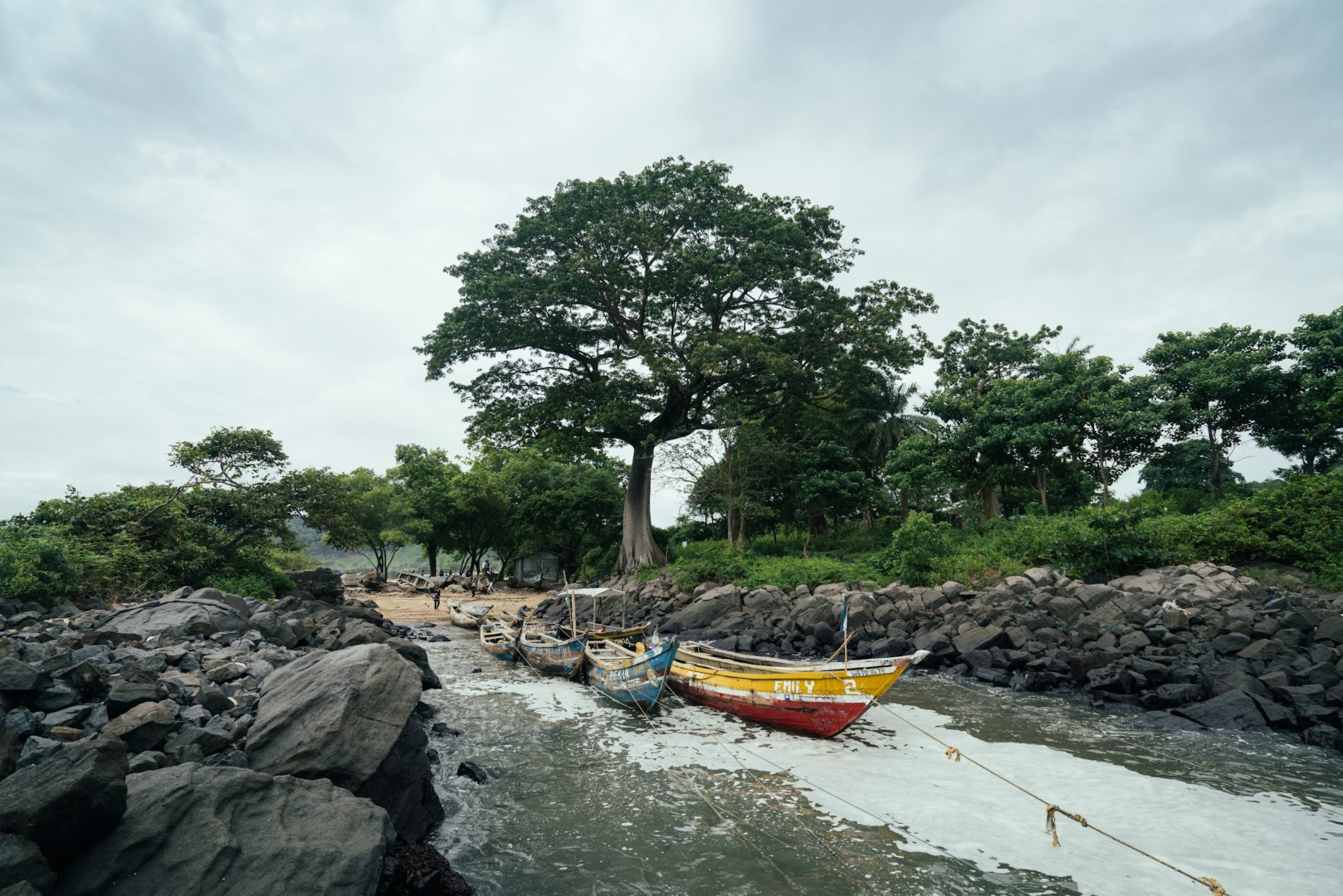
Banana Islands
The Banana Islands are a small group of three islands off the coast of Yawri Bay, southwest of Sierra Leone’s Freetown Peninsula. Dublin and Ricketts are connected by a stone causeway, while smaller Mes-Meheux is uninhabited. The islands combine sandy beaches, tropical forest, fishing settlements, and quiet coastal waters.
