

Costa Brava
The Costa Brava coastal region, in northeastern Spain, offers excellent beaches and a typical Mediterranean climate, making it an enticing holiday destination. While parts of the Costa Brava coastline have been exploited by large-scale tourist developments, other areas have retained their traditional roots.
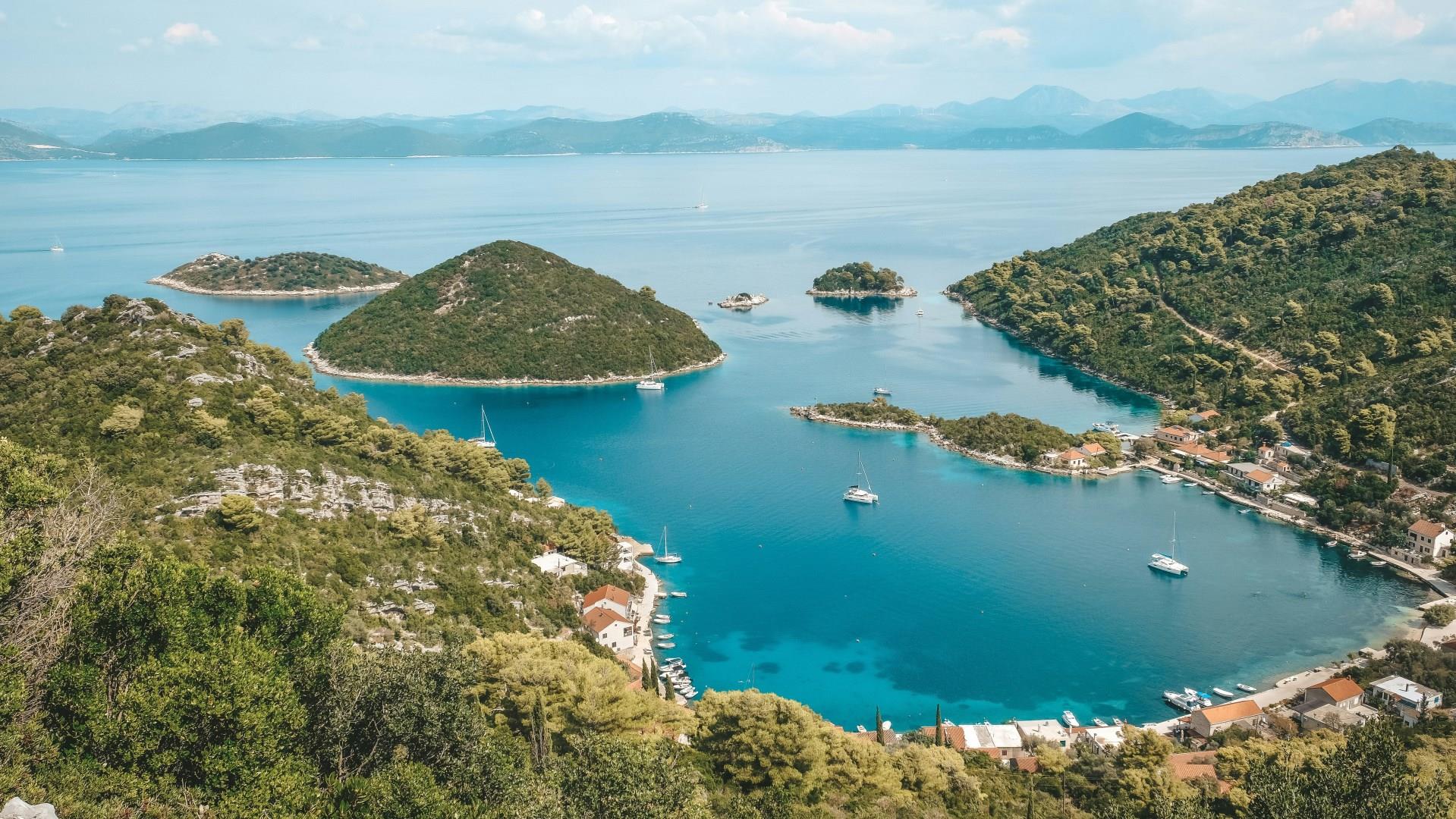
Mljet National Park
Mljet National Park sits on the western side of Mljet Island in Croatia’s Adriatic Sea, a place where saltwater lakes meet ancient forest pathways. The park stretches across nearly one-third of the island, with Veliko Jezero (Great Lake) and Malo Jezero (Small Lake) as their most striking features. These two saltwater lakes are connected by a narrow channel to the open sea, creating calm blue waters that draw visitors for swims, casual kayak outings, or peaceful cycles around the shaded paths.

Trogir
Nestled along Croatia’s stunning Dalmatian Coast, Trogir is a UNESCO World Heritage Site that offers an enchanting blend of history, architecture, and Mediterranean charm. Founded by Greek settlers in the 3rd century BC and later shaped by Roman, Venetian, and Croatian influences, Trogir’s Old Town is a labyrinth of narrow cobblestone streets, captivating medieval architecture, and vibrant piazzas. At its heart stands the Cathedral of St. Lawrence, a masterpiece of Romanesque and Gothic design w

St. Kitts and Nevis
St. Kitts and Nevis, a twin-island nation in the Leeward Islands of the Caribbean, offers a rare combination of lush landscapes, colonial history, and vibrant local culture.
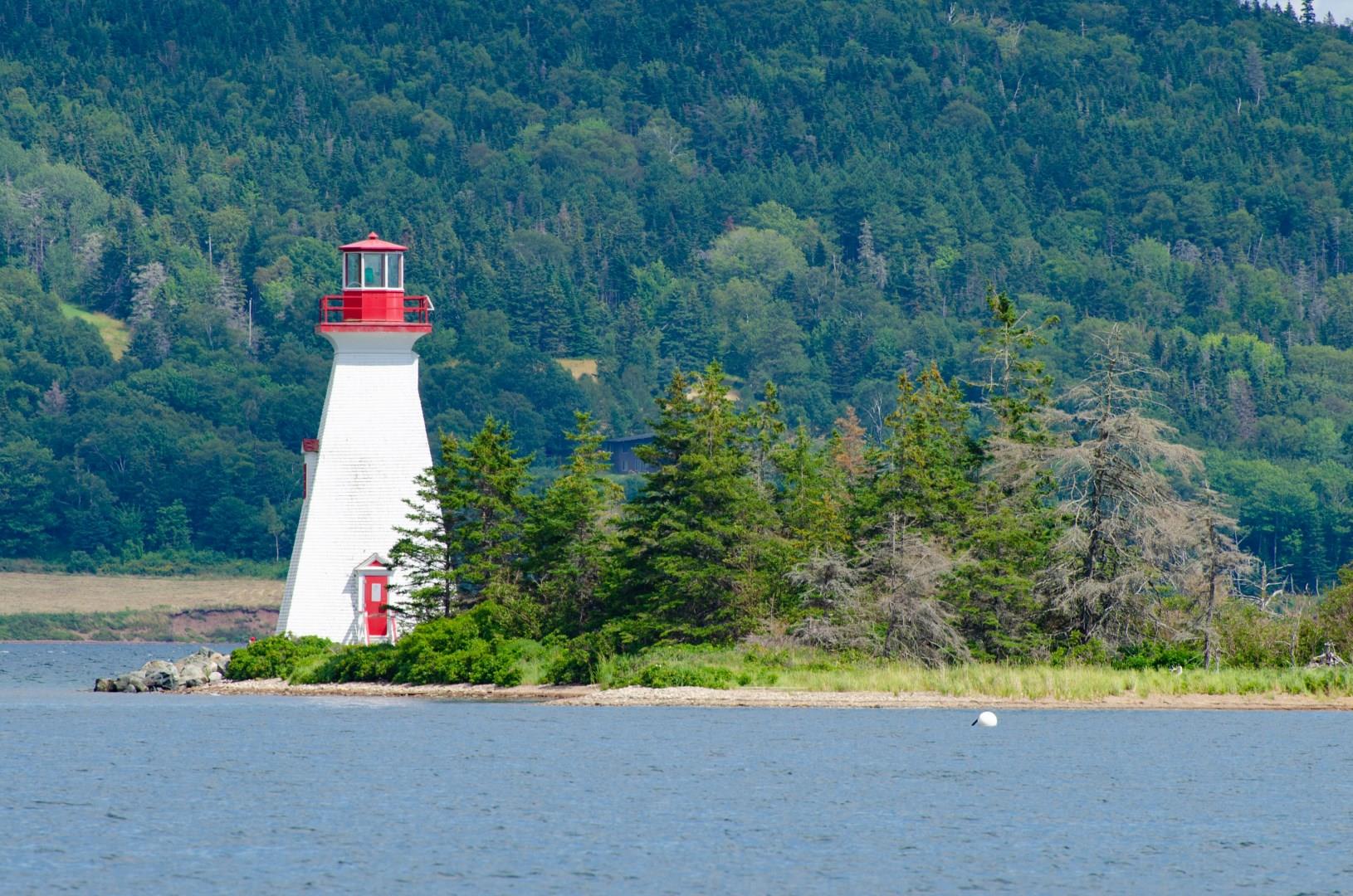
Baddeck, Cape Breton Island
Baddeck sits along the calm waters of the Bras d’Or Lake on Cape Breton Island in Nova Scotia, a village with deep roots and stories to tell. Its name comes from an Indigenous word thought to mean “place with an island near,” a nod to nearby Kidston Island and the long history of the Mi’kmaq people in the area. A highlight for many visitors is the Alexander Graham Bell National Historic Site, where the legacy of one of history’s most inventive minds comes alive.
