
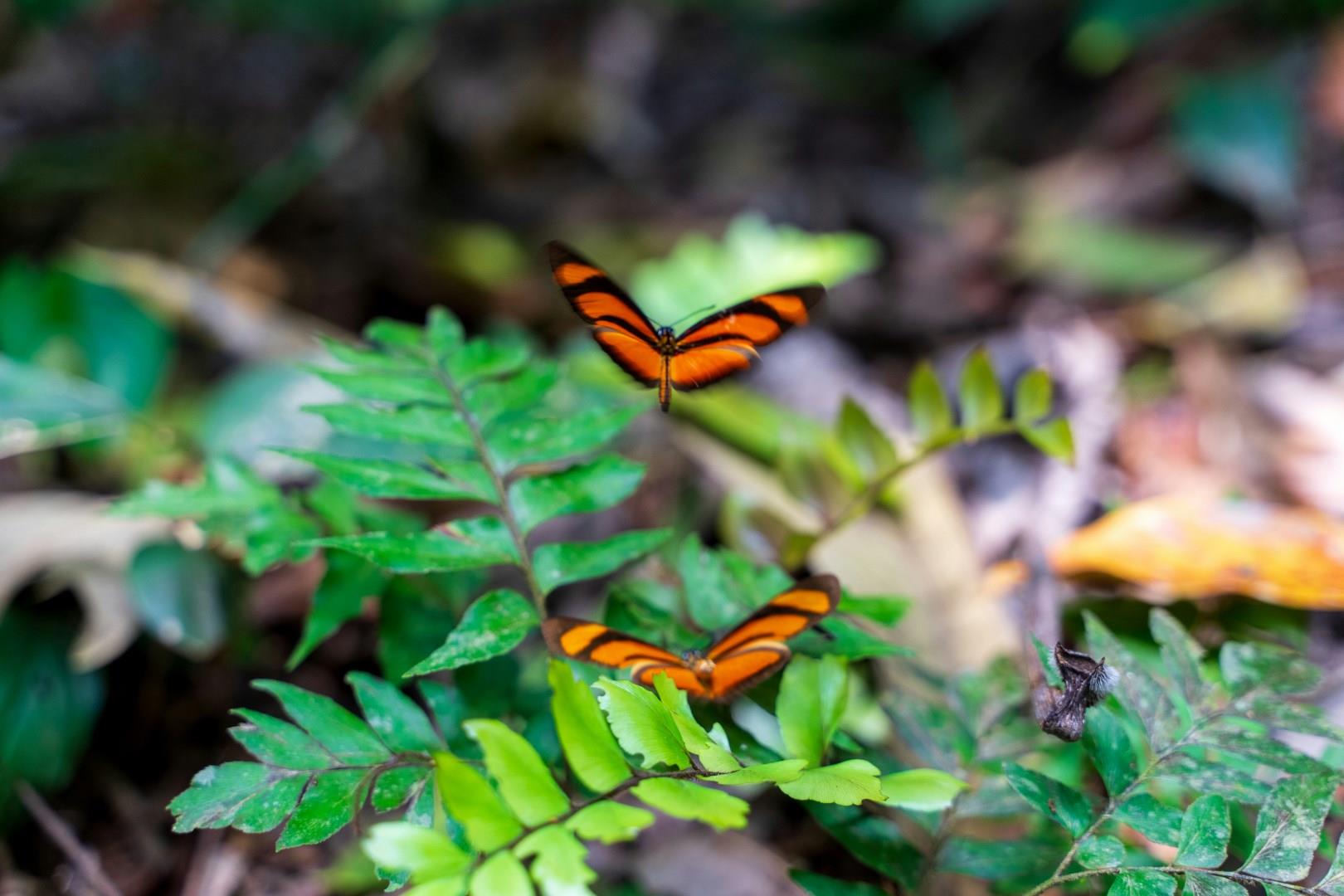
Tambopata
Located in the Madre de Dios region of southeastern Peru, Tambopata is a protected area where visitors can experience the Amazon rainforest in its rawest form. The Tambopata National Reserve spans over 270,000 hectares and is home to an estimated 1,200 butterfly species, 600 bird species, and hundreds of tree varieties. One of its most famous residents is the jaguar, though sightings are rare. More common encounters include red howler monkeys, capybaras, and giant river otters.
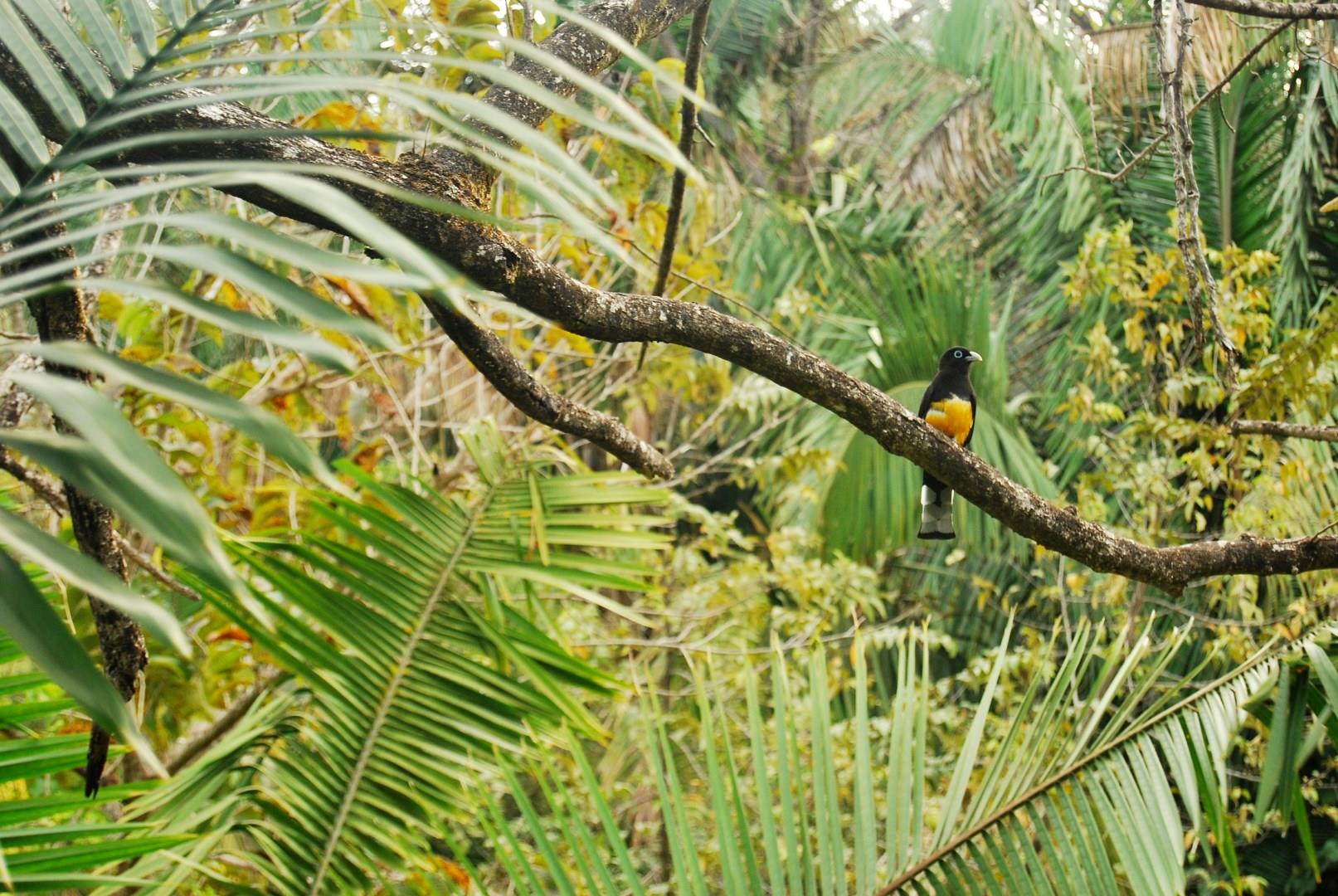
Nosara
Nosara, on Costa Rica’s Nicoya Peninsula, is a laid-back coastal town known for its strong connection to wellness, nature, and surf culture. Unlike some of the country’s busier resorts, Nosara has kept development low-key, with no large beachfront hotels and a community that values sustainability.
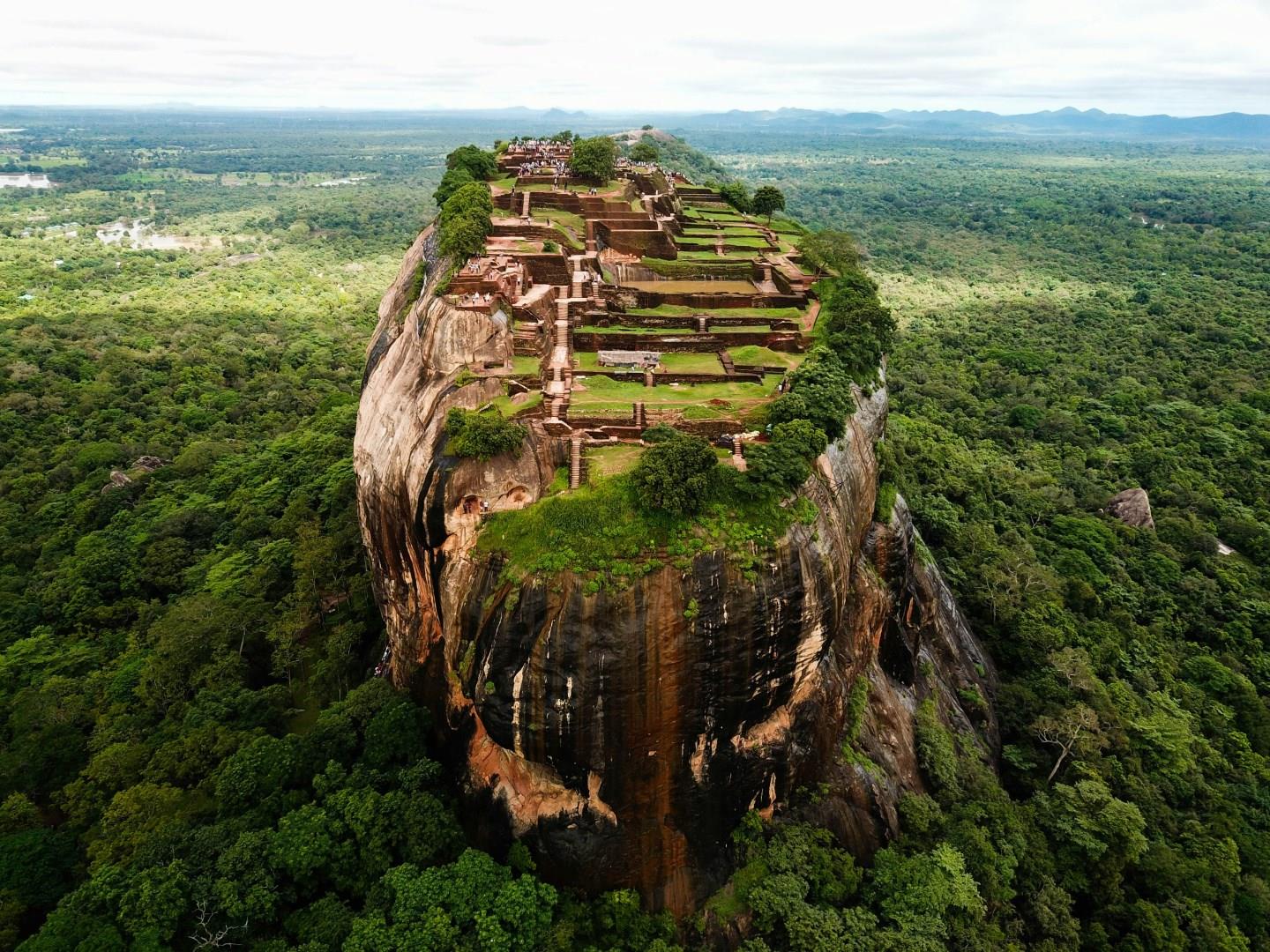
Sigiriya
Sigiriya, in central Sri Lanka, is an ancient rock fortress and one of the country’s most iconic archaeological sites. Rising nearly 200 meters from the surrounding plains, the massive granite column is crowned by the ruins of a royal palace built in the 5th century CE by King Kasyapa.
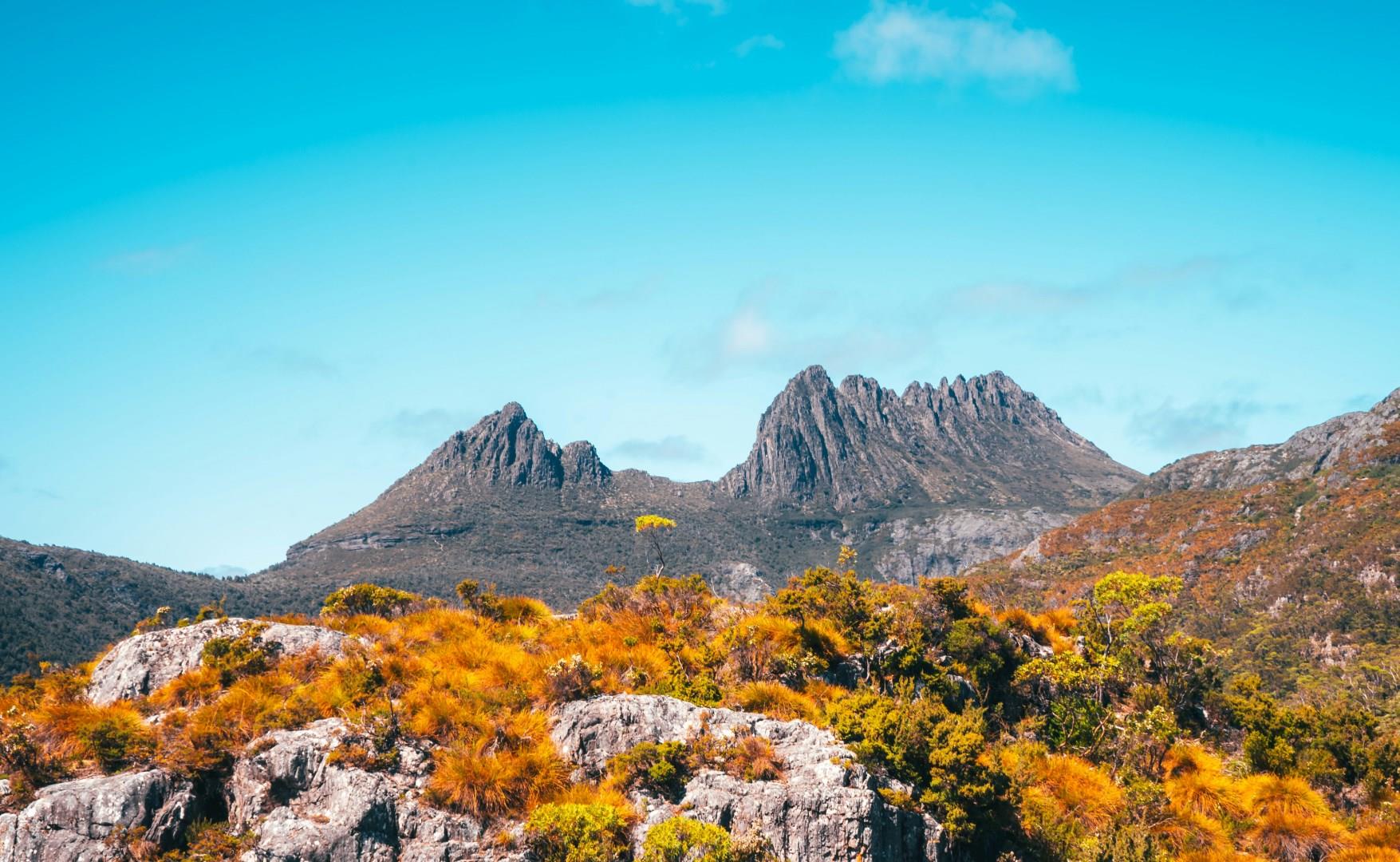
Cradle Mountain Tasmania
Cradle Mountain, located within the Tasmanian Wilderness World Heritage Area, is one of Australia's most distinctive landscapes. Towering over Dove Lake, the craggy peak rises to 1,545 meters and is often dusted with snow, even in spring. The mountain and surrounding area are part of Cradle Mountain–Lake St Clair National Park, which was established in 1922 and has since become a cornerstone of Tasmania’s protected wildlands.
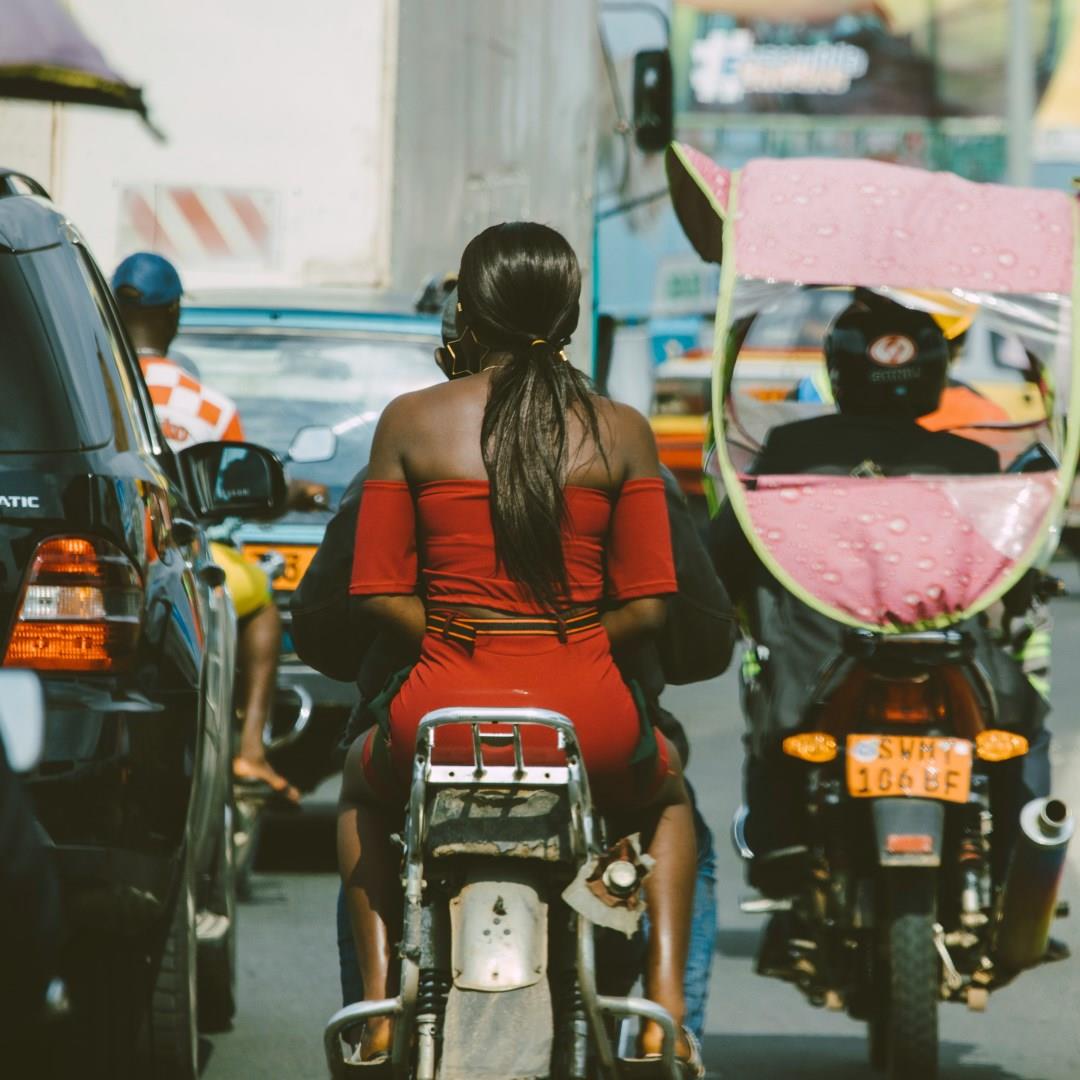
Douala
Douala is Cameroon’s largest city and its economic powerhouse, but beyond the busy ports and bustling streets lies a city full of creativity, flavor, and unexpected charm. Located on the Atlantic coast, Douala has long served as a crossroads of cultures. The city's waterfront, especially along the Wouri River, is a great place to watch the movement of boats, local fishermen, and floating markets while soaking in the tropical coastal air.
