

Trieste
Trieste, located in the northeastern corner of Italy, is a city that beautifully blends Italian, Slavic, and Central European influences, making it one of the most culturally rich destinations in the country. Situated along the Adriatic Sea, the city boasts a stunning waterfront, with the iconic Piazza Unità d'Italia, one of the largest European squares facing the sea, at its heart.

Nawiliwilli, Kauai
This is your passage into the sacred "Garden Isle," where the sweet smell of the mokihana berry permeates the air and the lush green landscapes intoxicate your senses. Visit Waimea Canyon and witness the union of water, sunshine, clouds and canyon walls as they create the most colorful rainbows imaginable.

Denmark
Denmark is a country shaped by water, wind, and centuries of human ingenuity. In places like Roskilde, visitors can see five original Viking ships at the Viking Ship Museum and even try rowing a replica longboat across the fjord. In Copenhagen, the harbor once used by merchants and sailors now welcomes swimmers, kayakers, and ferries, with historic warehouses repurposed into restaurants and museums.
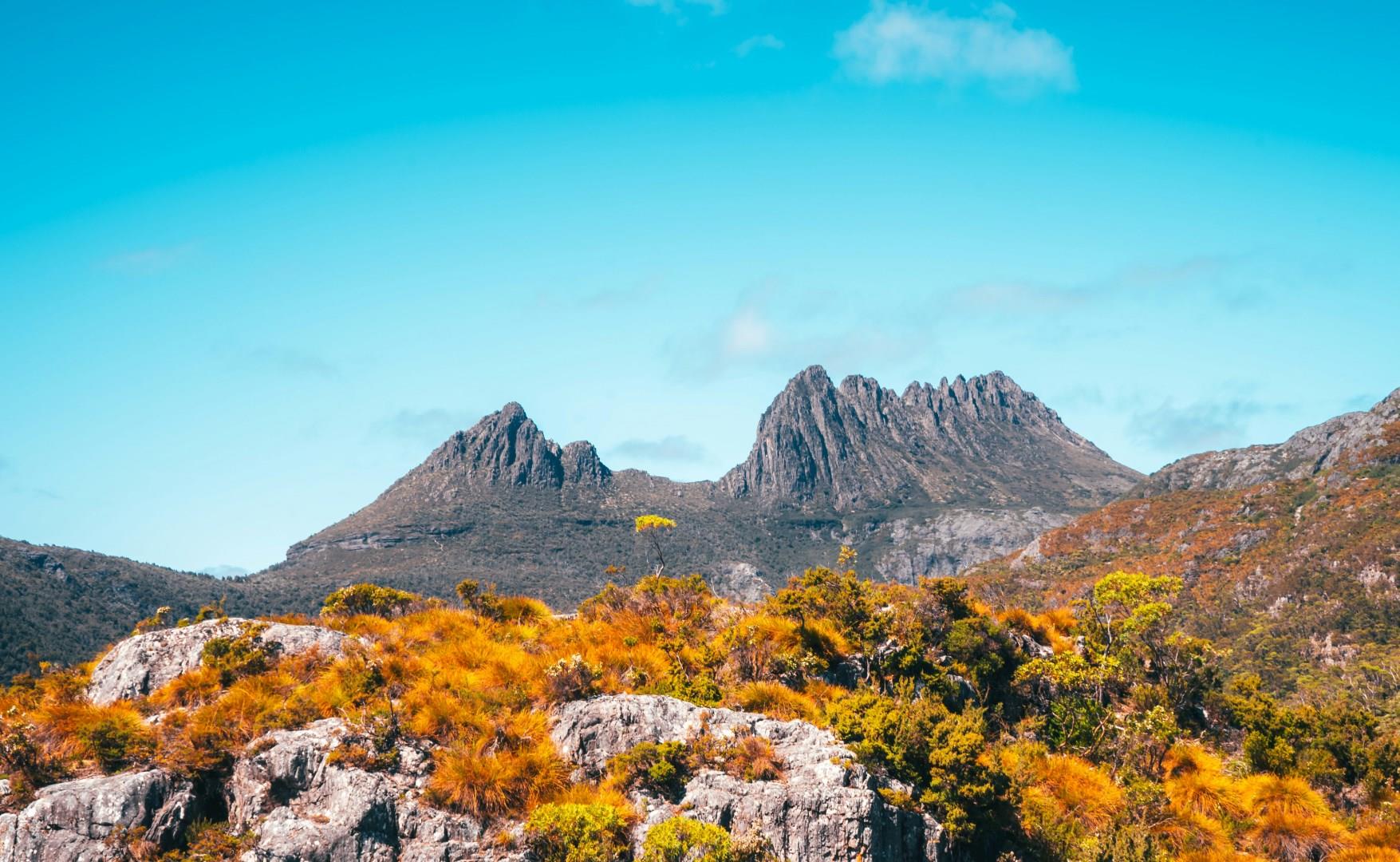
Cradle Mountain Tasmania
Cradle Mountain, located within the Tasmanian Wilderness World Heritage Area, is one of Australia's most distinctive landscapes. Towering over Dove Lake, the craggy peak rises to 1,545 meters and is often dusted with snow, even in spring. The mountain and surrounding area are part of Cradle Mountain–Lake St Clair National Park, which was established in 1922 and has since become a cornerstone of Tasmania’s protected wildlands.

Texas
Texas is a state where size meets story from high plains to coastal shores, every region brings something distinct to the table. In San Antonio, visitors can walk through centuries of layered history starting at the Alamo, a site of one of the most famous battles in the state’s fight for independence. The nearby San Antonio Missions, a UNESCO World Heritage Site, offers a deeper look into the Spanish colonial influence that shaped the region.
