
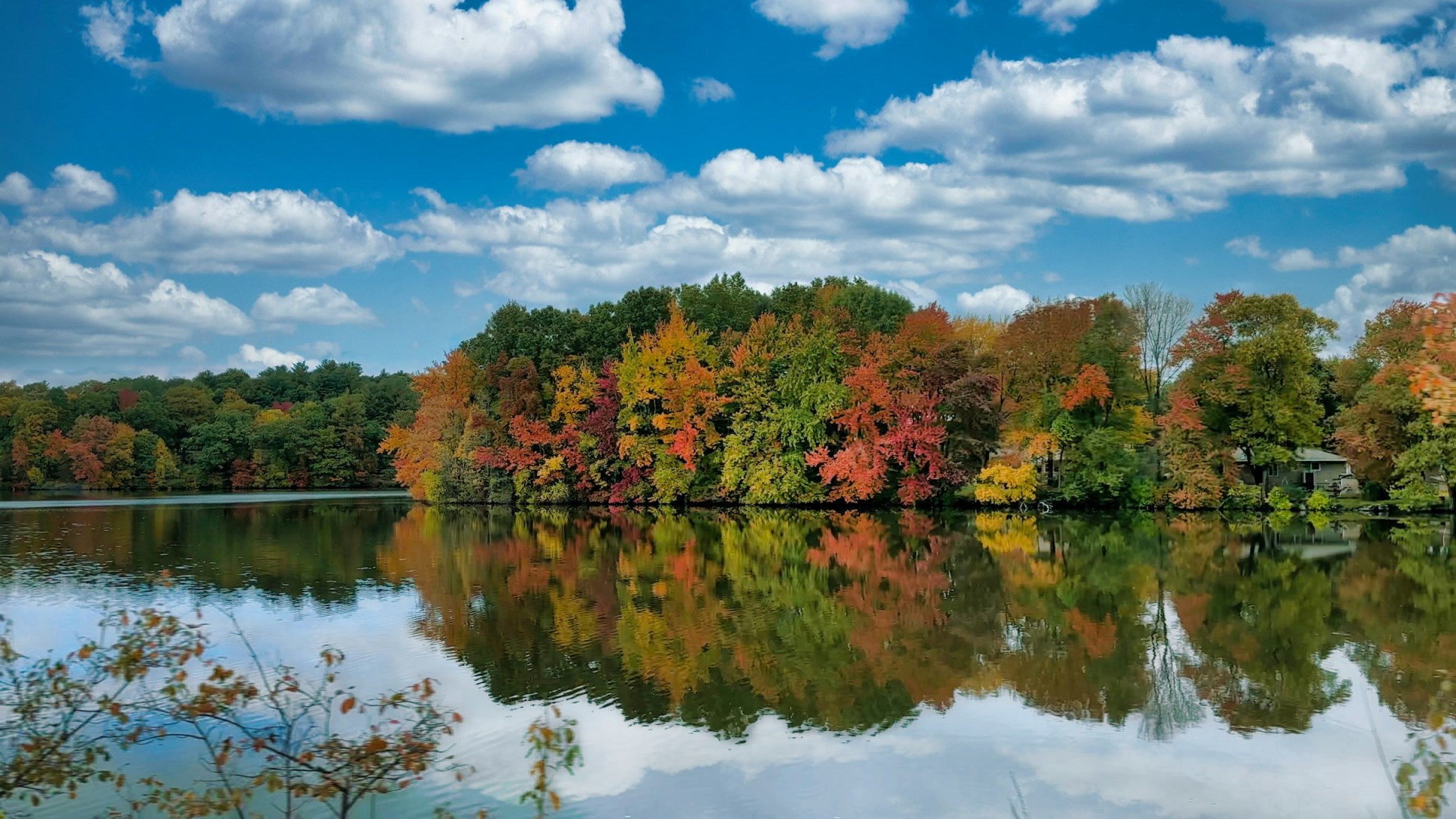
Framingham
Framingham is a city in eastern Massachusetts, located about 20 miles west of Boston in the MetroWest region. Its landscape combines developed neighborhoods and commercial districts with wooded areas, ponds, and former agricultural land. The Sudbury River and several smaller waterways pass through the surrounding area, while Cochituate State Park provides a large recreational lake nearby.

Uluru
Located in Australia's Northern Territory, Uluru is an iconic sandstone formation and UNESCO World Heritage site. This red rock monolith, believed to be over 500 million years old, has been considered sacred by Australia's indigenous peoples for thousands of years and is one of the country's most well-known natural landmarks. This spiritual destination will astound you at sunrise and sunset, when the warm sunlight turns Uluru to deep hues of red and orange.
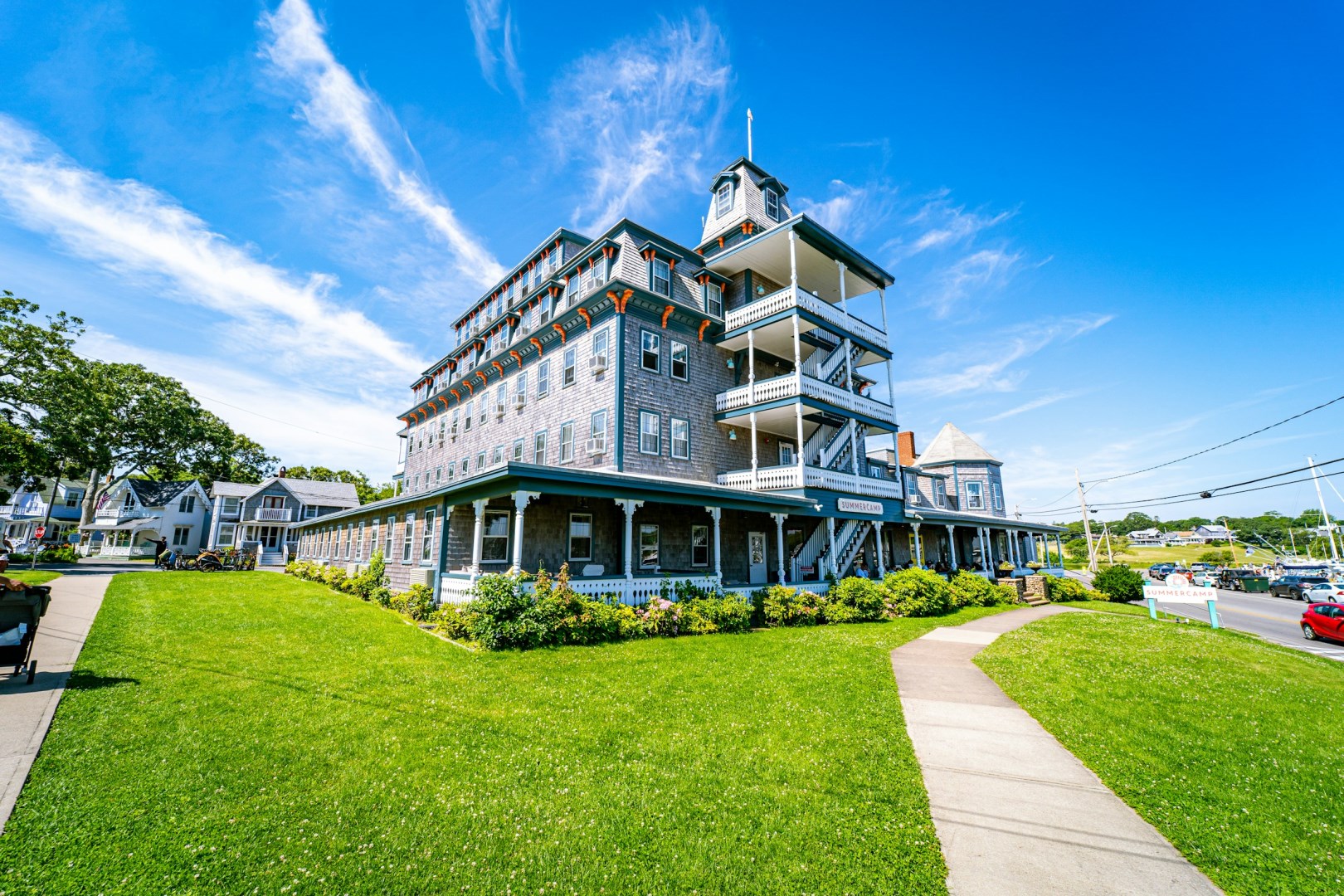
Oak Bluffs
Oak Bluffs is a coastal town on Martha’s Vineyard, Massachusetts, facing Vineyard Sound on the island’s northeastern shore. It is known for its colorful Carpenter Gothic cottages, harbor, beaches, and long association with summer tourism. The town center developed around Circuit Avenue, while the waterfront includes Oak Bluffs Harbor and a public beach along the sound.
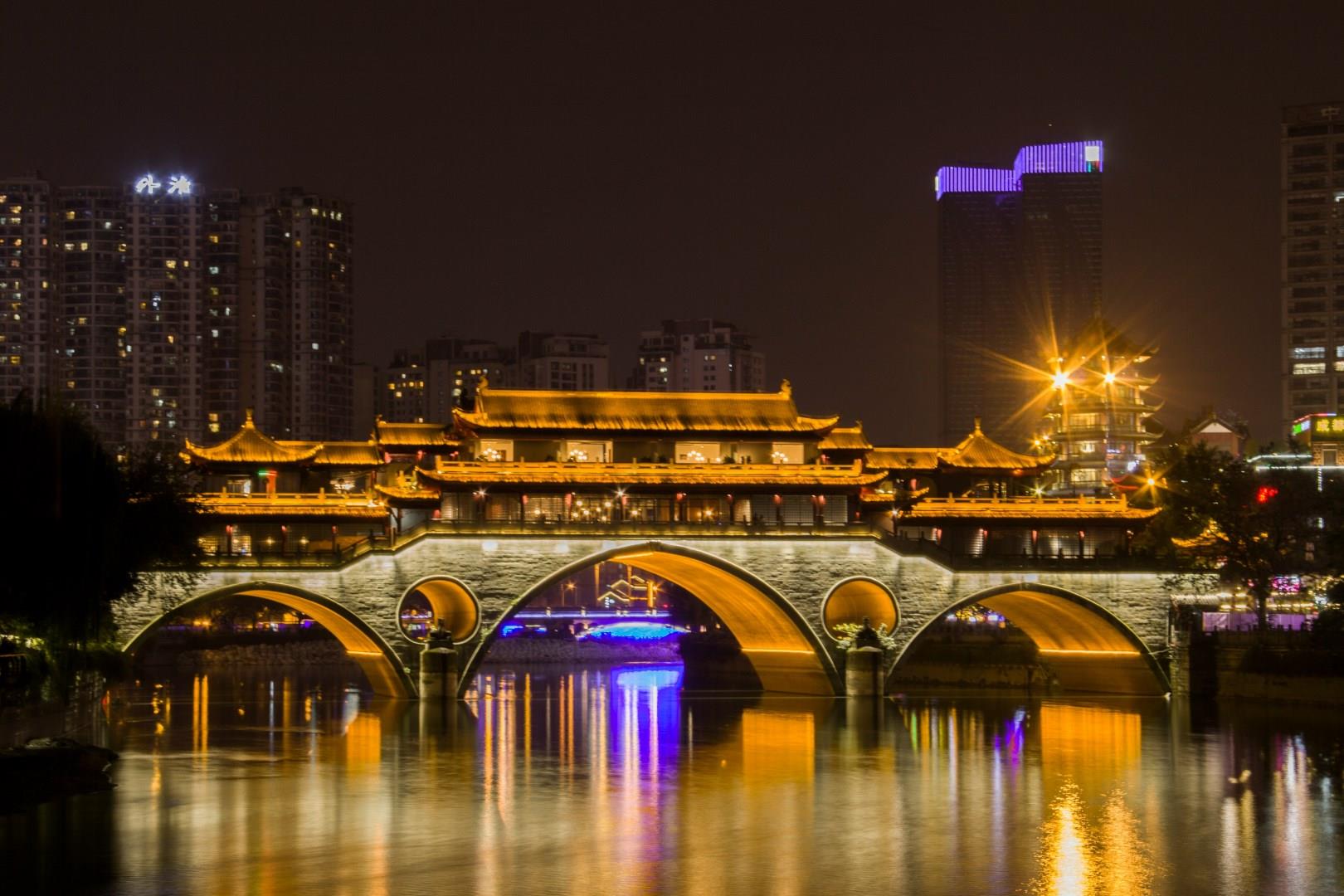
Chengdu
Chengdu, the capital of China's Sichuan Province, blends modern urban life with centuries of history. It is famous as the home of the giant panda, but its cultural significance extends far beyond wildlife.

Korčula
Korčula, a jewel in Croatia's Adriatic Sea, invites visitors to immerse themselves in its rich history and stunning natural beauty. Often referred to as "Little Dubrovnik," the city boasts well-preserved medieval architecture, narrow cobblestone streets, and a fortified old town encircled by ancient walls.
