
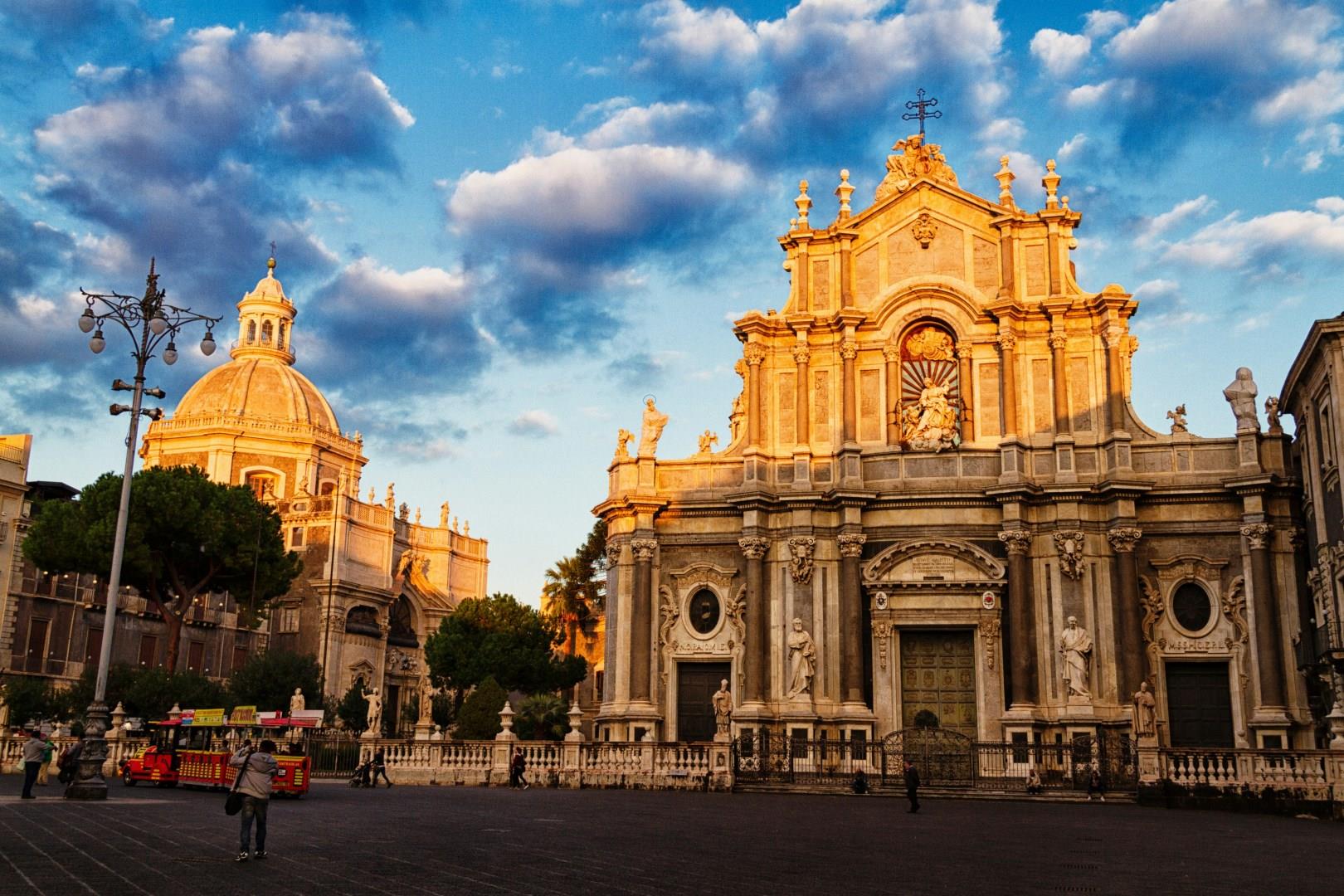
Catania
Catania, nestled on the eastern coast of Sicily, is a city shaped by fire and stone. Built from the black lava of Mount Etna, it’s a landscape filled with energy and contrasts from its Baroque palaces to its open air fish markets. At the heart of the city stands the Piazza del Duomo, where the iconic Fontana dell’Elefante, which is carved from volcanic rock, greets every visitor who passes by.
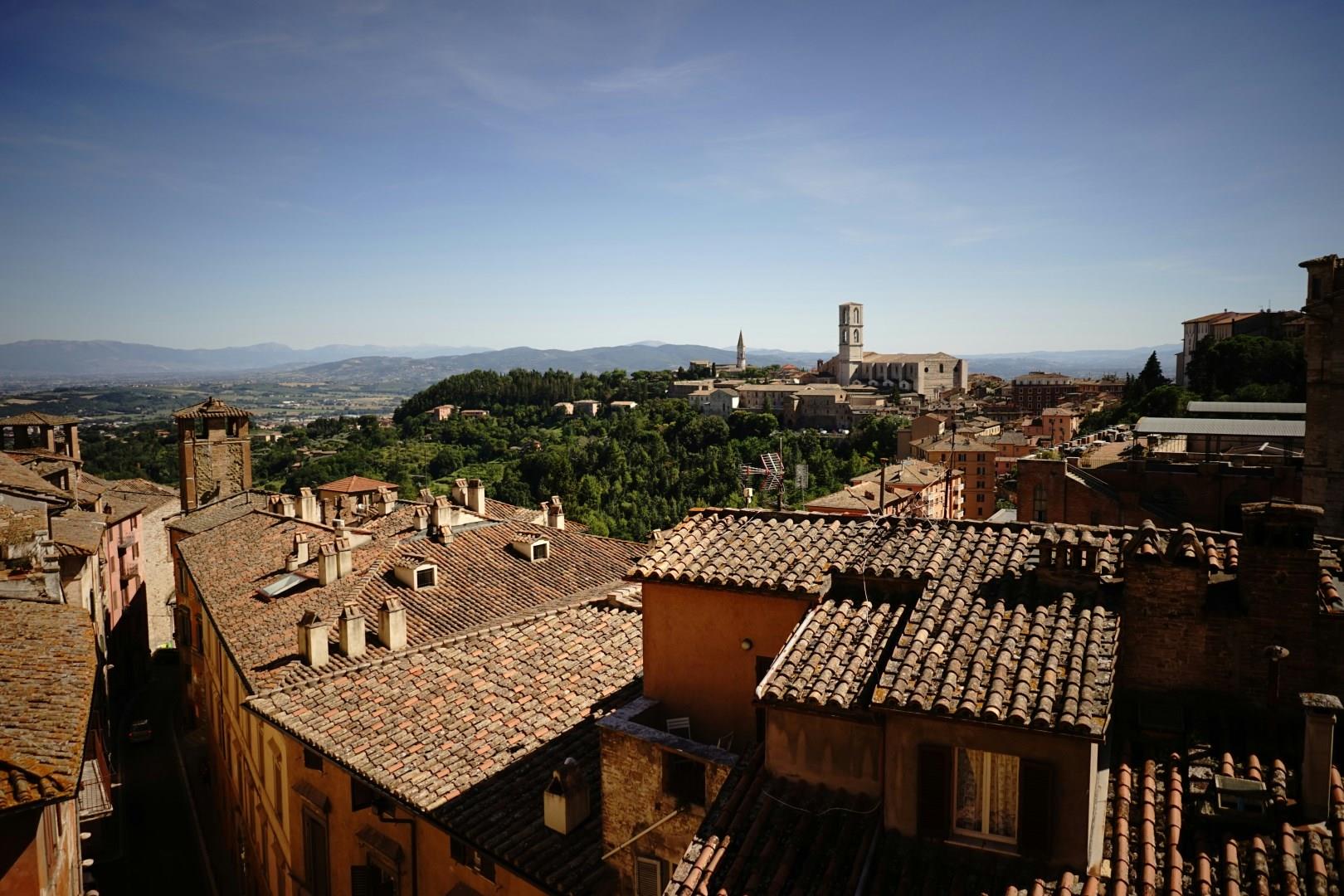
Perugia
Perugia, the capital of Italy’s Umbria region, is a city built across hills and centuries. Originally settled by the Etruscans more than 2,500 years ago, it still holds remnants of their civilization, including one of the largest surviving Etruscan arches in Italy named Arco Etrusco, which greets visitors at the city’s entrance. Walking through the narrow streets of the historic center reveals layers of Roman, medieval, and Renaissance architecture, all woven together within ancient stone walls.
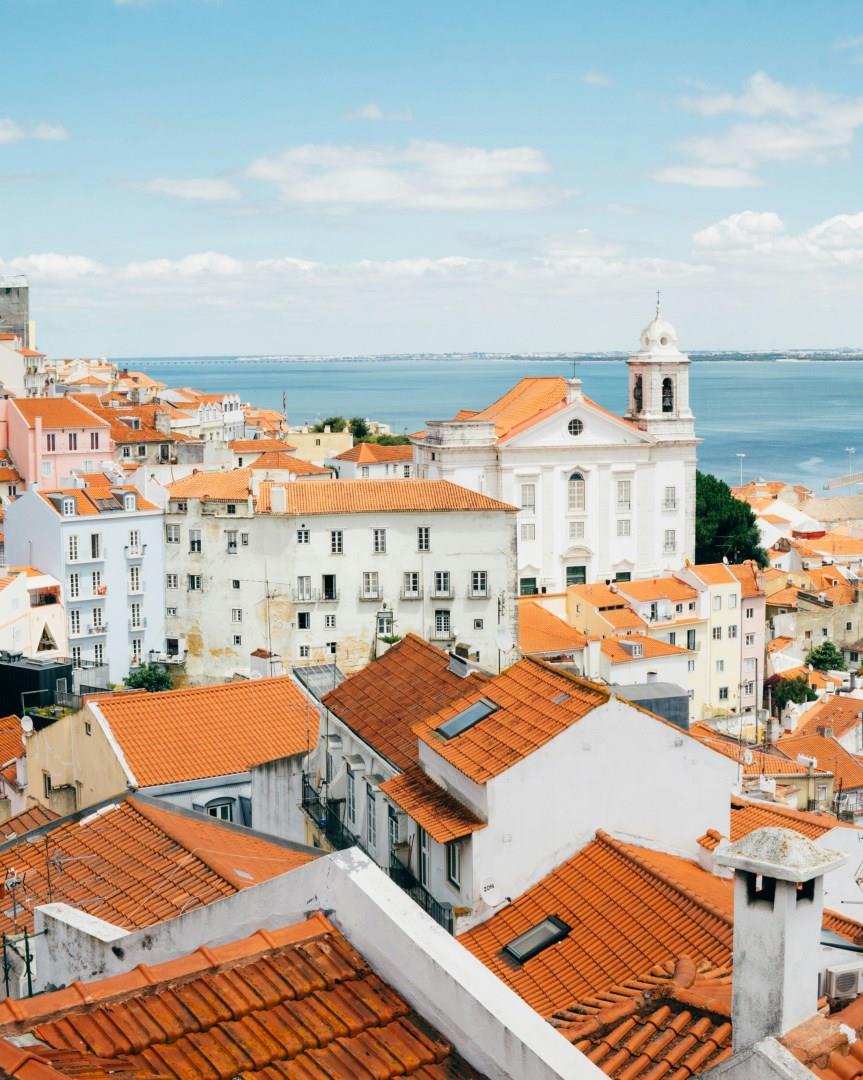
Portugal
Portugal offers a layered experience shaped by maritime history, deep-rooted traditions, and a coastline that stretches for nearly 1,800 kilometers. In Lisbon, the streets of Alfama wind uphill toward São Jorge Castle, where views of red-tiled rooftops and the Tagus River reveal how the city was rebuilt after the 1755 earthquake. Trams still clatter through narrow streets, and fado music, often performed in candlelit taverns, tells stories of longing and the sea.
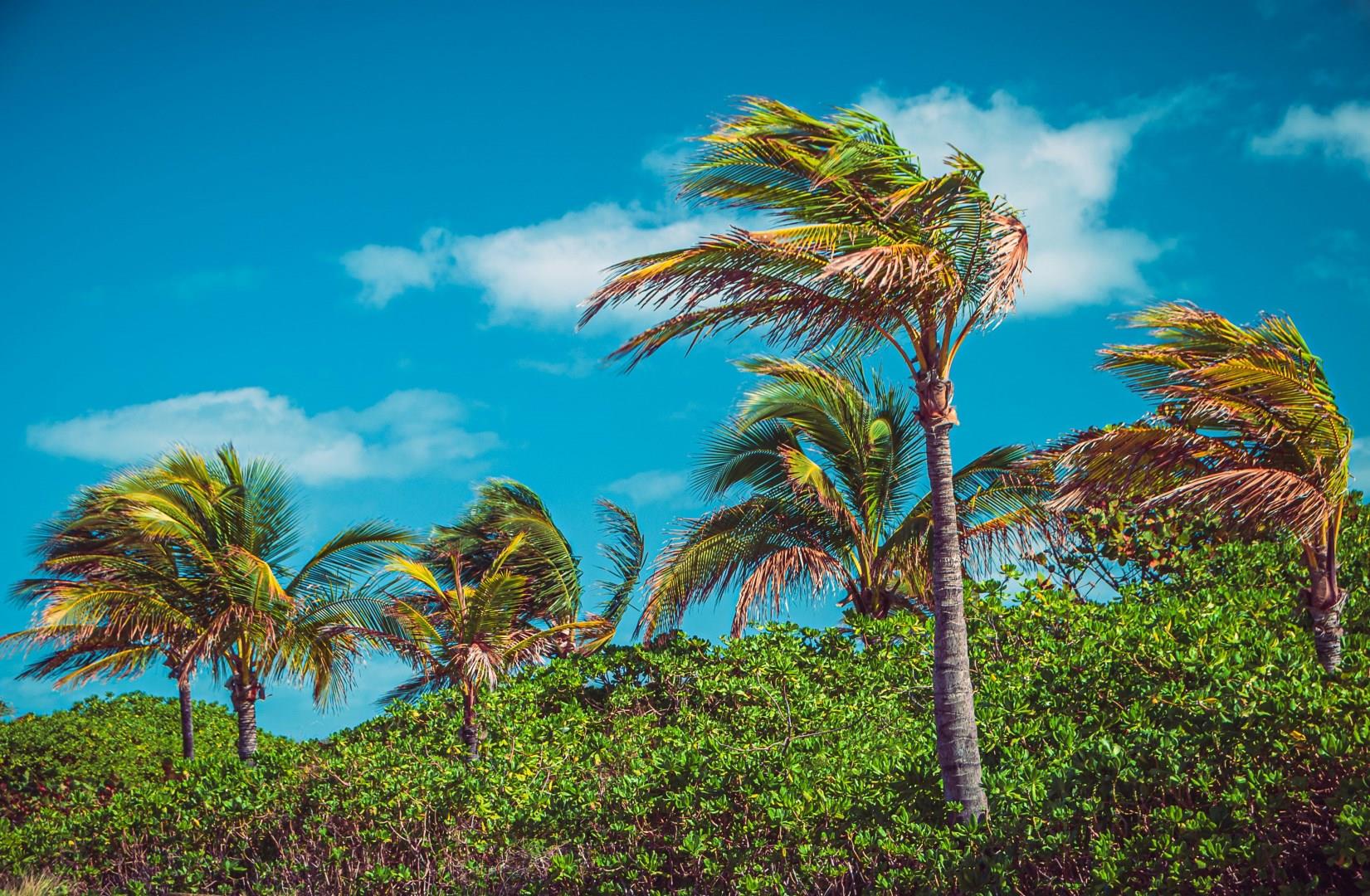
Castaway Cay
Castaway Cay, Disney’s private island in the Bahamas, is designed as a tropical retreat blending natural scenery with family-friendly experiences. Nestled among turquoise waters and soft sandy beaches, the island serves as an exclusive stop for Disney Cruise Line guests.
Aguas Calientes
Aguas Calientes, officially called Machupicchu Pueblo, sits in a narrow valley below the ruins of Machu Picchu, shaped almost entirely by geography and access.
