
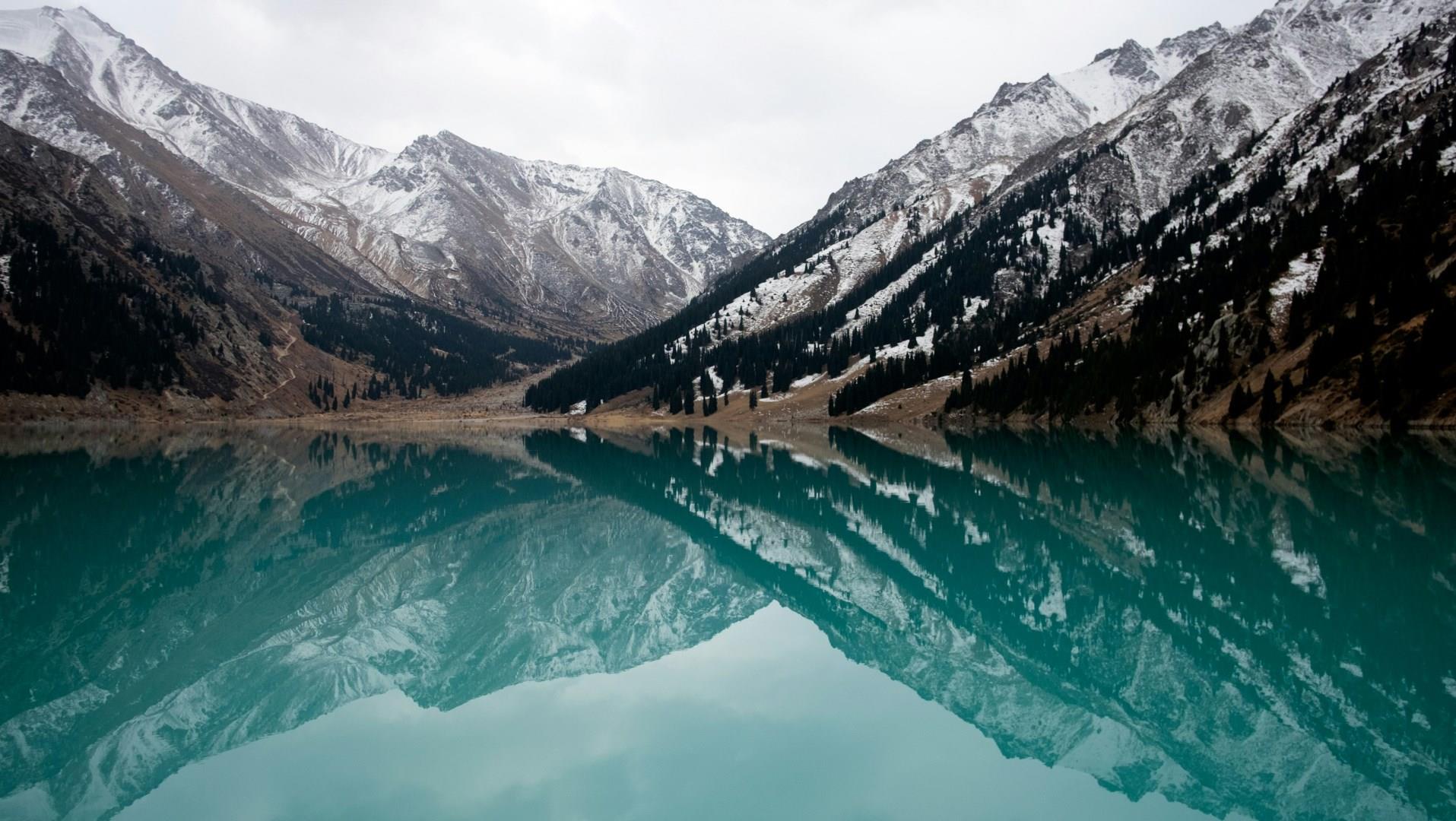
Kazakhstan
Kazakhstan, the world’s ninth-largest country, offers travelers a striking mix of sweeping steppe landscapes, modern cities, and deep-rooted nomadic traditions.
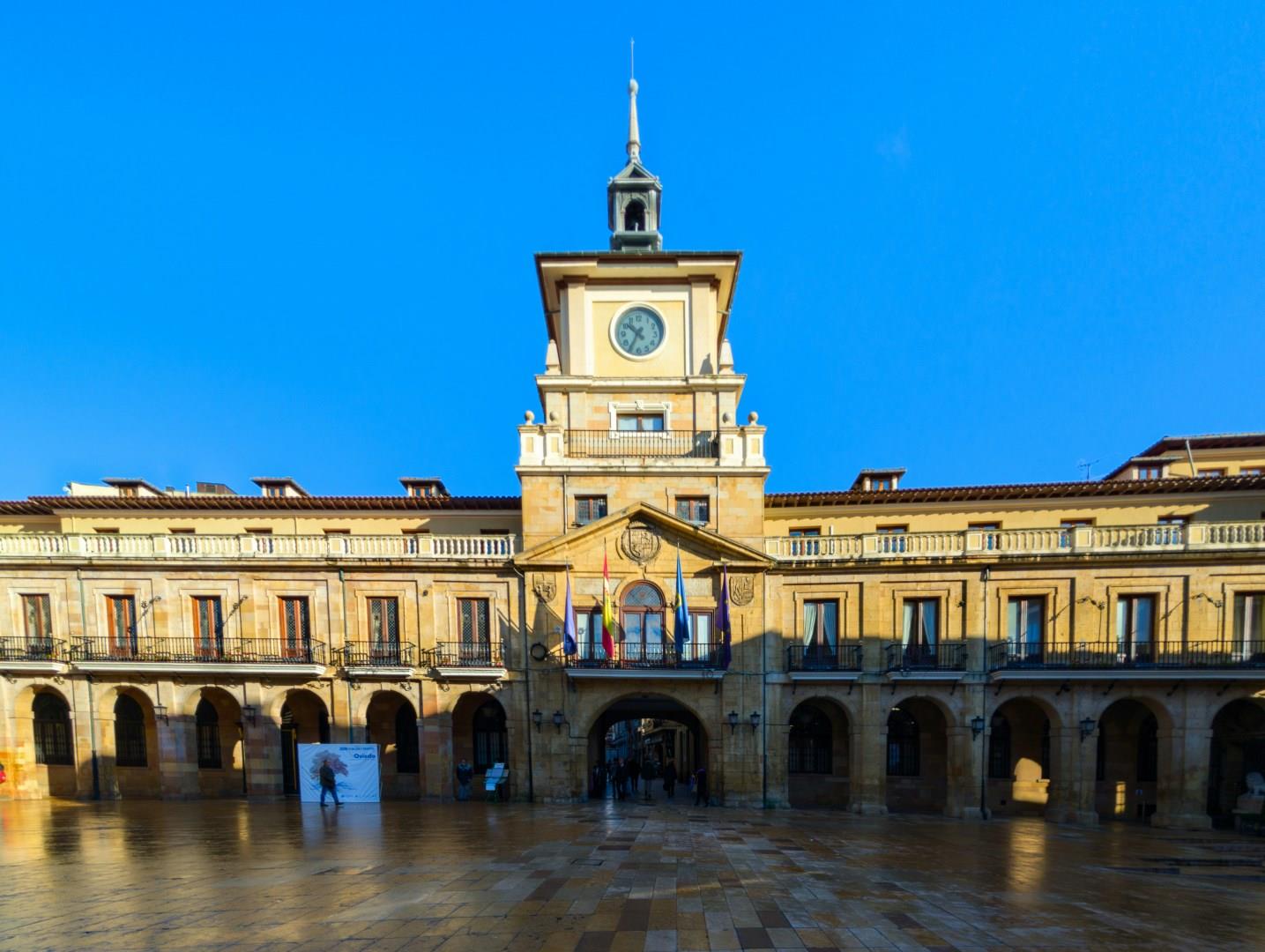
Oviedo
Oviedo, the capital of Asturias in northern Spain, offers a rare mix of medieval heritage and everyday life that feels rooted rather than staged. The city’s historic center is home to some of the oldest pre-Romanesque buildings in Europe, including the UNESCO-listed Santa María del Naranco and San Miguel de Lillo. Cider, not wine, defines the local table. Oviedo is surrounded by apple orchards, and the traditional drink, sidra natural, is poured from a height by skilled escanciadores.
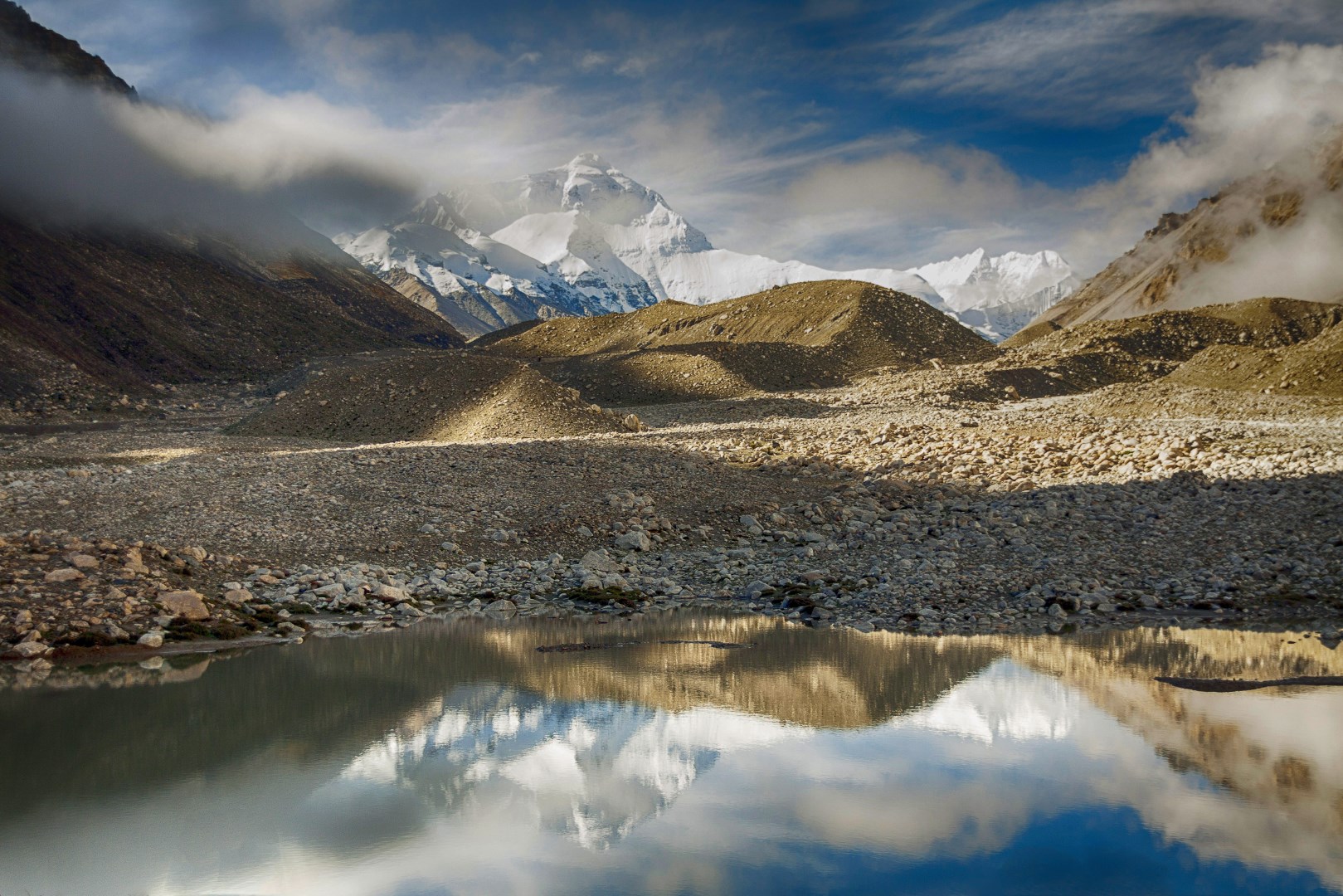
Mount Everest
Rising along the border of Nepal and Tibet, Mount Everest stands as the highest point on Earth, reaching over 29,000 feet into the sky. Known locally as Sagarmatha, meaning “Peak of Heaven,” and Chomolungma, meaning “Goddess Mother of the World,” the mountain carries deep spiritual meaning for the communities that live in its shadow. Its summit sits in air so thin that oxygen levels are only a fraction of what travelers experience at sea level.

Namib Desert
The Namib Desert, one of the world’s oldest deserts, stretches along the western coast of Namibia, offering a landscape of stunning, otherworldly beauty. The name “Namib” means "vast place," and fittingly so, as this desert spans over 2,000 kilometers and includes some of the tallest sand dunes on Earth, such as those found in Sossusvlei.
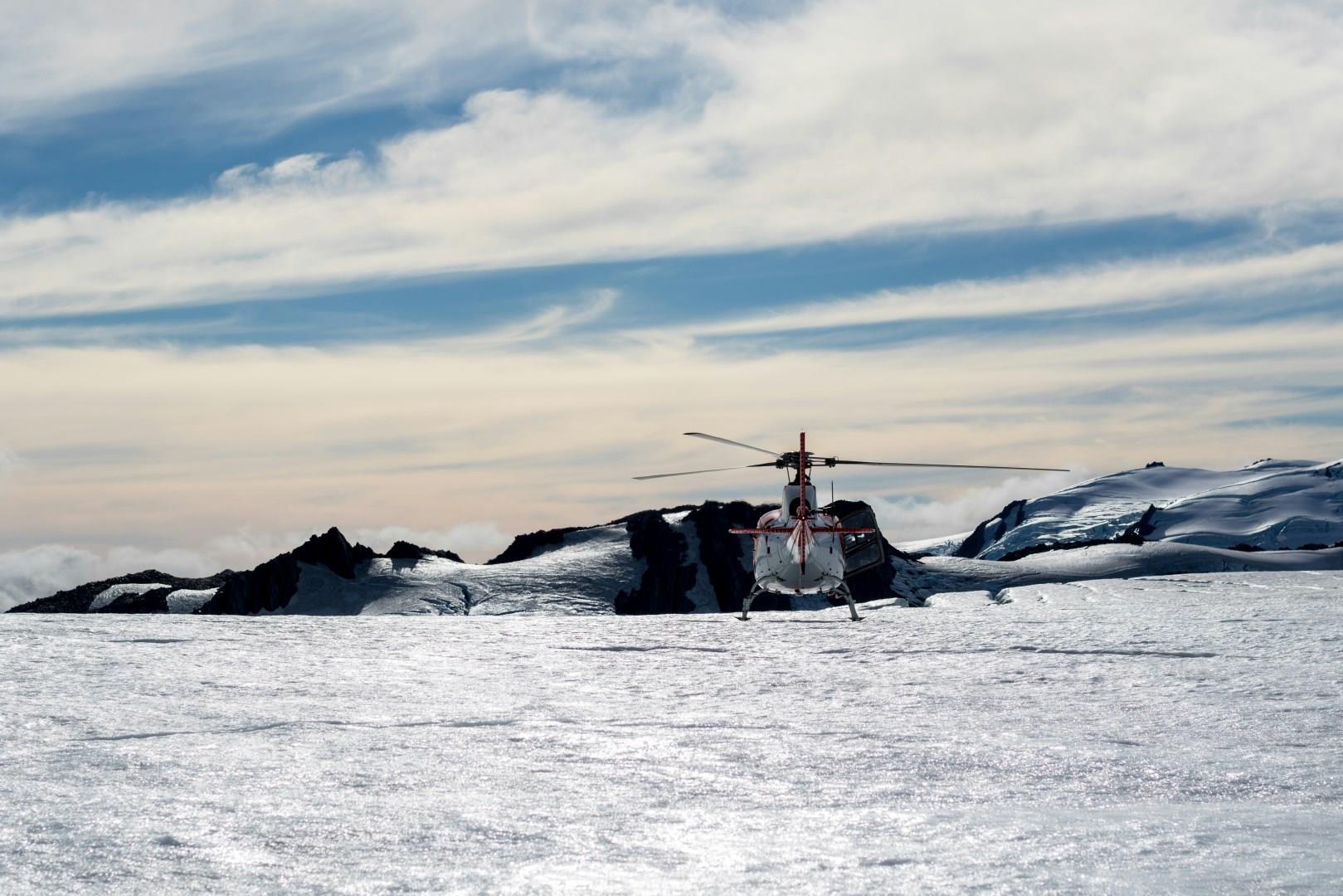
Fox Glacier
Fox Glacier, on New Zealand’s South Island, is one of the country’s most remarkable natural wonders, where icy landscapes meet lush rainforest. Named after Sir William Fox, a 19th-century Prime Minister of New Zealand, the glacier stretches from the high peaks of the Southern Alps down into temperate rainforest.
